
Reviewed · PHNOM CHISOR & TONLE BATI TEMPLE TRIPS
Chiso temple, Neang khmao, and Taprum temple historical site Tour
The view from Phnom Chisor hits fast. You get a rare high-angle look at rice fields and countryside, plus a route that links temple design and landscape thinking. I liked how the day mixes big-picture scenery with up-close details on Sculpted Khmer temple galleries and brick prasats you can still walk among. One thing to consider: the schedule is packed, so you’ll want comfy shoes and a bit of patience for rural road time.
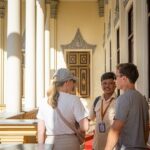
The guide is a major reason this feels worth it. On one standout example, my guide Soapheak explained pagoda life and how the surrounding structures work, not just what to photograph. This is also a small private-style setup (up to five in your group), which makes it easier to ask questions while you’re standing in the ruins.
In This Review
- Key things I’d highlight before you go
- Phnom Chisor: 11th-century galleries and a view that makes sense of it all
- The temple alignment lesson you’ll actually remember
- Prasat Neang Khmau: Angkor-era brick towers beside an active pagoda
- Ta Prohm Temple: smaller ruins with distinctive Khmer art
- Yeay Pov Temple: finishing with another layer of sacred space
- Tonle Bati: a calm pause at a popular fishing and weekend lake
- How the 8-hour schedule really feels from start to finish
- Pickup, comfort, and why a small group is worth it
- Price and value: $190 per group with real inclusions
- Practical tips to make this day easier
- Who this tour fits best
- Should you book this Chiso–Neang Khmao temple tour?
- FAQ
- Where does the tour start?
- What’s the duration of the tour?
- How much does the tour cost?
- Is pickup included?
- Is admission included for the stops?
- Do I need to buy a ticket, or can I use my phone?
- What language is the guide?
- Is this a private tour?
- What should I budget for food?
- FAQ
- Is the tour cancelable?
Key things I’d highlight before you go
- Phnom Chisor’s panoramic photo spot behind the temple lets you see rice fields and the wider plain
- A living pagoda near Prasat Neang Khmau, where you’re viewing Angkor-era brick towers in real use context
- Ta Prohm and its smaller scale, with distinctive art compared to the more famous version people associate with the name
- A practical mix of ruins and everyday Cambodia with a stop at Tonle Bati, a popular local weekend lake area
- Small group feel and English-speaking guidance, so you don’t just pass by stones without meaning
Phnom Chisor: 11th-century galleries and a view that makes sense of it all
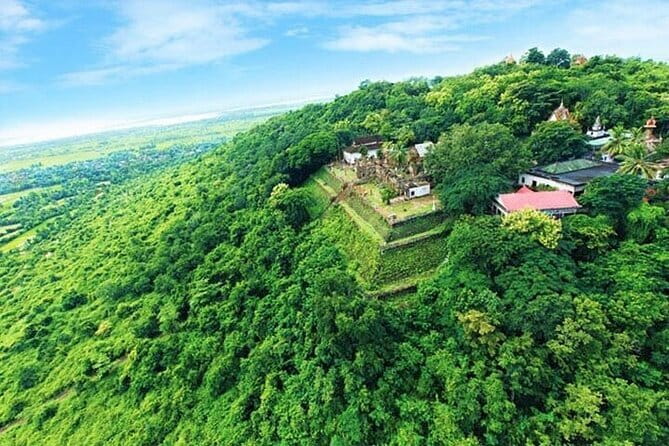
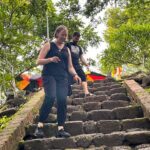
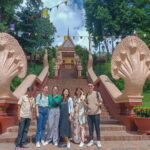
Phnom Chisor is the kind of temple where you feel the builders were thinking about sightlines. It’s an 11th-century site covered with sculptures that you can still see well as you walk through the galleries. I liked that you’re not restricted to a quick look from outside. You can move through the different areas and even enter the worship space, which changes how you understand what you’re seeing.
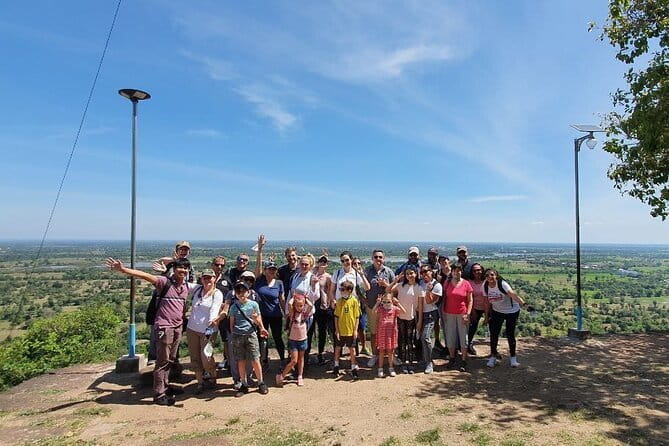
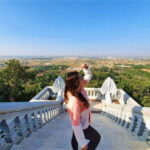
The best reward comes from the back of the temple. There’s a prime spot for photos where the view opens into a vast plain of surrounding rice fields and countryside. That matters more than it sounds, because it turns the temple from isolated ruins into part of a working region—fields, roads, and everyday life stretching out below.
If you’re the type who likes to connect details, here’s what the guide helps you notice: from this vantage, you can look down east and spot an avenue that forms a straight line connecting major elements. The line is described as linking three main features, including two outer temples with a cruciform ground plan and a moat. That kind of alignment makes the site feel planned, not random.
What to watch for: bring a little time and energy for the walk inside. If you rush, you’ll miss the sculptures in the galleries and the way the view at the back reframes the whole complex.
A few more Phnom Penh tours and day trips our team keeps coming back to

The temple alignment lesson you’ll actually remember
A lot of temple visits end with photos and a vague sense of impressiveness. This one pushes you to notice how the pieces relate. The key is the combination of walking the galleries and then stepping into that back-view viewpoint.
When you can see the rice fields and plain around you, the straight-line idea becomes easier to understand. You’re not just looking at carvings; you’re trying to follow the same kind of visual logic that would have mattered when the site was active. The outer temples’ cruciform layout and the mention of a moat give you a mental map. Even if you can’t trace every edge, you’ll walk away with a clearer picture of how Khmer temple planning reads from a distance.
And that’s where the English-speaking guide matters. Instead of listing facts, Soapheak’s approach (pagoda lifestyle, structures, how things function in context) helps you translate what you’re seeing into something meaningful. For your brain, that’s the difference between visiting and understanding.
Prasat Neang Khmau: Angkor-era brick towers beside an active pagoda
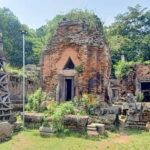
Next comes a different feel: fewer towering walls, more weathered brick, and a stronger sense of everyday presence. Prasat Neang Khmau is described as having two deteriorating brick prasats (towers) built in the Angkorian era in the 10th century under King Jayavarman IV. You stand next to an active pagoda, which adds a living rhythm to the visit.
The temple is linked to Hindu tradition—originally dedicated to the god Shiva. That’s a key detail because it helps explain why the site reads like an Angkor-era spiritual node rather than just a set of ruins. Also, the guide-led context notes the likelihood that there were once more prasats here—probably at least one more, and maybe as many as three additional brick towers. When you see only two today, that possibility adds weight to the remaining structures.
I found the experience most satisfying because it’s not trying to recreate an Angkor postcard. It’s closer to seeing the past in fragments: brick that has lasted, plus a place still used for devotion nearby. That combination makes the site feel honest.
What to watch for: the towers are deteriorating. If you’re expecting dramatic, fully intact architecture, temper the expectations. The value here is interpretive—learning how this shrine fits into Angkorian-era spirituality and then watching it sit alongside ongoing pagoda life.
Ta Prohm Temple: smaller ruins with distinctive Khmer art
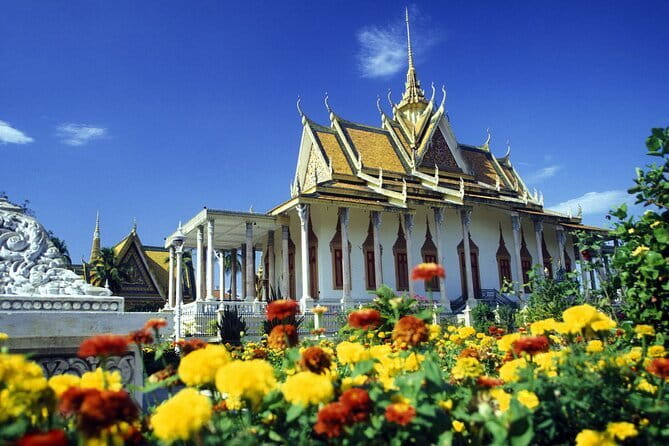
The overall plan also includes Ta Prohm Temple, built during the reign of King Jayavarman VII in the late 12th or early 13th century. This version is described as smaller than the Ta Prohm many people compare it to, but it’s still notable for unique art.
That’s the trade-off and the payoff. When something is smaller, it often means you spend more time looking carefully instead of getting swallowed by crowds. And the way the art is described as unique is your clue to slow down. In practice, that means you’ll want to keep your eyes up and around, not only on the biggest carved faces.
If you like learning how Khmer stonework tells stories, this stop should work well. Even without a huge scale, you’re still inside the creative language of the period—plan, ornament, and religious purpose working together.
Yeay Pov Temple: finishing with another layer of sacred space
Your route description also points to Yeay Pov Temple as the last destination. Unfortunately, the supplied details are lighter here, so I can’t promise specific architectural features. What I can say is that ending on another temple stop keeps the whole day cohesive: you start with Phnom Chisor’s broad view and carved galleries, you move to Neang Khmau’s brick towers tied to Shiva worship, and you close with another sacred site finish.
If you care about finishing strong, treat this as your moment to ask the guide what to prioritize. Since details here are less specific, your best use of time is to pay attention to what the guide focuses on on the ground—often that’s where you’ll learn something you wouldn’t catch from signs alone.
Quick tip: if you have a favorite style of temple art—faces, lintels, carvings—tell your guide early. They can steer you to the most rewarding angles.
Trace more of the past on these Phnom Penh history tours

Tonle Bati: a calm pause at a popular fishing and weekend lake
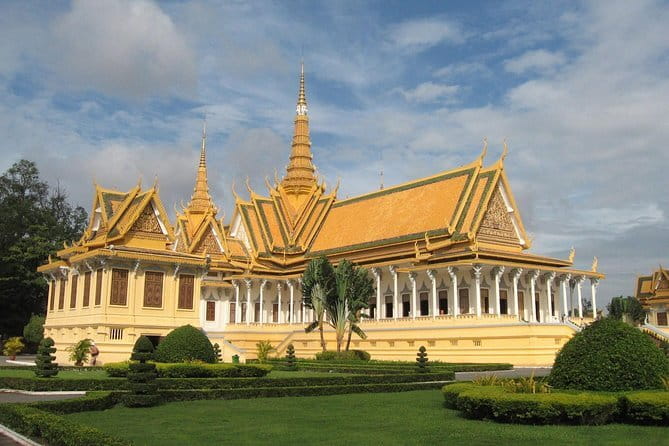
After the sacred sites, the tour includes Tonle Bati, a small lake about 30 km south of Phnom Penh. This is described as a popular weekend destination for local people and also a popular fishing spot for both tourists and locals.
This kind of stop is smart in a day full of stone. Tonle Bati gives you a break from ruins and a chance to see the area as it lives today. Even if you only spend about an hour, the shift helps you reset your eyes and legs.
It’s also where I’d suggest you take your time with simpler observations. Don’t rush for photos of objects; instead, watch the pace around the lake. That’s where Cambodia tends to feel real, fast—less staged, more human.
What to watch for: it’s an outdoor pause, so plan for sun and heat. If you’re sensitive to that, keep your breaks frequent and use any water provided.
How the 8-hour schedule really feels from start to finish
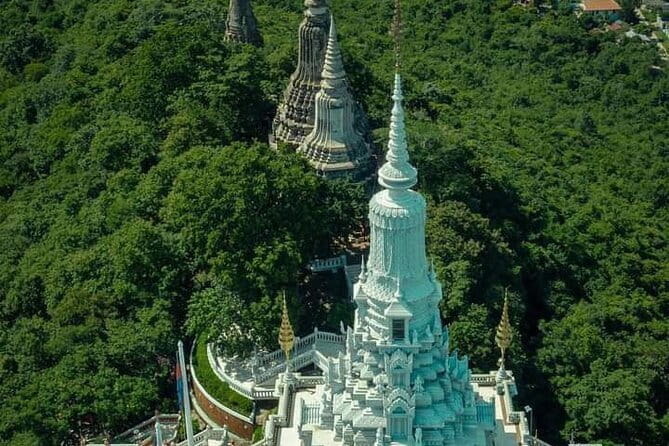
This tour runs about 8 hours, starting at 8:00 am. Travel time is included, and it’s set up as a compact full-day route. In other words, you’re not going to linger for hours at every stop, but you’ll still have enough time to walk key areas and get your bearings.
The pacing works best if you go in with a plan:
- Think of Phnom Chisor as the anchor for views and galleries
- Treat Prasat Neang Khmau as the interpretive stop for Angkor-era brick and active pagoda context
- Use Tonle Bati as your reset
- Let Ta Prohm and Yeay Pov round out the temple arc
Because the day is long but not endless, you’ll get the most out of it if you’re selective about what you photograph. I’d prioritize: view angles at Phnom Chisor, the brick towers at Neang Khmau, and close-up art moments at Ta Prohm.
Consideration: if you’re the kind of traveler who loves long, slow temple wandering, this schedule may feel a bit brisk. Still, it’s a good length for most people who want multiple highlights without turning the trip into a full travel day.
Pickup, comfort, and why a small group is worth it
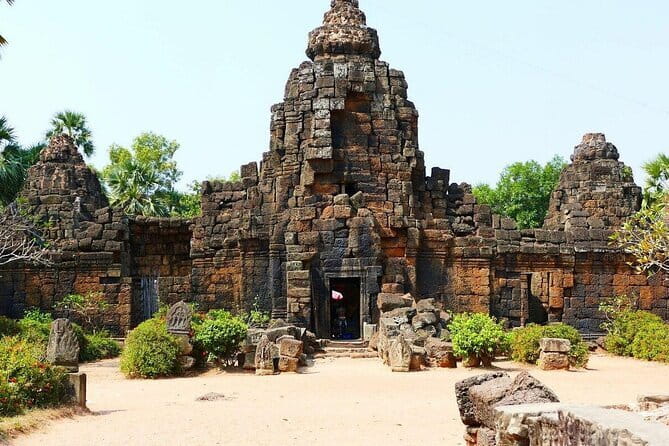
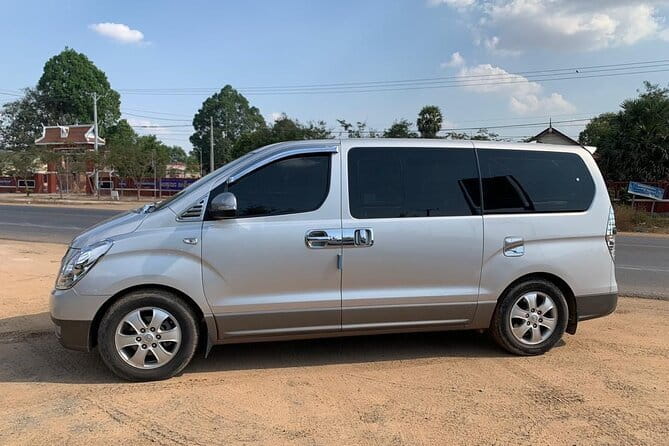
You can get picked up, and transportation is by air-conditioned vehicle described as clean and hygienic. There’s also cool water during the tour, and the driver is described as friendly.
The best practical benefit is group size: it’s a private tour/activity, and only your group participates, with up to five people per group. That usually means you’re not stuck waiting behind a big pack. It also makes the guide more responsive. If something doesn’t click for you—temple alignment, symbolism, why certain structures remain—you can ask directly.
And the guide quality is one of the most praised aspects. The strongest praise includes Soapheak’s depth on pagoda lifestyle and how the surrounding structures work. That’s exactly the kind of guide value that turns a day of walking into a day of understanding.
Price and value: $190 per group with real inclusions
The price is $190 per group (up to 5). For families or friends traveling together, that can be reasonable because you’re paying for a guided circuit with vehicle comfort and admissions handled.
Here’s what’s included:
- English-speaking tour guide
- Air-conditioned transportation (described as clean and hygienic)
- Cool water
- All fees and taxes
Not included:
- Food and beverages
- Travel insurance
- Tipping service to the local guide and driver
- Other personal expenses
So the value equation is simple. You’re not paying extra at each stop for entry (admission is listed as free at the first two temple stops, and Tonle Bati also appears as free within the tour info). Instead, you’re paying for time, interpretation, and transport.
My take: if you’re the type who likes to learn why places are arranged the way they are, the guide value makes this feel more like a cultural lesson than a sightseeing drive. If you’d rather do everything independently with a map, then the price may feel steep. But if you want context, it’s a solid way to spend a day.
Practical tips to make this day easier
A few things can make the day smoother without overthinking it:
- Wear shoes you can walk in. You’ll move through temple galleries and uneven ground around ruins.
- Bring a hat and sun protection. You’ll spend time outdoors at viewpoints and around the lake.
- Plan a snack or light lunch. Food and beverages aren’t included, and you don’t want to be hungry during the most active walking stretches.
- Use the mobile ticket. It’s offered, so keep it accessible on your phone.
- Keep a little cash or plan for tipping. Tipping isn’t included, so decide what feels fair for your group.
Also, start early at 8:00 am if you can. Morning is when temple light usually feels best, and it helps you beat the heat later.
Who this tour fits best
This is a great match if you want:
- Khmer temple sites beyond the most famous names
- A day that combines ruins + real regional life (with Tonle Bati)
- A guided approach that explains what you’re seeing on the ground
It’s also a good fit for first-time visitors to Phnom Penh who don’t want to piece together a bunch of separate trips. And because it’s designed for most travelers to participate, it’s a reasonable choice even if you’re not a hardcore architecture nerd.
If you hate early mornings, or if you need lots of downtime between stops, you may find the pace heavy. For those travelers, a slower multi-day temple plan could suit better.
Should you book this Chiso–Neang Khmao temple tour?
I’d book it if you want a guided day that goes beyond checking boxes. Phnom Chisor gives you that big, memorable view and carved galleries. Prasat Neang Khmau adds the bonus of brick towers beside an active pagoda, with interpretive context that helps the ruins feel alive.
The main reason to hesitate is the mixed info about the final stretch (your overall tour description mentions Ta Prohm and Yeay Pov, while the stop list you’ll see includes Tonle Bati as the third stop). Before you lock it in, double-check your confirmation message so you know exactly which sites are scheduled for your departure.
If you confirm the full route and you’re okay with a full day, this looks like strong value for a small group day trip—especially if a guide like Soapheak’s approach is the kind of travel style you enjoy.
FAQ
Where does the tour start?
It starts at River Crown Restaurant, 357, St. 178, Prehsisovath Quay, Phnom Penh 12206, Cambodia, at 8:00 am.
What’s the duration of the tour?
The tour lasts about 8 hours.
How much does the tour cost?
It’s $190.00 per group for up to 5 people.
Is pickup included?
Pickup is offered.
Is admission included for the stops?
All fees and taxes are included, and the tour info lists admission as free for the temple stops and Tonle Bati.
Do I need to buy a ticket, or can I use my phone?
You’ll use a mobile ticket.
What language is the guide?
The tour includes an English-speaking tour guide.
Is this a private tour?
Yes. It’s private, and only your group will participate.
What should I budget for food?
Food and beverages are not included, so plan to buy them during the day.
FAQ
Is the tour cancelable?
Yes. You can cancel up to 24 hours in advance for a full refund. If you cancel less than 24 hours before the start time, the amount paid is not refunded.
More Tours in Phnom Penh
More Tour Reviews in Phnom Penh

More Phnom Chisor & Tonle Bati Temple Trips in Phnom Penh
Keep browsing: more Phnom Penh tours and day trips our team has reviewed







Phnom Chisor & Tonle Bati Temple Trips, compared.
 ★ 5.0Phnom Chisor & Tonle Bati Private Tours from Phnom PenhFrom $13534 reviews
 ★ 5.0A Day Trip To Phnom Chisor – Tonle Batti From Phnom PenhFrom $6110 reviews
 ★ 4.9One Day Trip to Phnom Da, Ta Prohm Bati, Neang Khmao & ChisoFrom $1436 reviews
 ★ 4.5Prasith and Reap Temples Private Day Trip from Phnom PenhFrom $1173 reviews
Browse the lists this tour appears in