
Reviewed · KILLING FIELDS & GENOCIDE HISTORY TOURS
Phnom Penh: The Killing Fields & Tuol Sleng Genocide Museum
Pol Pot’s shadow still hangs over Phnom Penh. This half-day experience links a van-ride briefing with time at the Killing Fields and the Tuol Sleng Genocide Museum, so you’re not wandering in the dark.
I really like that you get context first, while you’re still comfortable in the air-conditioned van. You’ll also get meaningful pacing at both sites, plus a chance to ask questions and hear survivor stories.
One thing to consider: this is heavy, emotionally intense history. You’ll face graphic reminders of what happened, so come prepared and don’t rush it.
In This Review
- Key things I’d circle before you go
- Why Phnom Penh’s Killing Fields and Tuol Sleng hit so hard
- The drive briefing: getting context before you see anything
- Choeung Ek Killing Fields: mass graves, memorial stupa, and what you’ll see
- Tuol Sleng Genocide Museum: cells, photos, and recovered relics
- Meeting survivors: the human layer that makes the history stick
- Price and value: what $19 really buys (plus tickets)
- How to prep: clothing, questions, and emotional pacing
- What the best guides do (and what you should look for)
- Who should book this, and who should think twice
- Should you book this Phnom Penh tour?
- FAQ
- How long is the tour?
- What does the $19 price include?
- Are entry tickets included for the sites?
- What will I do at the Killing Fields?
- What will I see at the Genocide Museum?
- Is transportation included, and is it air-conditioned?
- What language is the guide?
- If my hotel is not on the pickup list, where do I meet the group?
- What time should I arrive at the meeting point?
- Do I need free cancellation, and how far in advance?
- What should I wear?
Key things I’d circle before you go
- A guide-led briefing on the way out so the sites make sense fast
- Choeung Ek’s memorial stupa and mass graves with time to pay respects
- Tuol Sleng’s small rooms and cells plus photos and recovered relics
- Chance to meet survivors for human-scale stories, not just dates
- Air-conditioned van and water so you can focus on the experience
- Time to ask questions instead of being pushed through on autopilot
Why Phnom Penh’s Killing Fields and Tuol Sleng hit so hard
This tour is built around two places that Cambodia has kept visible on purpose: one outside the city at Choeung Ek (the Killing Fields), and one in town at Tuol Sleng (the Genocide Museum). Both point back to the Khmer Rouge era (1975–1979), when violence and forced imprisonment changed lives in ways that still echo.
What makes it gripping is the timeline you experience in order. You start with the story of Pol Pot’s regime, then you see the physical traces left behind, and finally you’re inside the system that processed prisoners. The emotional weight is not the same at every stop, but the message stays consistent: this wasn’t ancient history. It’s less than 50 years ago.
You should also know the goal here isn’t spectacle. The visit is designed around respect: memorial areas, time to reflect, and guides who handle the subject with sensitivity.
To learn more about Phnom Penh's recent history, these guided visits cover the S-21 and Choeung Ek memorial sites
The drive briefing: getting context before you see anything
The day starts in Phnom Penh with pickup from a long list of hotels. If your hotel is on the list, you wait in the lobby until the guide arrives. If it’s not, the meeting point is 178 Corner Sisovat quay, Riverside Path, Phnom Penh 120201, and you’re expected at 7:45am for the morning session or 12:45pm for the afternoon session.
Either way, the van ride isn’t just transit. You’ll sit in an air-conditioned vehicle and listen to your guide’s presentation on Pol Pot and his regime as you travel out to the Killing Fields. That matters because it slows down your brain. Before you see the sites, you understand who controlled what, what the Khmer Rouge believed, and why so many people ended up trapped in a brutal state plan.
I also appreciate the basic comfort details. You get water, and the transport is praised as comfortable and well-run. When the subject is intense, small things like feeling cool and hydrated help you stay present.
Choeung Ek Killing Fields: mass graves, memorial stupa, and what you’ll see
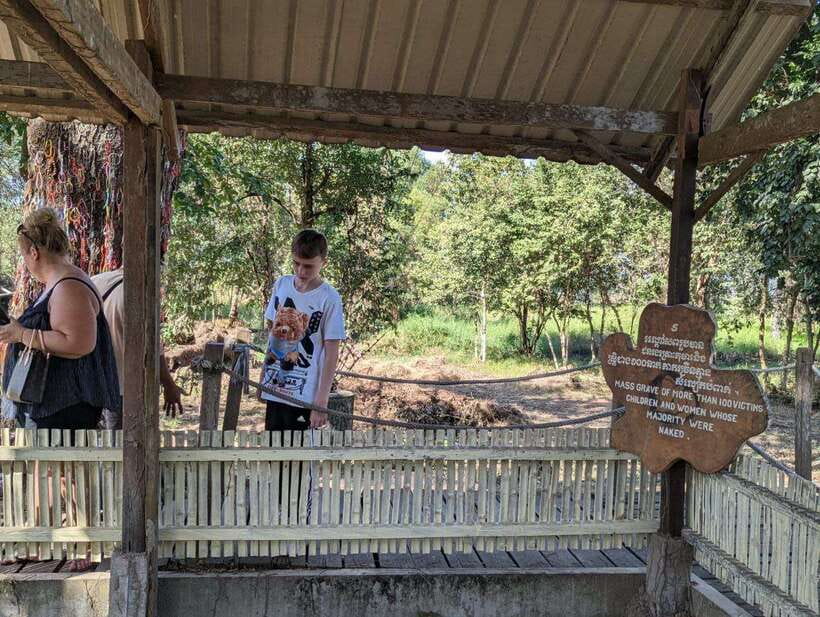
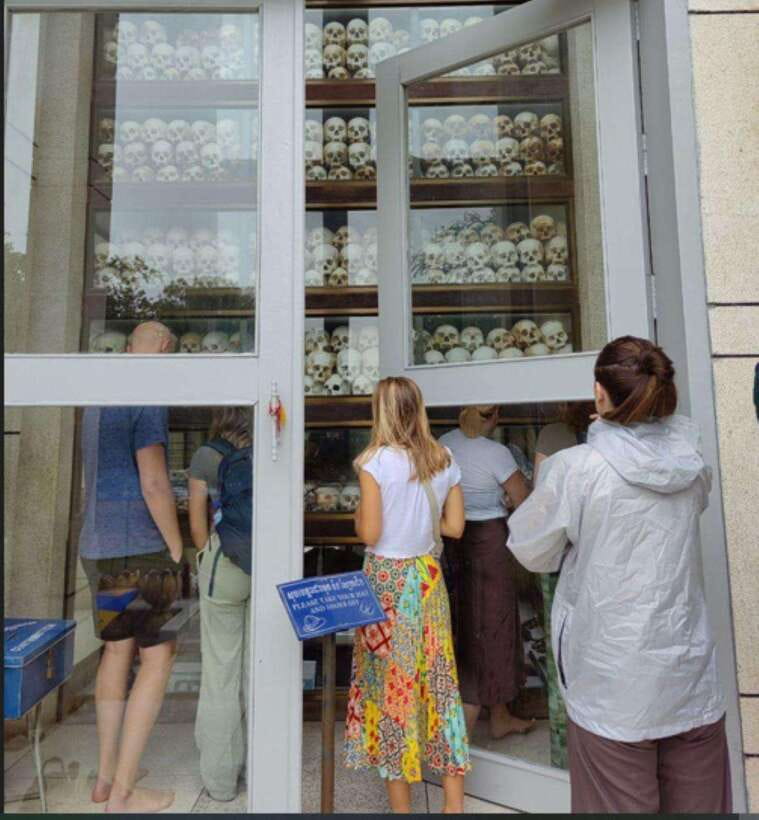
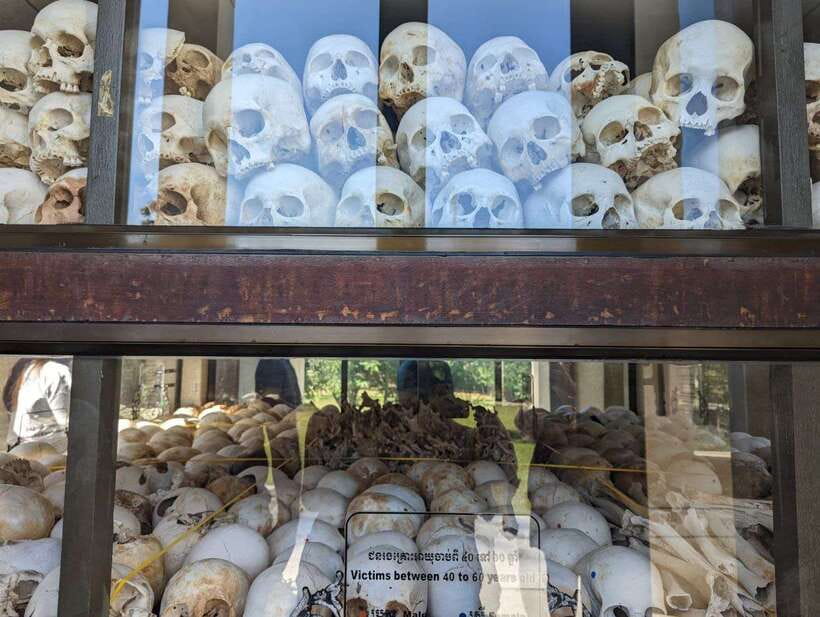
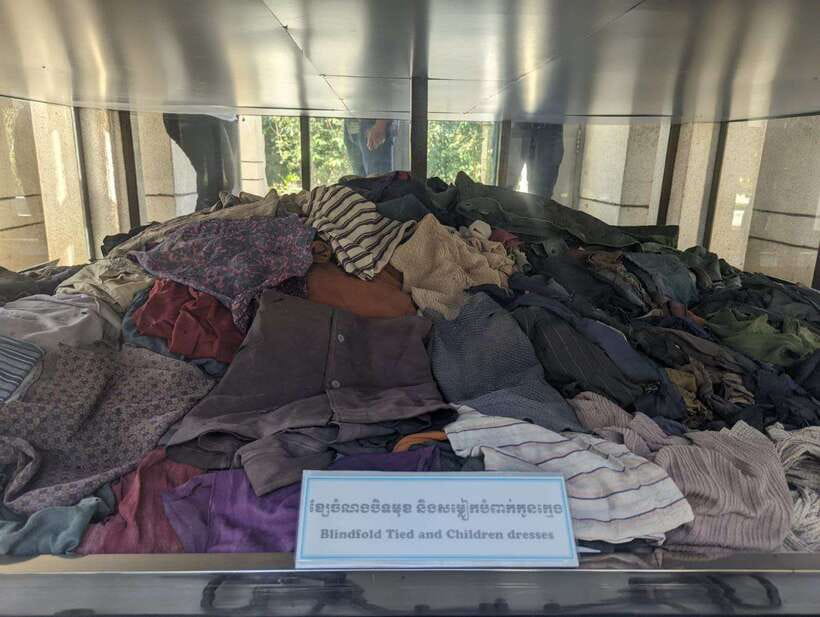
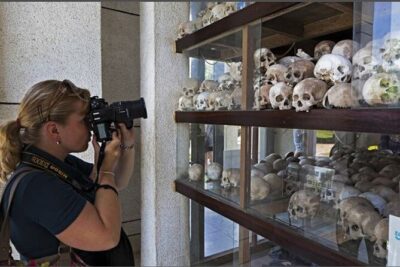
At Choeung Ek, the tour gives you around one hour on site. This is the part people often describe as chilling, and for good reason. Here, the reminders are close and direct, including bones and clothing rags left by victims. You’re not looking at a staged set. You’re looking at what remains.
You’ll make stops at mass graves and the memorial stupa. Those stops are important because they give you a structure: one moment is about seeing what’s there, and the next is about acknowledging the dead. You’ll have time to pay respect rather than being rushed from one photo angle to the next.
A key tip: treat it like a reflection walk, not a checklist. Bring questions, but also give yourself permission to pause. If your guide offers context at each stop, listen first, then ask. It usually lands better that way, especially when you start seeing how victims were grouped and why the memorial layout matters.
Tuol Sleng Genocide Museum: cells, photos, and recovered relics
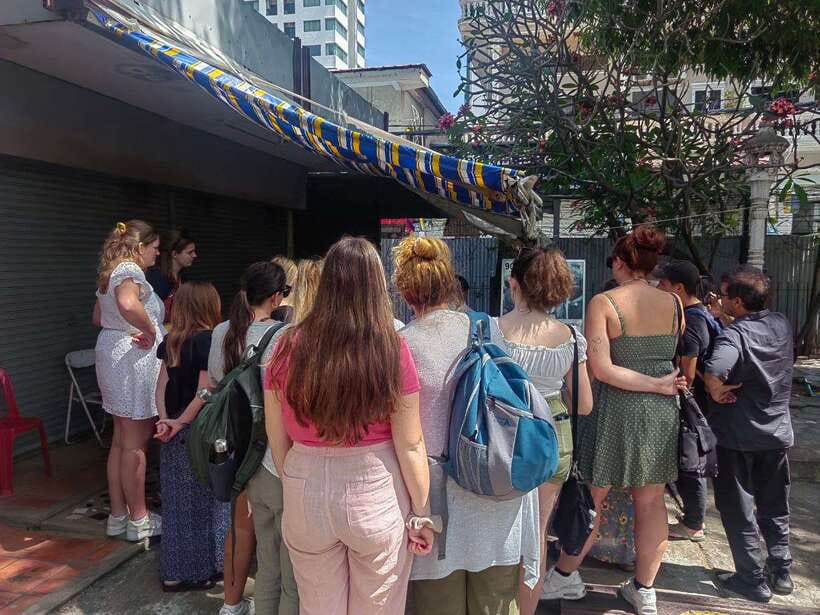
After Choeung Ek, you head back into Phnom Penh for the Tuol Sleng Genocide Museum for about two hours. This stop shifts from outdoor remnants to an indoor view of the prison system.
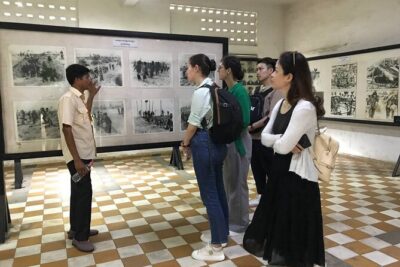
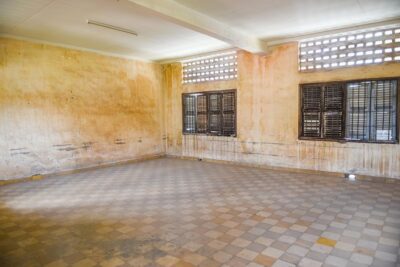
You’ll learn more about the Khmer Rouge regime and the prisoners who were held there. The museum includes small rooms and cells where prisoners lived, along with photos from the time and relics recovered from that period. The effect is different than Choeung Ek. Instead of open ground, you’re facing confinement—space measured in how little control prisoners had over even basic movement.
Some guides also connect what you’re seeing to what it meant in practice: how prisons worked as part of the larger system, why documentation mattered, and what the regime aimed to accomplish. You can usually ask questions here too, and that’s where an engaged guide really changes the experience.
One practical consideration: museum time can feel mentally loud. It’s easy to speed up through rooms just to protect yourself. I’d rather go slow and let your guide’s explanation help you pace what you’re seeing.
Meeting survivors: the human layer that makes the history stick
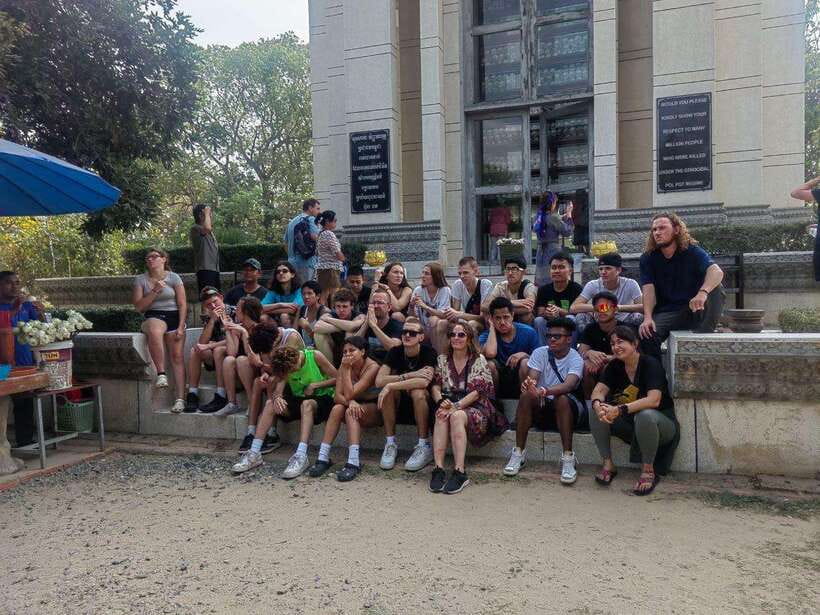
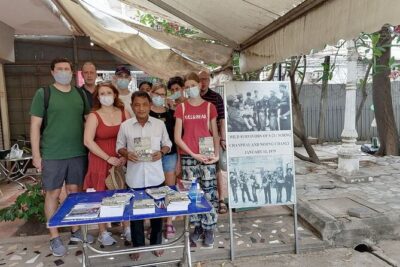
One of the most meaningful parts of this tour is that you get a chance to meet some of the survivors. The exact moment depends on the visit, but it’s built into the experience as a possibility.
Hearing survivor stories changes the whole tone. It turns dates and regimes into people with names, routines, and loss—plus the specific details of how they managed to survive. Several guides are praised not only for factual clarity, but for the way they handle these conversations gently, so you don’t feel like you’re interrupting grief.
If you’re the type who gets emotional quickly, that’s normal. This is the kind of day where your head and heart both respond. If you need a reset, tell your guide you want a minute. In this kind of setting, that short breath can help you absorb without shutting down.
Step inside more of Phnom Penh's museums and galleries
Price and value: what $19 really buys (plus tickets)
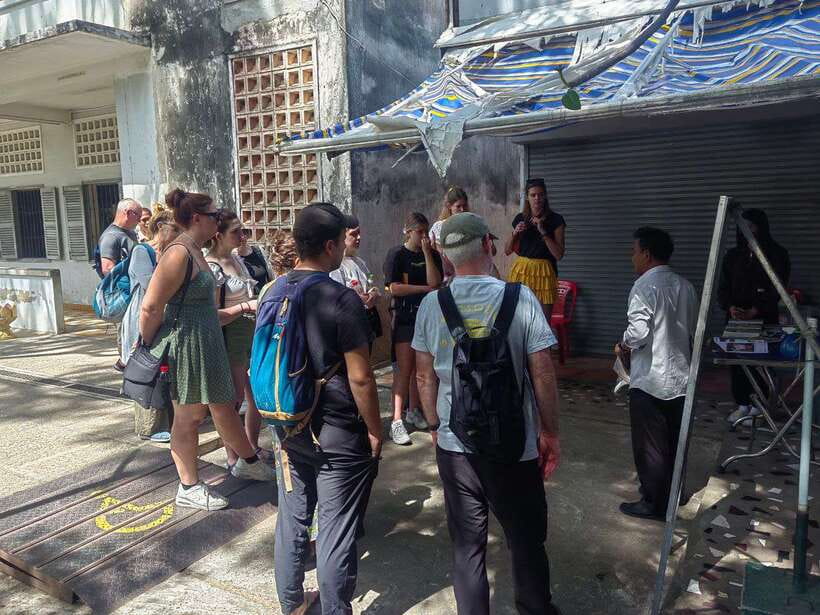
The tour price is listed at $19 per person, for a duration of about four hours. Included in that price: pickup and drop-off, an air-conditioned van, a tour guide, and water.
Entry tickets aren’t included: $3 for the Killing Fields and $5 for the Genocide Museum. So your total outlay for the core sites is closer to $27, plus whatever you choose to eat.
Is that good value? For Phnom Penh, yes—if you want more than audio and more than a self-guided “walk and read.” The guide briefing on the way out, the respectful pacing, and the Q-and-A time are the parts you can’t easily replicate on your own. Also, many people end up spending time trying to piece together context between the two sites. A guide prevents that time-waste and connects the dots while you’re still on the ground.
How to prep: clothing, questions, and emotional pacing
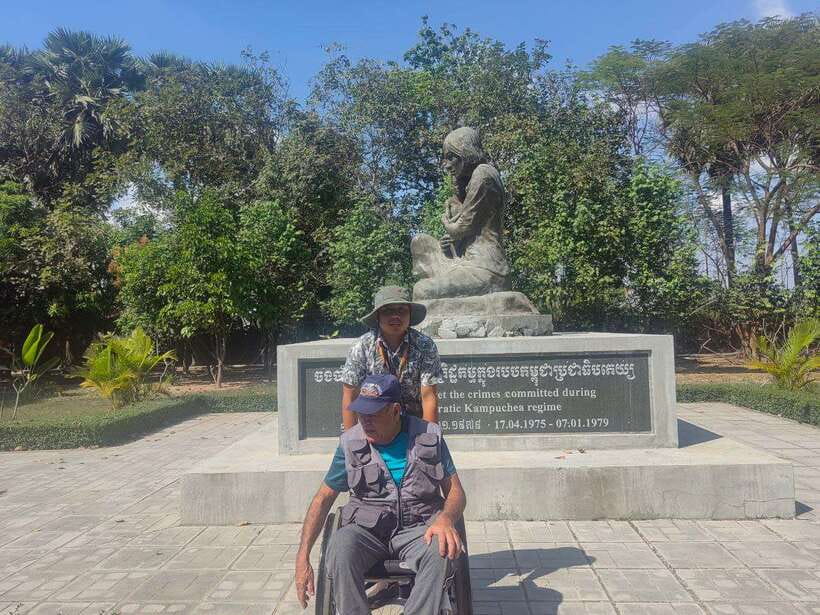
This tour asks for basic respect in how you show up. You should dress properly by covering your shoulders and knees. It’s also simply smarter for comfort at Cambodian heat levels.
Before you go, I’d come with two categories of questions:
1) big-picture questions (how the Khmer Rouge controlled daily life, why people were targeted)
2) on-site questions (what a memorial element signifies, what prisoners’ rooms were like, how to interpret photos)
Guides often do their best work when you ask. Names like Baboon and Sum Cheath come up frequently in accounts of this tour, and they’re repeatedly described as sensitive, warm, and willing to answer questions.
One more prep step: plan your afternoon lightly afterward. This is the sort of experience that can stick with you for hours, and sometimes longer. If you schedule a bar hop right after, your brain may not cooperate.
What the best guides do (and what you should look for)
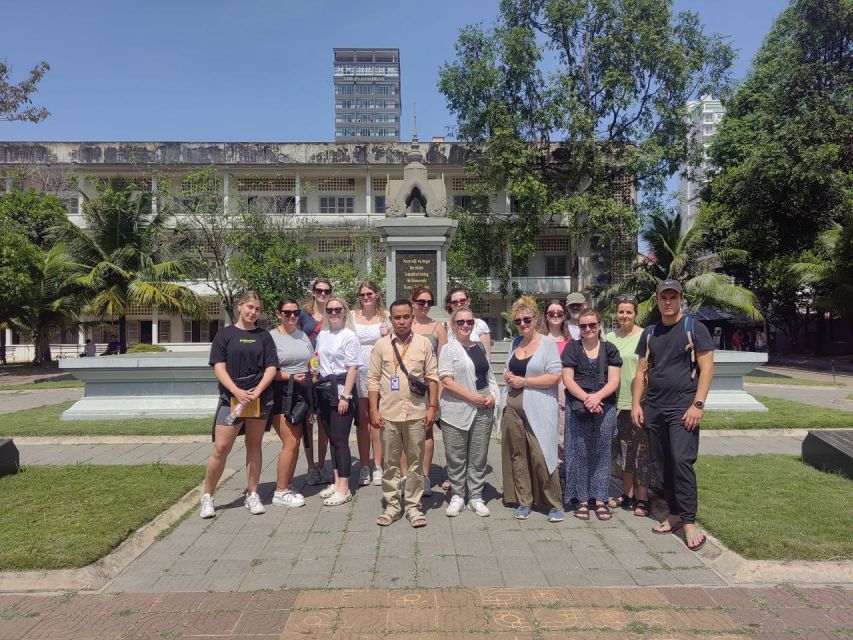
You’ll likely meet one of several guides, including Baboon, Sum Cheath, Visal, and sometimes guides like Powerful Monday are mentioned in accounts. Across these names, the consistent praise is how the tour balances facts with care.
Here’s what I’d personally look for while you’re in the van:
- do they give context before the sites get graphic?
- do they explain why specific stops exist?
- do they slow down when someone asks a question?
- do they maintain a respectful tone around survivors and victims?
You’re not just paying for narration. You’re paying for interpretation, pacing, and emotional handling. In places like these, those skills matter as much as the information.
Who should book this, and who should think twice
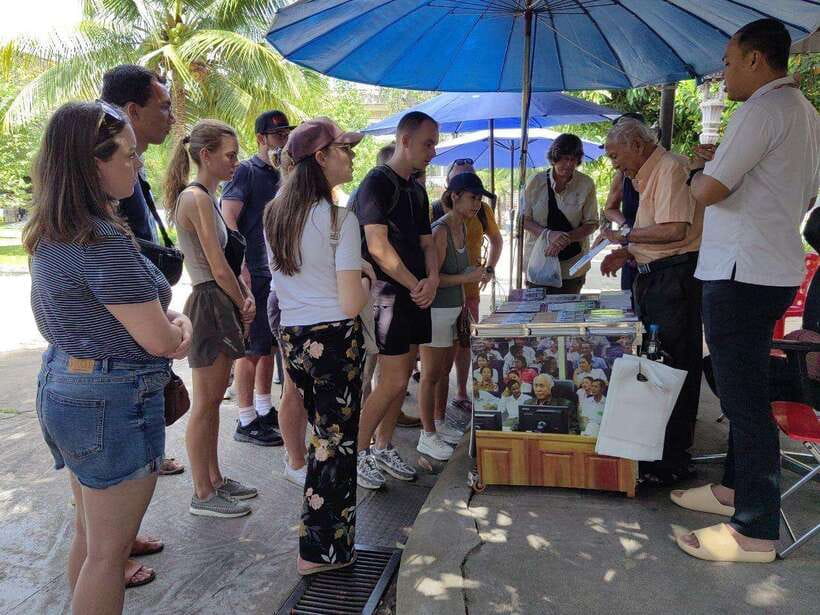
This tour fits you best if you:
- want a clear, guided connection between Choeung Ek and Tuol Sleng
- appreciate a structured visit where you’re not rushing through heavy content
- feel okay spending a few hours in a sober setting with time to reflect
It may not be ideal if you:
- prefer purely self-paced sightseeing with minimal emotional prompting
- know you’re likely to struggle with graphic, real-world reminders
- need a very light itinerary that day
That said, if your main goal is to understand what happened in Cambodia between 1975 and 1979 and to do it with respect, this is one of the most direct ways to get there from Phnom Penh.
Should you book this Phnom Penh tour?
Yes, I think you should book it if you want more than a quick stop. The value isn’t only the sites. It’s the guide-led flow: a Pol Pot introduction on the drive, time at mass graves and the memorial stupa, then the museum’s cells, photos, and recovered relics, plus a chance to meet survivors.
If you’re on the fence, choose it over audio-only options when possible. You’ll get help interpreting what you’re seeing, and you’ll be allowed to ask questions instead of feeling like you’re reading your way through someone else’s tragedy.
Just plan your mindset. This is important history, and it can be intense. Go prepared to slow down, ask questions, and let the day be what it is.
FAQ
How long is the tour?
The tour lasts about four hours, with time spent at both the Killing Fields and the Genocide Museum.
What does the $19 price include?
The price includes pickup and drop-off from a meeting point or hotel (based on the pickup list), an air-conditioned van, a tour guide, and water.
Are entry tickets included for the sites?
No. Entry tickets are not included in the $19 price. The Killing Fields ticket is listed at $3 and the Genocide Museum ticket at $5.
What will I do at the Killing Fields?
You’ll visit Choeung Ek and spend about one hour there, including stops at mass graves and the memorial stupa. You’ll also have time to look around respectfully.
What will I see at the Genocide Museum?
At Tuol Sleng Genocide Museum, you’ll learn about the regime and prisoners, and see small rooms and cells, along with photos from the time and relics recovered from that period.
Is transportation included, and is it air-conditioned?
Yes. The tour includes an air-conditioned van for travel between Phnom Penh and the sites.
What language is the guide?
The tour guide provides the experience in English.
If my hotel is not on the pickup list, where do I meet the group?
You should go to the meeting point at 178 Corner Sisovat quay, Riverside Path, Phnom Penh 120201 if your hotel isn’t listed.
What time should I arrive at the meeting point?
The instructions list 7:45am for the morning tour and 12:45pm for the afternoon tour.
Do I need free cancellation, and how far in advance?
Free cancellation is listed as available up to 24 hours in advance for a full refund.
What should I wear?
You’re asked to dress properly by covering your shoulders and knees as a sign of respect.
More Phnom Penh Museums & Galleries to Bookmark
More Tour Reviews in Phnom Penh

More Phnom Penh History & Remembrance Visits
Keep browsing: more Phnom Penh tours and day trips our team has reviewed






Killing Fields & Genocide History Tours, compared.
 ★ 5.0The Killing Field and Toul Sleng Genocide Museum (S21) TourFrom $191,977 reviews
 ★ 5.0Killing field and Toul Sleng genocide museum TourFrom $19610 reviews
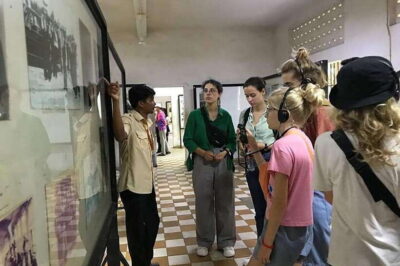 ★ 4.8killing field & Toul Sleng genocide museum TourFrom $19540 reviews
 ★ 4.9Highlights Tour Including S21 and Killing FieldsFrom $30453 reviews
 ★ 5.0Visit 11 Places in One Day including S21 & Killing FieldFrom $30361 reviews
 ★ 4.9Royal Palace, S21, Killing Fields & More TourFrom $35295 reviews
 ★ 4.0Killing Fields and Prison S21 Bus TourFrom $15206 reviews
 ★ 5.0Tuol Sleng Genocide Museum (S-21) and Choeung Ek Killing Fields TourFrom $19123 reviews
Browse the lists this tour appears in