
Reviewed · KILLING FIELDS & GENOCIDE HISTORY TOURS
Visit 11 Places in One Day including S21 & Killing Field
Phnom Penh in one hard, meaningful day. This 8 to 9 hour tour stacks 11 key sights in a single plan, with a guide who helps you understand what you’re seeing instead of just snapping photos and moving on. You’ll cover temple life, royal-city landmarks, and the emotional centerpiece of Cambodia’s recent history.
I love how the day is built for momentum without feeling like you’re constantly rushing, and the included drinks help you keep going (cold water, soda, and Cambodian beer after 12 o’clock). A big plus is the way guides like Sophoarn, Pum, and Lee explain each stop clearly, sometimes using tools like an iPad to set context before you enter.
The main trade-off is time pressure. It’s a group schedule with a lot packed in, and that can feel long—especially during the afternoon heat—if you want extra minutes to sit with what you’re seeing at the Killing Fields.
In This Review
- Key things to know before you go
- Why this 11-stop Phnom Penh plan works when time is tight
- Price and entrance fees: what the $30 really turns into
- Getting around: pickup, tuk-tuk vs van, and why the schedule matters
- Wat Phnom, Ounalom, and the National Museum: early highlights before the emotions
- Royal Palace area, Botum Park monument, and Diamond Island city views
- Sihanouk’s statue, Independence Monument, and the “why this city looks like this” moment
- Tuol Sleng (S21) and the Killing Fields: the hardest part, handled with structure
- Russian Market at the end: shopping with a real Phnom Penh texture
- Drinks, lunch, and comfort tips for an 8 to 9 hour day
- Which guide makes the difference: Sophoarn, Pum, and Lee
- Should you book this Phnom Penh day tour with S21 and the Killing Fields?
- FAQ
- How long is the tour?
- What’s included in the $30 price?
- Are entrance fees included?
- Where does the tour include pickup and drop-off?
- Do I need cash for entrances?
- Is lunch included?
- What’s the cancellation rule?
Key things to know before you go
- 11 stops in one day means efficient route planning, but expect a pace that won’t suit slow wandering
- S21 and the Killing Fields are the emotional center, with about 2 hours each for the museums’ experience
- Cash-only entrance fees: Wat Phnom is $1, S21 is $10, and Killing Fields is $6, paid in USD or riel
- Included drinks keep you comfortable: bottled cold water, Coke, and Cambodian beer after 12
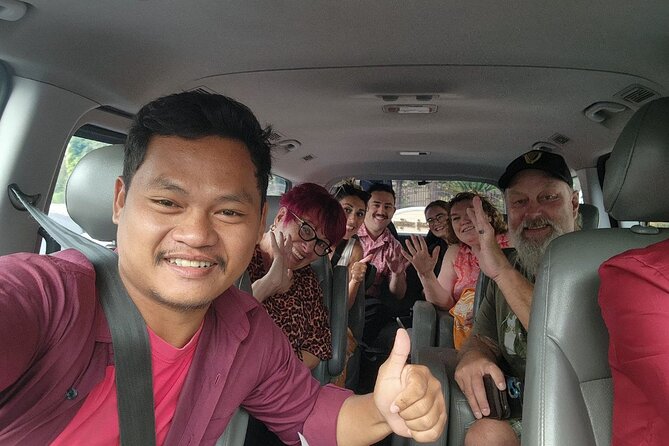
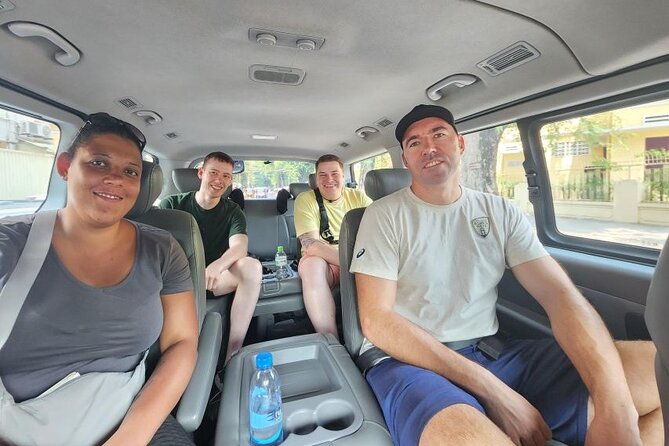
- Small group size (max 7) helps the guide manage timing and answer questions
- Guide is also your driver, so explanations happen as you travel between sites
Why this 11-stop Phnom Penh plan works when time is tight
If you’re in Phnom Penh for just a day, this tour makes a strong case: it hits the major sights in a logical order, without you needing to stitch together tuk-tuks, tickets, and backtracking. You start early at 8:00 am, so you’re not fighting the strongest daytime sun right away.
The best part is that you don’t just get drop-offs. Your driver also serves as the guide, and the tour is designed around explanations at each stop—temple legends, royal-era details, and the meaning behind monuments. That matters in Phnom Penh because so much of the city’s layout feels like history in motion: temples, government spaces, parks, and memorial sites are close enough that the contrast hits hard.
The day is also structured so the lighter sightseeing doesn’t completely erase what comes later. You’ll do temples, palaces, and city landmarks first, then shift into the heavy material at Tuol Sleng (S21) and Choeung Ek (the Killing Fields). That flow gives you mental breathing room—still serious, but not thrown into the hardest parts without context.
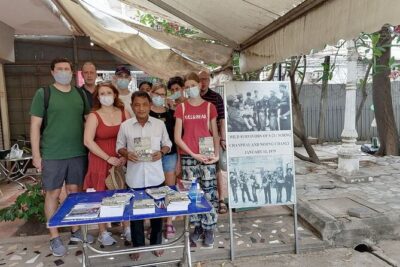
To learn more about Phnom Penh's recent history, these guided visits cover the S-21 and Choeung Ek memorial sites
Price and entrance fees: what the $30 really turns into
The tour price is $30 per person, and it includes transport (tuk-tuk or small-group van options), hotel pickup and drop-off for city center locations, and included drinks: bottled cold water and Coke, plus Cambodian beer after 12 o’clock.
What’s not included is the cash entrance fees for three major sites:
- Wat Phnom: $1
- Tuol Sleng Genocide Museum (S21): $10
- Choeung Ek Genocidal Center (Killing Fields): $6
That means your expected extra entrance cost is about $17 per person, paid in cash only (USD or riel), not by card. Lunch is optional, so you can choose whether to eat and where.
For value, the key is that those entrance fees fund the experiences that can’t really be replicated on your own at the same time. Add in that you’re visiting 11 places with a guide-driver doing explanations during transit, and the $30 price starts to look less like a bargain and more like a practical buy—especially if you’d otherwise spend hours organizing multiple rides and tickets.
Getting around: pickup, tuk-tuk vs van, and why the schedule matters
Your pickup and drop-off are city center only, which is useful if you’re staying near the main hotel areas. The tour also runs as a group experience with a max of 7 travelers, so timing stays controlled.
You can choose between private tuk-tuk or a small-group van option (the tour notes both as choices). Practically, a van often makes the long day feel easier, especially when traffic slows things down. On the other hand, a tuk-tuk can feel more flexible and local—though you still need to follow the route timing because this is a multi-stop day.
Because the tour is designed around visiting many sites in one run, you should expect a fixed sequence and time limits at each stop. That’s great for coverage, but it does mean you can’t treat the day like a choose-your-own-adventure. If you know you want extra time at the Killing Fields, you’ll need to plan for that within the tour’s allotted pace—or be okay with a shorter stop and then returning later on your own.
Wat Phnom, Ounalom, and the National Museum: early highlights before the emotions
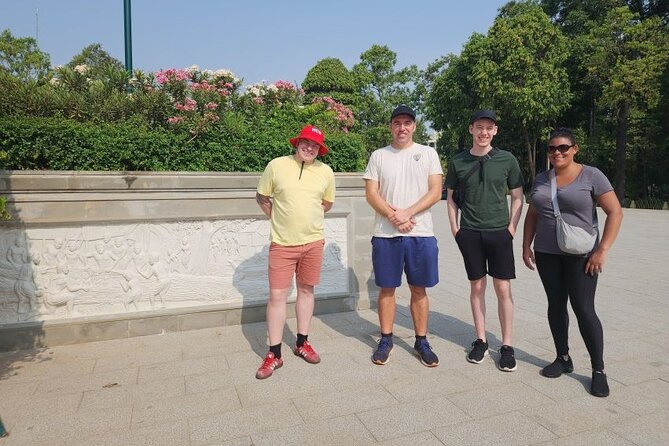
The day begins at Wat Phnom, a major historical landmark in Phnom Penh. You’ll learn about the Lady Penh statue and its story before climbing the steps. There’s a small entrance fee here (cash only, $1), and it’s one of the first places where you start to feel Phnom Penh’s mix of spirituality and civic identity.
Next is Wat Ounalom, one of the most important monasteries in the city. It was built in 1442, after the capital was founded in 1434 by King Ponhea Yarth. This stop is free, and the focus is on understanding why the monastery matters—not just photographing the architecture.
Then you’ll head to the National Museum for an exterior-only photo stop. The museum is known for traditional Cambodian construction style and was built in 1920 during French colonial rule. Even with the short time here, it gives you a helpful framework for thinking about Cambodia’s art and cultural presentation—without turning the day into a museum marathon.
These first three stops act like orientation. You see key religious spaces, you learn why they’re placed where they are, and you get a sense of how Phnom Penh uses landmarks to explain identity.
Royal Palace area, Botum Park monument, and Diamond Island city views
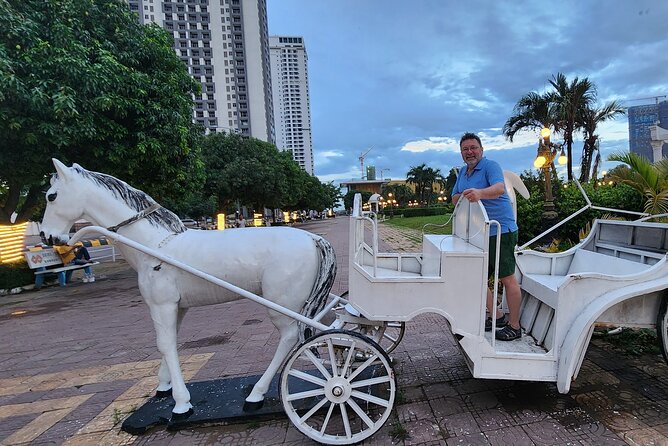
After the museum and monasteries, the tour shifts to Phnom Penh’s power and public spaces.
At the Royal Palace, you’ll mainly enjoy the exterior views and the surrounding public park area where locals gather. The stop is short (about 10 minutes), but the value is in seeing how the palace area functions as both a symbolic seat of history and a lived-in public space.
Next is the Cambodia–Vietnam Friendship Monument at Botum Park. It’s a large concrete monument commemorating the alliance between the two countries. It’s a quick photo-and-explanation stop (about 10 minutes) rather than a long sit-down, but it helps you connect modern Cambodian history to visible city geography.
Then comes Koh Pich City Hall on Diamond Island. This area is close to other landmarks, and you’ll pass sights along the way, including a patriarch of monk statue, a Buddhist institute nearby, and views toward new skyscrapers. It’s about 30 minutes, which gives you time to appreciate the contrast: old forms of belief and civic identity meeting newer development around the water.
If you like cities that feel layered instead of purely historical, this stretch is a good balance. It keeps the day moving while adding meaning between photo stops.
A few more Phnom Penh tours and day trips our team keeps coming back to


Sihanouk’s statue, Independence Monument, and the “why this city looks like this” moment
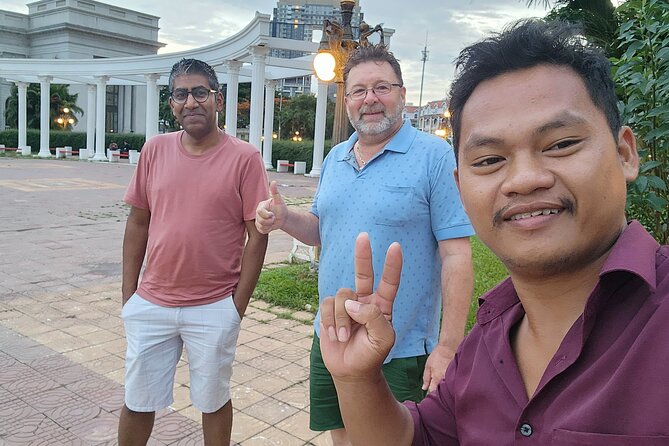
Two small stops in the middle of the route help you read Phnom Penh faster.
The Statue of King Father Norodom Sihanouk is a bronze statue built in 2013, after his death in October 2012. It’s located in the largest park in Phnom Penh. It’s about 10 minutes, but the explanation helps turn it from a landmark into a piece of modern national storytelling.
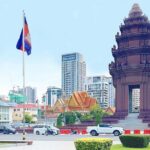
Then you’ll visit the Independence Monument, built in 1958 and finished in 1962. It marks independence from French colonial rule. Because it sits on a major intersection, it’s also a practical landmark: you’ll see how monuments in Phnom Penh are placed where roads—and daily movement—force constant reminders.
Together, these stops show you a city where monuments aren’t tucked away in quiet corners. They’re woven into traffic, public space, and the rhythm of everyday life.
Tuol Sleng (S21) and the Killing Fields: the hardest part, handled with structure
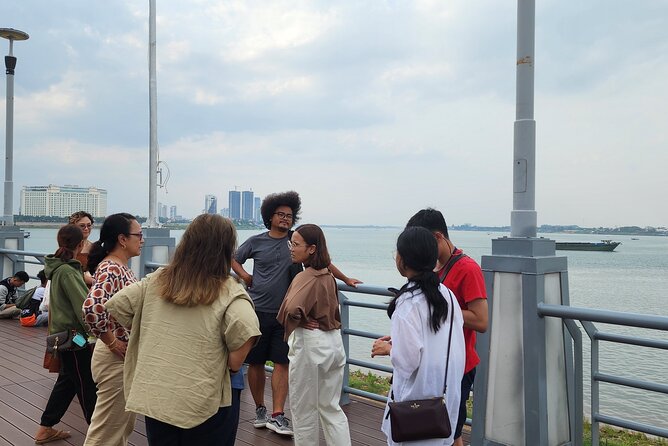
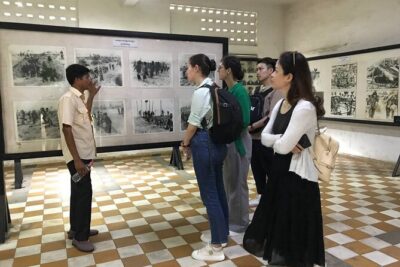
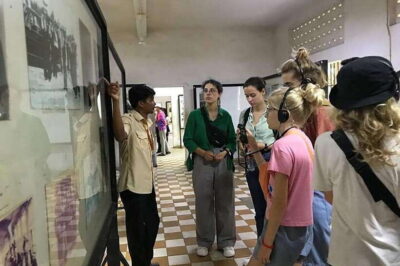
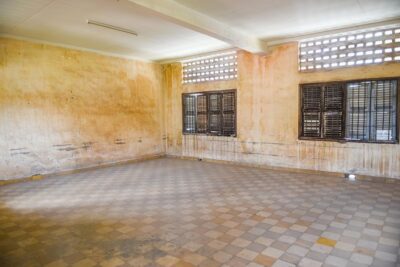
This is the part of the day that you’ll remember most. Tuol Sleng Genocide Museum (S21) was originally a high school built in 1960, then converted into a detention center by the Khmer Rouge in 1975. The tour sets aside about 2 hours here, and the aim is understanding how the site functioned and what happened there.
Because this is heavy material, the value of a guide is not just historical facts—it’s pacing. You’ll be led through the space with context, so the visit doesn’t feel like you’re staring at details without a map for what they mean.
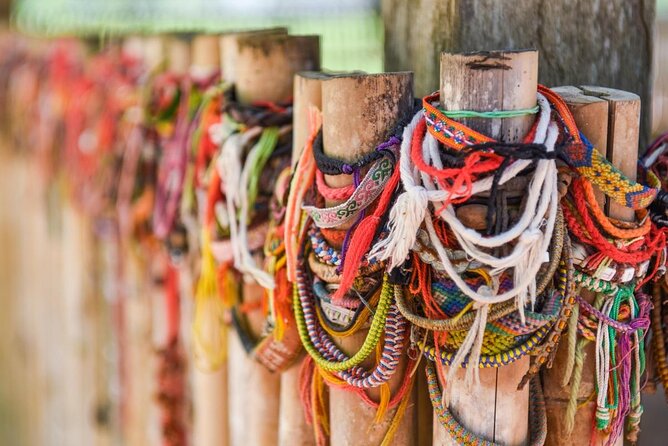
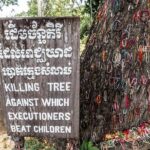
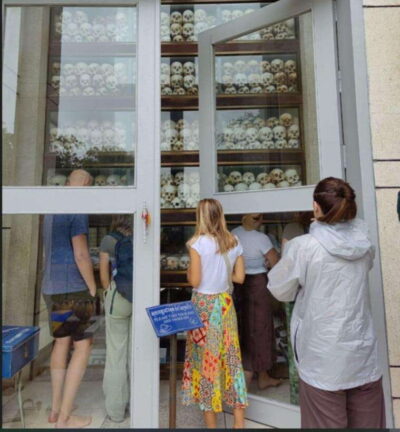
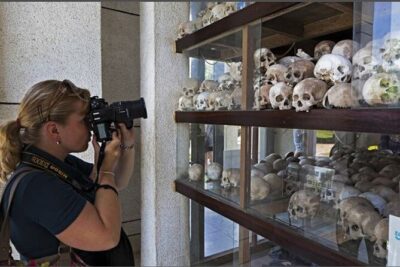
After S21, you’ll travel about 15 km out of the city to Choeung Ek (the Killing Fields). The tour allocates about 2 hours there too. The Killing Fields is where the Khmer Rouge sent around 20,000 people to be killed after detention at S21. Before you start the audio guide tour, you’re escorted to see a documentary.
That audio component matters. It lets you slow down at your own pace within the tour’s schedule. If the day feels intense—and it will—this structured mix of guide context plus audio narration helps you process without losing your place.
One practical consideration: because the sites are fixed in time and distance, heat and emotional fatigue can stack up. Bring patience for yourself. You’re doing the work of remembrance, not a sightseeing checklist.
Russian Market at the end: shopping with a real Phnom Penh texture
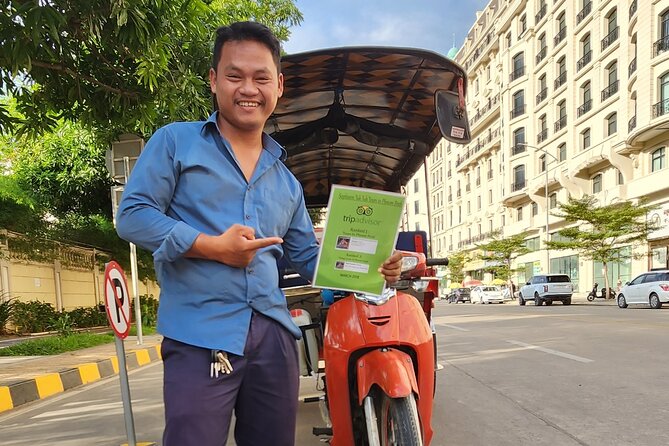
After all the historical weight, the tour finishes with Russian Market (Central Market). This stop gives you a calmer, everyday-feeling window for about 30 minutes.
Inside, you can look at Khmer products brought by local businesses and organizations. Even if you don’t buy much, it’s a useful way to reset your brain after memorial sites. You also get a sense of how Phnom Penh turns daily commerce into culture—how the city breathes once the tour bus stops.
Drinks, lunch, and comfort tips for an 8 to 9 hour day
Comfort can make or break a long day like this. The good news: you get bottled cold water and Coke, plus Cambodian beer after 12 o’clock. It’s a small thing, but on a day that mixes stairs, walking, and emotional sites, staying hydrated helps.
Lunch is optional. Some guides may suggest where to eat, so I’d treat lunch as part of your comfort plan: pick something you can digest easily and don’t overthink it, because the afternoon still includes two major memorial stops.
From the practical side, wear comfortable shoes. You’ll climb steps at Wat Phnom and be on your feet through multiple stops. Also plan for the fact that the tour follows a set schedule—so if you’re sensitive to heat, your best move is to start hydrated and keep moving.
Which guide makes the difference: Sophoarn, Pum, and Lee
This tour often lives or dies on how the guide explains Phnom Penh. The names that come up again and again are Sophoarn, Pum, and Lee—and there are patterns in what they deliver.
Sophoarn is noted for strong English and using tools like an iPad to set context before you enter key sites. Pum is praised for keeping the day smooth in an air-conditioned mini van and answering questions with humor while still handling the memorial sites seriously. Lee is highlighted for safety and clear explanations while driving you between far-apart stops.
What you should look for, no matter the guide, is clarity and respect—especially for S21 and the Killing Fields. A good guide doesn’t rush the sites for the sake of the schedule. They keep you oriented so you leave with understanding, not confusion.
Should you book this Phnom Penh day tour with S21 and the Killing Fields?
I think this is worth booking if you meet any of these conditions:
- You only have one day to see Phnom Penh’s major highlights
- You want a guide-driver to connect sites to meaning, not just deliver you to entrances
- You’re okay with an emotionally intense day, because the route includes S21 and the Killing Fields
- You like a plan that reduces decision-making and logistics
I’d hesitate if you need a slower rhythm or want long, private time at memorial spaces. The tour is designed for coverage, not lingering flexibility, and the group schedule means you’ll likely stick to set time windows.
If you do book it, come prepared: bring cash for the three paid entrances, dress respectfully for religious and memorial sites, and treat the day as two halves—a city orientation first, then a serious act of remembrance.
FAQ
How long is the tour?
The tour runs about 8 to 9 hours starting at 8:00 am.
What’s included in the $30 price?
It includes hotel pickup and drop-off (city center only), a guide who also serves as your driver, bottled cold water and Coke, Cambodia beer after 12 o’clock, and explanations at every part of the tour. You’ll also receive a mobile ticket.
Are entrance fees included?
No. Entrance fees are not included for Wat Phnom ($1), Tuol Sleng Genocide Museum / S21 ($10), and Killing Field / Choeung Ek ($6).
Where does the tour include pickup and drop-off?
Pickup and drop-off are offered in the city center only.
Do I need cash for entrances?
Yes. Entrance fees are accepted only in cash (USD and riel), not by card.
Is lunch included?
Lunch is optional, meaning it’s not included in the tour price.
What’s the cancellation rule?
You can cancel for a full refund if you cancel at least 24 hours before the experience starts.
More 1-Day Tours in Phnom Penh

More Tour Reviews in Phnom Penh


More Phnom Penh History & Remembrance Visits
Keep browsing: more Phnom Penh tours and day trips our team has reviewed





Killing Fields & Genocide History Tours, compared.
 ★ 4.8The Killing Fields & Tuol Sleng Genocide MuseumFrom $193,337 reviews
 ★ 5.0The Killing Field and Toul Sleng Genocide Museum (S21) TourFrom $191,977 reviews
 ★ 5.0Killing field and Toul Sleng genocide museum TourFrom $19610 reviews
 ★ 4.8killing field & Toul Sleng genocide museum TourFrom $19540 reviews
 ★ 4.9Highlights Tour Including S21 and Killing FieldsFrom $30453 reviews
 ★ 4.9Royal Palace, S21, Killing Fields & More TourFrom $35295 reviews
 ★ 4.0Killing Fields and Prison S21 Bus TourFrom $15206 reviews
 ★ 5.0Tuol Sleng Genocide Museum (S-21) and Choeung Ek Killing Fields TourFrom $19123 reviews
Browse the lists this tour appears in