
Reviewed · HISTORICAL TOURS
Learn about a dark period of Cambodian history by expert guide
Phnom Penh teaches history the hard way. This 5-hour visit strings together three major stops: Royal Palace grandeur, the S-21 interrogation story at Tuol Sleng, and the Choeung Ek Killing Fields, with a tuk-tuk transfer toward the site. I especially like the intimate size (max 15), which keeps the pace human and the questions welcome. I also like the way the trip connects big names and dates to real people’s lives, not just facts. One drawback: two stops are emotionally heavy, so if you’re sensitive to graphic history, you’ll want to plan your mental breaks.
You’ll start with hotel pickup at 8:15 am, then move between monuments in a mix of tuk-tuk and an air-con minivan, with cold water included. The day moves at a comfortable clip—long enough to learn, not so long you feel stuck on a bus.
Price-wise, it’s $29, but you should budget extra for tickets. Royal Palace area entry is $10/person, Tuol Sleng is $5/person, and the Killing Fields are $3/person, so your all-in total will be higher than the headline rate.
In This Review
- Key things that make this tour work in Phnom Penh
- Royal Palace and Wat Ubaosoth Ratanaram: where Cambodia shows its face
- Silver Pagoda: Wat Preah Keo Morakot in plain terms
- Tuol Sleng Genocide Museum (S-21): the school that became a machine
- The drawback nobody can sugarcoat
- Choeung Ek Killing Fields: from orchard and cemetery to execution site
- How to stay respectful (and still learn)
- Tuk-tuk logistics in a 5-hour day: comfort vs. authenticity
- Small group size changes everything
- Price and tickets: what $29 really buys you
- Value check
- What to bring (and what to expect) for genocide-site mornings
- Expect the emotional temperature to drop
- Who should book this tour (and who might prefer another plan)
- Should you book? My practical take
- FAQ
- What time does the tour start?
- How long is the tour?
- How many people are in the group?
- Are tickets included in the $29 price?
- What’s included in the tour price?
- Do I get transportation, or do I need to arrive myself?
- Is the guide English-speaking?
- What if the weather is poor?
Key things that make this tour work in Phnom Penh
- Royal Palace + Silver Pagoda pairing: start with power and belief, then move to the regime that shattered lives
- Tuol Sleng (S-21) in a former school: you see how ordinary classrooms became detention and torture spaces
- Choeung Ek’s scale and timeline: learn how executions and mass burial happened from 1975–1978
- Tuk-tuk ride included: a classic Phnom Penh way to get from point to point
- Max 15 travelers: small-group format that supports questions and a less rushed day
- Hotel pickup and drop-off: less time figuring out transport on your own
Royal Palace and Wat Ubaosoth Ratanaram: where Cambodia shows its face
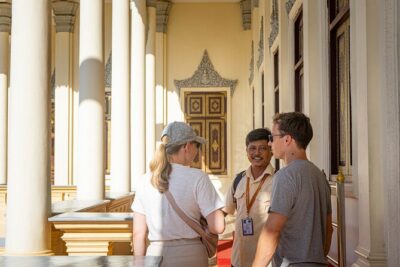
Your morning begins with pickup from your hotel, then you step into the Royal Palace complex, built between 1866 and 1870 when King Norodom moved the royal capital from Oudong to Phnom Penh. The site sits on top of an older citadel area called Banteay Keo, which helps explain why this place feels layered even before your guide starts the real story.
Here’s what I like about starting with the palace: it gives you context for what the Khmer Rouge later targeted and destroyed. When you understand the symbolism and the place of monarchy and religion in Cambodian life, the rest of the day hits harder in a clearer way.
The palace is also oriented about east, and it’s located at Chaktomuk, where the Tonle Sap and Mekong rivers cross and split. Your guide’s narration tends to tie geography to history—why Phnom Penh mattered, how movement and power concentrate around rivers, and how the city’s strategic location can shape what happens to ordinary people.
Prefer a local at your side? Here are more guided tours around Phnom Penh


Silver Pagoda: Wat Preah Keo Morakot in plain terms
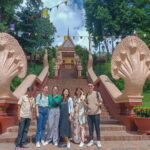
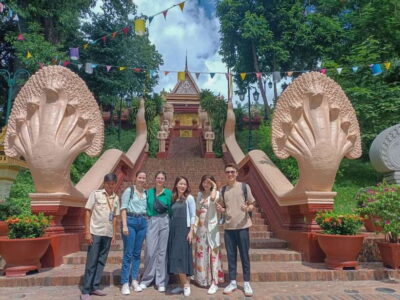
Next door is the Silver Pagoda, officially known as Wat Ubaosoth Ratanaram, also called Wat Preah Keo Morakot. People commonly shorten it to Wat Preah Keo, and it’s known as the temple linked to the Emerald-Crystal Buddha.
Even if you’re not a “temple person,” you’ll probably appreciate this stop because the guide can put the site’s role into the bigger Cambodian story. It’s not just sightseeing; it’s a look at how belief and state identity were displayed—and how that kind of world can be violently overturned.
Potential consideration: palace and pagoda admissions aren’t included in the base price. Plan for separate tickets for the Royal Palace complex and note that the Silver Pagoda stop also lists admissions as not included.
Tuol Sleng Genocide Museum (S-21): the school that became a machine
Then the day pivots. Tuol Sleng is often described as the most notorious Khmer Rouge interrogation center, and its official museum now sits in the buildings of a former school. The place is called Tuol Sleng, named for the hill area it sits on, and internally it was known as S-21.
What makes Tuol Sleng so difficult is how ordinary the setting is—brick cells that used to be classrooms, detention areas that now stand for what happened inside them. The records and preserved rooms point to a range of 14,000 to 17,000 prisoners detained and tortured here.
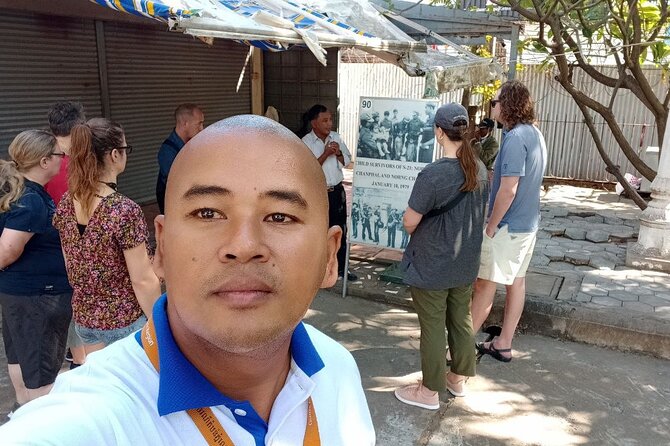
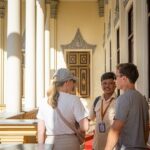
I find Tuol Sleng works best when your guide doesn’t rush the story. You need time to process what you’re seeing: not just the scale, but the method. Your licensed English-speaking guide can help you connect names, dates, and how a regime turned civilians into targets. This is where the tour’s “human stories behind facts” promise matters most.
The drawback nobody can sugarcoat
Tuol Sleng is emotionally intense. Even though the visit itself is about 1 hour 30 minutes total across the two genocide stops, you’ll likely spend longer internally replaying what you learn. If you’re going with kids or anyone who struggles with heavy topics, decide based on their temperament, not just curiosity.
Also, the tour schedule doesn’t mention a long break. If you’re the type who needs space, you may want to bring a small tissue pack and water (cold water is included) so you’re comfortable during the harder rooms.
Choeung Ek Killing Fields: from orchard and cemetery to execution site
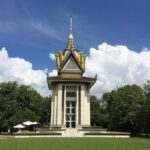
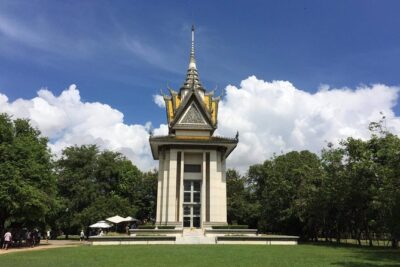
After Tuol Sleng, you travel south to Choeung Ek, about 9 miles from Phnom Penh. The killing fields start with a detail that’s easy to miss until your guide points it out: before it became a place of mass killing, it was once an orchard and even a Chinese cemetery.
Then the Khmer Rouge, led by Pol Pot, turned it into what people call the killing fields. Here, the tour focuses on the estimate that around 20,000 men, women, and children were executed at Choeung Ek between 1975 and 1978. It also places the event inside the wider national horror: around three million people were killed and buried at killing fields like this around Cambodia during the Khmer Rouge period, with estimates commonly describing about 2.5 million massacred and buried over those years.
I appreciate that this stop isn’t only about numbers. The best guides explain how a system like this works: who was targeted, how daily life collapsed, and how the regime’s methods led to mass death on a scale that’s hard to comprehend. The tuk-tuk ride toward the site helps you shift out of “museum mode” and into “this is a real place” mode fast—good for learning, tough for emotions.
Trace more of the past on these Phnom Penh history tours
How to stay respectful (and still learn)
Choeung Ek is a site where you’ll want to keep your volume down and move with care. You don’t need to force emotion, but you should take in what’s shown and listen closely to the guide’s context. If you tend to feel overwhelmed, it helps to focus on understanding the timeline: 1975 to 1978, regime policies, and the way the country’s geography contains the evidence.
Practical note: the Killing Fields admission is listed as $3/person and isn’t included in the base price.
Tuk-tuk logistics in a 5-hour day: comfort vs. authenticity
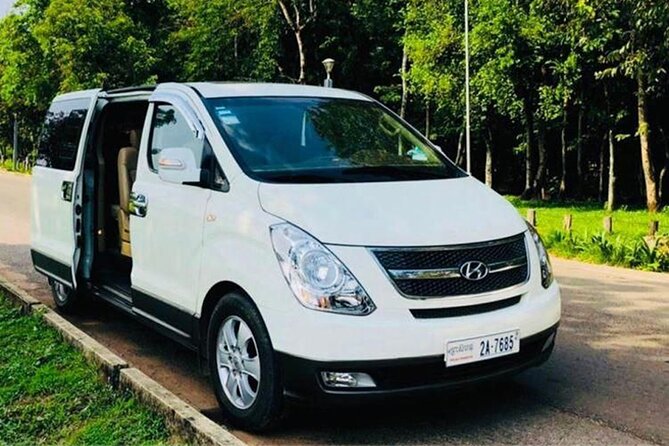
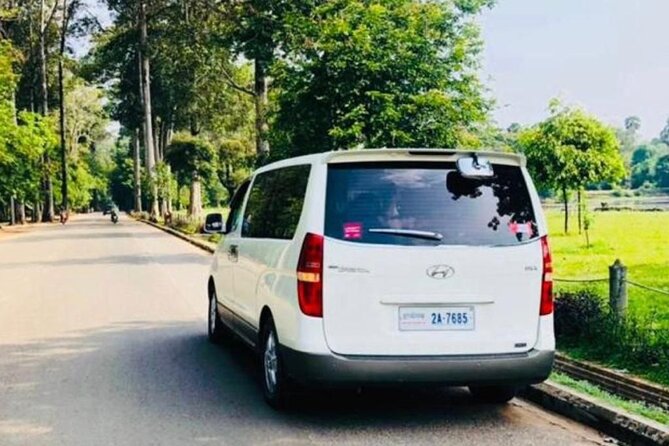
A tuk-tuk is part of the fun here, and it’s not just about photos. In Phnom Penh, tuk-tuks help you get around at street level and make the city feel immediate. This tour includes tuk-tuk transport, plus an air-conditioned minivan as part of the ride plan.
The total duration is about 5 hours 15 minutes, which is a sweet spot. You get enough time to learn the background for each site, but you’re not stuck for most of the day. The morning start at 8:15 am also matters. Early tours often mean fewer crowds and a calmer pace.
Small group size changes everything
Max 15 travelers is a real quality lever. At smaller group sizes, you’re more likely to hear answers clearly and ask follow-ups. It also tends to reduce the feeling of being rushed through rooms just to keep the schedule.
This is where the tour has a strong edge based on guide feedback. One guide named An was praised for good English, deep knowledge, and making the experience dynamic—adjusting pacing to what people cared about. Another review highlighted how the guide helped with local bargaining in a market context, which suggests you might get small, practical help with navigating the city beyond the strict monument route.
Price and tickets: what $29 really buys you
The headline price is $29 per person, and that’s actually reasonable for what you’re getting: hotel pickup and drop-off, tuk-tuk plus minivan transport, an English-speaking licensed tour guide, and cold water.
But you should treat this as a “base tour” rather than an all-inclusive ticket bundle. The listed admissions not included are:
- Royal Palace entrance ticket: $10/person
- Tuol Sleng entrance ticket: $5/person
- Killing Fields entrance: $3/person
Admissions for the Silver Pagoda stop are also marked as not included. The specific price for Silver Pagoda isn’t provided here, so you’ll want to confirm the exact ticket situation on the day with your guide or check current onsite signage.
Value check
If you add the known ticket fees, you’re looking at $47-ish total before any small extras (like tips or snacks). For Phnom Penh, that’s a fair deal given the guide time and the complexity of moving between three major areas. The biggest value is not the transport—it’s having a guide connect Royal Palace history with Khmer Rouge decisions and human outcomes, instead of walking through on your own with only your own interpretation.
What to bring (and what to expect) for genocide-site mornings
You’re covering palace monuments and then two genocide sites, so packing smart helps.
What to bring:
- Comfortable shoes for walking around memorials and temple areas
- A light layer if you get chilly in vehicles
- Water and basic sun protection (cold water is included, but you’ll still benefit from extras)
- Something simple for emotion-heavy moments (tissues, a small pause plan)
Expect the emotional temperature to drop
It’s a tour about a dark period of Cambodian history. Even with an excellent guide, there’s no way to make Tuol Sleng and Choeung Ek light. Plan your day afterward accordingly. I’d avoid stacking anything big right after this tour—your brain will need time to reset.
If you’re a solo traveler, the included pickup and drop-off can help you feel more at ease. In one review, a solo female traveler specifically mentioned feeling completely at ease with the provider’s respectful, attentive approach in related local transport, which matches the general benefit of having a driver and guide handling the route.
Who should book this tour (and who might prefer another plan)
This is a good choice if you want:
- A structured morning that links major Phnom Penh sites into one story
- A small-group format (max 15) with a guide who can tailor pacing
- A tuk-tuk experience without sacrificing access to important history
It may be less ideal if:
- You’re traveling with someone who finds genocide sites too distressing
- You prefer purely scenic sightseeing and would rather keep the day light
For most people, though, this kind of day gives you a meaningful baseline understanding of Cambodia’s modern trauma and the cultural world that existed before it was violently destroyed.
Should you book? My practical take
If you want one outing in Phnom Penh that balances context (Royal Palace and Silver Pagoda) with clarity about the Khmer Rouge period (Tuol Sleng and Choeung Ek), book it. The mix of tuk-tuk transport, small group size, and an English-speaking licensed guide is exactly what helps you turn a list of places into a coherent understanding.
Only do a quick self-check first: this is not a casual tour. It includes interrogation-center history and killing fields, and it deserves your full attention. If you’re ready for that, this is a strong value way to see Phnom Penh with both culture and hard truth in the same morning.
FAQ
What time does the tour start?
The start time is 8:15 am, with hotel pickup included.
How long is the tour?
It runs for about 5 hours 15 minutes.
How many people are in the group?
There’s a maximum of 15 travelers.
Are tickets included in the $29 price?
Not all tickets are included. Royal Palace entry is $10/person, Tuol Sleng is $5/person, and Choeung Ek is $3/person. The Silver Pagoda stop also lists admissions as not included.
What’s included in the tour price?
Hotel pickup and drop-off, tuk-tuk plus an air-con minivan, an English-speaking licensed tour guide, and cold water are included.
Do I get transportation, or do I need to arrive myself?
Pickup is offered, and you’ll also be dropped off after the tour.
Is the guide English-speaking?
Yes. The tour includes an English speaking licensed guide.
What if the weather is poor?
The experience requires good weather. If it’s canceled due to poor weather, you’ll be offered a different date or a full refund.
More Phnom Penh History Tours to Bookmark
More Guided Phnom Penh Tours to Bookmark

More Tour Reviews in Phnom Penh

Keep browsing: more Phnom Penh tours and day trips our team has reviewed





Historical Tours, compared.
 ★ 5.0Heritage tour of Phnom Penh in electric busFrom $2749 reviews
 ★ 5.0Oudong Mountain History and Pagoda TourFrom $11039 reviews
 ★ 5.0Guided Phnom Penh Heritage TourFrom $2437 reviews
 ★ 4.3Phnom Penh Historical Sites Tour by Tuk TukFrom $2530 reviews
 ★ 5.0Phnom Penh Historical TourFrom $2913 reviews
 ★ 5.0( Free eSim) Phnom Penh Historical Full Day TourFrom $407 reviews
 ★ 5.0Chiso temple, Neang khmao, and Taprum temple historical site TourFrom $1905 reviews
Browse the lists this tour appears in