
Reviewed · HISTORICAL TOURS
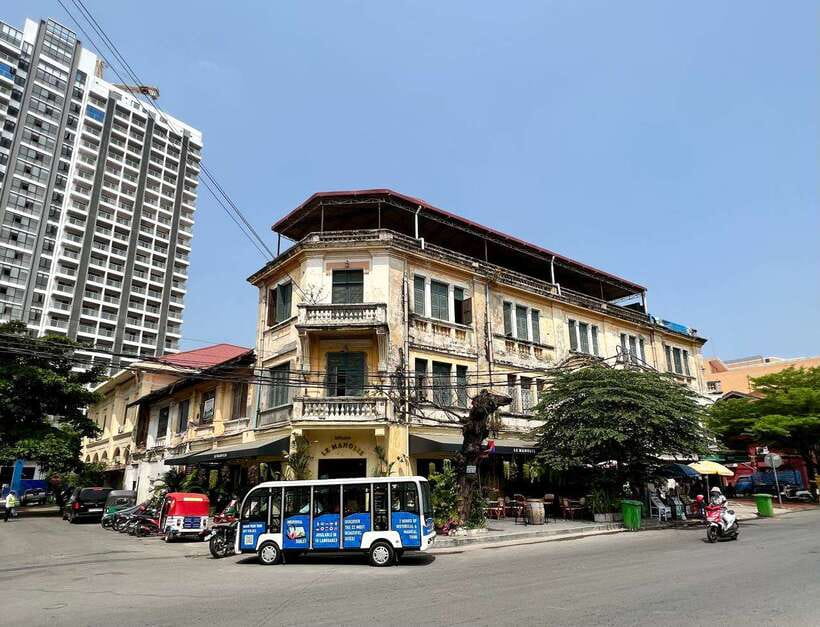
Heritage tour of Phnom Penh in electric bus
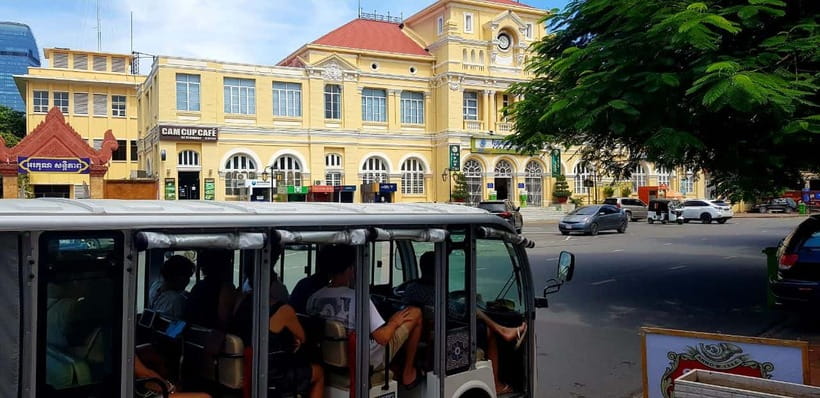
Phnom Penh turns into a time machine on an electric bus. I love the tablet video guides that help you see inside buildings the public can’t access, and I like how the route covers 22 major French-era sites in about 2.5 hours. One thing to keep in mind: you’ll still be outside in the city heat during bus stops, so light clothing and water really matter.
This isn’t a random “see a temple, take a photo, move on” style tour. You ride from stop to stop on an electric vehicle, then use headsets and preloaded audio-video content in 10 languages to understand what you’re looking at. The stories connect big shifts in Phnom Penh’s growth: from a fishing village into a capital, through French urban planning, Art Deco influences, the royal world of the early 1900s, and the heavy shadow of the Khmer Rouge era.
The best part is where it leaves you. The tour ends on Street 240 near the Royal Palace and the riverside, so you can keep exploring on your own without guessing where things are.
In This Review
- Key highlights you’ll feel right away
- Electric bus ride, heritage pace, and why it works
- What the 2.5 hours is really like on the ground
- Tablets, headsets, and 10 languages: the guide format
- French protectorate to Khmer Rouge: how the story threads together
- The stop pattern: what each phase is likely to show you
- Three walk-ins that change how you see the city
- Hokkien temple: culture you can feel, not just read
- National Library: institutions with a future-looking purpose
- Royal University of Fine Arts: architecture plus creative legacy
- Heat, comfort, and how to not rush your brain
- Price and value: what $27 buys you (and what it doesn’t)
- Who should book this tour
- Finish at Street 240: your next steps after the tour
- Should you book the Phnom Penh Heritage Tour on an electric bus?
- FAQ
- How long is the Phnom Penh Heritage Tour?
- What does it cost?
- What’s included in the tour?
- What languages are available for the audio guides?
- Is a guide available during the tour?
- Is hotel pickup and drop-off included?
- Where does the tour end?
- Can I cancel for a refund, and is there reserve and pay later?
Key highlights you’ll feel right away
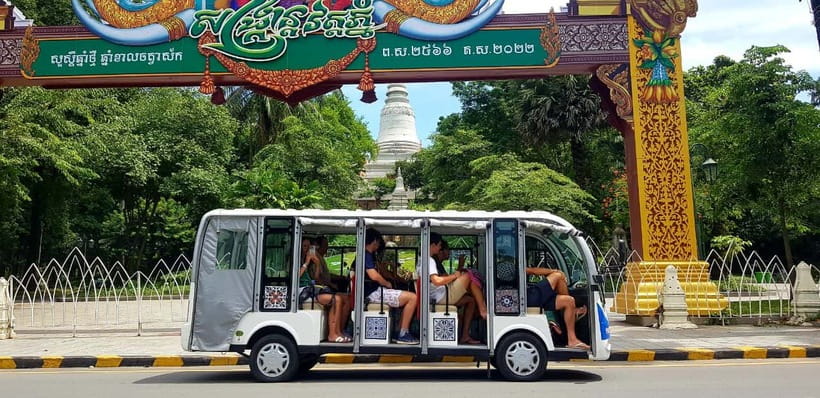
- Electric bus comfort with regular breaks as you hop on and off across the city
- Tablets + headsets paired with audio-video guides in 10 languages
- Virtual entry into certain buildings that aren’t open to the public
- A clear French-era storyline touching Art Deco, royal life, and Khmer Rouge-era themes
- Real walk-ins to standout places including a Hokkien temple, the National Library, and the Royal University of Fine Arts
- A smart finish near Street 240 so you can continue toward the Royal Palace and riverside
Electric bus ride, heritage pace, and why it works

Electric transport in Phnom Penh doesn’t automatically make something “better,” but it changes the feel. The ride keeps you sheltered between stops, and that matters in a city where afternoon sun can be punishing. You get a heritage tour rhythm: short moments of walking, then back on the bus while the next chapter loads.
The pacing is also practical. In 2.5 hours, you cover an overview-sized slice of Phnom Penh—enough to build an understanding of what you’re seeing. You’re not asked to commit to a single museum for half a day; instead, you get a map of themes, places, and eras.
There’s a trade-off. Because it’s designed to hit many sites, you won’t have hours inside any one building. If you love ultra-slow, detail-obsessed visits, you’ll still want to circle back later.
Trace more of the past on these Phnom Penh history tours

What the 2.5 hours is really like on the ground
You’re looking at 19 stops that tie into 22 major sites across the capital. Expect a steady flow: arrive, take in the tablet/headset content for context, then step in or look around where the guide allows access. This setup is perfect for getting your bearings fast and understanding why these buildings look the way they do.
I like that the tour doesn’t treat Phnom Penh as a blur of monuments. It frames the city as a sequence of changes. One stop explains how the city shifted from earlier life into a capital; another connects French-style urbanization; others bring in Art Deco trends and the social organization of the early 20th century.
Because you’re moving, the tour naturally stays light on long explanations. That’s a benefit if you get heat-tired. It’s also why you should plan to keep your notes in your head, not on your phone—if you’re constantly reading captions while walking, you’ll miss the human-scale details of the streets.
Tablets, headsets, and 10 languages: the guide format
The core technology here is simple and useful: tablets (pads) and headsets. The tour pairs your location with audio-video guidance so you don’t just hear facts—you also see vintage photos, film-style clips, and historical anecdotes tied to the places you’re visiting.
What I find valuable is the way it handles “closed” spaces. The tour description specifically mentions the privilege of virtually entering certain buildings inaccessible to the public. That’s a big deal in Phnom Penh, where not everything is open the way you might expect. Even if you can’t go inside for real, you still get a sense of layout, architecture, and what mattered historically.
Languages matter too. You can listen via built-in options in Cambodian, Chinese, English, French, German, Italian, Japanese, Korean, Russian, and Spanish. That’s rare for a heritage circuit, and it helps you stay oriented even if your group isn’t all speaking the same language.
French protectorate to Khmer Rouge: how the story threads together
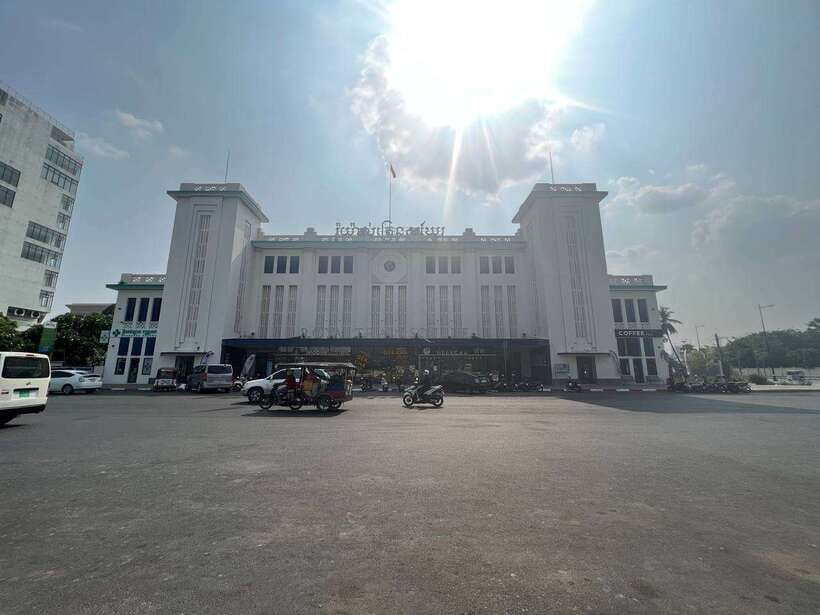
This tour is organized around the time when Cambodia was under the French protectorate. In practice, you’ll walk away with a framework: you’ll start recognizing patterns in the city—planning choices, architectural styles, and how power shaped what got built.
You’ll cover several themes as you move:
- Phnom Penh’s transformation: how a fishing village became a capital, and what that meant for rebuilding and growth
- First French-model urbanization: why certain districts and structures feel “planned” in a European way
- Art Deco architecture: how the city flirted with a modern style during the early 1900s
- Organization of social fabric: who lived where and why that mattered
- Royal family focus: how royal institutions and elite life shaped the city’s identity
- Dark hours of Khmer Rouge: the tour also addresses the human tragedy of that period, not just the architecture
The way these topics are delivered matters. Because the tour pairs story content to physical locations, it stops being abstract. Instead of learning dates, you start linking events to buildings and street logic.
One caution: some topics are heavy. The tour includes Khmer Rouge-era themes, so if you’re traveling with sensitive kids or you prefer lighter sightseeing, consider your emotional tolerance. You’ll likely want to pace yourself and take breaks if the content feels intense.
The stop pattern: what each phase is likely to show you
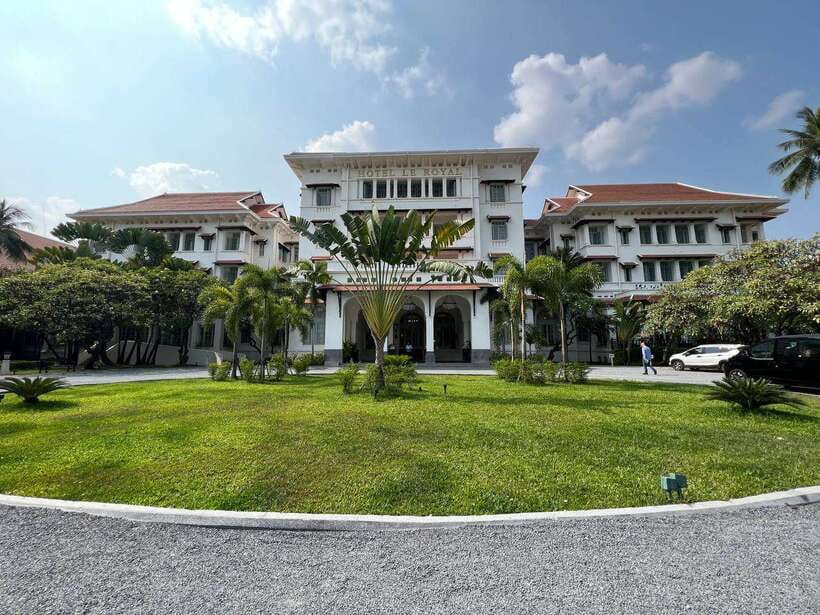
You won’t get a single straight line from one end of Phnom Penh to the other. Instead, the stops act like chapters.
Early chapters: setting the stage. You’ll start with the city’s shift into a capital and the first wave of French-influenced urban planning. This is the phase where you’ll start noticing architecture decisions—how wide roads, institutional buildings, and certain facades reflect outside influence.
Middle chapters: architecture and institutions. Then you move into the era where Art Deco style and early-20th-century elite life become part of the “why.” This is also where you’ll get your hands-on moments at places the tour lets you enter.
Later chapters: power, culture, and political rupture. As the tour continues, you’ll see how royal life and social organization connected to specific sites. Then the story turns darker, including the Khmer Rouge period, so the tour ends with context rather than just a final photo opportunity.
Final stretch: Street 240 near Royal Palace and the river. The tour ends close to the Royal Palace and the riverside. That’s not random. It’s a smart handoff: you finish where you’ll probably want to continue—walking, browsing, and planning your next stop based on what you learned.



Three walk-ins that change how you see the city
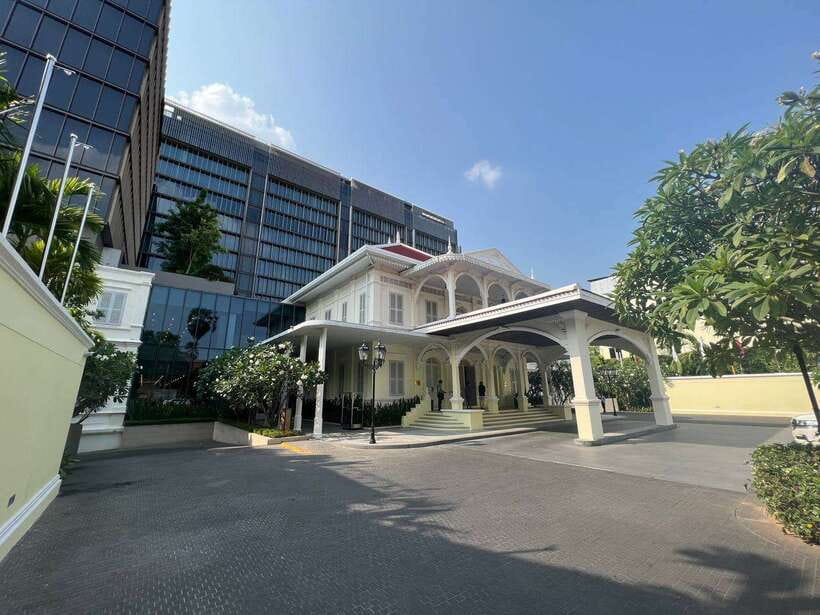
Even within a multi-stop heritage tour, three places do a lot of work because you can actually step into them.
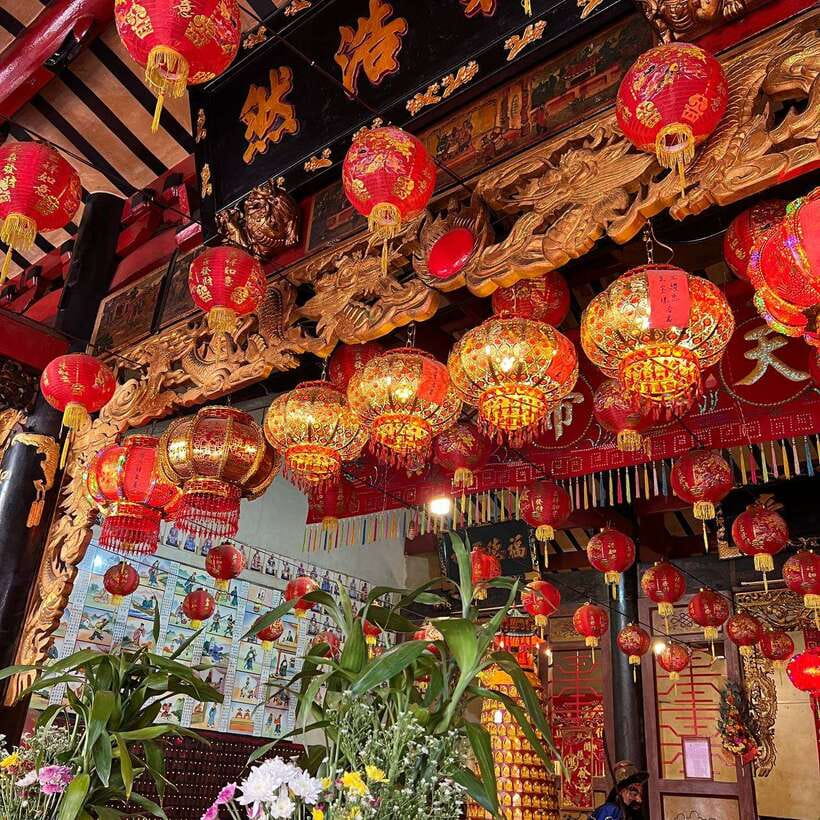
Hokkien temple: culture you can feel, not just read
A Hokkien temple is one of those stops that helps you notice that Phnom Penh isn’t only defined by French colonial features. Temples bring religious rhythm, community history, and street-level character. In a tour otherwise focused on French protectorate heritage, this stop adds balance.
National Library: institutions with a future-looking purpose
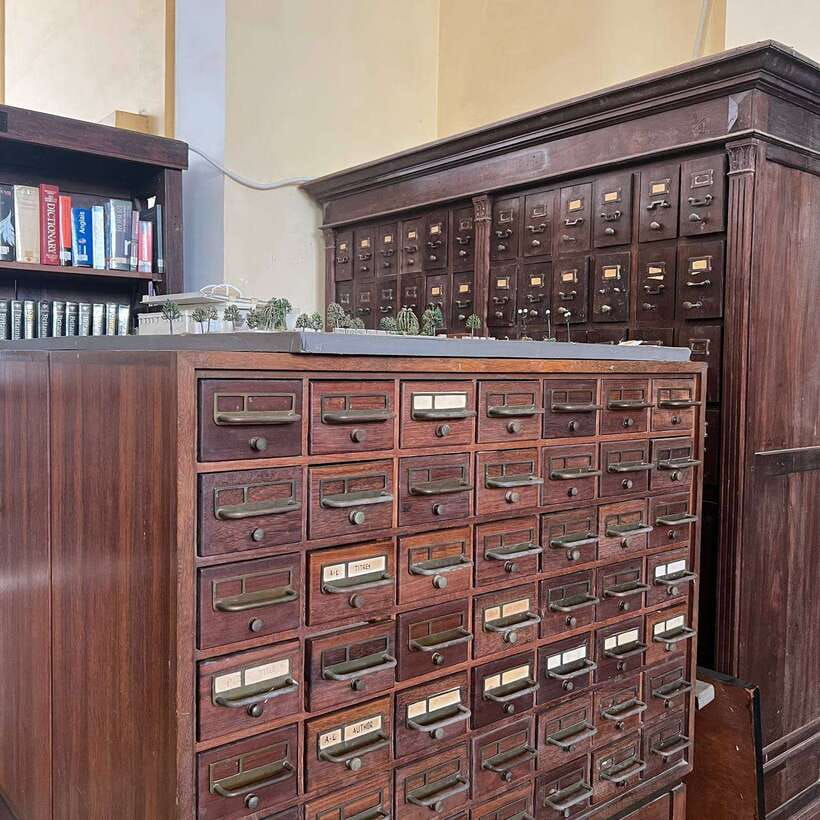
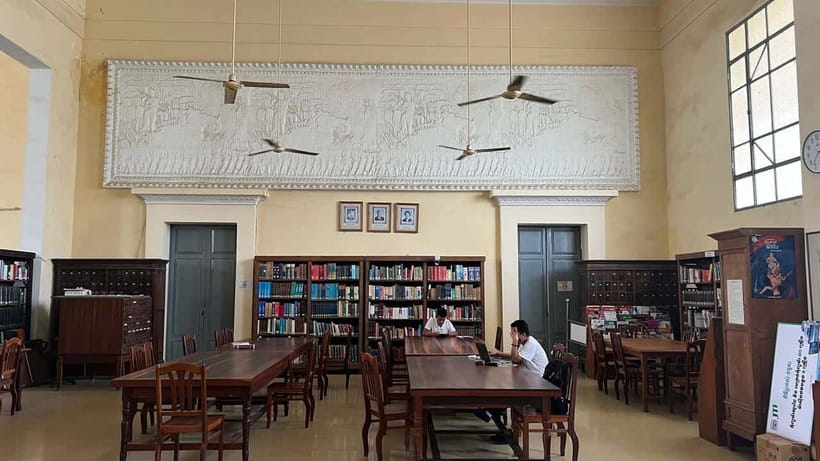
The National Library stands out as an educational landmark. When a tour shows you a place like this, it shifts your thinking from “old buildings as museum pieces” to “old buildings as active cultural infrastructure.” Even if you just spend a short time there, you’ll come away understanding why libraries matter in shaping national identity.
Royal University of Fine Arts: architecture plus creative legacy
The Royal University of Fine Arts is another “see it in person” moment. It’s the kind of stop where you’ll likely pay more attention to design details because it connects education with art. It also fits the tour’s theme of cultural and social organization—this isn’t just about the past, it’s about what the past built and what continues.
If you’re the type who loves architecture, these three stops are worth showing up for even on their own.
Heat, comfort, and how to not rush your brain
A very practical theme in the experience is that it can feel surprisingly relaxed even in warm weather. The electric bus helps, but so does the structure: you get movement and then short off-bus moments with content that keeps you engaged.
Here’s how to make it comfortable:
- Wear light, breathable clothes and shoes you’re happy to walk in for short bursts
- Keep your water bottle handy since only a bottle is included, and you’ll still be outside
- Put your headset on quickly so you don’t miss the opening context for each stop
- If you’re using a tablet, pause before stepping in—take 10–20 seconds to readjust your attention
The tour includes bottles of water, which is a nice touch. Still, bring a small extra buffer if you tend to sweat a lot. The itinerary format works best when you’re not trying to “power through” in uncomfortable conditions.
Price and value: what $27 buys you (and what it doesn’t)
At $27 per person for 2.5 hours, this tour is priced like an overview experience with real equipment support. You get tablets, headsets, and water included. You also get multi-language audio-video content, plus the potential to virtually enter buildings not open to the public.
What makes this feel like good value is the “bundle effect.” A typical day of tuk-tuk hopping for many locations adds up fast, and paying for multiple separate tickets and guides usually costs more than one organized circuit. Here, you’re buying a structured learning path.
What you should factor in: it doesn’t include hotel pickup or drop-off, and it doesn’t include food or drinks. If you want a full day with lunch built in, plan that separately. Also, you’ll need your own way to get to the meeting point, since private transportation isn’t included.
The transport is another subtle value point. The experience has strong ratings for transport, with 97% of reviewers giving it a perfect score. That’s the kind of detail that matters when you’re relying on a schedule and want the ride to feel smooth.
Who should book this tour
This is ideal if you want one of the best uses of limited time in Phnom Penh. If you’re arriving and thinking, Where do I start?, this tour gives you an instant framework.
It’s also a good match if you care about architecture, because the stories are tied to what you see—especially around French protectorate influences and Art Deco style. And it’s great if you like learning in multiple formats, since the tablet video guides combine history with visuals like vintage photos and film-style clips.
I’d think twice if you want deep, slow museum-style time at a single site. This tour’s strength is breadth and context, not long stays.
Finish at Street 240: your next steps after the tour
Ending near the Royal Palace and the riverside is a practical advantage. Once you’re done, you’re not stuck in the middle of nowhere with your brain full of facts but no obvious route to use them.
After the tour, you can keep exploring based on what stood out to you: royal surroundings if you leaned into that chapter, architecture if Art Deco grabbed your attention, or cultural institutions if the learning side felt most interesting. The tour basically hands you a launchpad.
Should you book the Phnom Penh Heritage Tour on an electric bus?
If you have half a day and want to understand Phnom Penh without stitching together ten separate visits yourself, I think it’s a smart booking. The combination of electric transport, tablets + headsets, and 10-language audio-video makes it feel efficient without feeling skimpy.
Book it if you like heritage tours that explain the why behind the what—French planning, Art Deco trends, royal influence, and the hard lessons of the Khmer Rouge era. Skip it if you want long, quiet time inside just a few places.
If you do book, go in with a simple mindset: let the stories set your framework, then use the end point near Street 240 and the river to choose what to explore next.
FAQ
How long is the Phnom Penh Heritage Tour?
The tour lasts about 2.5 hours.
What does it cost?
It costs $27 per person.
What’s included in the tour?
You get tablets (pads), headsets, a bottle of water, and audio guide content in multiple languages.
What languages are available for the audio guides?
The audio-video guides are available in Cambodian, Chinese, English, French, German, Italian, Japanese, Korean, Russian, and Spanish.
Is a guide available during the tour?
Yes. The instructor is listed as available in English and French.
Is hotel pickup and drop-off included?
No. Hotel pickup and drop-off service is not included.
Where does the tour end?
The tour ends on Street 240, close to the Royal Palace and the riverside.
Can I cancel for a refund, and is there reserve and pay later?
Yes. You can cancel up to 24 hours in advance for a full refund, and you can reserve now and pay later.
More Phnom Penh History Tours to Bookmark

More Tours in Phnom Penh


More Tour Reviews in Phnom Penh
Keep browsing: more Phnom Penh tours and day trips our team has reviewed









Historical Tours, compared.
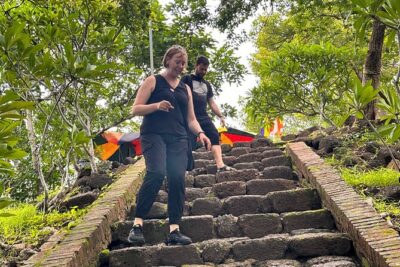 ★ 5.0Oudong Mountain History and Pagoda TourFrom $11039 reviews
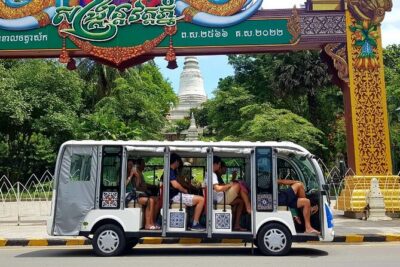 ★ 5.0Guided Phnom Penh Heritage TourFrom $2437 reviews
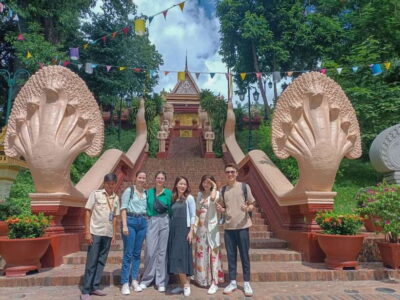 ★ 4.3Phnom Penh Historical Sites Tour by Tuk TukFrom $2530 reviews
 ★ 5.0Phnom Penh Historical TourFrom $2913 reviews
 ★ 5.0( Free eSim) Phnom Penh Historical Full Day TourFrom $407 reviews
 ★ 5.0Chiso temple, Neang khmao, and Taprum temple historical site TourFrom $1905 reviews
 ★ 5.0Learn about a dark period of Cambodian history by expert guideFrom $293 reviews
Browse the lists this tour appears in