
Reviewed · KILLING FIELDS & GENOCIDE HISTORY TOURS
Phnom Penh: killing field & Toul Sleng genocide museum Tour
Suffering is the theme, but meaning is the goal. This is a hard-hitting half-day route that pairs Tuol Sleng Genocide Museum (S21) with Choeung Ek Killing Fields, and an English-speaking guide helps you make sense of what you’re seeing. I especially like the respectful pacing—about 1.5 hours at each site—and the fact that hotel pickup and drop-off are included. One consideration: it’s emotionally heavy, and there are strict visitor rules (including covering shoulders/knees and no shoes), so plan ahead.
In practical terms, the tour runs about 4 hours with air-conditioned private transport and a licensed guide plus driver. You’ll spend time walking through the former interrogation center at S21, then move about 15 km out to Choeung Ek for mass-grave memorial areas. Entrance fees are extra, and you’ll need cash on hand for them.
In This Review
- Key things that make this tour work
- Why S21 and Choeung Ek in one day makes sense
- Price and what you really pay (tour vs entrance fees)
- The 4-hour flow: pickup, then Tuol Sleng (S21)
- Tuol Sleng S21: what to expect when you walk in
- Choeung Ek Killing Fields: the memorial that stays with you
- The guide factor: names, style, and why it changes everything
- Transport, timing, and the small-group advantage
- What to wear and bring: the rules are real
- Accessibility and who should skip (based on tour info)
- Should you book this Phnom Penh S21 and Killing Fields tour?
- FAQ
- How long is the Phnom Penh killing fields and Tuol Sleng tour?
- Are the entrance tickets included in the $19 price?
- Do I need cash for the entrances?
- What’s included in the tour?
- Is there an English-speaking guide?
- What are the dress rules?
- Is hotel pickup available?
Key things that make this tour work
- Hotel pickup and drop-off in Phnom Penh so you don’t have to figure out transport on your own
- S21 first, Killing Fields second for a clearer story arc of detention to execution
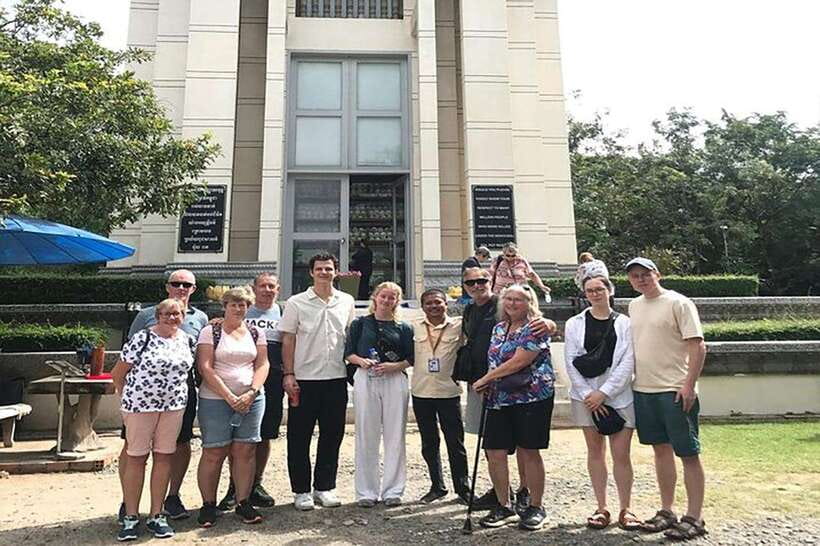
- Guides who connect history to lived experience, with names like Chanrouen, Ran, Net, Dara (driver), and Sam appearing in guide stories
- About 1.5 hours at each site, which helps you avoid a rushed, blur-of-grief experience
- Small-group feel in the feedback I saw (one group of 9 was noted), often making questions easier
- Cold water and straightforward logistics, which matters on a hot Cambodia day
Why S21 and Choeung Ek in one day makes sense
If you’re short on time in Phnom Penh, this pairing is one of the most direct ways to understand the Khmer Rouge’s system of terror. S21 shows the prison side of the machinery—how people were processed, interrogated, and documented—while Choeung Ek shows what happened after detention.
I also like the order. When you start at Tuol Sleng and then go to Choeung Ek, the memorial spaces land with more meaning, not just shock. You don’t need to be a history buff to benefit, but it does help that the guide explains context as you go.
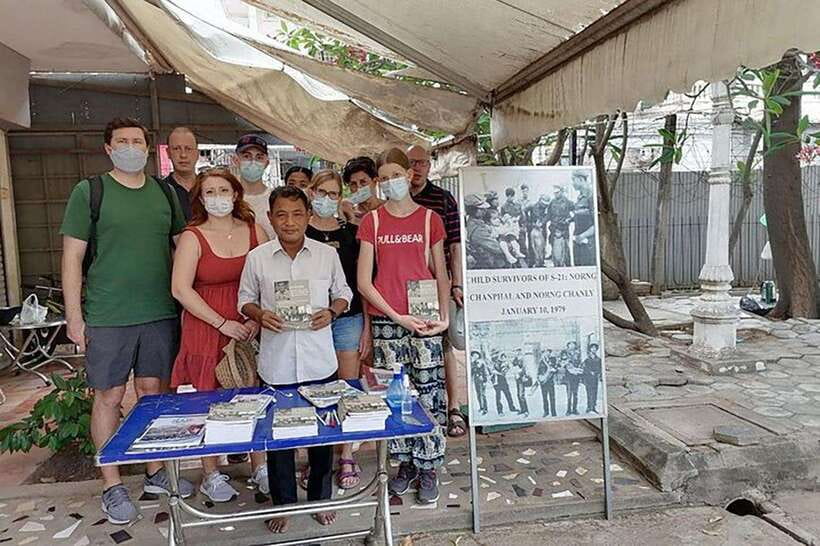
To learn more about Phnom Penh's recent history, these guided visits cover the S-21 and Choeung Ek memorial sites
Price and what you really pay (tour vs entrance fees)
The tour price is $19 per person, and it’s only “half the bill” at first glance. The entrance tickets are separate: $5 for Tuol Sleng (S21) and $3 for the Killing Fields, so you’re looking at $8 in entrance fees total per person.
That’s why this can be good value. You’re paying for hotel pickup, air-conditioned transport, an English-speaking guide, and guided time at both sites—while the museums charge you separately for admission. It’s also why bringing the right cash matters: you’re asked to bring USD $8 per person for the entrances.
Plan to budget a little extra for tipping and personal purchases. Tipping isn’t included, and you’ll likely want to grab water or something light during the day (some sites have drinks/food available).
The 4-hour flow: pickup, then Tuol Sleng (S21)
Your tour starts with hotel pickup in Phnom Penh. You’ll be asked to wait in the lobby about 10 minutes before the scheduled time, and the transport is air-conditioned with a licensed driver.
Then you head to Tuol Sleng Genocide Museum (S21) for a guided visit of about 1.5 hours. I like that this is the first stop because it sets the framework early: detention, interrogation, and the way victims were documented.
A short heads-up on comfort: you’ll be sitting and walking in a heat-and-museum mix. The tour includes cool water, but it still helps to plan for long, quiet attention spans.
Tuol Sleng S21: what to expect when you walk in
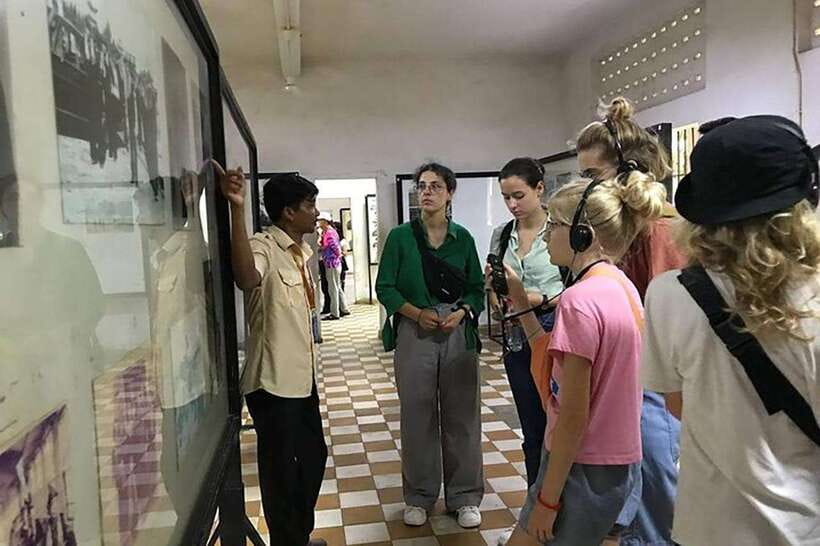
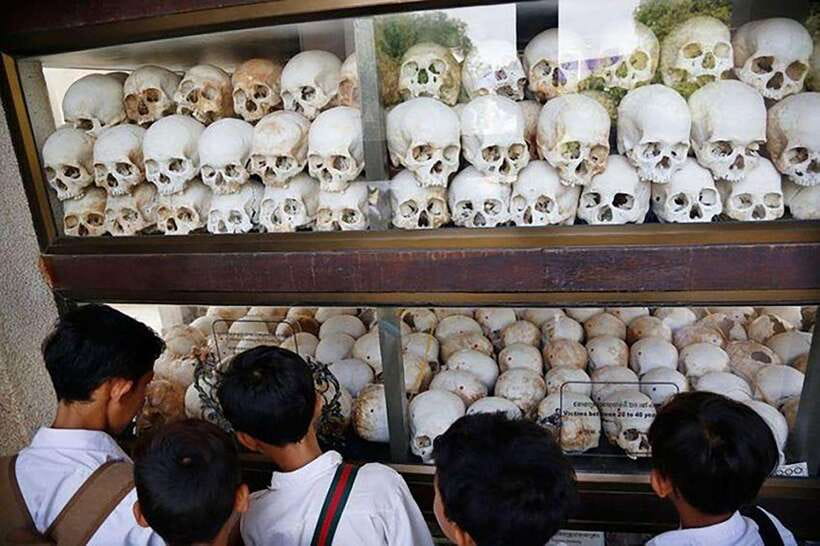
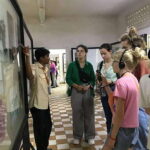
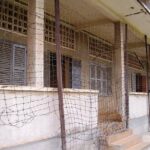
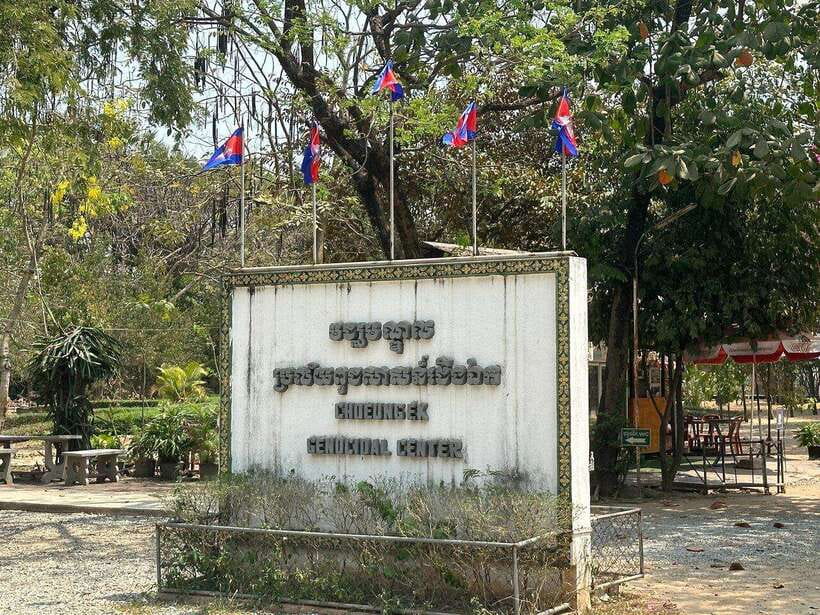
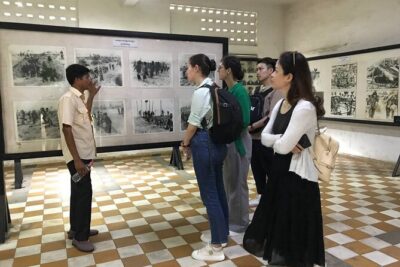
Tuol Sleng was a school turned into an interrogation and detention center. In practice, that means the setting is chilling in a way that photos can’t fully capture. You’ll move through exhibition spaces where the focus is on records, rooms, and the scale of what the prison processed.
The biggest value here is the guide’s interpretation. S21 isn’t designed to be read like a simple “facts only” museum, so an English-speaking guide matters. In the feedback, guides such as Chanrouen, Ran, and Net are repeatedly praised for connecting the exhibits to the political context and also, in some cases, personal family experience during the Khmer Rouge years.
What I’d do mentally: go in expecting emotion, not “just history.” One of the most common reactions in the feedback is that it’s fascinating and disturbing at the same time. The guides’ job is to give you language for what you’re seeing, not to soften it.
Choeung Ek Killing Fields: the memorial that stays with you
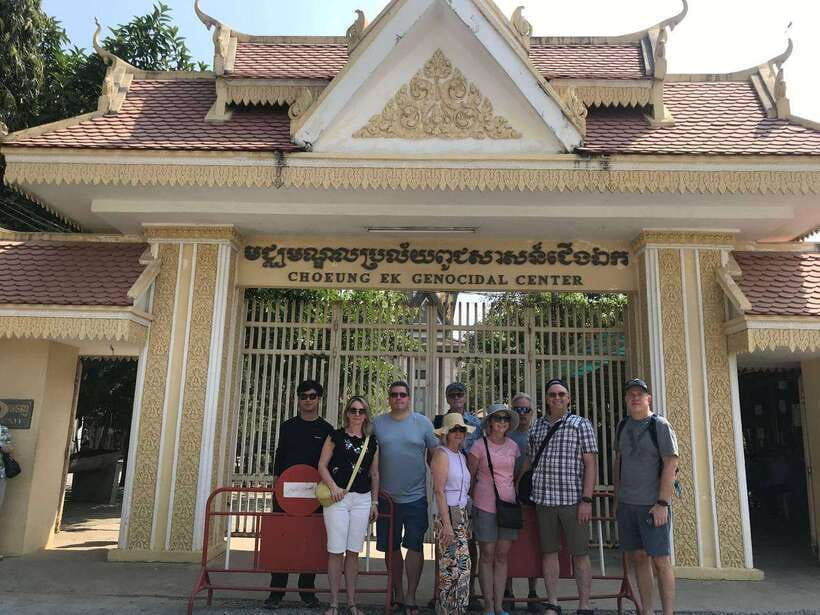
After S21, you travel to Choeung Ek for another guided 1.5 hours. This site is located about 15 km from Phnom Penh, so the transport time is part of the half-day pacing.
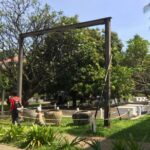
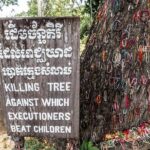
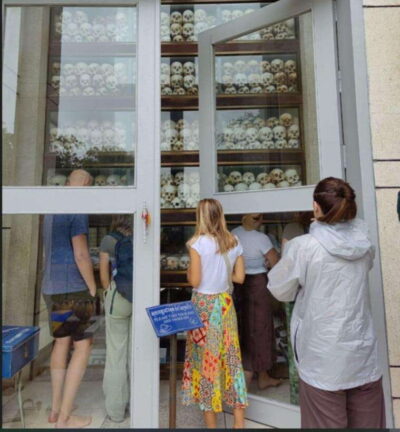
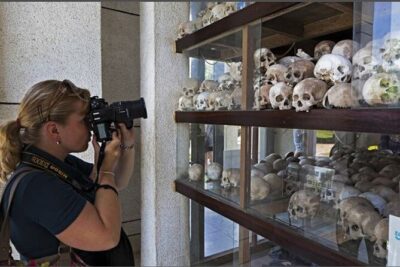
Choeung Ek is known for mass graves and the memorial areas, so the tone shifts from prison rooms and records to outdoor remembrance. The memorial’s power comes from how clearly it communicates the aftermath—what detention meant, and what many victims never returned from.
One thing I appreciate about a guided visit here: you’re not left alone with your own interpretations. Guides in the feedback—names like Makara, Yusef, Neang, and Mr Om Chamroeun—are described as careful with sensitive questions and able to explain the broader timeline behind what you’re seeing on-site.
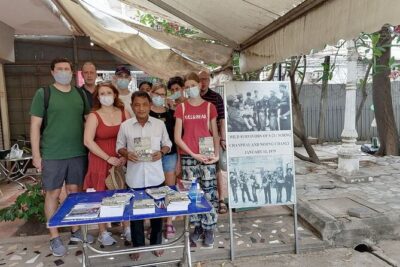
You may also be offered the chance to meet a surviving witness and purchase a book. One visitor noted this ending moment and mentioned a book price of $10, but it’s not something I’d treat as guaranteed. Still, it can be a meaningful option if offered respectfully.
Step inside more of Phnom Penh's museums and galleries
The guide factor: names, style, and why it changes everything
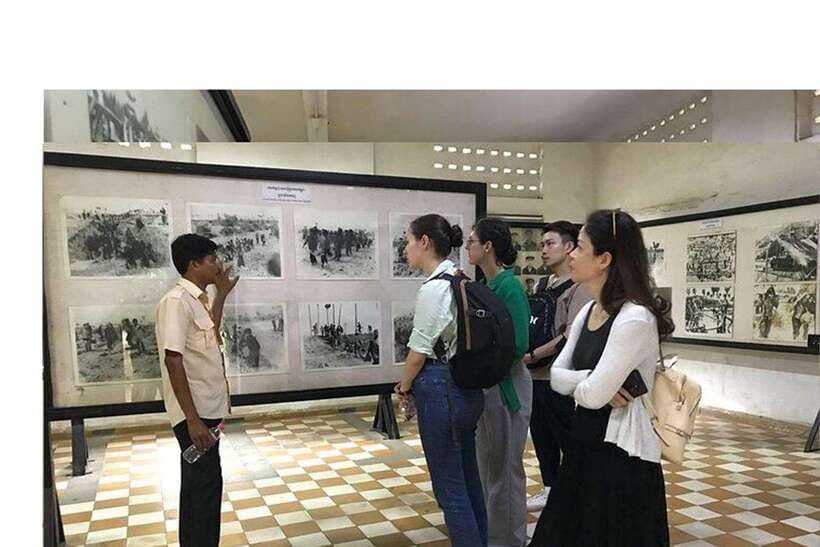
A big theme across the feedback is how much the guide’s personal perspective shaped the experience. Many guides on this tour are described as sharing lived-family context—some speaking from childhood experiences under the regime, others speaking from deep family history connected to the Khmer Rouge era.
If you end up with guides like Sam, Net, Chanrouen, Ran, An, Makara, or Sum, the common thread is a careful mix of context plus real emotion. That’s exactly what makes a tour like this feel more grounded than self-guided museum time.
Also, guides aren’t just narrators. They handle questions. Several notes mention time for Q&A, which is huge at sites like these, where visitors naturally want clarification about the timeline, leadership, and consequences.
Transport, timing, and the small-group advantage
This isn’t a long-haul day trip. It’s built for a 4-hour window, which helps if your schedule is tight and you still want to see something else in Phnom Penh later.
Transport is air-conditioned and described as clean and safe. In the feedback, drivers like Dara and Pros show up often for smooth, comfortable driving and friendly service. A comfortable ride matters here because your brain is working hard at the sites, and traffic fatigue can make a heavy day harder.
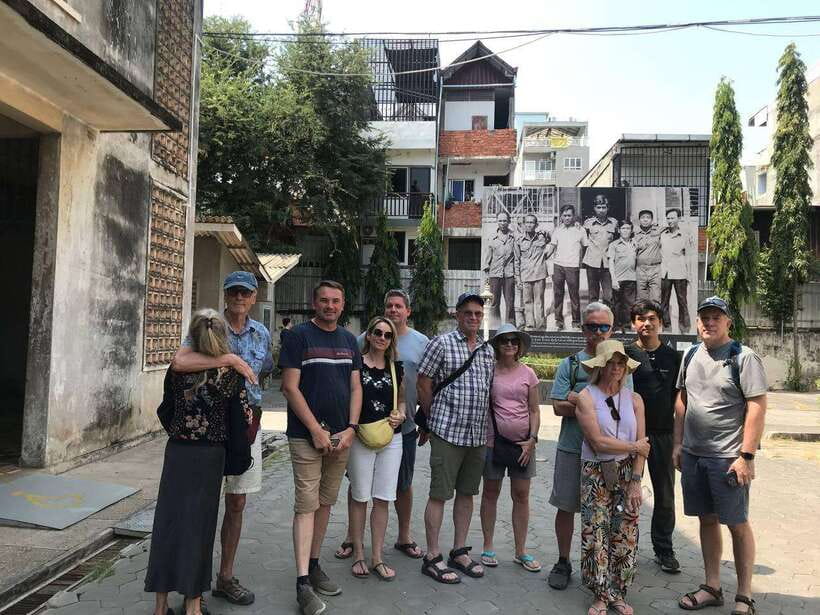
Small-group logistics also seem to help. One group of 9 people was noted, which tends to make the guide’s explanations feel more like a conversation than a lecture.
What to wear and bring: the rules are real
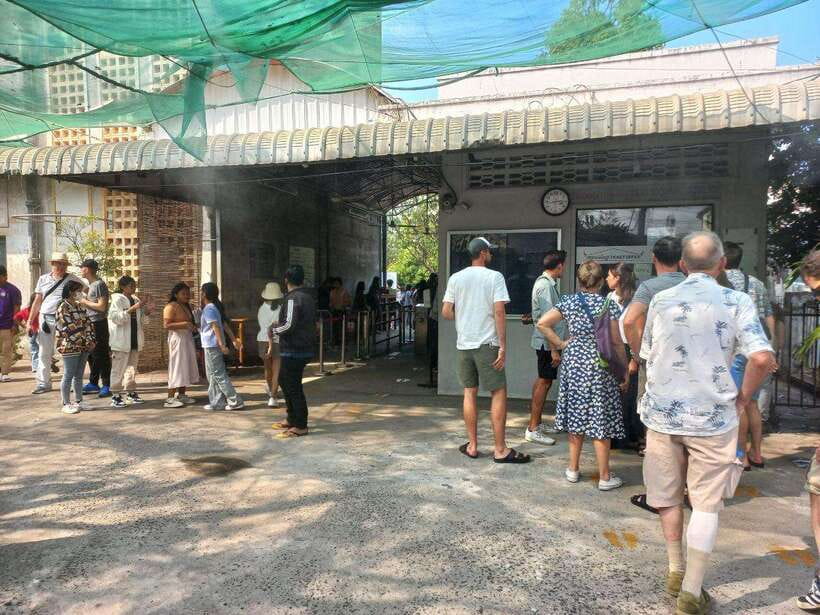
Before you go, take the visitor rules seriously. You’re told shoes are not allowed, and everyone must cover knees and shoulders.
That’s not just a “nice-to-have.” At places like S21 and Choeung Ek, you’ll feel rushed if you realize you don’t meet the dress code. If you forget, you might find solutions on-site (one note mentions you can hire cover-ups), but don’t count on it.
Bring USD $8 per person in cash for entrances. The tour price does not include the museum admissions, so this is the most practical “don’t miss it” detail.
Accessibility and who should skip (based on tour info)
This tour is not suitable for people over 95 years. If you’re in that category, you’ll want to look for an alternative option that fits mobility and comfort needs.
More generally, it’s worth being honest with yourself about emotional readiness. The subject matter is harrowing. If you’re the type who needs “easy days” on vacation, this might not be your best fit right now.
Should you book this Phnom Penh S21 and Killing Fields tour?
I think you should book it if you want a focused, guided introduction to Cambodia’s Khmer Rouge genocide history without spending extra time planning logistics. The route is short but structured: S21 first, Choeung Ek second, with guided time at both sites and hotel pickup to reduce friction.
Skip this tour (or switch to a gentler plan) if you know you’re not prepared for intense content, or if you struggle with strict rules around clothing and footwear. Also, make sure your budget includes the $8 entrance fees so there are no last-minute surprises.
If you do go, I’d go with one goal: ask questions and let the guide connect the dots. That’s where the experience turns from “seeing places” into actually understanding the story.
FAQ
How long is the Phnom Penh killing fields and Tuol Sleng tour?
The tour duration is about 4 hours.
Are the entrance tickets included in the $19 price?
No. The tour price does not include entrance fees. Tuol Sleng is $5 per person and the killing fields are $3 per person.
Do I need cash for the entrances?
Yes. You should bring USD $8 per person in cash for entrance fees.
What’s included in the tour?
It includes a professional English-speaking guide and a driver, hotel pickup and drop-off, air-conditioned transportation, and cool water.
Is there an English-speaking guide?
Yes, the tour provides an English-speaking live guide during the visit.
What are the dress rules?
You must cover your shoulders and knees. Shoes are not allowed.
Is hotel pickup available?
Yes. Pickup is included, and you should wait in the hotel lobby about 10 minutes before the scheduled pickup time.
If you tell me your travel dates and group size, I can also help you estimate your total per-person budget (tour + entrances + realistic extras) so you can plan without stress.
More Tours in Phnom Penh

More Tour Reviews in Phnom Penh

More Phnom Penh History & Remembrance Visits
Keep browsing: more Phnom Penh tours and day trips our team has reviewed






Killing Fields & Genocide History Tours, compared.
 ★ 4.8The Killing Fields & Tuol Sleng Genocide MuseumFrom $193,337 reviews
 ★ 5.0The Killing Field and Toul Sleng Genocide Museum (S21) TourFrom $191,977 reviews
 ★ 5.0Killing field and Toul Sleng genocide museum TourFrom $19610 reviews
 ★ 4.9Highlights Tour Including S21 and Killing FieldsFrom $30453 reviews
 ★ 5.0Visit 11 Places in One Day including S21 & Killing FieldFrom $30361 reviews
 ★ 4.9Royal Palace, S21, Killing Fields & More TourFrom $35295 reviews
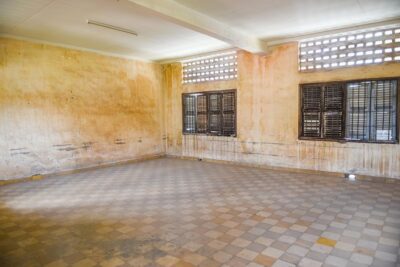 ★ 4.0Killing Fields and Prison S21 Bus TourFrom $15206 reviews
 ★ 5.0Tuol Sleng Genocide Museum (S-21) and Choeung Ek Killing Fields TourFrom $19123 reviews
Browse the lists this tour appears in