
Reviewed · KILLING FIELDS & GENOCIDE HISTORY TOURS
The killing field and Toul Sleng Genocide museum (S21) Tour
Hard history, handled with care. This Phnom Penh tour pairs Choeung Ek and Tuol Sleng S21 so you get the story in order, from the execution sites to the prison system behind them. I especially like the professional English-speaking guide approach, with sensitive explanations that keep the facts clear instead of sensational.
I also like the practical setup: pickup, an air-conditioned vehicle, and cold bottled water for a long couple of hours in the heat. The one thing to think about is the cost add-on: the $18 tour price doesn’t include the entrance tickets (you’ll pay separately at both sites).
In This Review
- Key details I’d plan around
- Killing Fields to S21: why this Phnom Penh pairing works
- Price and logistics: what you actually pay for
- The drive with pickup and air-conditioning: small comfort, big difference
- Stop 1: Choeung Ek Genocidal Center and the weight of the site
- Stop 2: Tuol Sleng Genocide Museum (S21) and the prison logic
- The guide experience: facts, pacing, and respectful tone
- What you’ll see and feel at each museum
- Group size and question-friendly pacing (why max 20 is a big deal)
- Who should book this tour—and who should think twice
- Practical checklist for a smoother visit
- Should you book this Phnom Penh killing fields and S21 tour?
Key details I’d plan around
- Two major sites in one half-day loop: Choeung Ek first, then S21 (about 4 hours 15 minutes total).
- A small-group feel: maximum 20 travelers, which helps with pacing and questions.
- Comfort basics included: A/C transport and cold water, plus a driver and guide.
- Tickets cost extra: expect to budget entrance fees on top of the tour price.
- Graphic subject matter: this is a heavy, explicit experience, even with a respectful guide.
Killing Fields to S21: why this Phnom Penh pairing works
If you’re trying to understand the Khmer Rouge years, doing these two places together is smart. Choeung Ek shows the end point: the killing fields where victims were executed and then buried. S21 (Tuol Sleng) shows the machine that led there: a high-security prison system built for interrogation and terror.
What I like about this tour format is the cause-and-effect flow. You start with the execution site, then move to the prison museum where the routine of imprisonment, torture, and forced information comes into focus. That sequencing matters, because it turns isolated horror into one connected system you can actually follow.
Yes, this is emotionally difficult. You’ll hear about murders carried out by the regime under Pol Pot, and you’ll see physical reminders of what happened. Still, a guided visit helps you keep your bearings fast—who did what, how the system operated, and why the impact was so large.
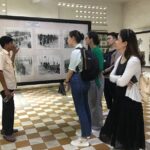
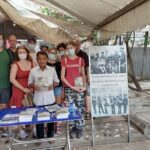
To learn more about Phnom Penh's recent history, these guided visits cover the S-21 and Choeung Ek memorial sites
Price and logistics: what you actually pay for
The tour price is $18 per person, and it’s designed as a guided, transport-included package. The big catch is that entrance tickets are not included, so you should budget separately: $3 for the Choeung Ek site and $5 for Tuol Sleng S21. That puts your total fixed cost at about $26 for admissions, before any tipping.
Is that good value? In my view, yes—especially because you get more than “just tickets.” You’re paying for an English-speaking guide, plus an air-conditioned vehicle and driver doing the Phnom Penh pick-up-and-drop route for you. For many people, that convenience is the difference between a stressful half-day and a manageable one.
Also note the tour is typically booked around a week ahead on average, so it’s worth reserving early if your dates are tight. It’s a small-group tour (max 20), which can sell out depending on the season.
The drive with pickup and air-conditioning: small comfort, big difference
Phnom Penh weather can be draining. This tour helps with the basics: pickup is offered, you travel by clean, safe transportation, and the vehicle is air-conditioned. You also get cold bottled water.
Those details matter on a day like this. You’ll spend time outdoors at Choeung Ek and then inside museums at S21, and your energy level will affect how well you can absorb what you’re seeing. The goal isn’t comfort for comfort’s sake—it’s so you can focus on the message without feeling wiped out.
The tour duration is about 4 hours 15 minutes. That’s long enough to do both sites thoughtfully, but not so long that the experience becomes purely exhausting. If you tend to get overwhelmed quickly, a half-day format like this can be a good match.
Stop 1: Choeung Ek Genocidal Center and the weight of the site
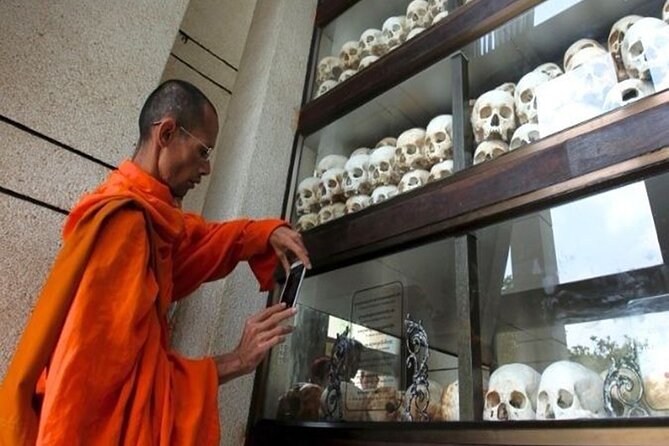
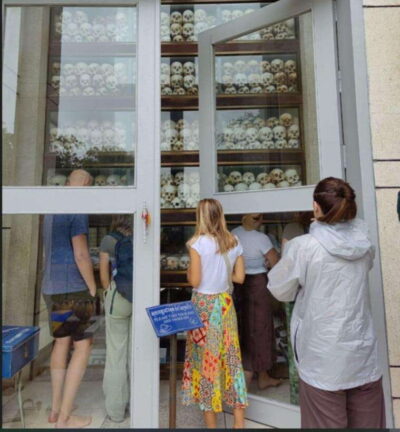
Choeung Ek is about 15 km south of Phnom Penh. The place used to be an orchard and a Chinese cemetery, but under the Khmer Rouge led by Pol Pot, it became known as the killing fields. The tour guide context frames this change as part of a larger takeover and social collapse—not as random violence.
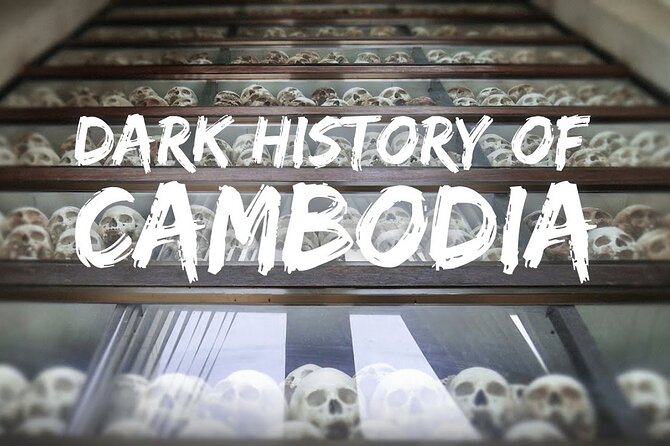
You’ll hear the numbers the center is known for: around 20,000 victims executed there, with 2.5 million people massacred and buried over roughly three years by the regime. Those figures are staggering, and they can feel unreal until you’re standing in the grounds and looking at what remains.
The museum and memorial area after the walk through the site is where you slow down. The visit is structured around remembrance of the dead, not just sightseeing. It can be hard to process. If you’re the kind of person who needs a few quiet minutes to regroup, plan on that. You’re not going to be rushed out, but it’s wise to accept that your emotions may move faster than your schedule.
Consideration: the subject matter here is explicit and graphic. Even if you’re prepared, your body reacts first—stomach, throat, breath. A guide helps you stay grounded, but it won’t make the experience lighter.
Stop 2: Tuol Sleng Genocide Museum (S21) and the prison logic
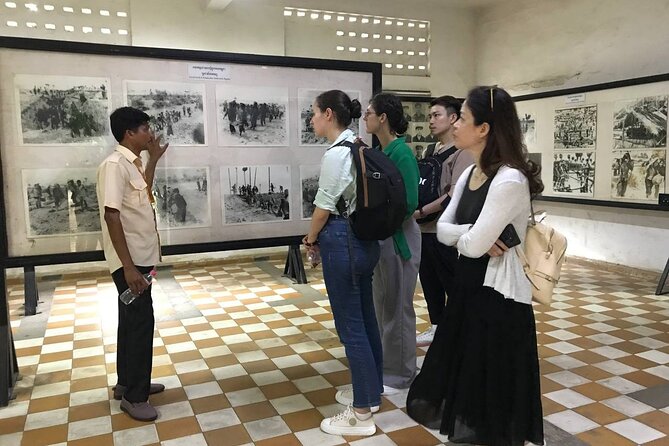
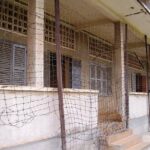
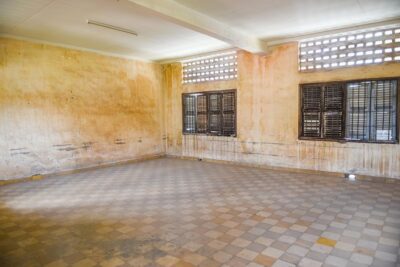
After Choeung Ek, the tour moves to Tuol Sleng Genocide Museum, also called S21. The name connects to the setting: Tuol Sleng means hill of the poisonous trees. The space itself is brutal in its reuse story—Pol Pot turned a once popular high school into a high-security prison.
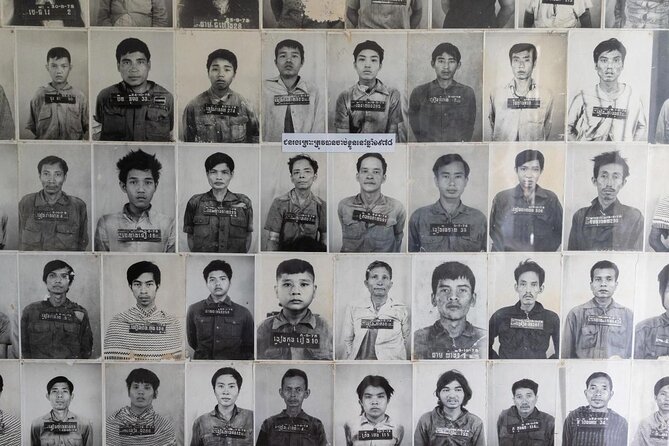
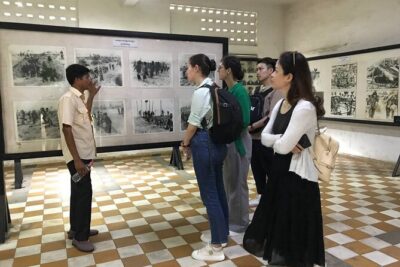
This is the place that explains how terror worked day-to-day. Around 20,000 people were imprisoned there, and many were tortured for information. The museum approach is direct: you’re shown how captives were processed, why the interrogation system existed, and how the prison functioned as part of the Khmer Rouge campaign of control.
A key benefit of guided interpretation is turning rooms and exhibits into a timeline. S21 can feel overwhelming because there’s a lot to read and a lot to see. A strong guide makes the structure clear: what you’re looking at, what happened there, and how the prison fits into the broader Khmer Rouge regime.
One of the most helpful things to look for is the tone of the explanations. In past tours, guides like Mr Seth have been described as respectful, detailed, and personally connected to the history. Another guide named Neang is also noted for strong English and clear explanations, plus the chance to learn a few Khmer words along the way. If you get a guide like that, you’ll likely feel the human responsibility behind the facts, not just a list of atrocities.
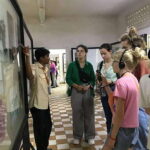
Step inside more of Phnom Penh's museums and galleries
The guide experience: facts, pacing, and respectful tone
This tour is built around a professional English-speaking guide and a driver who handles transportation. You’ll get a guided narrative rather than a DIY experience where you’re guessing at what matters and what’s just background.
From the way the tour is set up, pacing is part of the design: about 2 hours at Choeung Ek and about 2 hours at S21. That gives you time to see major areas without feeling like you’re sprinting through the hardest part of modern history.
The guide’s job is also tone. This subject is not for shock value. You’ll hear explicit descriptions of executions and the prison system. A good guide keeps the conversation factual and grounded, so you learn what you came for without feeling like you’re watching a spectacle.
And you can tell when a guide has a personal respect for the subject. When guides speak with that kind of seriousness, the visit becomes more than photos and captions—it becomes understanding.
What you’ll see and feel at each museum
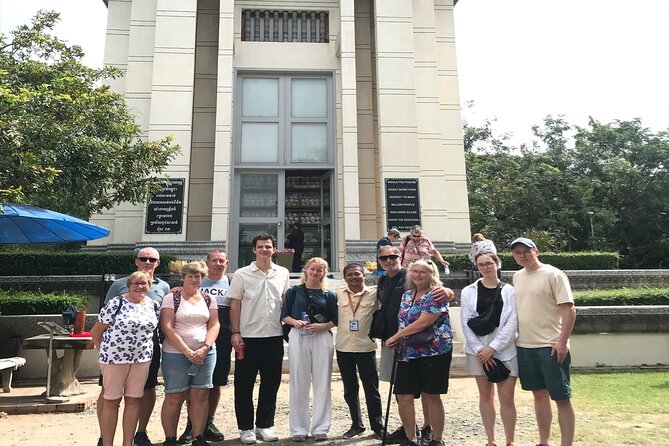
Choeung Ek and S21 both work differently, so it helps to know what to expect.
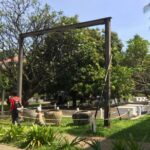
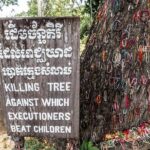
At Choeung Ek, you’re dealing with an open-air site and a memorial-focused environment. It’s about place, aftermath, and remembrance. You may find yourself staring longer than you meant to. That’s normal. This isn’t a museum that lets you “check it off.”
At S21, the focus shifts indoors to the structures of confinement. You’ll likely spend time with exhibits that explain imprisonment and interrogation. The feeling here is more claustrophobic because the system is shown through the walls and layouts of the prison.
Practical tip: keep water with you when you can, and wear something breathable. Even though the tour provides bottled water, you may want to manage your own comfort as you move between areas.
Group size and question-friendly pacing (why max 20 is a big deal)
A maximum group size of 20 is what makes this tour manageable. Larger groups can turn a sensitive site into a conveyor belt. Here, smaller numbers help you hear the guide’s explanations clearly and ask questions without feeling like you’re holding up a giant line.
Also, smaller groups make it easier to coordinate movement between the two sites. You’re not just trying to get from A to B—you’re trying to transition from one heavy context to another without losing track of the story.
If you’re traveling solo or as a couple, the group size still keeps things comfortable. You’re together enough to share the moment, but not surrounded.
Who should book this tour—and who should think twice
This tour fits history lovers who want real context. If you’re coming to Phnom Penh for the story of the Khmer Rouge era—and you want it clearly explained in English with transport covered—this is a strong choice.
It’s also suitable for many travelers because it’s guided and organized, with air-conditioned transport and water. Still, it’s not for everyone. The content is explicitly graphic and emotionally hard.
If you know you get distressed easily by genocide documentation, consider your personal limits before booking. You don’t have to prove anything to anyone. A heavy history site can be meaningful and still not be the right mental load for you on that day.
Practical checklist for a smoother visit
Here’s what I’d plan for based on how the tour is run:
- Bring lightweight, breathable clothes for the heat.
- Use comfortable shoes. Choeung Ek involves time on the grounds.
- Keep a small amount of cash or card ready for entrance tickets.
- Wear something respectful. You’re visiting a memorial and museum.
- If you want to take notes, do it lightly—long writing sessions can pull you away from the emotional impact.
Also, confirmations are handled at booking time, and you’ll receive a mobile ticket. If you’re the kind of traveler who hates surprises, that helps.
Should you book this Phnom Penh killing fields and S21 tour?
Yes, you should book it if you want a structured, guided route through two of the most important Khmer Rouge sites in Phnom Penh—and you value transport and a small group over figuring it out yourself. It’s also good value once you factor in the guide, A/C vehicle, and water.
Only hesitate if you’re sensitive to explicit genocide content or you’re worried you might feel overwhelmed. In that case, consider a lighter day plan or spacing your visits across different days so you can recover.
More Tours in Phnom Penh

More Tour Reviews in Phnom Penh

More Phnom Penh History & Remembrance Visits

Keep browsing: more Phnom Penh tours and day trips our team has reviewed






Killing Fields & Genocide History Tours, compared.
 ★ 4.8The Killing Fields & Tuol Sleng Genocide MuseumFrom $193,337 reviews
 ★ 5.0The Killing Field and Toul Sleng Genocide Museum (S21) TourFrom $191,977 reviews
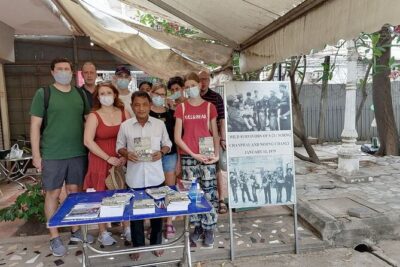 ★ 5.0Killing field and Toul Sleng genocide museum TourFrom $19610 reviews
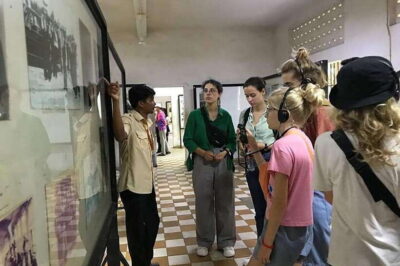 ★ 4.8killing field & Toul Sleng genocide museum TourFrom $19540 reviews
 ★ 4.9Highlights Tour Including S21 and Killing FieldsFrom $30453 reviews
 ★ 5.0Visit 11 Places in One Day including S21 & Killing FieldFrom $30361 reviews
 ★ 4.9Royal Palace, S21, Killing Fields & More TourFrom $35295 reviews
 ★ 4.0Killing Fields and Prison S21 Bus TourFrom $15206 reviews
Browse the lists this tour appears in