
Reviewed · TOURS
Phnom Penh & Kirirom National Park Birds Tour
Five-thirty arrives fast in Phnom Penh, but the birds make it worth it. I love how guide Thong tracks birds by sound, with great English and real skill finding tricky species. I also like the mix of habitats, plus the one-night Chambok homestay and early-morning breakfasts that keep you focused on nature instead of doing city errands.
One thing to think about: birding here is rated moderate, and some targets are genuinely hard, especially in humid lowlands with occasional rain showers. If you want guaranteed, easy sightings on a checklist no matter what, this style may feel a bit challenging.
In This Review
- Key Highlights You’ll Care About
- From Phnom Penh at 5:30am to the Countryside by Mekong
- Chambok Home Stay Birding: Lotus Fields, Rice Cultivation, and Lake Edges
- The homestay side (and why it’s not just a bed)
- Day 2 at Kirirom: Sunrise Forest Birding on an Easy Pace
- The Species Game: 50 to 80 Birds Across Hard-to-Spot Groups
- Why “tricky species” can be a good thing
- Photography in Humid Lowlands: What Works and What to Prepare For
- Getting Real Value From $350 for Two Days of Birding
- Who This Birding Tour Fits Best
- Should You Book the Phnom Penh & Kirirom Birds Tour?
- FAQ
- What time does the bird tour start?
- How long is the tour?
- How many bird species should I expect to see?
- Where do you bird on Day 1 and Day 2?
- Is pickup offered, and how big is the group?
- What’s included in the $350 price?
- What costs are not included?
- What happens if weather is bad?
Key Highlights You’ll Care About
- An ultra-early start with a Mekong ferry crossing so you’re birding while the day is still cool and active
- Chambok lakeside fields (lotus and rice) plus a community homestay for hands-on rural ecology
- Sunrise birdwalking in Kirirom National Park at an easy pace, aimed at forest specialists
- Thong’s call-first birding helps you locate birds you might miss by sight alone
- Photo-friendly conditions across open fields and shaded forest (even when it’s humid)
- Small group size (maximum 8), which usually means less waiting around and better bird-spot focus
From Phnom Penh at 5:30am to the Countryside by Mekong
This tour’s real superpower is the timing. The day kicks off around 5:30am, which matters because birds sing, hunt, and move more actively in early light. You’re picked up in Phnom Penh and then moved by an air-conditioned vehicle, which is a comfort upgrade when the lowlands start turning hot and sticky.
There’s also a ferry crossing of the Mekong River, followed by a drive toward the birding side. That crossing isn’t just transport. It helps set the mood: you’re leaving the city rhythm behind and slipping into a quieter landscape where birds start showing up before most people are even awake.
A few more Phnom Penh tours and day trips our team keeps coming back to
Chambok Home Stay Birding: Lotus Fields, Rice Cultivation, and Lake Edges
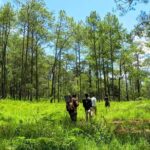
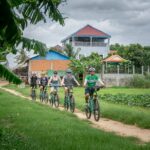
Day 1 centers on Chambok Home Stay, with a morning arrival at a natural lake area where local farmers grow lotus, paddy rice, and vegetables. This habitat mix is exactly why this leg feels different from a pure forest hike. You’re in farmland-country, where birds take advantage of the structure of fields, the edge of water, and the cover created by crops and shoreline vegetation.
Even if you’re new, this is a smart place to learn. You get a chance to practice noticing bird behavior: perching patterns, short bursts of flight, and feeding zones around cultivation and watery edges. And because the tour is designed around multiple habitats—not just one—you’re not stuck looking at the same scenery all day.
The homestay side (and why it’s not just a bed)
You spend one night at Chambok Community Based Ecotourism. That’s meaningful because it ties your trip to a place where locals manage tourism through community systems, not just a pass-through lodge. Lunches and breakfasts are included, and you’ll start the next day already connected to the local routine.
Two practical notes:
- Dinner and an entrance ticket fee at Chambok ecotourism are not included (listed as 7 USD).
- You’ll likely feel the early start, especially with humid air. Bring a rain layer and something light for late morning sun if it breaks through.
Day 2 at Kirirom: Sunrise Forest Birding on an Easy Pace
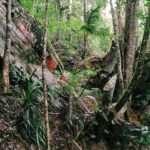
Kirirom National Park is where the tour shifts into classic bird country. You start with sunrise birdwatching, then walk at an easy pace to look for forest species. This is a great match for people who want nature and birds without signing up for a punishing trek.
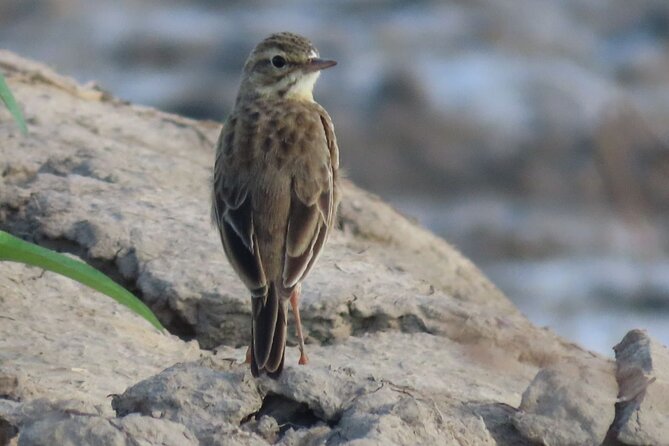
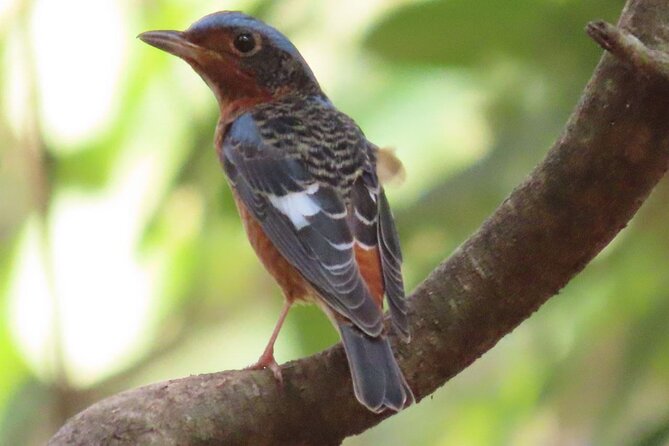
What you can look forward to here includes forest targets such as Greater Racket Tailed, Forest wagtail, White rumped Shama, Red-whiskered Bulbul, and Puff-throated Babbler. Those names are your clue: this isn’t only about flashy big birds. It’s also about songsters, understory activity, and the kind of birds that reward patience.
Kirirom also fits the tour’s broader habitat plan. Across the two days, you’re covering lowland broad-leaved and tropical moist forest, which is different from the lotus-and-rice world of Day 1. That habitat switch is a big part of why you’re expected to see a wide range of species.
The Species Game: 50 to 80 Birds Across Hard-to-Spot Groups
The tour is built around seeing 50 to 80 species across two days. That’s a healthy range for birding in Cambodia, especially when the targets include both common-feeling birds and the ones that require sharp ears.
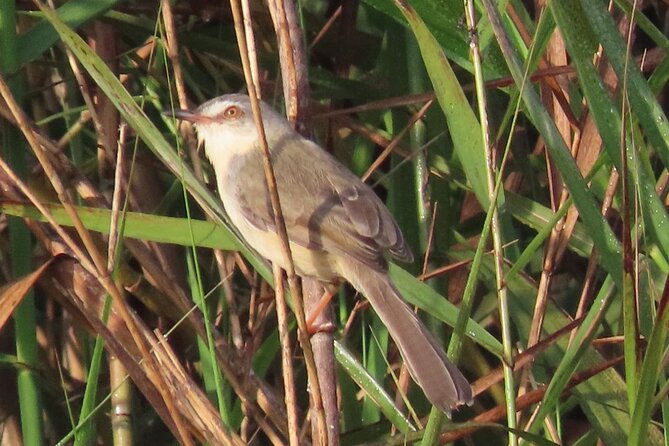
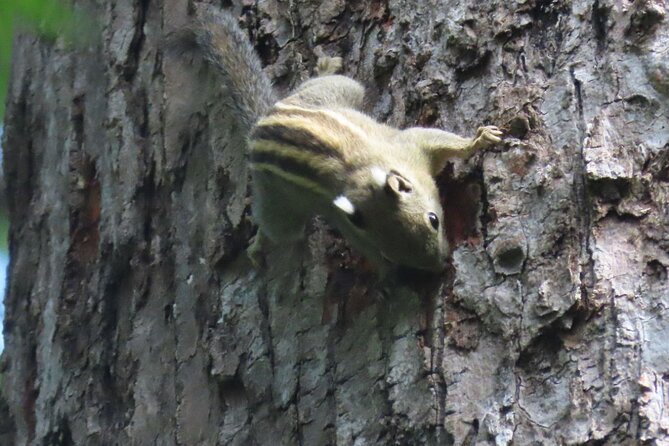
Your species list runs from water-and-edge birds to forest birds. Expect opportunities for birds like Oriental Pratincole, Collared kingfisher, Green bee-eater, Blue bearded bee-eater, Ashy Drongo, Black-naped Oriole, Blue-eared Barbet, and Chinese Francolin. There are also tailorbird targets such as Cambodian Tailorbird and Dark-necked Tailorbird, plus flycatchers like Asian brown flycatcher and Grey headed canary flycatcher.



Why “tricky species” can be a good thing
The tour rates birding as moderate with some very tricky species. That sounds like a warning, but it’s also where a guide adds real value. Birds that are hard to find are often hard to identify too, and that usually comes down to call, movement style, and habitat match. If you’ve ever watched a bird flit through cover and thought, what was that, you’ll understand why a sound-focused guide matters.
This is where Thong earns his keep. Based on what people highlight from his approach, he can locate many birds by following their calls, not just by scanning with your eyes. You’re not stuck guessing; you’re learning how birders actually find targets in dense or low-contrast habitats.
Photography in Humid Lowlands: What Works and What to Prepare For
You’ll get good photographic opportunities, but the conditions can be demanding. The tour expects humid lowlands with occasional rain showers. That means fast weather changes and air that can make the light feel different than in dry climates.
Here’s the practical mindset I’d bring:
- Plan to shoot in early light when the forest and fields wake up.
- Expect short windows where a bird shows itself, then vanishes.
- Bring a way to protect your camera from sudden rain.
Also remember: some birds can be heard well before you see them. If you’re hoping for clean, close views, you’ll want to stay patient and ready when your guide calls your attention to movement or calls.
Getting Real Value From $350 for Two Days of Birding
At $350 per person for about 2 days, the value comes from what’s bundled, not just the price tag. Inclusions include:
- Local birding guide and local guide
- Air-conditioned vehicle
- One night homestay at Chambok
- 2 breakfasts and 2 lunches
For birding tours, transport and morning timing cost real money, and you’re paying for that convenience. You also get a small group limit (max 8), which can improve spotting efficiency because you’re not watching from the back of a crowd.
What’s not included is also clear:
- Dinner and the Chambok entrance ticket fee (7 USD)
- Miscellaneous personal expenses and tips
- Travel insurance
So if you’re the type who usually buys separate transport, pays for guides, and then ends up adding meals and entry fees, this package can look fair. If you prefer to travel fully independent with your own driver and self-guided birding apps, you may find the cost higher than solo exploring. But for most people, the guide-driven logistics and early starts justify the price.
Who This Birding Tour Fits Best
This experience makes the most sense for you if you:
- Want structured birding with a guide who helps you find birds by call
- Like learning in the field, not just reading checklists
- Enjoy early mornings and don’t mind humidity as the trade-off for good bird activity
- Prefer nature-focused days over city shopping stops
It also fits beginners. One of the strongest themes in the feedback is that it’s a solid bird introduction, with the guide able to locate birds while helping people understand what they’re hearing and seeing. The group format and clear English also help reduce the stress of identifying birds you can’t name yet.
One caution: because the tour is moderate and includes very tricky species, it’s less ideal for someone who needs every sighting to feel easy. If you’re okay with learning as you go, you’ll likely enjoy it more.
Should You Book the Phnom Penh & Kirirom Birds Tour?
I think you should book it if you want a two-day Cambodia birding trip that’s countryside-first, starts early, and uses a real guide approach to find species you might miss on your own. The combination of lotus and rice habitats in Chambok plus sunrise forest birding in Kirirom is a smart way to cover different ecosystems without spending extra days in transit.
I’d pause and think twice if you’re sensitive to early wake-ups, you’re not comfortable in humid conditions with the possibility of rain, or you want a guaranteed parade of easy birds with zero tricky moments. But if you’re there to learn, listen, and work your way toward better sightings, this one looks like a strong fit.
FAQ
What time does the bird tour start?
The start time is 5:30am.
How long is the tour?
The tour is listed as 2 days (approx.).
How many bird species should I expect to see?
The tour targets 50 to 80 species.
Where do you bird on Day 1 and Day 2?
Day 1 focuses on areas around Chambok, including lotus fields and rice cultivation near a natural lake. Day 2 is Kirirom National Park for sunrise birdwatching in forest habitats.
Is pickup offered, and how big is the group?
Pickup is offered, and the tour has a maximum group size of 8 travelers.
What’s included in the $350 price?
Included are a local birding guide and local guide, air-conditioned vehicle, one night homestay at Chambok, plus 2 lunches and 2 breakfasts.
What costs are not included?
Not included are dinner and an entrance ticket fee at Chambok ecotourism (7 USD), plus miscellaneous personal expenses, tips, and travel insurance.
What happens if weather is bad?
The experience requires good weather. If it’s canceled due to poor weather, you’ll be offered a different date or a full refund. You can cancel for a full refund up to 24 hours in advance.
More Tours in Phnom Penh
More Tour Reviews in Phnom Penh

More Kirirom, Bokor & Mountain Trips in Phnom Penh
Keep browsing: more Phnom Penh tours and day trips our team has reviewed








Tours, compared.
 ★ 5.0The Killing Field and Toul Sleng Genocide Museum (S21) TourFrom $191,977 reviews
 ★ 5.0Killing field and Toul Sleng genocide museum TourFrom $19610 reviews
 ★ 5.0Phnom Penh Full Day Private Tour Included All Admission TicketsFrom $97585 reviews
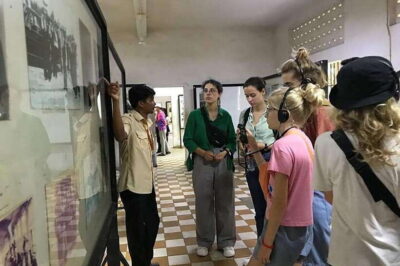 ★ 4.8killing field & Toul Sleng genocide museum TourFrom $19540 reviews
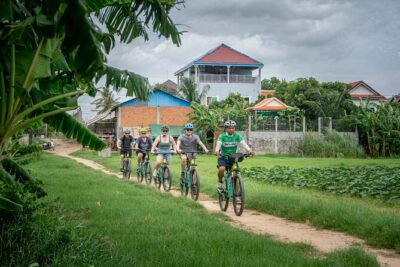 ★ 5.0Phnom Penh Silk Island Bike Tour/ E-Bike or Tuk TukFrom $35495 reviews
 ★ 4.9Highlights Tour Including S21 and Killing FieldsFrom $30453 reviews
 ★ 5.0Ultimate Phnom Penh Food Tour by Tuk Tuk: 20 Tastings and DrinksFrom $69409 reviews
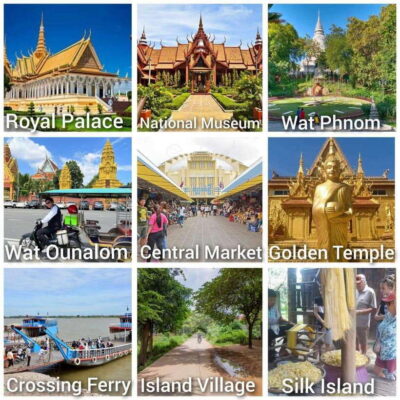 ★ 4.8City & Silk Island Full or Half Day TourFrom $30345 reviews