Reviewed · PHNOM PENH
Phnom Penh: 2-Day Aural Mountains Hiking Adventure
Two days in Cambodia’s Cardamom Mountains can feel like a movie. This trek up Phnom Aural mixes hard jungle steps with a real wilderness camp, plus that big 360-degree summit payoff. I like that the route is built around the mountain’s remoteness, not a quick walk-and-leave day. I also like the human side: you eat with villagers and spend the evening listening and learning around the campfire. The main drawback is simple: it’s physically demanding, and the night gets cold (down to about 10–18°C), so you need real jungle-conditions gear.
Logistics are handled by Slina Smile Tour, with English-speaking support and clear communication from Lina, which matters a lot when you’re starting at 4:30AM and heading far from normal services. You’ll be away from modern conveniences and moving at an active pace, so this isn’t a “relax and take photos” outing. If you’re fit, you’ll love how the days unfold: village arrival, forest trekking, secluded camping, then a summit push before noon.
In This Review
- Key points you’ll care about most
- Getting to Phnom Aural: the 4:30AM start and the village base
- Tractor rides in the rain season, then straight into dense jungle trail
- Waterfall breaks, lunch moments, and the kind of viewpoints people skip
- Day 1 camp in the forest: sunset views, campfire stories, and sleeping under stars
- Day 2: breakfast at 7AM, the airplane crash site, then the summit by noon
- Food, gear, and the $219 value: what’s really included
- Gear notes that actually matter
- Fitness level, temperature swings, and safety reality checks
- Planning tips so day one doesn’t steamroll you
- Should you book this Phnom Aural 2-day hike?
- FAQ
- How long is the Phnom Aural hike?
- What time does the tour start, and when do we return to Phnom Penh?
- What meals are included?
- Is there transportation included?
- Do I get a tent, and do I need my own sleeping bag?
- What weather should I prepare for at night?
- Is the tour suitable for kids or people with mobility issues?
- Are there rules about smoking or touching plants?
Key points you’ll care about most
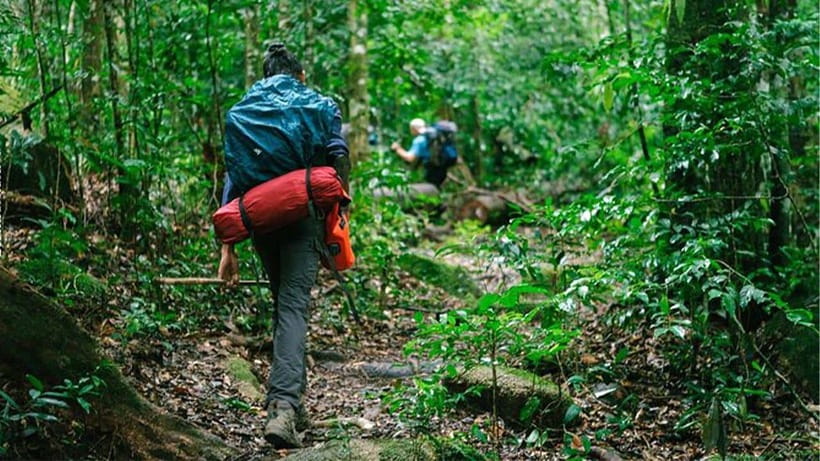
- Phnom Aural summit timing: aim to reach the peak by around noon for 360 views
- Secluded forest camping: sleep deep in the woods, far from modern distractions
- Hidden stops with real purpose: waterfalls and viewpoints where you actually cool off and rest
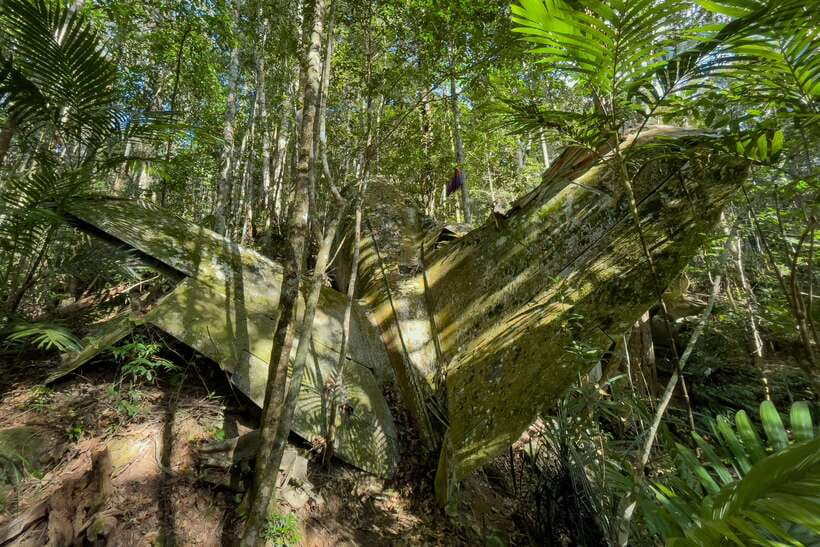
- A rare extra site: you visit an airplane crash location on the way up
- Village-first meal setup: you meet locals at the base and choose your lunch options before hiking
Getting to Phnom Aural: the 4:30AM start and the village base
The day begins early, with a 4:30AM meeting with your guide and driver. From there, you drive to a remote village at the base of Phnom Aural. On the way, you stop for breakfast, which is a small detail that makes a big difference. Starting the hike later in the day can turn it into a heat slog; starting early keeps the jungle more manageable.
When you arrive, you meet local villagers and get involved in the meal setup. The plan includes time for you to pick your own lunch options at the village before you head into the trail. I like this approach because it turns the “base day” into something more than a waiting room. It also helps you understand the landscape you’re walking through, since you’re starting at the mountain’s human edge, not from a distant parking lot.
One thing to keep in mind: you’re coming all the way from Phnom Penh, and the day doesn’t return until late 8/9PM on day two. So even though the official hiking time is only two days, your overall commitment is the full block.
A few more Phnom Penh tours and day trips our team keeps coming back to
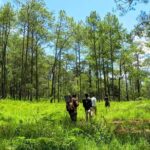
Tractor rides in the rain season, then straight into dense jungle trail
After you leave the village, you travel by local hand tractor as part of the route, especially during the rain season. This is one of those practical details that signals what the terrain is like. You’re not just doing a normal nature walk. You’re working your way through a wilderness access system built for the conditions out here.
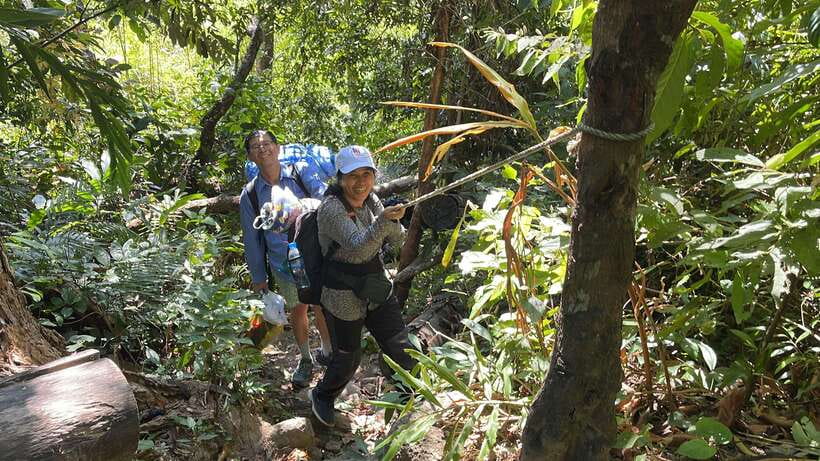
Once you’re on the trekking route, expect a mix of green forest sections, small stream crossings, and steady uphill movement. You’ll move past hidden viewpoints, with stops along the way for breaks. You should also anticipate heat and humidity—especially if you go in warmer months—because the trail is in jungle conditions, not open-air switchbacks.
If you’re the type who likes to travel light but still be comfortable, this is a good place to tighten your packing. You’ll be carrying essentials, and the itinerary suggests you keep your carry bag under 5kg. That doesn’t mean you pack nothing—it means you pack only what you truly need for a two-day push.
Waterfall breaks, lunch moments, and the kind of viewpoints people skip
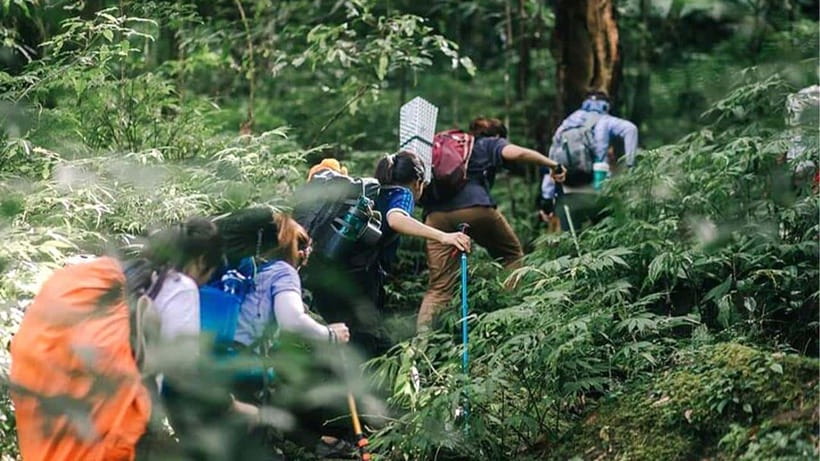
Half the value of this hike is that it doesn’t treat scenery like an optional extra. The route includes waterfall time and viewpoint time, built into the walking rhythm. You’ll have lunch at (or near) a hidden waterfall view, and the idea is that you can cool off while you rest. This is practical travel design: break, refuel, reset, then keep moving.
Along the way, you’ll also pass hidden viewpoints that most people miss. You’re getting off the most obvious path and heading into “earned” views—what you see after you’ve done the work, not what you see from a roadside platform.
From the way the trip is run, you can expect that the pace is managed, with guides directing breaks and timing. You’re not on your own, and that helps when the trail is uneven and the weather changes.
Day 1 camp in the forest: sunset views, campfire stories, and sleeping under stars
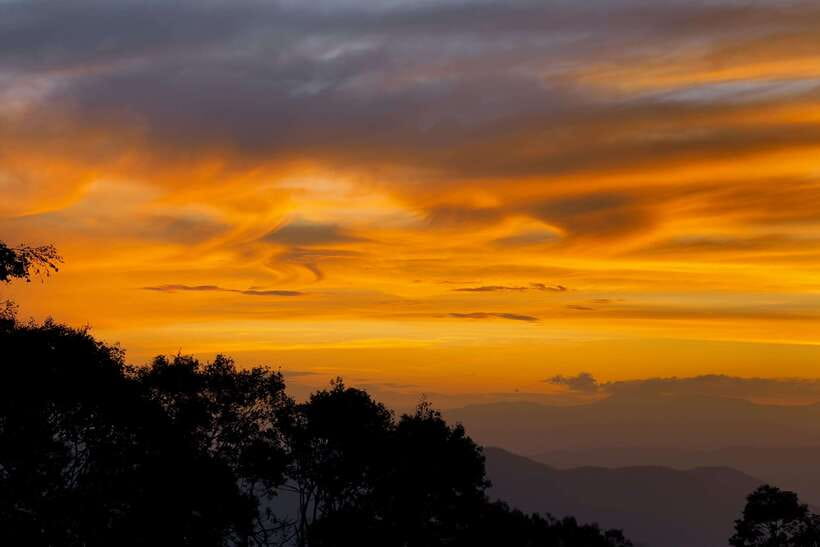
As evening approaches, you set up camp in a secluded spot deep in the forest. The location is chosen for quiet, and the sunset view is part of the plan. I love this section because it turns the hike into a full overnight experience instead of just a two-day walk. The difference is nightfall: birds, insects, and that forest soundscape takes over.
Around the campfire, you join the group for stories about the region and the ecology of the Cardamom Mountains. This is more than entertainment; it gives context for what you walked through all day. Dinner is cooked with a local drink involved, and you’ll also play games before sleep. Then the night hits—sleeping under the stars, far away from distractions of modern life.
Here’s the real consideration: nighttime is cold, listed at roughly 10–18°C. Even if the day feels hot, you need to plan for a chilly evening and cooler sleeping conditions. Bring the sleeping bag you’re told to bring, and use layers. If you skimp, you’ll feel it fast once you’re still.
The camp setup includes one tent for two people (and you carry it with your group). You can add an extra solo tent for $10 if needed, but it’s not included as a default.
Day 2: breakfast at 7AM, the airplane crash site, then the summit by noon
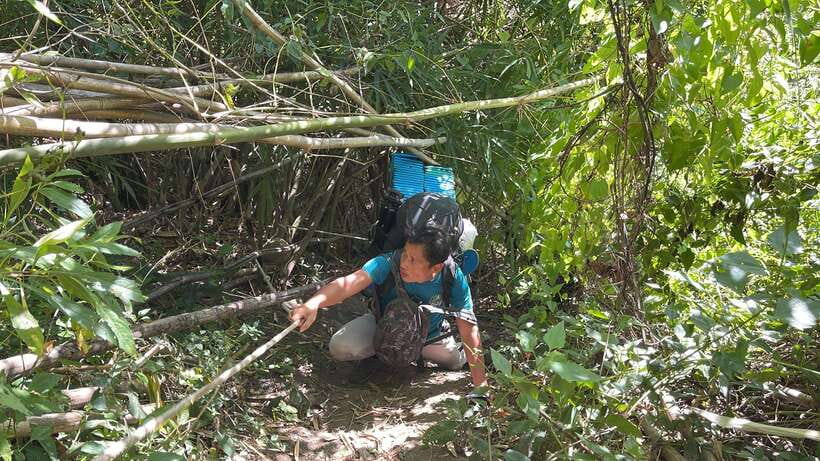
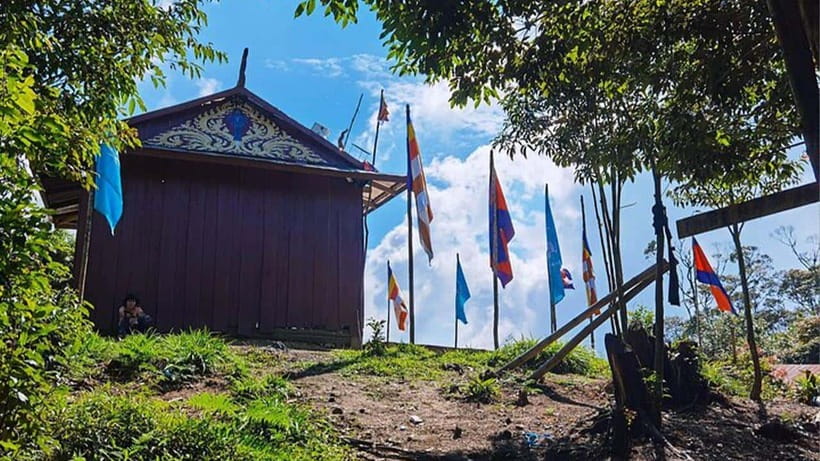
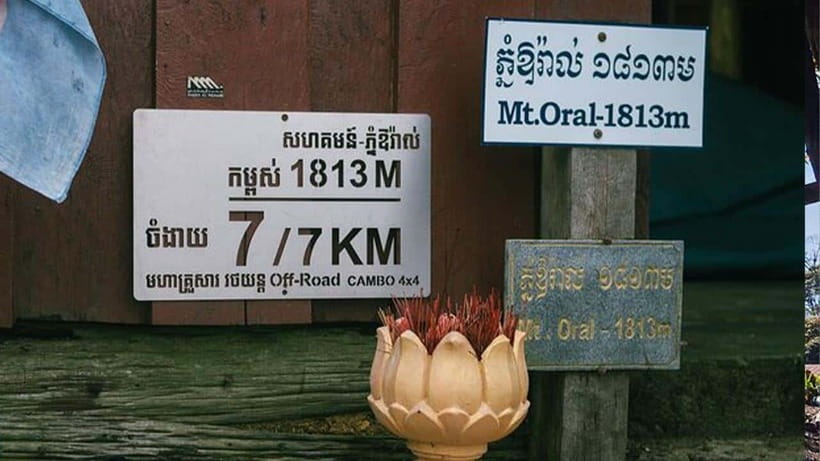
Day two starts with breakfast at 7AM. After that, you continue upward toward the summit of Phnom Aural. The big “wow” factor is the timing: you’re planned to reach the peak by noon, which matters because views are best when conditions are clear and the light works.
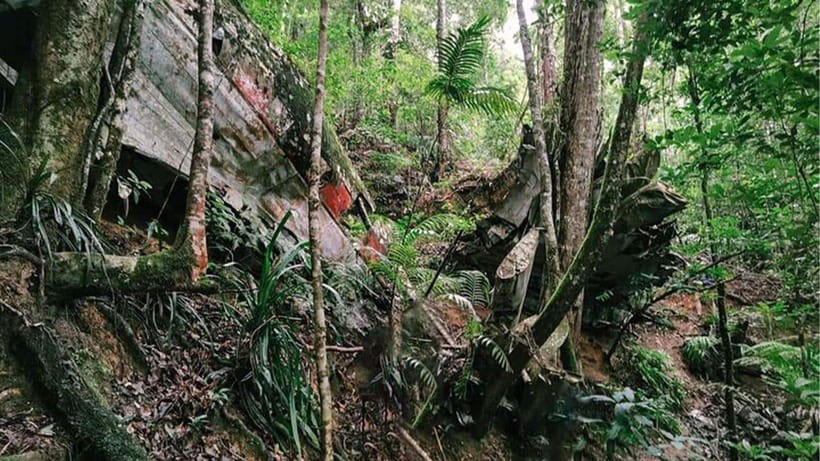
Along the way, you visit an airplane crash site. The itinerary treats it as a stop you can see and learn about as you hike—so it’s not just a photo opportunity. It also adds a thoughtful pause in the climb, which helps break up the physical effort.
Then comes the summit. You get 360-degree views of the surrounding mountain range. This is the moment people remember, because it’s not just a ridge look—it’s a full-circle panorama that makes the entire two-day effort feel worth it.
If you still have time after the peak, you explore more hidden places around the summit area. Then you return to the campsite for lunch, and later you hike back down to the village. You also take a moment to reflect together before the drive back to Phnom Penh, typically arriving by late 8/9PM.


Food, gear, and the $219 value: what’s really included
At $219 per person for two days, the value comes from what’s wrapped into the package. You’re paying for more than a guide. The trip includes:
- 2 breakfasts, 2 lunches, and 1 dinner
- Transportation for the whole trip (bus and tractor)
- Community entrance fees
- 1 tent for two people (carried by the group)
- Tea and coffee, plus refilled water and hot water
- A first aid kit
That’s a lot of “hidden costs” that would be hard to recreate if you tried to arrange things on your own—especially when you’re going deep into a remote region.
What’s not included is also clear: dinner on day two is not included, and snacks, soft drinks, and alcoholic drinks aren’t covered. If you’re the type who needs extra calories between meals, plan to bring some non-alcoholic comfort items from home—but stick to what you can carry.
Gear notes that actually matter
The pack list is practical, and you should take it seriously. The essentials include:
- Sleeping bag and pillow for the cold night
- Flashlight (needed if you’re moving around before sunrise)
- Hat and scarf (sun and insects)
- Insect repellent and motion sickness prevention (listed for the trip)
- Hiking shoes or sturdy footwear, plus socks
- A daypack and a way to carry food (meal box/spoon/fork are suggested)
- Sunscreen
Also, you’re advised not to bring jewelry or expensive items. In a forest camp and on a trek, small valuables turn into unnecessary stress.
Fitness level, temperature swings, and safety reality checks
This is listed as physically demanding. It’s suitable for people with a good level of fitness, and the trail includes jungle heat conditions plus uneven walking. In practice, you should assume your legs will feel it by day one.
Nighttime temperatures can get cold (10–18°C), so you’re juggling both physical effort and weather shifts. That’s why layers matter more than people think. A light jacket or warm layer can be the difference between sleeping well and lying awake.
The hike is also not suitable for:
- Children under 12
- Pregnant women
- People with mobility impairments
- People with heart problems
And there are simple conduct rules: no smoking, no littering, and don’t touch plants. Those aren’t just “nice to have” guidelines. They protect the place you’re walking through and keep the group safe and respectful.
Planning tips so day one doesn’t steamroll you
If you’re aiming for a strong experience, plan around pacing and comfort.
- Start hydrated and keep drinking on the move. Water is refilled during the trip, but you still need to use it consistently.
- Protect from sun early. A hat and sunscreen aren’t optional in a jungle hike that starts pre-dawn but still hits daytime heat.
- Pack for cold night conditions even if the day feels warm. The forecast you experience in Phnom Penh won’t tell you what your sleeping bag needs.
- Expect insects. Mosquito spray is specifically recommended, and it’s smart to apply it before dusk.
Also, consider how you carry your gear. With a tent shared by two people and carried by you, heavy packing slows the group down. Keep your load controlled and you’ll enjoy the trek more.
Finally, don’t treat the stories and campfire time as a break you can skip. The evening is part of the tour value. It gives meaning to what you saw—forest life, the ecology of the Cardamom Mountains, and regional context—so the hike turns into a story you understand, not just steps you survive.
Should you book this Phnom Aural 2-day hike?
Book it if you want a real jungle summit challenge, with secluded forest camping and a planned summit by noon for 360-degree views. This is also a strong pick if you like cultural connection at the base village and you want the guide to explain what you’re seeing, not just lead you from point A to point B.
Skip it if you’re not comfortable with a physically demanding hike, cold nights, and limited modern conveniences. Also pass if you fit any of the listed unsuited categories (especially mobility or heart-related limits).
If you’re fit, flexible, and excited by wilderness over comfort, this is the kind of trip that turns into a memory you’ll keep talking about.
FAQ
How long is the Phnom Aural hike?
The experience runs for 2 days.
What time does the tour start, and when do we return to Phnom Penh?
You meet your guide and driver at 4:30AM. On day two, you return to Phnom Penh and typically arrive by late 8/9PM.
What meals are included?
The tour includes 2 breakfasts, 2 lunches, and 1 dinner. Dinner on day two is not included.
Is there transportation included?
Yes. The package includes transportation for the whole trip, listed as bus and tractor.
Do I get a tent, and do I need my own sleeping bag?
You’re provided 1 tent for two people, but you should bring your own sleeping bag and pillow.
What weather should I prepare for at night?
Nighttime can be cold, listed at about 10–18°C.
Is the tour suitable for kids or people with mobility issues?
It is not suitable for children under 12, pregnant women, people with mobility impairments, or people with heart problems.
Are there rules about smoking or touching plants?
Smoking is not allowed, littering is not allowed, and you should not touch plants.