Reviewed · PHNOM PENH
Aural Mountain Trek: Cambodia Tallest Peak Challenge
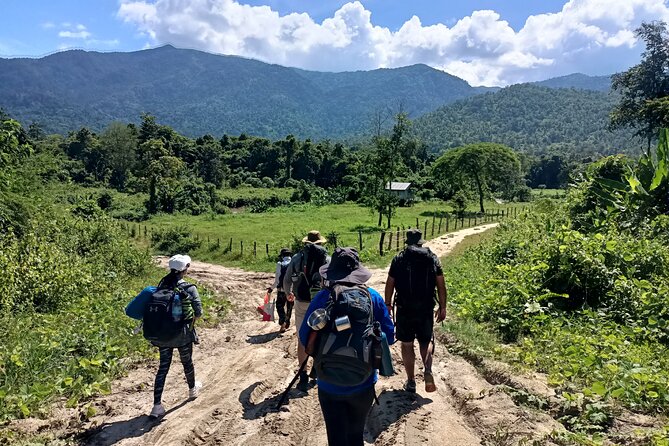
A peak you can’t fake. I like that this trek targets Aural Mountain (1813 m) with a real jungle-camping feel, not a staged “nature walk.” You’ll spend nights in tents or hammocks, eat proper camp food, and get a local team cooking and setting things up so you can focus on the climb and the views. The main drawback to weigh: this is tough going in hot, humid conditions, and you should expect critters in camp.
I also like that the trip mixes nature with grounded culture—village stops, rural life, and even a forest stop tied to the country’s civil-war past. The other thing to consider is timing and comfort: you start early (7:30 am), hike hard for base-camp stretches, and you’ll be sleeping outdoors for two nights before returning to Phnom Penh.
In This Review
- Key highlights worth clocking before you go
- Why the Aural Mountain challenge feels like Cardamom Country
- Price and value: what you’re paying $385 for
- From Phnom Penh to the trail: starting bright at 7:30 am
- Day 1: village visits, bamboo forest camp, and settling in
- Day 2: base camps, humid climbing, and the plane crash in the forest
- Summit day: reaching Aural Mountain at 1813 m
- Night two: sleeping under the trees and watching the stars
- Hitting the trail back to Phnom Penh
- Camping reality: tents or hammocks, local meals, and water care
- What to pack and how to handle the formal dress code
- Who should book this Aural Mountain challenge
- Should you book Aural Mountain Trek with Vana Adventure Travel?
- FAQ
- Where do I meet and is hotel pickup included?
- How long is the trek?
- What’s included in the $385 price?
- Are meals and drinks included?
- How large is the group?
- What luggage can I bring?
- Is free cancellation available?
Key highlights worth clocking before you go
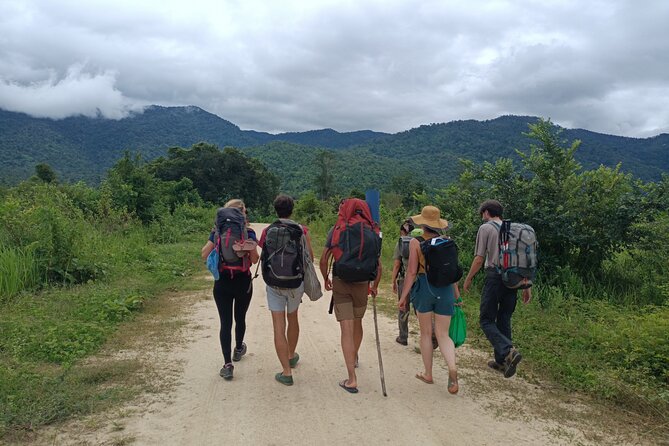
- Cambodia’s highest peak goal: Aural Mountain at 1813 m, plus views over the surrounding ridges
- Bamboo-forest camping by a natural waterfall: tent or hammock nights near the sounds of water
- Villages and rural culture time: you’ll visit local villages and learn how people live away from big cities
- A 1974 plane-crash stop in the forest: wreckage of a Lon Nol-era air force plane, shot down during the 1974 civil war
- Full-service trekking support: guides handle camp setup and cooking so you’re not running your own camp
- Small-group size: guaranteed small group, with up to 10 people on this trip
Why the Aural Mountain challenge feels like Cardamom Country
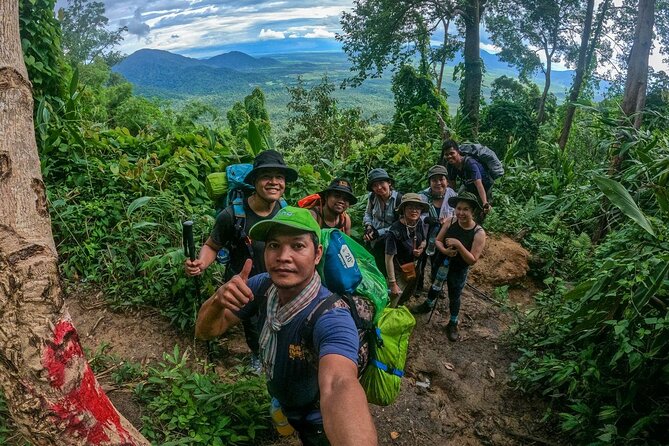
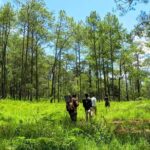
This isn’t a drive-to-a-viewpoint trip. The whole point is pushing into the eastern Cardamom Mountains and earning your vantage points with hiking, heat, and sweat. You’re climbing Cambodia’s tallest peak—Aural Mountain at 1813 m—so even if you’re not a summit-obsessed person, the elevation goal gives the trek a clear rhythm and payoff.
What I like most is that the scenery isn’t just “pretty.” You get a mix of big views and “in-the-woods” moments: bamboo forest camp, trails that pass multiple hills, and a forest stop connected to a specific historical event. One highlight calls out a plane crash site—the wreckage was from a Lon Nol air force plane shot down in 1974 during the civil war. That kind of stop changes the vibe. It turns the trek from only nature into something more human and grounded, like you’re moving through real places with real stories.
A few more Phnom Penh tours and day trips our team keeps coming back to

Price and value: what you’re paying $385 for
At $385 per person, this trek isn’t trying to be cheap. The value comes from the fact that this is a fully-serviced camping trek, not a self-guided hike.
Here’s what’s included that matters on a 3-day, tent-based trek:
- Hotel pickup and drop-off in Phnom Penh
- Professional guide and local guides
- 2 nights accommodation in a tent or hammock (packed for you by the operator)
- Meals as per itinerary (breakfast, lunch, dinner)
- Drinking water
- Local transport if required and round-trip private transfer
What’s not included is also important:
- Alcoholic drinks
- Travel insurance
- Personal expenses
For me, the best value piece is that you’re paying for people who do the camp work. The trek team sets up your tent or hammock and cooks local meals, so you’re not spending your energy on logistics. On a hike that includes base-camp stretches in hot and humid conditions, that support is not a nice-to-have—it’s what keeps the trip enjoyable instead of chaotic.
Also, the public rating is strong: 4.9/5 with 14 entries, and 100% recommended. That doesn’t automatically make it perfect, but it suggests people felt the experience delivered.
From Phnom Penh to the trail: starting bright at 7:30 am
You begin at 7:30 am, and the tour includes hotel pickup and drop-off plus round-trip private transfer. Practically, that means you’re not hunting for buses or assembling a plan. You roll from Phnom Penh into the mountains with the operator handling the big moving parts.
One thing to mentally prepare: early starts can feel extra early when you’re planning for a multi-day hike. But starting in the morning also makes sense for trekking—cooler air at the beginning can help your pacing later, especially in a trip described as hot and humid.
If you’re the type who hates “missing instructions,” you’ll like the mobile ticket approach. Confirmation comes at booking time, and you don’t have to worry about printing something out.
Day 1: village visits, bamboo forest camp, and settling in
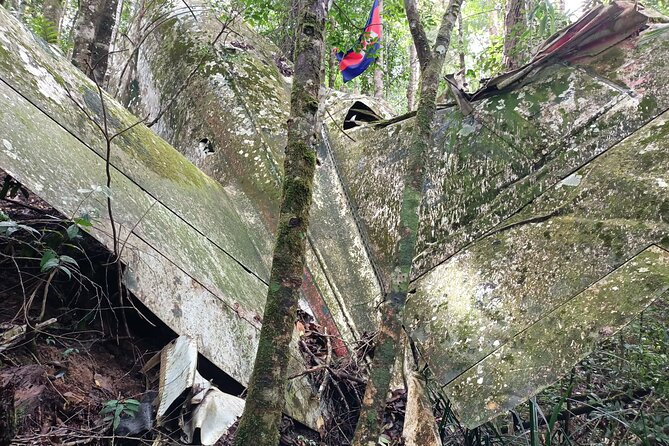
On day one, you’ll start working your way into the mountains and get the human side of the region before the trek stretches fully into wilderness mode. The trip specifically includes visiting local villages and learning about rural culture—how people live in areas outside big-city life.
Then comes your first real overnight setup: camping in a bamboo forest close to a natural waterfall. That detail matters more than it sounds. A waterfall means consistent ambient sound and usually cooler, more damp air in the area. It can feel dreamy at night, but it also affects comfort—your gear may feel slightly damp, and you’ll want to keep your dry items protected.
Accommodation is tent or hammock, and the trek team handles setup. In other words, you won’t be “figuring out camping” for the first time on a jungle trek. Still, sleeping outdoors means you should expect bugs and wildlife sounds. One theme from the field is that the conditions come with critters, and you’ll be sleeping in tents—not a luxury bed scenario.
Practical move: pack for quick protection from the basics (sunscreen, bug prevention, and something warm-ish for evening), and keep your most-used items easy to grab during short breaks.
Day 2: base camps, humid climbing, and the plane crash in the forest
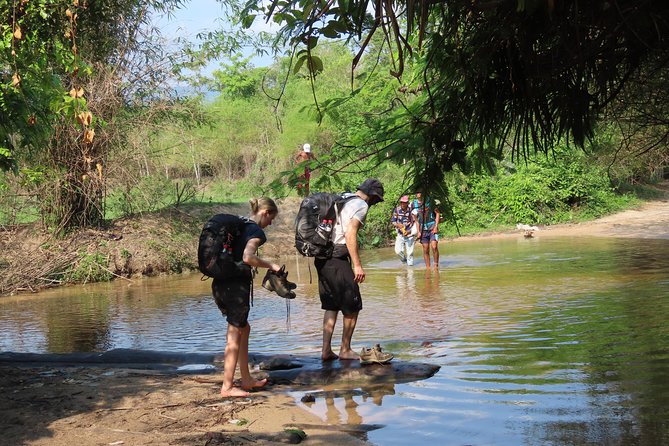
Day two is where the trek turns more strenuous. One review summary described a challenging climb up to base camp 1 and base camp 2 in hot and humid conditions, plus plenty of critters to deal with. Even if you’re fit, expect this day to test your stamina and your patience with the heat.
This is also when the trip includes a striking stop: a plane-crash site in the forest. The wreckage is tied to a Lon Nol air force plane shot down in 1974 during the civil war. You’re not stopping for a quick photo only—you’re passing through a real remnant in the middle of the jungle. It’s the kind of moment that makes the trekking feel larger than a workout.
Why I think this works for most people:
- It breaks up the day so you’re not only thinking about steps and sweat.
- It gives the trek context, so you feel like you’re moving through history and geography, not just greenery.
The downside is simple: you’ll still be hiking. Heat + humidity + steep stretches can wear you down. Don’t treat this day like a race. Your guides set the pace, and the whole structure is built for you to reach the peak rather than burn out early.
Summit day: reaching Aural Mountain at 1813 m
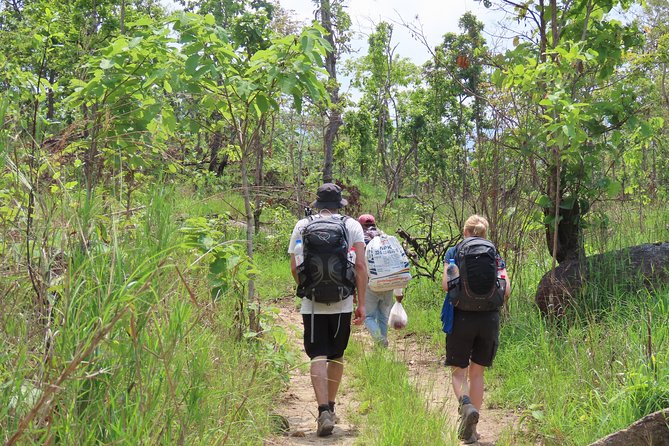
The core achievement here is the summit of Aural Mountain (1813 m). The highlight section points to magnificent mountain scenery and mentions great views of the evergreen mountain setting—plus the trek route covers other hills along the way (including references to nine additional hills on trekking trails).
What you should expect, realistically, is that the summit day is the day you remember for a long time. Not because it’s dramatic all the time, but because it’s consistent effort. When you’re climbing toward a peak, every stretch feels like it matters.
Your best strategy:
- Stick with the guide’s rhythm.
- Take breaks when they’re called for, not only when you’re desperate.
- Keep your breathing steady and your focus on what’s next, not on how far away the top still feels.
Even if the final stretch makes your legs complain, the payoff is the high point—plus the satisfaction of doing it with a team handling camp support and meals behind you.
Night two: sleeping under the trees and watching the stars
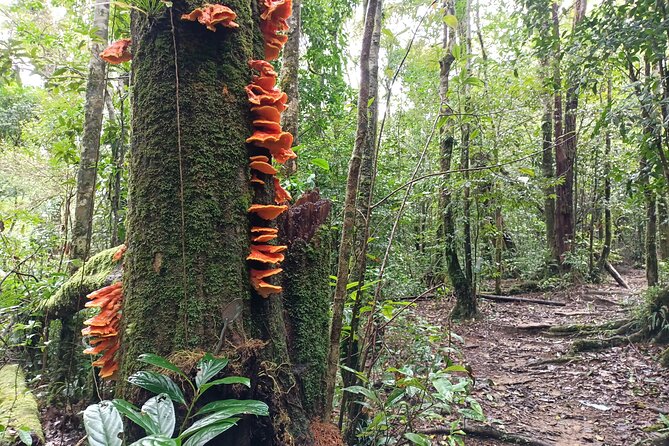
After the peak, you spend one last night at the second camp, with the description emphasizing sleeping under trees and the stars. This is where the trip shifts from “climb mode” to “absorb the moment mode.”
Since you’ve already camped once, you’ll be more prepared. You’ll likely notice how sound changes at night when you’re not near traffic. If you’re the type who likes being offline, this is a good moment to put your phone away and just watch the dark overhead.
Comfort heads-up: outdoor nights come with temperature swings, damp air, and the reality of sleeping on a base camp setup rather than a bed. That’s part of the experience, but it’s also why you should pack smart and keep your sleeping essentials protected.
Hitting the trail back to Phnom Penh
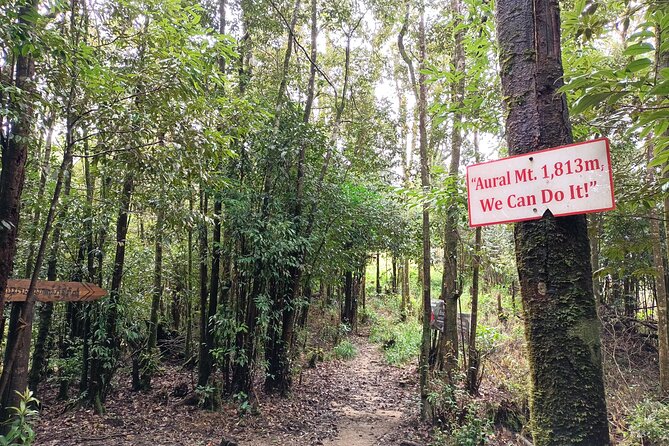
On the final stretch, you return to Phnom Penh after the second camp night. Because the trek includes round-trip private transfer and hotel pickup and drop-off, you’re not left guessing how to get back on your own.
This day is often a mixed feeling. Your legs might be tired, your brain is still on “trail mode,” and then suddenly you’re back in a city where everything feels normal again. Plan a low-key evening back in Phnom Penh. You’ll likely appreciate simple food and a proper shower more than you think you will.
Camping reality: tents or hammocks, local meals, and water care
This is a camping trek, so it’s worth talking about what that means for day-to-day life.
- Accommodation: tent or hammock, with setup handled by the trek team
- Food: meals are included (breakfast, lunch, dinner as per the schedule), cooked by the team
- Water: drinking water is included
That structure is a big deal on a hike. When heat is part of the challenge, not having to manage cooking equipment and water logistics makes the day easier to survive.
Bug and critter reality is also part of the deal. One summary of the experience specifically called out lots of critters. So don’t bring only optimism—bring practical protection. Long sleeves, a hat, and bug prevention will make the difference between you thinking fondly about camp versus thinking about how to escape it.
What to pack and how to handle the formal dress code
The trip lists a formal dress code, which is unusual for a trekking adventure. I’d treat this as a rule for specific parts of the day—likely around transfers, pickup/drop-off, or ceremonies—but the trek itself needs practical clothing. You’ll want to bring two categories:
1) Practical trekking clothes you don’t mind getting dusty and sweaty
2) One formal outfit you can change into for the required moments
Also note the luggage limit: each traveler can have up to 1 suitcase and 1 carry-on bag. Oversized luggage (like surfboards, golf clubs, or bikes) may be restricted, so if you’re bringing something unusual, ask in advance.
Your best packing approach for a humid, outdoors trek:
- Fast-drying layers (heat + sweat happen)
- Rain protection (jungle weather can shift)
- Good grip shoes or boots
- A small headlamp or flashlight for camp (even if you think you won’t need it)
- Insect protection you actually use
And since alcoholic drinks aren’t included, if you want something for the end-of-day mood, bring it yourself.
Who should book this Aural Mountain challenge
This trek is a good fit if you:
- Have moderate physical fitness and you like hiking that feels demanding
- Want a small-group experience (guaranteed small group, up to 10)
- Enjoy jungle camping with proper support and guides
- Like trips that mix nature with real culture and real places, including the plane crash historical stop
You might want to skip it if you:
- Want hotel-level sleep and predictability
- Get miserable in hot, humid conditions
- Hate tents/hammocks and would rather hike only from lodge to lodge
The trek’s best for active people who are okay with discomfort in exchange for a real sense of place.
Should you book Aural Mountain Trek with Vana Adventure Travel?
If your idea of a great Cambodia trip includes real hiking, jungle nights, and a summit that’s specifically defined (1813 m), this is a strong booking choice. The value is in the full-service setup: tent or hammock, meals, water, transport, and guide support are all built into the price.
My caution is simple: this is not an easy walk. It’s described as challenging in humid heat, with base-camp climbs and critters in camp. If that sounds exciting, book it. If it sounds like a chore you’re trying to tolerate, look for a less demanding route.
If you do book, go in with the right mindset: plan for outdoor nights, expect effort, and let the guides handle the camp work so you can enjoy the actual mountain and jungle experience.
FAQ
Where do I meet and is hotel pickup included?
This tour operates from Phnom Penh and includes hotel pickup and drop-off, plus a round-trip private transfer. The stated start time is 7:30 am.
How long is the trek?
It runs for 3 days (approx.).
What’s included in the $385 price?
Your price includes professional and local guides, 2 nights accommodation in a tent or hammock, meals as per the itinerary, drinking water, and the required round-trip transport and transfers.
Are meals and drinks included?
Meals are included as breakfast, lunch, and dinner, and drinking water is included. Alcoholic drinks are not included, so you’d need to bring them if you want them.
How large is the group?
The trip is a guaranteed small-group tour with between two and 12 travelers, and it lists a maximum of 10 travelers.
What luggage can I bring?
You’re allowed a maximum of 1 suitcase and 1 carry-on bag. Oversized or excessive luggage may face restrictions, so it’s best to ask the operator before you travel.
Is free cancellation available?
Yes. You can cancel for a full refund up to 24 hours in advance of the experience’s start time. If you cancel less than 24 hours before, the amount paid isn’t refunded.