
Reviewed · KILLING FIELDS & GENOCIDE HISTORY TOURS
Tuol Sleng Genocide Museum (S-21) and Choeung Ek Killing Fields Tour
Phnom Penh hits you fast. This S-21 and Choeung Ek tour pairs two of Cambodia’s most important Khmer Rouge sites with an English-speaking guide and convenient hotel pickup, so you can focus on what you’re seeing instead of how to get there. I like how the day moves from the killing fields to the prison museum in a clear sequence, with context on how the Khmer Rouge system worked in practice, not just as history in a textbook. One thing to consider: this is heavy material, and you’ll want a day with enough emotional space to sit with it.
I especially like the practical side: air-conditioned transport with cool water, a smooth pace across both stops, and a small group setup (up to 20 people). It also helps that guides such as Baboon, Sum Cheath, and Visal are described as strong storytellers with respectful, clear explanations, including personal connections that can make the history feel painfully real. The main drawback is simple math: the tour price doesn’t include the site admissions, so your total cost is a bit higher once you add tickets.
In This Review
- Key points to know before you go
- Smart logistics: pickup, timing, and how the day actually runs
- Choeung Ek Killing Fields: what you’re seeing and why it matters
- Tuol Sleng (S-21) Genocide Museum: a prison that became a record
- What makes the guide experience worth it (even if you could go on your own)
- Price and value: what you really pay for this 4-hour tour
- Emotional pacing: how to handle a day this heavy
- Who this tour suits best (and who might reconsider)
- FAQ
- FAQ
- How long is the S-21 and Choeung Ek tour?
- Do I need separate tickets for S-21 and Choeung Ek?
- Is hotel pickup included?
- What language is the guide?
- Is the group size small?
- What’s included in the transportation?
- When does the tour start and where does it end?
- Is the tour affected by weather?
- What’s the cancellation policy?
- Is it suitable for most travelers?
- Should you book this S-21 and Choeung Ek tour?
Key points to know before you go
- Two sites, one flow: 2 hours at Choeung Ek and 2 hours at Tuol Sleng for a full but not exhausting day.
- Small-group feel: limited to 20 travelers, which makes the experience easier to manage and ask questions.
- Real-guide benefit: guides like Baboon, Sum Cheath, Visal, and Tea stand out for clear English and respectful explanations.
- Comfort during a hard day: air-conditioning, cool water, and a calm ride between sites.
- You will be emotional: the subject matter is confronting, so pacing and mental preparation matter.
- Tickets are separate: add $3 for Choeung Ek and $5 for S-21 to the base tour price.
Smart logistics: pickup, timing, and how the day actually runs
This tour is built for an efficient half-day in Phnom Penh. Plan on about 4 hours total, with two focused stops—each around 2 hours—so you’re not rushing through either place, and you also won’t feel stuck there for your whole day.
Pickup is the big convenience. You’ll either be collected from your hotel area or meet at the designated starting point near River Crown Restaurant on St. 178 by the quay. Either way, you’re guided to the right places with a driver, which saves you from figuring out transport on your own. The vehicle is air-conditioned, and you’ll have cool water on board—small comforts that matter on a long, emotionally demanding route.
Group size is capped at 20 travelers. That number matters more than you might think in places like these. Smaller groups mean fewer interruptions, and it’s easier for your guide to answer questions without the whole day turning into a slow shuffle.
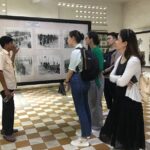
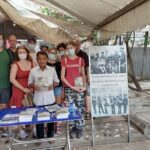
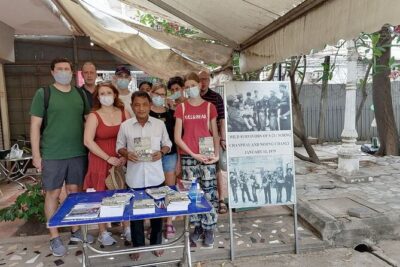
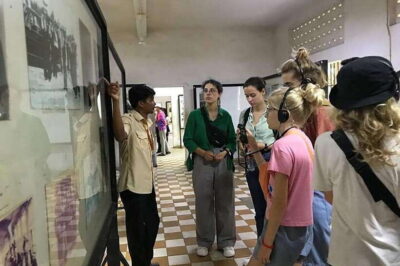
To learn more about Phnom Penh's recent history, these guided visits cover the S-21 and Choeung Ek memorial sites
Choeung Ek Killing Fields: what you’re seeing and why it matters
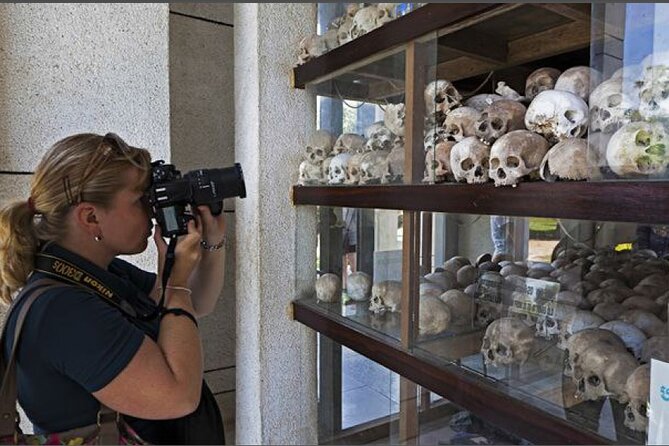
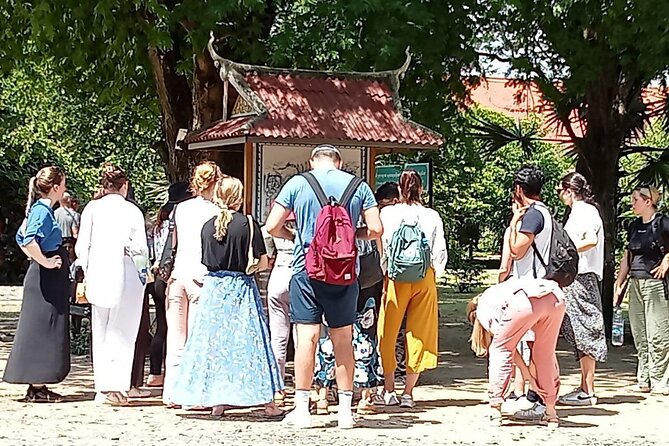
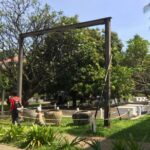
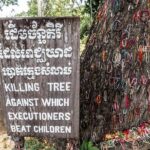
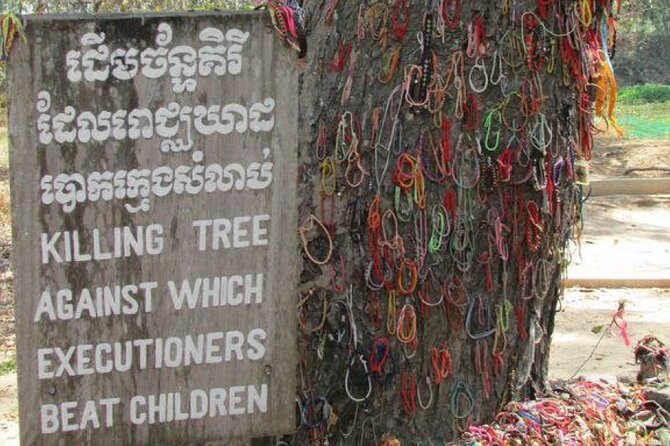
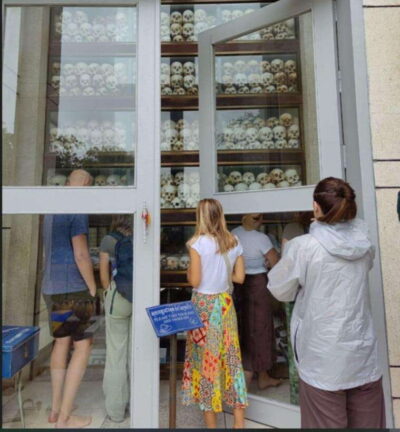
Choeung Ek is not just a scenic stop. It’s a site created through atrocity. You’ll spend about 2 hours here with your guide, learning how the area was transformed during the Khmer Rouge years. The facts are grim and very specific: the killing fields were linked to a system where prisoners were executed and buried, and the museum materials explain that the Khmer Rouge under Pol Pot moved through violence at scale.
The tour description you’ll get typically frames Choeung Ek as a place that used to be something else—a former orchard and even a Chinese cemetery—before it became part of the Khmer Rouge machinery. That contrast is important. It’s not about abstract evil. It’s about how ordinary land gets repurposed into a tool for mass murder.
What I find most valuable here is how the guide helps you understand the logic of the process—how prisoners were handled, why victims ended up here, and how the system functioned over time (1975 to 1979). In my view, the history lands harder when you’re shown the “how” as well as the “what.”
A practical note: the site is emotionally demanding and can feel physically uncomfortable depending on the weather. The tour listing also says this experience needs good weather. So pick a day when the forecast is decent, and plan on walking at a steady pace rather than treating it like a quick photo stop.
Tuol Sleng (S-21) Genocide Museum: a prison that became a record
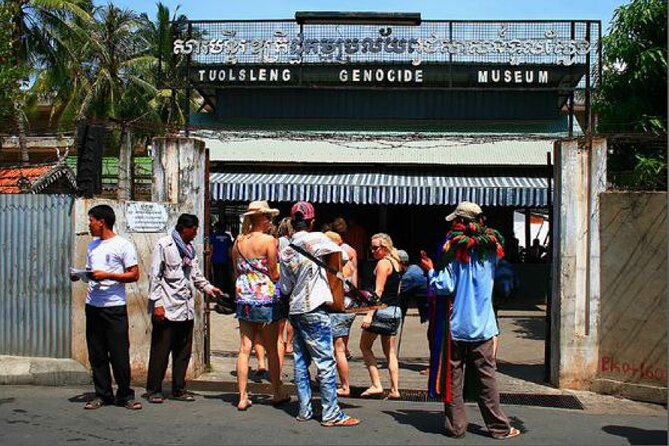
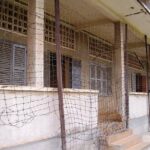
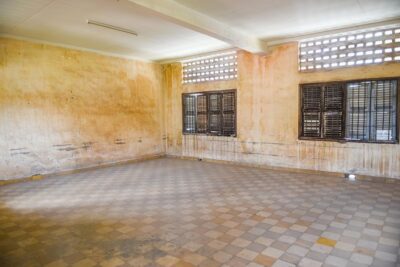
After Choeung Ek, you’ll head back toward Phnom Penh for the Tuol Sleng Genocide Museum, also known as S-21. This is about 2 hours and it’s a very different kind of place: less open space, more rooms and displays tied to the prison system.
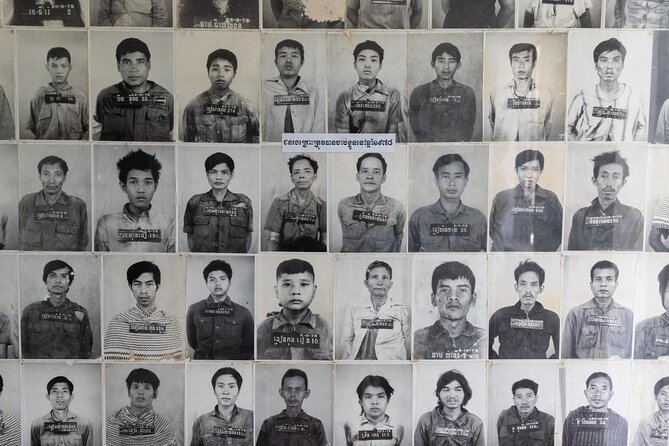
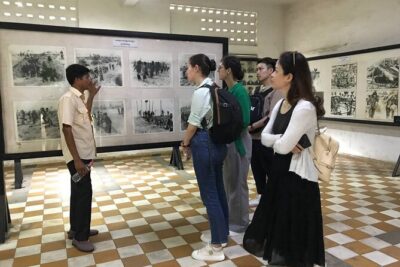
S-21 is remembered as a school turned into a high-security prison. The name itself is often explained as connected to hill of the poisonous trees, but the key story you’ll take in is what happened to tens of thousands of people there. The tour material states that around 20,000 were imprisoned and that many were tortured for information. That number gives weight to what you see on the walls and in the exhibits.
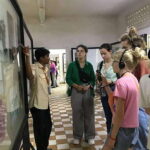
Tuol Sleng is often described as the part of the day where the documentary evidence feels closest to you. You’re surrounded by the results of a system designed to extract information and break people. Your guide’s role becomes especially important here, because the museum’s setup can be overwhelming if you’re trying to read everything alone.
This is also where the personal guiding style can make a real difference. Guides named in people’s experiences—like Baboon and Sum Cheath—are described as respectful and balanced, sometimes adding a sense of humor to keep you steady while still remaining serious when it counts. If you’re the type who shuts down in heavy places, that careful pacing can help you keep absorbing what matters.
What makes the guide experience worth it (even if you could go on your own)
Yes, you can visit both places independently. But the value of a guided route shows up in three ways:
First, you get a story arc. You’re not just looking at two separate memorials. You’re seeing how the Khmer Rouge era operated from multiple angles—fields where people were killed and a prison where people were processed.
Second, your guide can translate the details into something your brain can hold. The same location can feel like random facts without context. With a guide, the facts connect.
Third, the best guides bring humanity without turning the day into entertainment. In guided experiences described here, names like Baboon, Tea, Sum Cheath, and Visal show up repeatedly for clear English and a respectful tone. Some guides even share a family connection to the places, which can make the experience feel less like distant history and more like living memory.
One more practical point: you’ll be carried between sites with a driver, and you won’t be stuck managing the logistics while you’re trying to emotionally process what you’re seeing. That matters.
Price and value: what you really pay for this 4-hour tour
The base price is $19.20 per person and includes the essentials: a professional English-speaking guide and driver, hotel pickup, cool water, and air-conditioned transportation.
But the admissions are separate:
- Tuol Sleng (S-21): $5.00 per person
- Choeung Ek Killing Fields: $3.00 per person
That puts the total you should budget at $27.20 per person, before any tipping.
Is it worth it? In my opinion, yes—if you value clarity and comfort. The two-site combo would take real time to arrange and piece together yourself, and admissions aside, you’re paying for a guide who can explain what you’re looking at in a way that sticks. If you’re short on time in Phnom Penh or just don’t want to fight transport while dealing with difficult history, this format is a strong value.
If you’re traveling super-budget and you’re comfortable navigating solo, you could go cheaper. But you’d be trading away the explanations, the timed flow, and the pickup convenience.
Step inside more of Phnom Penh's museums and galleries
Emotional pacing: how to handle a day this heavy
Let’s be honest: this is a heartbreaking tour. Even when the guide is excellent, you’re walking into spaces built around atrocity. That means you should plan your day around it.
I recommend treating it like a serious appointment, not a sightseeing block between meals. Wear comfortable shoes. Bring water if you have it, even though cool water is provided during the trip. And give yourself permission to slow down and look—without turning it into a checklist.
The biggest help is the guide’s tone. In experiences tied to this tour, guides are praised for being factual while still compassionate, and for knowing how long to stay at each site. That “just right” timing keeps you from feeling too rushed while also preventing the visit from turning into an endurance test.
Also, don’t plan anything intense right after. Your mind will keep replaying details while you’re trying to enjoy dinner.
Who this tour suits best (and who might reconsider)
This tour fits well if:
- You want both Choeung Ek and S-21 without spending time planning transport.
- You want an English-speaking guide who can connect the sites into one narrative.
- You like a guided pace that avoids reading everything alone.
You might reconsider if:
- You’re sensitive to graphic historical trauma and know you’ll struggle to process it.
- You only want light, casual sightseeing in Phnom Penh on the same day.
- You’re traveling in a situation where the need for good weather could disrupt your schedule.
For most people, the key is readiness. When you’re prepared—mentally and physically—this tour becomes one of the most meaningful things you can do in Cambodia.
FAQ
FAQ
How long is the S-21 and Choeung Ek tour?
It runs for about 4 hours total, with roughly 2 hours at each stop.
Do I need separate tickets for S-21 and Choeung Ek?
Yes. The tour price does not include admissions. S-21 is $5 per person, and Choeung Ek is $3 per person.
Is hotel pickup included?
Hotel pickup is included. There’s also a meeting point at River Crown Restaurant if you’re not picked up at your hotel.
What language is the guide?
The tour includes a professional English-speaking guide.
Is the group size small?
Yes. This tour has a maximum of 20 travelers.
What’s included in the transportation?
You get a clean, air-conditioned vehicle and cool water during the trip.
When does the tour start and where does it end?
It starts at River Crown Restaurant in Phnom Penh and ends back at the meeting point.
Is the tour affected by weather?
Yes. The experience requires good weather. If it’s canceled due to poor weather, you’ll be offered a different date or a full refund.
What’s the cancellation policy?
You can cancel for free up to 24 hours in advance for a full refund.
Is it suitable for most travelers?
The listing says most travelers can participate.
Should you book this S-21 and Choeung Ek tour?
If you’re spending time in Phnom Penh and you want the most direct, well-organized way to see S-21 and Choeung Ek together, I’d book it. The combination of hotel pickup, air-conditioned comfort, small-group size, and an English guide makes it easier to stay focused while handling a very heavy subject.
Book it if you want context and a sensible pace. Skip it only if you already know this kind of history will overwhelm you beyond what you can manage on a tour day.
More Tours in Phnom Penh
More Tour Reviews in Phnom Penh

More Phnom Penh History & Remembrance Visits

Keep browsing: more Phnom Penh tours and day trips our team has reviewed







Killing Fields & Genocide History Tours, compared.
 ★ 4.8The Killing Fields & Tuol Sleng Genocide MuseumFrom $193,337 reviews
 ★ 5.0The Killing Field and Toul Sleng Genocide Museum (S21) TourFrom $191,977 reviews
 ★ 5.0Killing field and Toul Sleng genocide museum TourFrom $19610 reviews
 ★ 4.8killing field & Toul Sleng genocide museum TourFrom $19540 reviews
 ★ 4.9Highlights Tour Including S21 and Killing FieldsFrom $30453 reviews
 ★ 5.0Visit 11 Places in One Day including S21 & Killing FieldFrom $30361 reviews
 ★ 4.9Royal Palace, S21, Killing Fields & More TourFrom $35295 reviews
 ★ 4.0Killing Fields and Prison S21 Bus TourFrom $15206 reviews
Browse the lists this tour appears in