
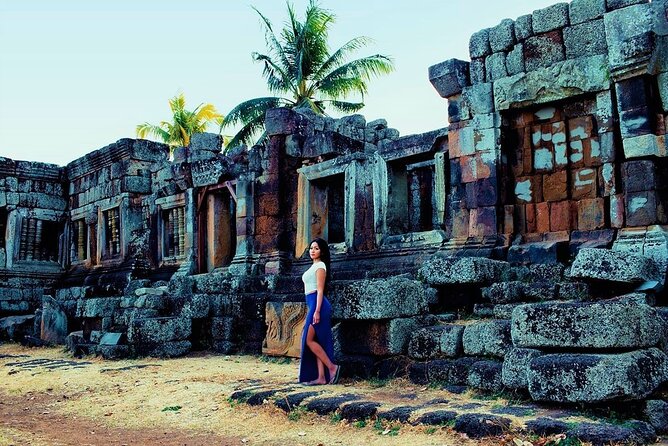
Reviewed · PHNOM CHISOR & TONLE BATI TEMPLE TRIPS
Phnom Chisor & Tonle Bati Private Tours from Phnom Penh
A temple day beats Phnom Penh every time. This private tour links Phnom Chisor viewpoints with the Tonle Bati area, so you get classic Khmer temple stops plus a calmer break away from the city. I like that pickup and drop-off are handled, and you don’t have to chase down entrance fees one by one.
There’s one trade-off to flag: this is a full day (about 7 to 9 hours), so you’ll spend real time in transit, and the route includes relaxed breaks (like Tonle Bati lake/picnic time) rather than being temples-only the whole day. If you’re very strict about seeing ruins every minute, you should ask the guide to keep stops efficient.
That said, the tone of the day is friendly and easy to manage. English-speaking licensed guides (I saw multiple mentions of guide Li being especially clear and fun) help you make sense of what you’re looking at, so the temples don’t feel like random piles of stone.
In This Review
- Key things to know before you go
- Price and logistics: is $135 per person good value?
- Your day plan from Phnom Penh: how the stops fit together
- Stop 1: Phnom Chisor Temple for big views and Khmer stonework
- Stop 2: Sen Phouvang or Sen Rovieng—small but satisfying
- Stop 3: Prasat Neang Khmau for a focused 55 minutes
- Stop 4: Tonle Bati Pagoda—decoration and a quieter rhythm
- Stop 5: Ta Prohm—why it belongs on a Phnom Penh day
- Stop 6: Tonle Bati lake time and the picnic-style break
- Lunch and what to bring so the day feels smooth
- Guide and vehicle: what makes this tour feel easy
- A possible downside: when priorities don’t match your expectations
- Who this tour suits best (and who should think twice)
- Should you book Phnom Chisor & Tonle Bati from Phnom Penh?
- FAQ
- How long is the Phnom Chisor & Tonle Bati private tour?
- What’s included in the price?
- Do I need to pay entrance fees at each temple?
- Is lunch included?
- Do I need to tip the guide or driver?
- Is this tour private or shared with other people?
- Does the tour use a mobile ticket?
- What happens if weather is bad?
- What is the cancellation policy?
Key things to know before you go

- Entrance fees included: all the site admissions listed on the itinerary are covered.
- Private vehicle with hotel pickup: you get direct transport rather than pooling with strangers.
- Tonle Bati adds a human pace: you’ll have a lakeside/picnic-style moment, plus a pagoda stop.
- Ta Prohm is part of the day: you’ll visit the big, well-known temple complex for about an hour.
- Lunch is on your own: meals cost extra, but there are local restaurants with both vegetarian and non-vegetarian dishes.
- Weather matters: the experience runs in good weather; if it’s canceled for weather, you’ll get a refund or a different date.
Price and logistics: is $135 per person good value?
At $135 per person, this tour feels most “fair” when you factor in what’s wrapped in: hotel pickup/drop-off, a private comfortable vehicle, a licensed English-speaking guide, and entrance fees included for the listed stops. Without those pieces, a temple day from Phnom Penh can turn into a patchwork of taxis plus ticket lines plus surprise add-ons.
Also, it’s private. That sounds small, but it matters. You’re not negotiating with a group schedule or hoping everyone moves at the same speed. If you want photos, a bathroom stop, or a short pause for shade, you can do it without breaking the rhythm.
One more practical note: it’s 7 to 9 hours, so treat it like a full-day outing. Plan for an early start feeling, then a late finish back in Phnom Penh. If you’re the type who hates spending half a day commuting, bring patience (or bring snacks—your guide will appreciate it).
A few more Phnom Penh tours and day trips our team keeps coming back to


Your day plan from Phnom Penh: how the stops fit together
This route is built like a “temple + viewpoint + lake break” loop. You start with Phnom Chisor, then move through additional temple sites, and finish with Ta Prohm and the Tonle Bati area. The pacing is set so you can see several sites without feeling like you’re only sprinting from ticket booth to ticket booth.
You’ll hit six planned stops:
1) Phnom Chisor (2 hours)
2) Sen Phouvang or Sen Rovieng (1 hour)
3) Prasat Neang Khmau (55 minutes)
4) Tonle Bati Pagoda (30 minutes)
5) Ta Prohm (1 hour)
6) Tonle Bati (1 hour)
The durations are short enough to keep the day moving, but long enough to actually look. I like it when a tour gives time to stand still—Cambodia temples can’t be “scanned” the way you scan a museum placard.
Stop 1: Phnom Chisor Temple for big views and Khmer stonework
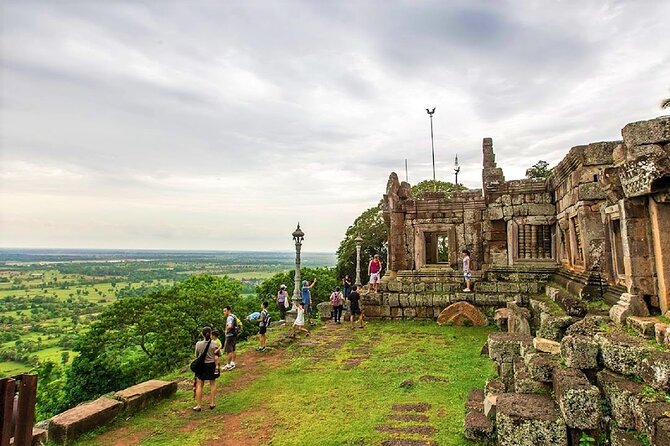
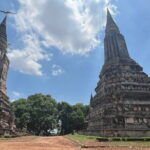
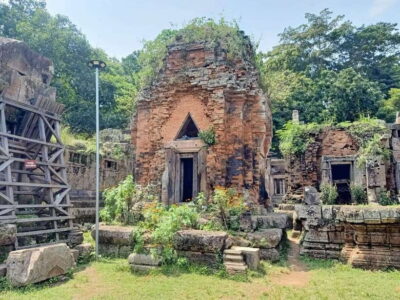
Prasat Phnom Chisor is your first main event, and it’s a strong choice for starting the day. This is an Angkor-era temple built in the 11th century (laterite and brick, with carved sandstone lintels), associated with King Suryavarman I. Even if you don’t memorize dates, you’ll feel the intention behind the design—this place is about position, shape, and approach.
You get about 2 hours here. That’s enough time to:
- walk through key areas without feeling rushed
- look at how the materials and carvings hold up
- pause for the views that make Phnom Chisor worth the effort
Practical tip for you: wear shoes you trust. Temple ground can be uneven, and a “quick hop” turns into a slow climb if your feet aren’t happy.
Stop 2: Sen Phouvang or Sen Rovieng—small but satisfying
Next comes Sen Phouvang Temple or Sen Rovieng Temple (the itinerary offers a choice), with about 1 hour on the schedule. The idea here is a breather without going “off-theme.” These sites are described as centuries old and still beautiful, and they tend to feel less overwhelming than the big-name complexes.
Why it’s a good move on this tour: it breaks up the big visuals. After Phnom Chisor’s elevated, attention-grabbing feel, these temples let you focus on details—entryways, proportions, and the way carvings have survived.
One thing to expect: you might not spend the whole time photographing. You may end up talking more with your guide about what you’re seeing, because a smaller site gives you breathing room.
Stop 3: Prasat Neang Khmau for a focused 55 minutes
You’ll then visit Prasat Neang Khmau, with 55 minutes allotted. This stop is shorter by design. In a day like this, the best tours don’t try to turn every temple into a 2-hour lecture. They pick moments, then move.
This temple is presented as a popular attraction in Takeo province, and that context helps you understand why it gets included: it’s part of the region’s temple network that’s reachable from Phnom Penh.
Drawback to consider: because the time is limited, you’ll get more out of this stop if you’re okay with “seeing well” rather than “seeing everything.” If you love one temple so much you want to linger for hours, keep that energy for Phnom Chisor and Ta Prohm.
Go at your own pace with more private Phnom Penh tours




Stop 4: Tonle Bati Pagoda—decoration and a quieter rhythm
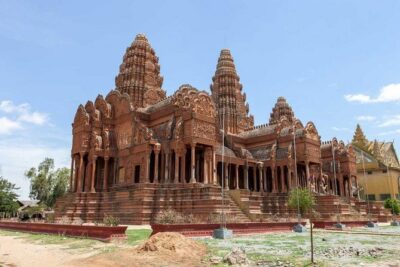
After the main temple sequence, the tour shifts gears to Tonle Bati Pagoda for about 30 minutes. This is described as a monastery with rich decoration in the area. Think of it as a visual palette cleanser: the carvings and details are a different kind of focus than the larger, ruin-heavy stops.
I like how the schedule uses this pause. By this point, you’ve already done a couple of temple walks. A shorter stop helps you keep the day enjoyable, not exhausting.
What to do with this time: look closely at the ornamentation, then step back and take in the setting. Short stops work best when you avoid rushing.
Stop 5: Ta Prohm—why it belongs on a Phnom Penh day
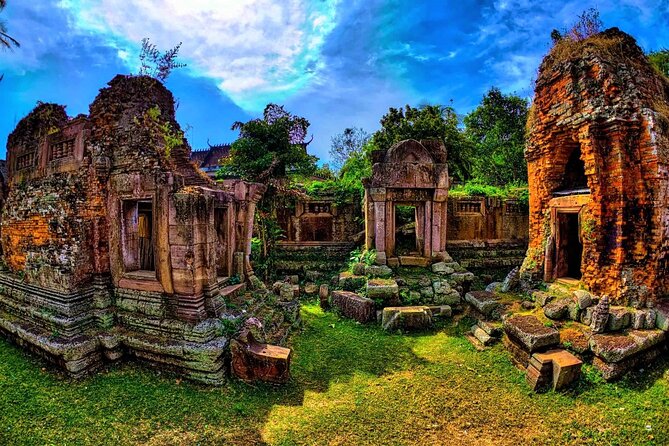
Next is Ta Prohm, with about 1 hour. This is a large temple complex with square sandstone temple elements, outer enclosures, vaulted galleries, library buildings, basins, and entrance gopura—so there’s a lot to keep track of.
Why it’s valuable on this particular itinerary: Phnom Chisor and the other sites give you the “regional temple” feel. Ta Prohm then connects your day to the globally recognized side of Khmer architecture, so you can compare scale, layout, and atmosphere.
Timing note: one hour passes fast at Ta Prohm. If you care about photos, you’ll want to pick your angles quickly. A good licensed guide can also help you spot what’s worth slowing down for, which is especially helpful here.
Stop 6: Tonle Bati lake time and the picnic-style break
Finally you’ll reach Tonle Bati, with about 1 hour. This is famous for an easy picnic area and a relaxed atmosphere. The itinerary also notes an ancient temple nearby called Ta Phrom Temple, so the area isn’t just for hanging out—it’s still connected to the temple story.
This is also where the tour reveals its personality. It’s not only about “temple march.” It’s about giving you a moment to reset.
One review note that matters here: if you came for pure ancient-temple focus, you might feel differently about breaks that include coffee or downtime. My advice is simple: if you want minimal detours, tell your guide at the start of the day that you’re temple-focused and prefer shorter stops during breaks.
Lunch and what to bring so the day feels smooth
Lunch is not included. The tour notes that lunches are available at local restaurants, with vegetarian and non-vegetarian options, and typical dish prices ranging from $3–$10. That’s a wide enough range that you can likely find something you like without drama.
Here’s what I recommend you do:
- Eat when it’s offered rather than trying to “optimize” your hunger. The day is scheduled.
- Bring water. Drinks at meals are listed as personal expenses, so staying hydrated is on you.
- Have a plan for sun and shade: temple sites can be hot, and midday waiting outside is not anyone’s favorite hobby.
If you have dietary restrictions, it’s worth mentioning to your guide early. The itinerary only promises the presence of both vegetarian and non-vegetarian options, not specific menus.
Guide and vehicle: what makes this tour feel easy
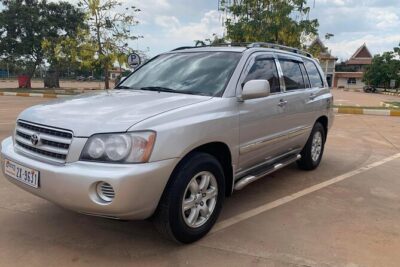
This is where private tours can either shine or disappoint. Here, the balance seems right: a professional English-speaking licensed guide, plus all transfers in a private comfortable vehicle.
I especially noticed the praise for guide communication. Guide Li, in particular, is described as friendly, humorous, and fluent in English, with explanations that land clearly. That’s a big deal at places like Phnom Chisor and Ta Prohm, where context transforms what you see into something you understand.
A good driver and a good guide also change the stress level. You’re not worried about directions or ticket logistics, since entrance fees are covered and the route is planned.
A possible downside: when priorities don’t match your expectations
The most common mismatch risk is not the temples—it’s the way a day includes small “life stops” alongside temple time. One experience flagged that the day began with what felt less aligned to someone’s idea of ancient temples, and there was also mention of an attempted coffee stop. I can’t rewrite your tour’s exact order beyond what’s on the itinerary, but I can give you a way to protect your expectations:
When you meet your guide, be direct:
- Tell them you want maximum temple time.
- Ask them to keep non-temple breaks short.
- If you’d rather trade extra downtime for an extra photo moment at a temple, ask.
A private tour is most worth it when you use that flexibility.
Who this tour suits best (and who should think twice)
This tour is a good fit if you:
- want a structured full-day without juggling transport and tickets
- like a mix of major temples and smaller stops
- enjoy a guide who explains what you’re seeing in clear English
- want Tonle Bati for a more relaxed, lake/picnic-style moment
It might be less ideal if you:
- want a temples-only day with no casual breaks
- get uncomfortable with long days and car time
- prefer to self-drive or build your own route from scratch
Should you book Phnom Chisor & Tonle Bati from Phnom Penh?
I’d book this if you want an efficient, hassle-light way to reach temple sites that feel connected to the Phnom Penh region, and you’re okay with a full day that includes a lakeside reset. The value is strongest when you’re pricing the day against “transport + tickets + guide” done separately.
Book it if you like the idea of:
- starting with Phnom Chisor for a dramatic, classic temple view
- mixing in additional sites for variety
- ending with Ta Prohm and the Tonle Bati picnic-lake atmosphere
Think twice only if you’re very strict about temple time every minute. In that case, bring that preference up immediately and ask for a tight schedule.
If you do book, you’ll set yourself up for a day that feels like more than a checklist. You’ll come back with temple visuals, context from a real guide, and a calmer lake moment to balance the stone and heat.
FAQ
How long is the Phnom Chisor & Tonle Bati private tour?
The duration is listed as approximately 7 to 9 hours.
What’s included in the price?
The tour includes hotel pickup and drop-off, a professional English-speaking licensed guide, private comfortable vehicle transfers, all entrance fees for the itinerary stops, and services charge plus current government VAT.
Do I need to pay entrance fees at each temple?
No. All entrance fees for the listed tour sites are included, so you shouldn’t have to pay additional admission costs on-site.
Is lunch included?
No. Lunch is not included. Local restaurants offer vegetarian and non-vegetarian options, and meal prices are listed as $3–$10 per dish.
Do I need to tip the guide or driver?
Tipping isn’t included. The tour lists tips for tour guide and driver as not included, so you should plan to tip if you feel it’s deserved.
Is this tour private or shared with other people?
This is private. Only your group participates.
Does the tour use a mobile ticket?
A mobile ticket is mentioned as a feature, and pickup/drop-off are included as part of the service.
What happens if weather is bad?
The experience requires good weather. If it’s canceled due to poor weather, you’ll be offered a different date or a full refund.
What is the cancellation policy?
You can cancel for a full refund up to 24 hours in advance. If you cancel less than 24 hours before the start time, the amount paid isn’t refunded.
More Tours in Phnom Penh


More Tour Reviews in Phnom Penh


More Phnom Chisor & Tonle Bati Temple Trips in Phnom Penh
Keep browsing: more Phnom Penh tours and day trips our team has reviewed








Phnom Chisor & Tonle Bati Temple Trips, compared.
 ★ 5.0A Day Trip To Phnom Chisor – Tonle Batti From Phnom PenhFrom $6110 reviews
 ★ 4.9One Day Trip to Phnom Da, Ta Prohm Bati, Neang Khmao & ChisoFrom $1436 reviews
 ★ 5.0Chiso temple, Neang khmao, and Taprum temple historical site TourFrom $1905 reviews
 ★ 4.5Prasith and Reap Temples Private Day Trip from Phnom PenhFrom $1173 reviews
Browse the lists this tour appears in