
Reviewed · KILLING FIELDS & GENOCIDE HISTORY TOURS
Phnom Penh private tour Tuol Sleng & Choeng Ek Killing Field
Two sites, one brutal lesson.
This private Phnom Penh half-day pairs Choeung Ek Killing Fields and Tuol Sleng Prison (S21) for a clear, guided path through Khmer Rouge history. I like that it’s thoughtfully paced—giving you time to move through the sites without turning it into a frantic checklist.
I also like the human scale of the storytelling. Guides such as Sareth, Channak, Sam Ang, and Fresh bring context from the road and at the museums, and in several cases they share personal accounts from surviving the era. One possible drawback: the content is extremely heavy, and even with 4 hours total, S21 can feel tight if you want to linger over every room and display.
In This Review
- Key things that make this tour work
- Phnom Penh’s heavy history, carefully structured in 4 hours
- Getting picked up: the drive that sets the tone
- Choeung Ek Killing Fields: walking above 2.5 million names
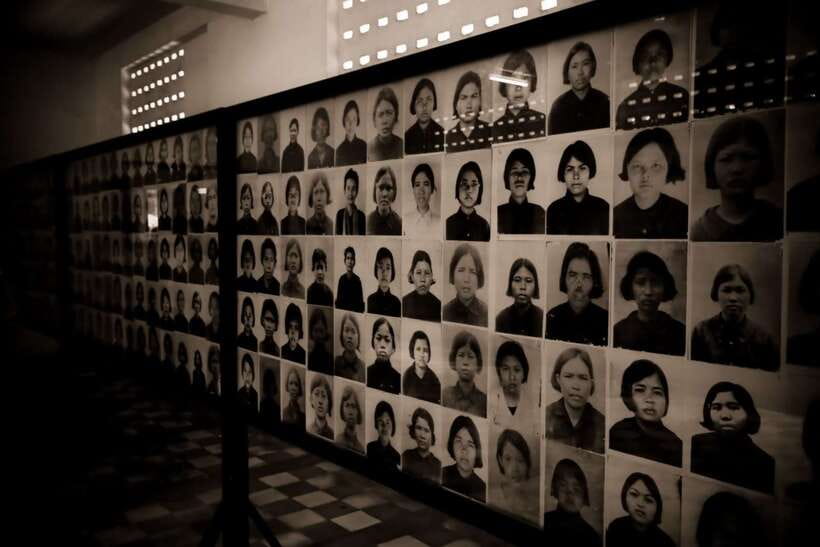
- Tuol Sleng (S21) Prison: the high school turned machinery of torture
- Why the guides matter more than you think
- Transport, timing, and comfort: what’s included and why it helps
- Entrance fees: plan for a small add-on
- Price and value: is $59 fair for this experience?
- Who should book this tour, and who might want to rethink it
- Should you book with Euro Khmer Voyages for Choeung Ek and Tuol Sleng?
- FAQ
- How long is the Phnom Penh private tour of Tuol Sleng and Choeng Ek?
- Where does pickup happen?
- Do I need to pay entrance fees?
- What transportation is used?
- Is the tour private?
- What language is the tour guide?
- Are meals included?
- What is included in the price besides the tour guide?
- Is there free cancellation?
- Are there any reminders about timing before departure?
Key things that make this tour work
- Hotel pickup in an air-conditioned car keeps the start easy in Phnom Penh heat
- 1.5 hours at Choeung Ek gives you time to walk the grounds with context
- 1.5 hours at Tuol Sleng S21 covers the museum without feeling like a drive-by
- Guides who can add personal perspective make the history feel real, not abstract
- Cold bottled water, cool towel, and coconut juice help you recover after an intense morning/afternoon
Phnom Penh’s heavy history, carefully structured in 4 hours
This is the kind of tour where the “sights” aren’t really the point. The point is understanding how the Khmer Rouge regime reshaped daily life into terror—and how Cambodia lives with that memory today. The value here is the structure: two key sites, hotel pickup, and time built in for you to absorb what you’re seeing.
At $59 per person for a private tour, you’re paying for more than transport. You’re paying for someone to connect the dots—political background, how the system worked, and what the museums are showing you now. For most visitors, that context is what turns a grim place into a meaningful one.
The timing also matters. The total tour is about 4 hours, with roughly 1.5 hours at each location. That’s enough to see the core exhibits and walk the main paths, but it’s still short enough that you’ll want to go in mentally prepared to focus.
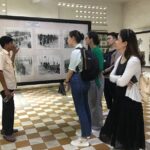
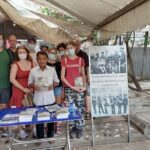
To learn more about Phnom Penh's recent history, these guided visits cover the S-21 and Choeung Ek memorial sites
Getting picked up: the drive that sets the tone
You’ll be picked up directly from your hotel in Phnom Penh City by Euro Khmer Voyages, using an air-conditioned vehicle (car or minivan). A practical detail I really appreciate: you’re not left to figure out logistics on your own, and the tour guide meets you in the hotel lobby so you can get moving fast.
You’ll also get guidance en route. In several guide experiences shared by past guests, the car ride itself is used to frame what you’re about to see—how the Khmer Rouge took control, and why the places you’re visiting became so central to the regime’s violence.
This matters because Choeung Ek and Tuol Sleng aren’t “one story.” They’re connected pieces of the same system. If you understand that linkage before you step into the memorials, the experience lands harder, and you’re less likely to feel lost.
Tip: arrive ready to depart. You’ll want to be set around 5 minutes before your scheduled departure so the day stays smooth.
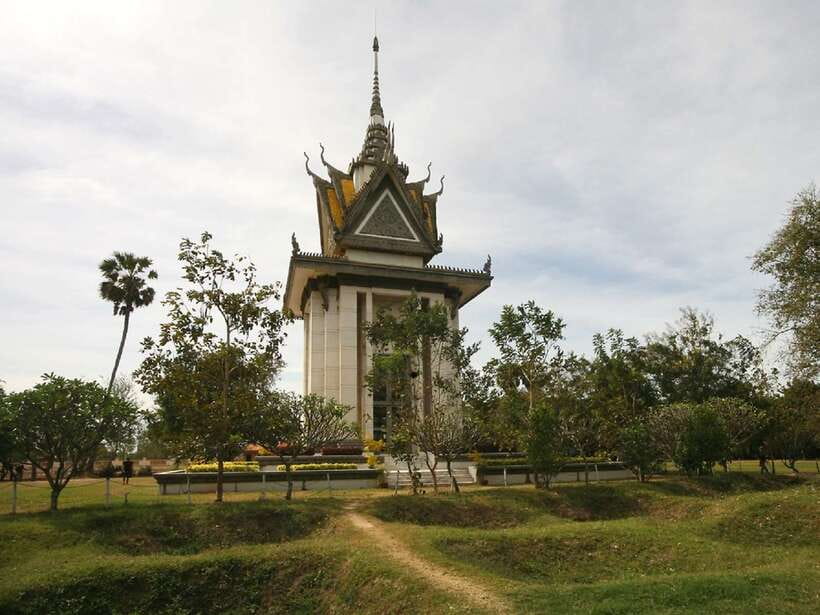
Choeung Ek Killing Fields: walking above 2.5 million names
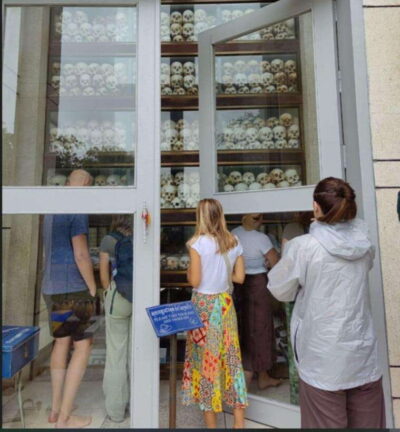
Choeung Ek is about 15 km south of Phnom Penh, and the tour takes you there first. This is one of the most important places in Cambodia for remembering victims of the Khmer Rouge. The ground you walk over is closely tied to the regime’s mass killings and burial practices—over four years, the Khmer Rouge reportedly massacred and buried 2.5 million people.
You’ll hear the transformation story in plain terms. The area was once described as an orchard and a Chinese cemetery, and then the Khmer Rouge regime—led by Pol Pot—turned it into a high-violence site known now as the killing fields. That background helps you connect what you see today (memorial structures and marked areas) with what happened there during the period of terror.
What I like about doing this with a guide is pacing. The site can feel physically open—paths, ground, and monuments—but emotionally it can feel boxed in. With guidance, you’re not left trying to interpret every marker. You’re allowed to walk it and remember it.
One thing to know: the memorial is not designed to soften the reality. Expect a sobering experience that may include details and images that can be difficult. If you’re sensitive, plan to take it slowly—stop when you need to, and don’t feel rushed to keep up with the group pace.
Tuol Sleng (S21) Prison: the high school turned machinery of torture
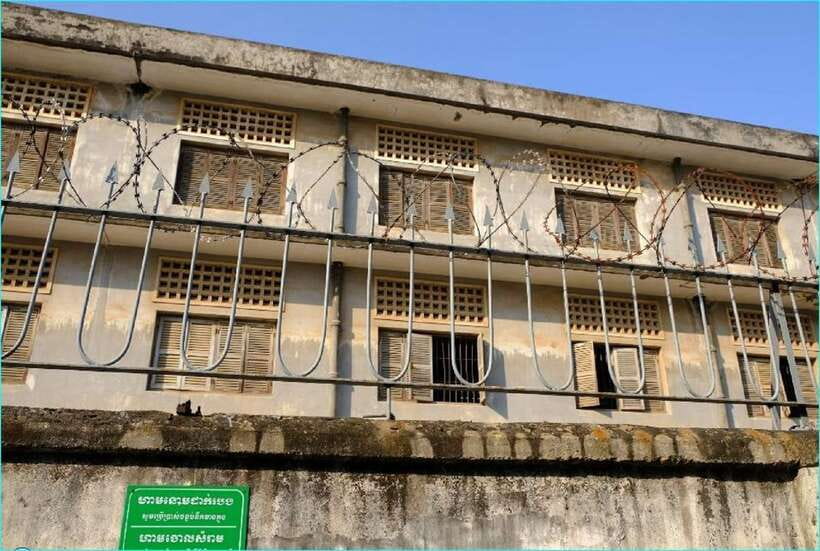
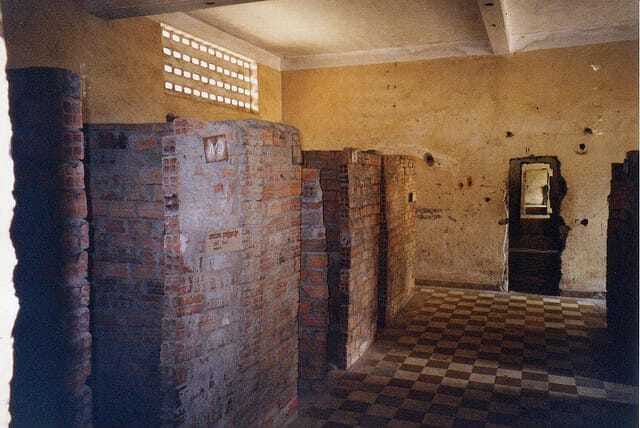
After Choeung Ek, you’ll return toward Phnom Penh to visit Tuol Sleng Genocide Museum, also known as S21. The museum is tied to the name meaning hill of poisonous trees, and it’s remembered for what the Khmer Rouge turned into a brutal, high-security prison.
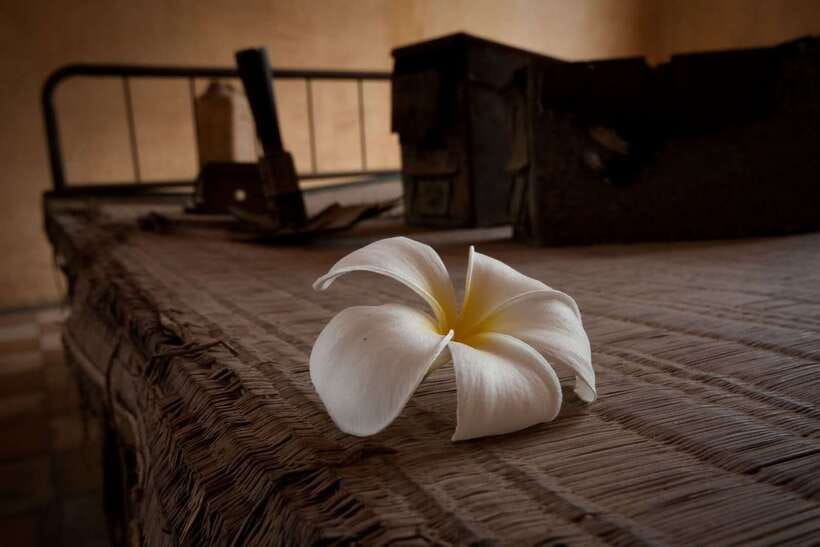
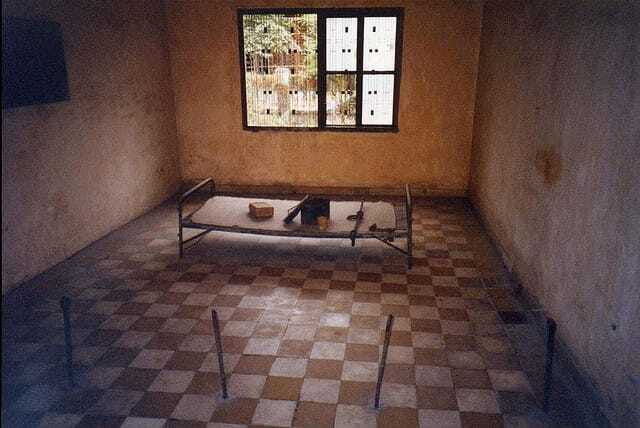
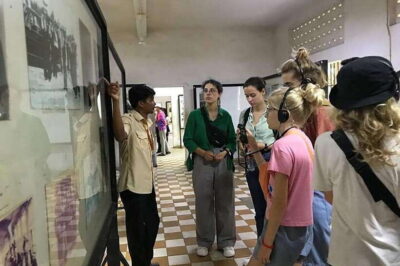
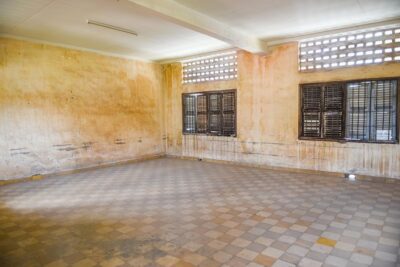
Your guide will explain the transformation from a once-popular high school into a place used for interrogation and imprisonment. One figure you’ll hear is that around 20,000 people were imprisoned there, and many were tortured in the search for information. That’s the core idea of S21: the regime wasn’t only killing. It was processing people through a system built to extract, punish, and control.
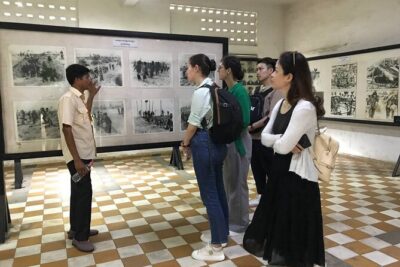
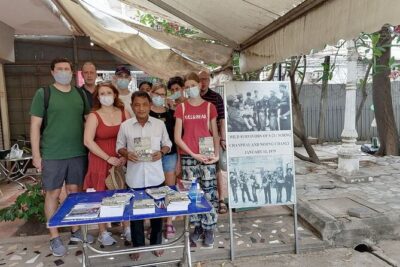
S21 is also where visitors often feel the museum’s structure most strongly. The exhibits are laid out so you can follow how the prison functioned and what traces remain—documentation, displays, and the physical remnants of the incarceration process. Some guests also mention that you may see survivors’ materials and books at the museum area, which can add another layer: remembrance isn’t only in the past.
Practical consideration: 1.5 hours at S21 can feel fast if you read carefully and want to linger in rooms with dense information. If you know you’re the type who spends extra time reading labels, I’d mentally budget for that feeling. In other words, go in ready to focus on the most essential rooms and displays rather than trying to absorb everything.
Why the guides matter more than you think
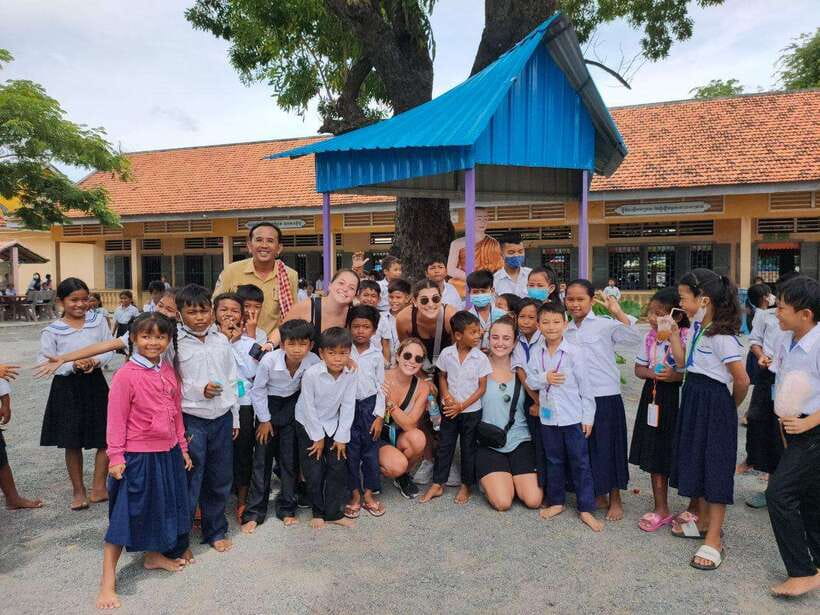
This is a tour where the guide isn’t just narrating. In multiple past experiences, the guide brought personal perspective from the Khmer Rouge era—some sharing survivor stories that add context beyond dates and numbers.
Guides mentioned in past experiences include Channak, who shared personal Khmer Rouge-era experiences, and Sam Ang, who offered a firsthand account of life during that period. Other guides like Sareth and Fresh were praised for being sensitive and for building context either in the car or on-site.
I like this approach because it keeps the tour from becoming purely historical. It also helps you understand how the trauma affected Cambodian society beyond the events themselves. You’re not just learning what happened; you’re learning how people live with the memory.
Another practical plus: some guides encourage questions during the visit. That can be especially useful here, because the subject invites hard, specific curiosity—How did this system operate? Why were people targeted? What does it mean that the places are museums now? If you’re the type who likes to ask, this kind of guide interaction can make the time feel more useful.
Go at your own pace with more private Phnom Penh tours



Transport, timing, and comfort: what’s included and why it helps
The tour includes everything you need for a stress-free half day:
- Private tour in an air-conditioned car or minivan
- Hotel pickup and drop-off within Phnom Penh City
- Cool towel and drinking water
- Fresh coconut juice offered after the visits
Those small comfort touches matter because the day can wear you out fast. Heat + walking + intense content is a rough mix. The coconut juice at the end is a nice reset. It’s the kind of detail that helps your body return to “travel mode” when your mind is still processing what you just saw.
Comfort isn’t only about luxury. It affects how well you can pay attention. If you’re dehydrated or overheating, your ability to absorb context drops. This tour’s included refreshments make it easier to stay present instead of distracted by discomfort.
Entrance fees: plan for a small add-on
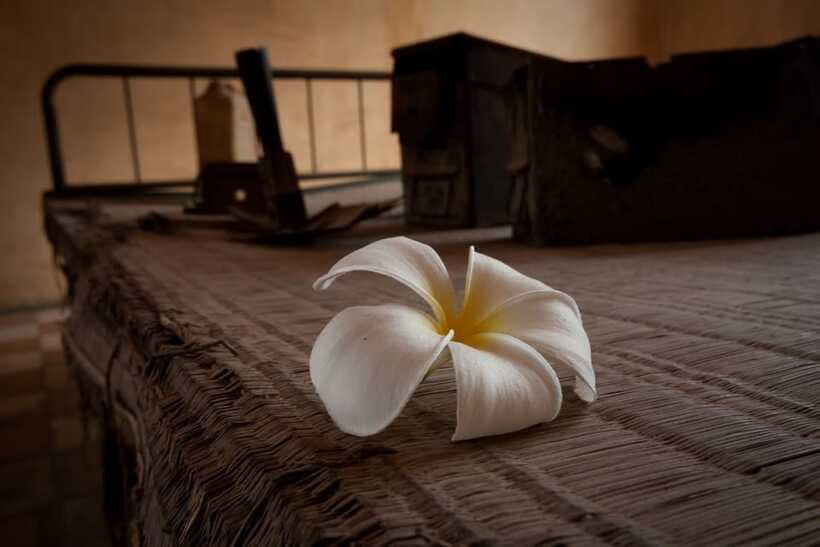
Entrance fees for S21 and the Killing Fields are not included and are listed at roughly $3–$5 each. In value terms, that’s a small extra cost compared with what you’re getting: private guidance, transport, and dedicated time at both sites.
If you want the cleanest plan, I’d budget for those fees plus any personal spending you might want to handle on-site (like books or small purchases). Keeping that amount in mind helps you avoid last-minute surprises.
Price and value: is $59 fair for this experience?
For $59 per person and a 4-hour private format, the main thing you’re buying is time with a guide plus the convenience of door-to-door pickup.
When I think about value here, I focus on three points:
- Two major sites in one trip saves the hassle of arranging separate transport.
- Context-rich guidance is what turns “seeing” into “understanding.”
- Comfort extras (water, cool towel, coconut juice) make the experience more bearable without costing you extra effort.
The only real value risk is time. If you’re the type who needs hours in a museum to fully absorb every room, the 4-hour total might feel short. That doesn’t make the tour “bad”—it just means your expectations should match the format. Consider this a well-run, focused introduction to the two most significant memorials, not an unlimited wandering day.
Who should book this tour, and who might want to rethink it

This tour is ideal if you:
- want a clear, structured path through Khmer Rouge history
- appreciate a guide who can answer questions
- prefer private pacing with hotel pickup instead of figuring it out yourself
- are ready for emotionally heavy content and want context to make it meaningful
You might rethink it if you:
- are extremely sensitive to graphic or emotionally intense history
- hate being on a timed schedule and want to stay longer in museums
- need more time than 1.5 hours to read everything at S21
If you do book, I’d also encourage you to give your day after the tour a softer plan. It’s not the sort of experience you bounce straight into a big party night. Your brain will need time.
Should you book with Euro Khmer Voyages for Choeung Ek and Tuol Sleng?
Yes—if you want a private half-day that’s built for understanding, not just photo stops. The strongest reason to book is the pairing: Choeung Ek first, then Tuol Sleng S21, with a guide making the link between sites clear. Add in air-conditioned hotel pickup and the thoughtful end-of-tour refreshments, and you get solid comfort for an uncomfortable topic.
The decision comes down to one question: can you handle emotionally heavy history in a focused 4-hour window? If that feels right for you, this tour is a strong choice, especially because the guides in past experiences have been praised for context, sensitivity, and—when shared—personal survivor perspective.
FAQ
How long is the Phnom Penh private tour of Tuol Sleng and Choeng Ek?
The tour duration is 4 hours total, with about 1.5 hours at each site.
Where does pickup happen?
Pickup is from your hotel in Phnom Penh City. You should wait in your hotel lobby for the guide and driver.
Do I need to pay entrance fees?
Yes. Entrance fees for S21 and the Killing Fields are not included and are listed at around $3–$5 each.
What transportation is used?
You’ll travel in a private, air-conditioned car or minivan.
Is the tour private?
Yes. It’s described as a private tour.
What language is the tour guide?
The tour is English.
Are meals included?
No. Meals are not included. The tour includes cold drinking water, a cool towel, and fresh coconut juice after the visits.
What is included in the price besides the tour guide?
Included items are hotel pickup/drop-off, private air-conditioned transport, fresh coconut juice, cool towel, and drinking water.
Is there free cancellation?
Yes. Free cancellation is offered up to 24 hours in advance for a full refund.
Are there any reminders about timing before departure?
Yes. You should be ready about 5 minutes before your departure time.
More Tours in Phnom Penh

More Tour Reviews in Phnom Penh

More Phnom Penh History & Remembrance Visits

Keep browsing: more Phnom Penh tours and day trips our team has reviewed






Killing Fields & Genocide History Tours, compared.
 ★ 4.8The Killing Fields & Tuol Sleng Genocide MuseumFrom $193,337 reviews
 ★ 5.0The Killing Field and Toul Sleng Genocide Museum (S21) TourFrom $191,977 reviews
 ★ 5.0Killing field and Toul Sleng genocide museum TourFrom $19610 reviews
 ★ 4.8killing field & Toul Sleng genocide museum TourFrom $19540 reviews
 ★ 4.9Highlights Tour Including S21 and Killing FieldsFrom $30453 reviews
 ★ 5.0Visit 11 Places in One Day including S21 & Killing FieldFrom $30361 reviews
 ★ 4.9Royal Palace, S21, Killing Fields & More TourFrom $35295 reviews
 ★ 4.0Killing Fields and Prison S21 Bus TourFrom $15206 reviews
Browse the lists this tour appears in