
Reviewed · PHNOM CHISOR & TONLE BATI TEMPLE TRIPS
One Day Trip to Phnom Da, Ta Prohm Bati, Neang Khmao & Chiso
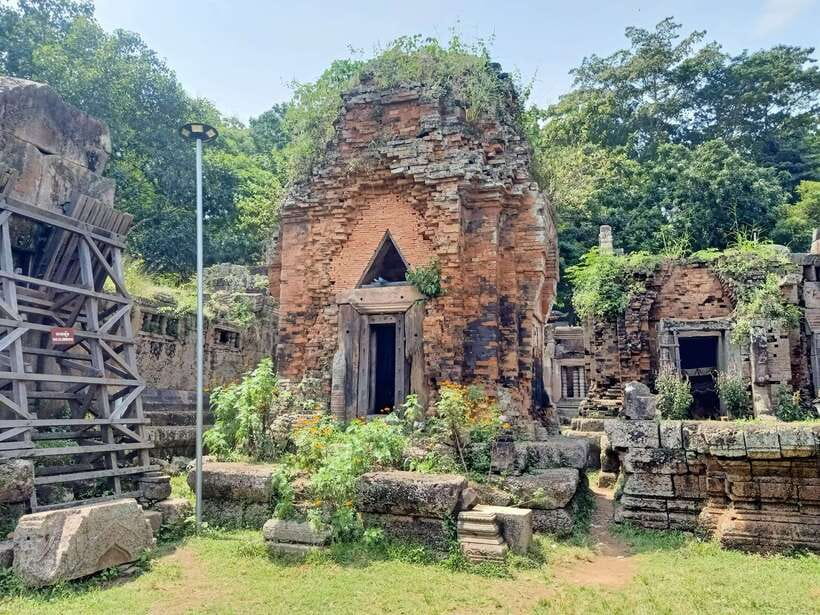
Four Khmer temples, one focused day. The trip is private (only your group) and built around a licensed English guide who explains why each place matters, not just what you’re looking at. You also get practical perks like cold waters and wipes plus a separate entrance for less waiting.
I especially like how the route moves from early Chenla-era roots to the more famous Angkor-era style, so your brain can connect the timeline. One catch: there’s no meal stop and temple tickets aren’t included, so you’ll want snacks and a small budget for entry fees.
In This Review
- Key Points You Should Know Before You Go
- The One-Day Route That Links Chenla to Khmer Temples
- Phnom Da Temple: 100 Steps to the Chenla-Teuk Lich Story
- Ta Prohm Bati: Tree-Wrapped Stones and Jayavarman VII Style
- Yeay Peau Temple: Family Legend Tied to Ta Prohm
- Neang Khmao (Black Virgin): A Temple Stop With a Different Mood
- Phnom Chisor: The Hill Temple With Long Stair Power
- The Guide and Driver Factor: Why This Feels Worth $143
- Price and Tickets: What’s Included vs What You’ll Pay On Your Own
- Practical Tips for a Smooth Day (and Less Stress)
- Who This Tour Suits Best
- Should You Book This One-Day Phnom Penh Temples Tour?
- FAQ
- Is this tour private or shared?
- What sites are included in the day trip?
- How long is the tour?
- Is lunch included?
- Are temple tickets included?
- What language is the live tour guide?
- How big is the group?
Key Points You Should Know Before You Go
- Private means calm and flexible: your guide and driver work only with your group of up to 6.
- Skip-the-line with a separate entrance saves time at temples.
- Phnom Da’s 100 steps start the day with real effort and big payback.
- Ta Prohm Bati comes with street reality: you may encounter beggars near the site.
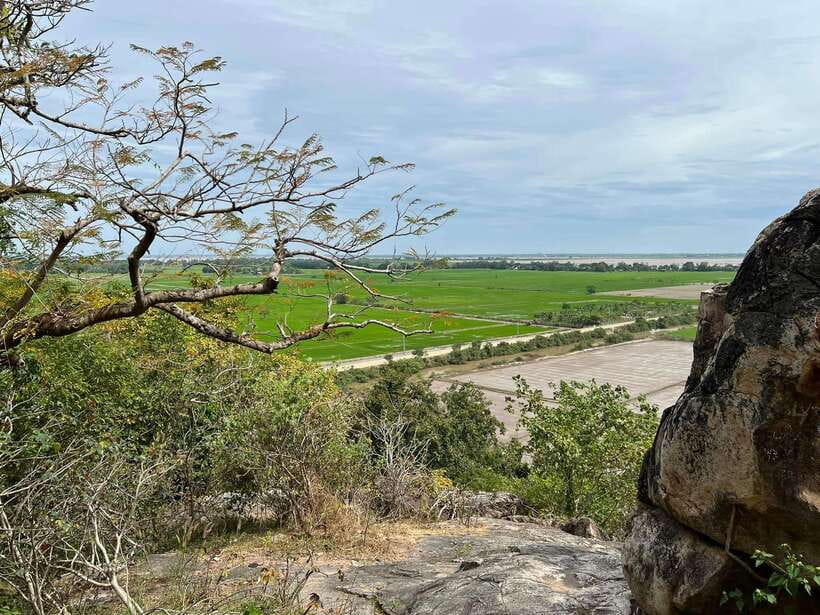
- Phnom Chisor’s staircase is the star: a long descent and wide views from the hill temple area.
The One-Day Route That Links Chenla to Khmer Temples
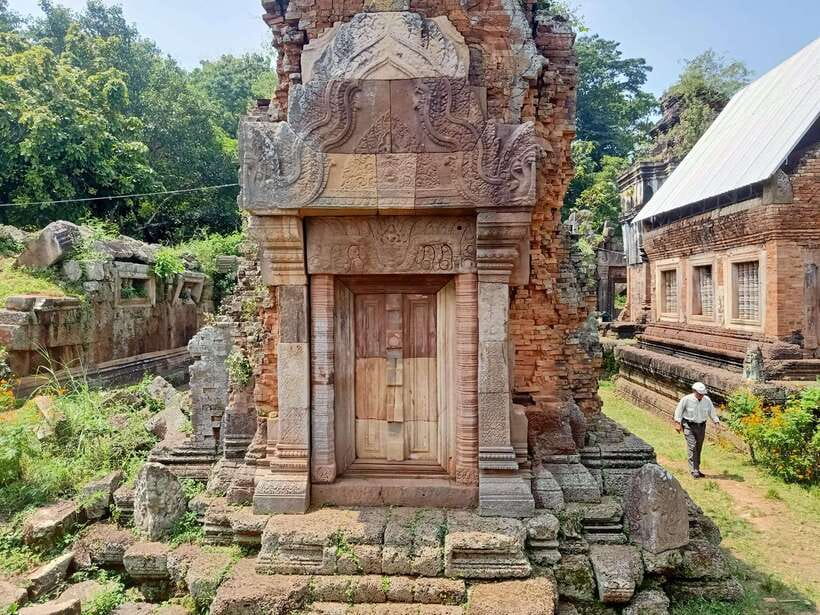
This day trip strings together four major stops that feel like different chapters of the Khmer story, all reachable from Phnom Penh. You’re on a private air-conditioned vehicle with a licensed driver, and the schedule is built to keep moving while still giving you time to look closely and ask questions.
After hotel pickup in Phnom Penh, the first transfer is about 1 hour before you reach Phnom Da. From there, each stop has a clear theme: early temple foundations, then the Ta Prohm style with famous tree growth, then a more legend-heavy pagoda experience, and finally the big hillside temple complex at Phnom Chisor.
A useful detail: the pace includes photo stops, guided walking, and short safety briefings throughout. That means you’re not just dropped at a gate and left to figure things out.
A few more Phnom Penh tours and day trips our team keeps coming back to


Phnom Da Temple: 100 Steps to the Chenla-Teuk Lich Story
Phnom Da starts the day with a hill temple setting that immediately separates it from the flatter temple sites. You’ll climb roughly 100 steps to reach the main area, which is a good warm-up for the rest of the walking.
This site ties into a major early chapter of Cambodian history. Phnom Da is associated with the reign of King Rutravarman in the 5th–6th century and is linked with the Norkor Phnom period. Later, the Khmer center of power shifts over time, and the tour frames Phnom Da as part of that bigger movement of capitals, including the shift toward places like Kompong Thom and eventually toward areas in the direction of Siem Reap.
What I like here is the layered timeline. Even with a current temple appearance that’s well kept on the exterior, the site’s story goes back further: there’s evidence of human habitation at least as early as 400 BCE, and the standing temple you see today (around the 11th century) sits on the footprint of an earlier 5th–6th century structure.
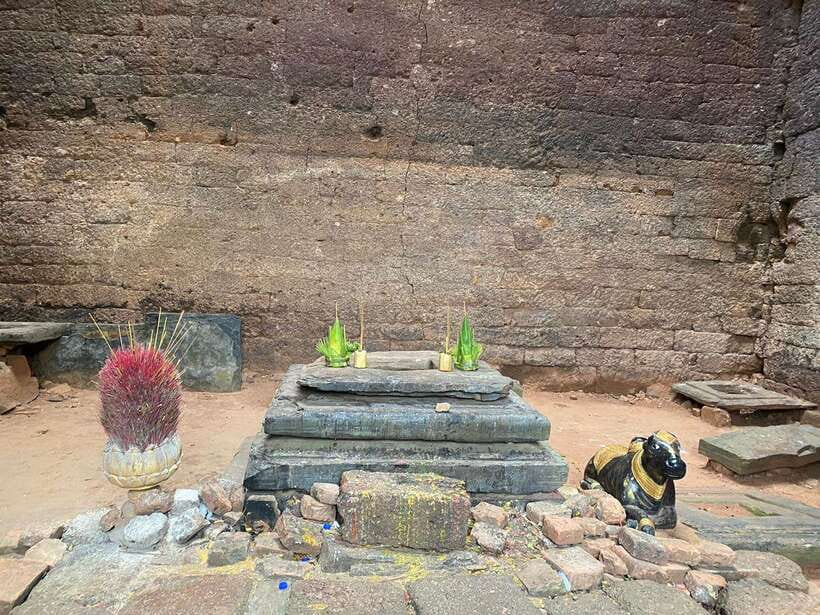
Inside the hill area, you’ll also hear about caves and sacred objects. One cave is said to feature a yoni pedestal connected to a missing Shivalingam. Nearby is the Asram Maharishi shrine, remembered as part of a sage’s legacy even though the original deity is long gone.
Practical note: if climbing 100 steps sounds like it’ll be tough, pace yourself. This isn’t a marathon, but it’s not a gentle ramp either.
Ta Prohm Bati: Tree-Wrapped Stones and Jayavarman VII Style
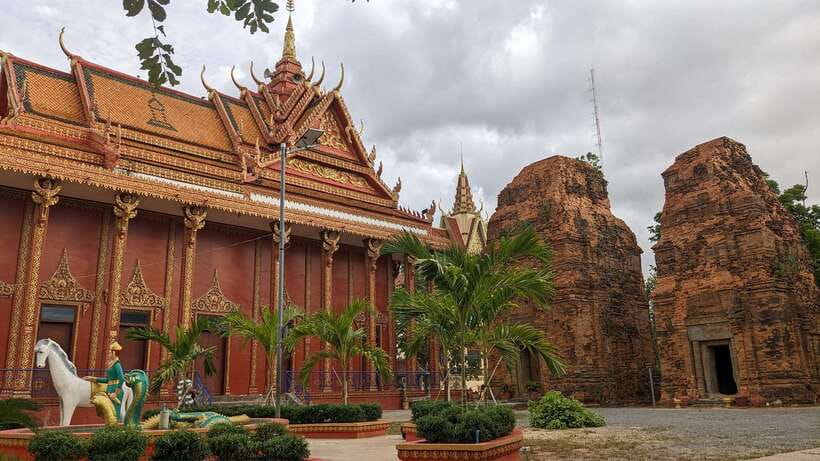
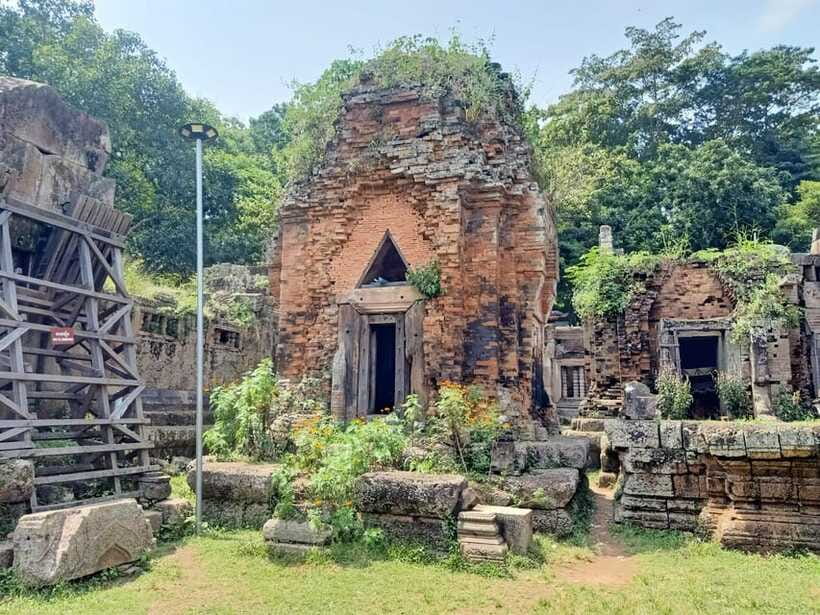
After Phnom Da, the trip heads toward Ta Prohm Bati (often discussed in the same breath as Ta Prohm). This is where Khmer temple design starts to feel more dramatic and cinematic, because of the famous living tree growth.
Ta Prohm here is said to have been built by King Jayavarman VII on the site of an earlier 6th-century Khmer shrine. The main sanctuary features five chambers, and each chamber is associated with a lingam inside—an important point to understand before you just admire the surfaces.
Then comes the part that makes people stop walking. You’ll see a tree growing on and around the temple structure, so the stonework and the roots feel like they’re sharing space. The guide’s explanations help you read the scene correctly, not as random damage, but as part of how the site has endured and changed over time.
One small reality check: you might encounter beggars around this area. It’s not a reason to skip the stop, but it helps to plan how you’ll handle it—whether that means buying small snacks for yourself and staying focused, or simply keeping your attention on the guide’s story as you walk.
Yeay Peau Temple: Family Legend Tied to Ta Prohm
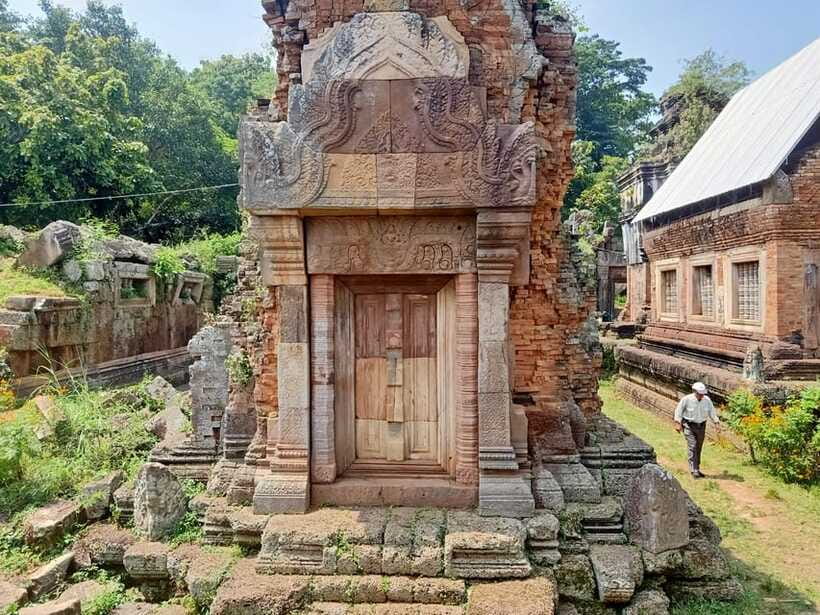
Next up is Yeay Peau Temple, named after Ta Prohm’s mother. This is one of those stops where the visuals are meaningful, but the context is the real hook.
The tour frames Yeay Peau as part of the broader Ta Prohm complex world, so by the time you arrive, you already understand the main sanctuary language: chambers, sacred elements, and the idea of temples as more than just ruins. That makes Yeay Peau feel connected rather than random.
Timing-wise, you’ll get about 1 hour here, with a mix of photo moments and a guided walk. If you like temples where the story feels personal—linked to named figures rather than just kings—this is a strong match.
Neang Khmao (Black Virgin): A Temple Stop With a Different Mood
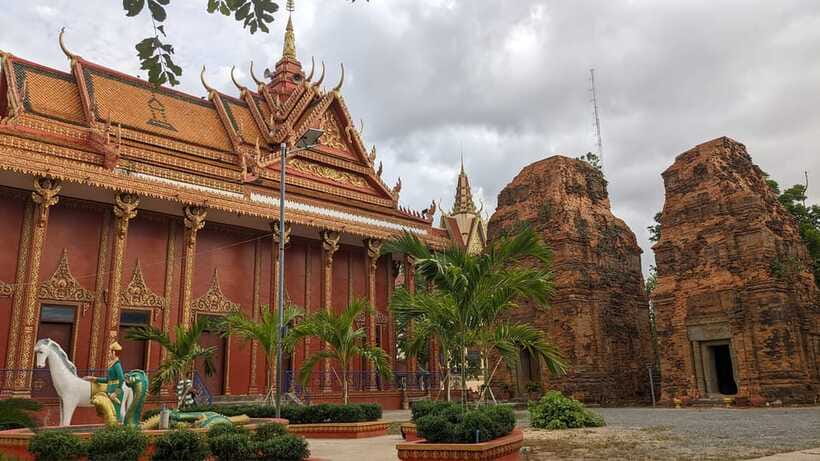
Then the route turns to Neang Khmao, often called the temple of the Black Virgin. This stop tends to feel different from the big hillside drama at Phnom Chisor, and it works well as a breather in the middle of the day.
You’ll have around 30 minutes here, which is enough time for the essentials: guided explanations, a careful look at the shrine spaces, and some time to take photos without feeling rushed.
Because the guide is live and in English, you can ask what matters most to you: the meaning of the legend, how locals relate to the place, and how it connects to the broader Khmer spiritual landscape. (You’ll get a clearer picture faster with a guide, especially when you’re trying to connect symbols to stories.)
If you’re the type who prefers less walking and more explanation, this is a good stop length.
A few more Phnom Penh tours and day trips our team keeps coming back to



Phnom Chisor: The Hill Temple With Long Stair Power
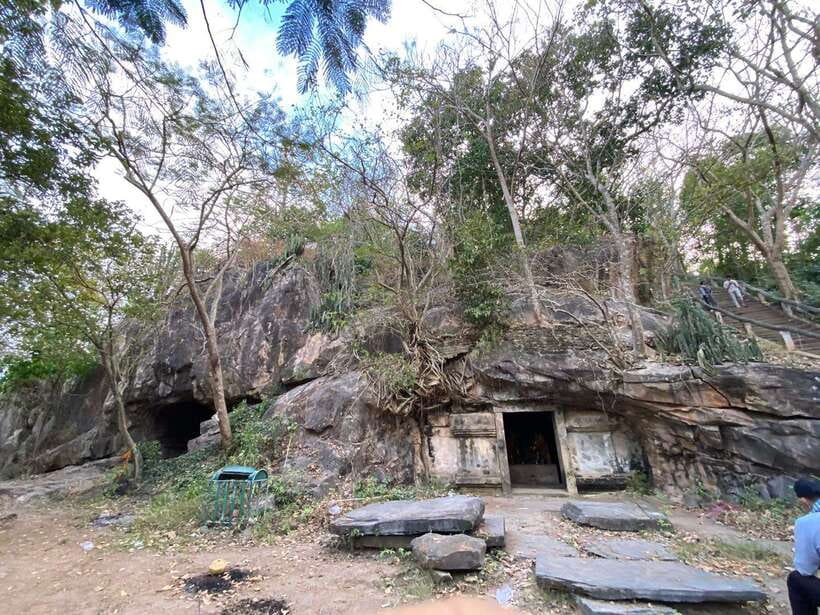
The last major stop is Phnom Chisor, about 50 km south of Phnom. This is a popular ancient temple and it also functions as a contemporary monastery site, so you’re seeing history while people still practice faith here.
The temple area sits on a hillside, and the key feature is the spectacular staircase. The stairs lead down to two entrance pavilions on the plains below, which gives you a built-in sense of scale as you move through the steps and then back up.
The layout matters for your photos. The outer pavilion is said to be around 700 m to the east, and it’s preceded by an ancient basin. Your guide can point out these relationships so you don’t just see structures—you understand how the site was planned.
You’ll spend about 1.5 hours here, which is the right amount of time to cover the main walk and take in the big view angles. It’s also a nice way to end the day: you start with stairs going up at Phnom Da, then you experience long stair movement at Phnom Chisor, and the contrast makes the walking feel purposeful.
The Guide and Driver Factor: Why This Feels Worth $143
At $143 per person for a 1-day private tour, value depends on what you compare it to. If you’re paying for a single share of transport plus a real guide, it adds up fast. Here you’re getting private transport with toll roads and parking handled, plus a licensed driver and a licensed English guide.
The group size is also small, limited to up to 6 participants. Even though it’s still a day trip, that size keeps the experience more personal and less like a museum conveyor belt.
The guide quality shows in the details people care about: one recent guide named Silong was praised for being friendly and full of information, and that’s exactly what you want for temple days where symbolism can get lost without context. Another highlight from the same set of experiences is punctual pickup and smooth driving, which matters on routes where time can get squeezed.
One more practical perk: the tour includes cold waters and wipes. That sounds basic until you realize how quickly temple heat and walking fatigue can add up.
Price and Tickets: What’s Included vs What You’ll Pay On Your Own
Here’s the straightforward math of what you’re covering.
Included:
- Private transport by air-conditioned vehicle
- Private driver and professional licensed guide (English)
- Hotel pickup and drop-off
- Toll roads and parking
- Travel insurance
- Cold waters and wipes
- Skip-the-line via a separate entrance
Not included:
- Meals
- Temple tickets
That last part is key. You should budget for temple tickets, and since there’s no meal stop, plan your day accordingly. If you go hungry, you’ll rush the art. If you snack at the right moment, you’ll slow down and enjoy the explanations.
Practical Tips for a Smooth Day (and Less Stress)
I’d treat this like a half-Temple, half-Story day. Your best advantage comes from walking in with curiosity, then letting the guide do the connecting.
A few things that will help:
- Bring snacks if you don’t want to think about meals during the day. The schedule doesn’t include one.
- Wear shoes you trust for uneven stone and stair climbs. Phnom Da’s 100 steps are the obvious one.
- Plan for human street life around popular sites. At Ta Prohm Bati, you may see beggars.
- Use the separate entrance and stay close to your group when it’s time to enter. It keeps the time saved.
- If you’re sensitive to heat, carry a small towel or extra water on top of the included bottles. You’re walking across multiple stops.
One more small idea: ask your guide for the “one sentence” meaning of each stop before you take photos. You’ll remember more, and your photos won’t look like random stamps.
Who This Tour Suits Best
This is a smart choice if you want a tight day trip that still covers major sites without feeling rushed. It also fits you if you care about temple history, because the guide connects each structure to its time period and themes.
You’ll likely enjoy it most if:
- You want private attention instead of sharing with strangers.
- You prefer an English live guide who can answer questions on the spot.
- You like the idea of seeing both early Khmer roots and later temple design styles in one day.
If you hate stairs or you want a pure lounging day, you might find Phnom Da and Phnom Chisor tiring. But if you can handle walking, the payoff is strong.
Should You Book This One-Day Phnom Penh Temples Tour?
If your goal is a structured, private way to see Phnom Da, Ta Prohm Bati, Neang Khmao, and Phnom Chisor in one day, this booking makes a lot of sense. The private setup, the licensed English guide, the skip-the-line entrance, and the included transport extras add up to real convenience.
Book it if you’re happy to bring snacks and pay temple tickets on your own. Skip it only if you strongly need a built-in meal stop or if long stair sections feel like a deal breaker.
FAQ
Is this tour private or shared?
It’s a 100% private tour with only the number of people you book. There are no other guests from a join group.
What sites are included in the day trip?
The route includes Phnom Da, Ta Prohm Bati, Neang Khmao (Black Virgin), Yeay Peau Temple, and Phnom Chisor.
How long is the tour?
The duration is 1 day.
Is lunch included?
No. Meals are not included in the tour price.
Are temple tickets included?
No. Temple ticket(s) are not included.
What language is the live tour guide?
The guide provides a live English tour.
How big is the group?
This is a small group limited to up to 6 participants.
More 1-Day Tours in Phnom Penh
More Tour Reviews in Phnom Penh

More Phnom Chisor & Tonle Bati Temple Trips in Phnom Penh
Keep browsing: more Phnom Penh tours and day trips our team has reviewed







Phnom Chisor & Tonle Bati Temple Trips, compared.
 ★ 5.0Phnom Chisor & Tonle Bati Private Tours from Phnom PenhFrom $13534 reviews
 ★ 5.0A Day Trip To Phnom Chisor – Tonle Batti From Phnom PenhFrom $6110 reviews
 ★ 5.0Chiso temple, Neang khmao, and Taprum temple historical site TourFrom $1905 reviews
 ★ 4.5Prasith and Reap Temples Private Day Trip from Phnom PenhFrom $1173 reviews
Browse the lists this tour appears in