
Reviewed · PHNOM PENH COOKING CLASSES
Khmer Cooking Class Half Day (AM or PM)
Market shopping first. Then you cook it.
This Khmer Cooking Class in Phnom Penh is built around real ingredients and real technique, not just watching someone else work. I like how the experience starts with a trip to a local market where an instructor like Chef Lom Ang shows you what to look for in fresh produce and herbs, and how that shopping translates directly into flavor. Then you head back and get guided cooking time with private, one-on-one help, which makes it feel far more personal than most group classes.
The best part for most people is that you actually cook at your own station and wok, with the chef walking you through steps and corrections as you go. One thing to consider: if your group is very small (or just you), the end meal may be served in a way that doesn’t always match how you’d expect to share food, so it’s smart to ask how portions are handled for solos.
In This Review
- Key highlights worth your time
- Why this Khmer cooking class starts at the wet market
- The half-day schedule that keeps it practical
- Theory, then hands-on: what the private format changes
- The three-dish Khmer menu: what you might cook
- Lunch or dinner at the end: what the meal feels like
- Value for $31: what you really get
- Where it shines most (and who should choose it)
- Tips to make your market-to-kitchen day smoother
- Final call: should you book Banana Cooking Class in Phnom Penh?
- FAQ
- How long is the Khmer Cooking Class half day in Phnom Penh?
- What time does the class start?
- Where do I meet for the class?
- Is this class private?
- What happens at the local market?
- Do you get recipes to take home?
- Do you eat what you cook?
- Can I get a full refund if I cancel?
- Is there a certificate?
Key highlights worth your time
- Market shopping with ingredient guidance so you know what you’re buying and why
- Private instruction that keeps you moving from prep to cooking without getting lost
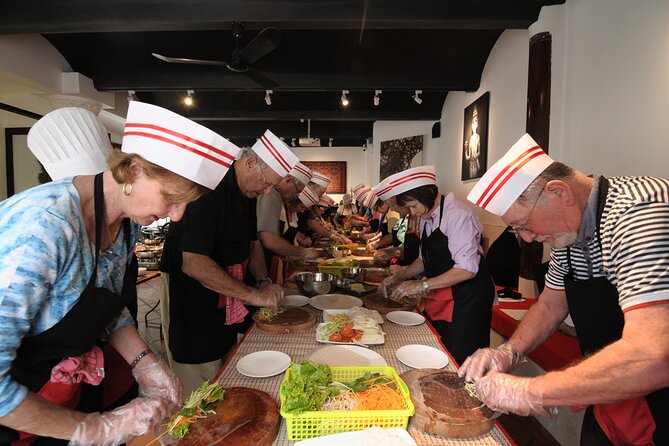
- Your own cooking station and wok, hands-on from start to finish
- Three traditional Cambodian dishes made during the class, then eaten as lunch or dinner
- Recipes and a certificate so you can recreate the dishes later
Why this Khmer cooking class starts at the wet market
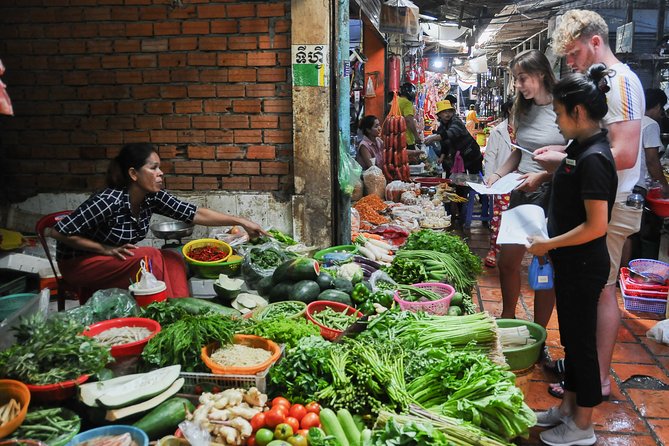
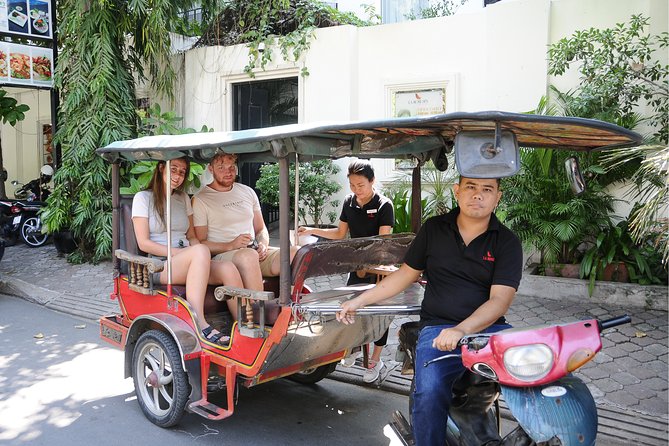
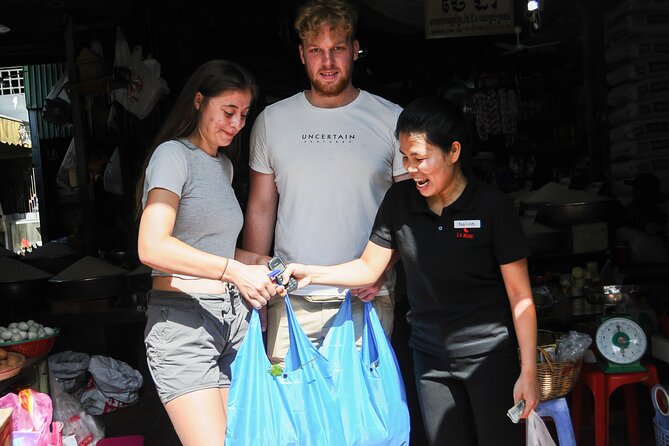
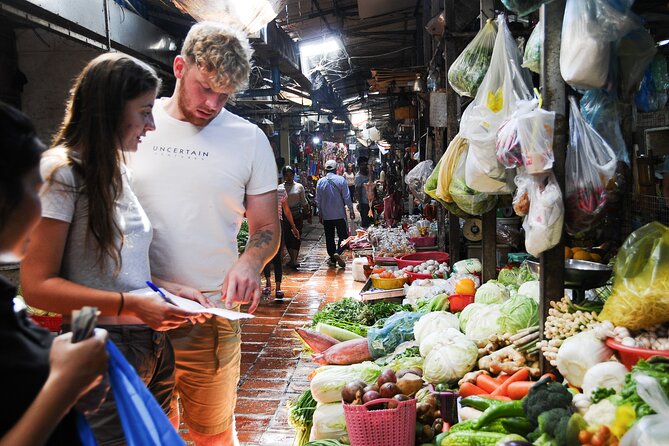
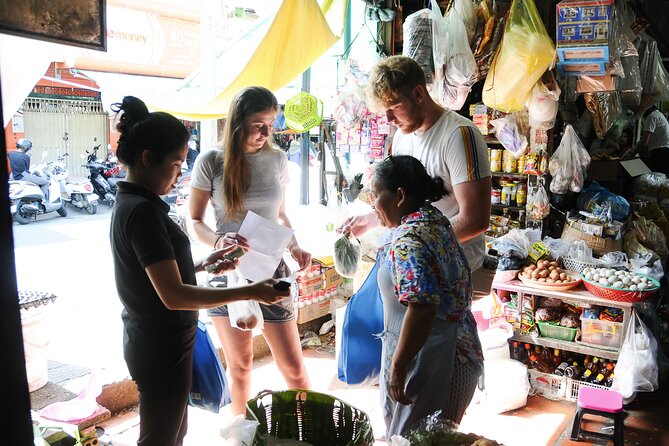
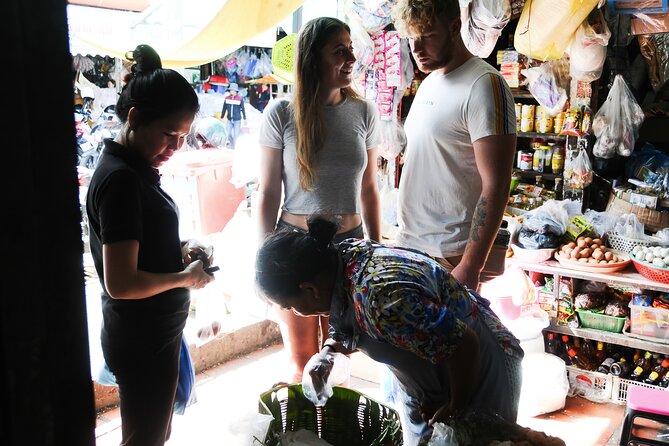
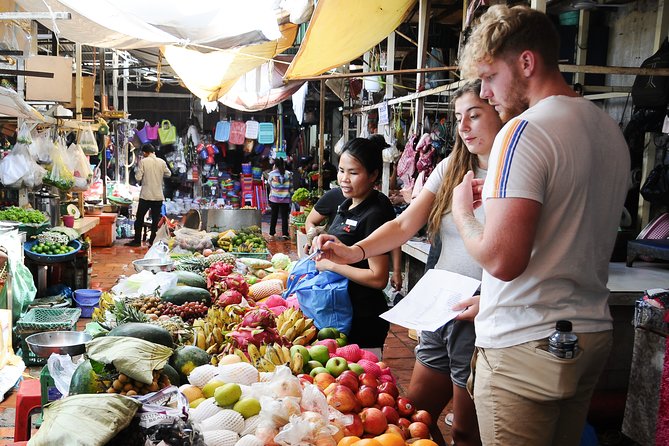
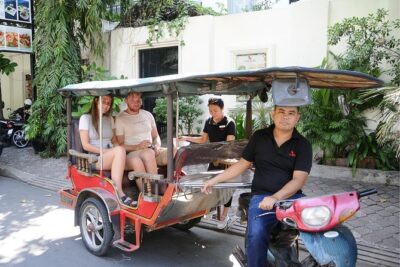
Phnom Penh has a constant buzz, but the wet market part is where the class turns from food entertainment into actual skill-building. You’ll be taken by tuk-tuk to a local market, where your chef explains what to choose for Cambodian flavors—things like which herbs look right, how spices should smell, and how produce quality affects the final dish.
This matters because Khmer cooking depends on the balance of fresh ingredients and seasoning. If you’ve ever cooked Asian food at home and wondered why it tastes different, this is the missing link. You’re learning to shop like a cook, not just like a tourist. The market stop also gives you a quick hit of everyday Khmer life: colors, stalls, and the practical speed of people doing real errands.
When you return to the school, you’ll use the same ingredients you picked. That’s a big difference from classes where you just get a pre-planned ingredient bundle. Here, the shopping is part of the lesson.
A few more Phnom Penh tours and day trips our team keeps coming back to
The half-day schedule that keeps it practical
This is a 4-hour half-day class offered in either the morning (around 09:00) or afternoon (around 15:00). Your group meets at Banana Cooking Class, then you ride by tuk-tuk to the market. After shopping, you go back for cooking prep and instruction, then eat the meal you made.
The flow is structured and easy to follow:
- Market visit for fruits, vegetables, and spices
- Back at Banana Cooking Class: a refreshing drink, cold towel, and recipe materials
- A short theory/demonstration section
- Hands-on cooking with support
- Lunch or dinner, plus a certificate and a photo session
The upside of this tight timing is that you get full value in a short window. If you’re in Phnom Penh for a few days, this is a realistic food activity that doesn’t eat your whole day.
Theory, then hands-on: what the private format changes
The cooking portion is set up so you aren’t stuck waiting your turn. After you settle in, you get a cookery demonstration of the dishes you’ll prepare. Then it becomes practice time: each student has their own station and wok, and the chef assists while you cook your portion.
That one-on-one help is where you’ll feel the class earn its price. Cambodian dishes can have small steps that matter—how you cut aromatics, when you add certain ingredients, and how you balance seasoning. When you have a chance to ask questions in the moment, you’re more likely to leave with a method you can actually repeat later.
Instructors mentioned in the class experiences include Chef Lom Ang and Sophen, and multiple accounts describe teaching as clear, step-by-step, and patient. Even if you’re not a confident cook, the structure is designed to keep you on track rather than tossing you into chaos.
The three-dish Khmer menu: what you might cook
The class centers on making three traditional Cambodian dishes. The exact menu can vary by session, but based on the dishes that show up again and again in class experiences, you can reasonably expect a mix that gives you both savory and sweet Khmer flavors.
Here are the dishes you’ll commonly see mentioned:
- Spring rolls / rice paper rolls as a starter
- Chicken curry (including a yellow curry style) as a main dish
- Fish amok as another signature main
- Green mango salad as a fresh, crunchy contrast
- Banana palm sugar dessert (often described as banana palm sugar or banana caramel) as a sweet finish
Why this mix is smart: you’re not only learning one “type” of Khmer cooking. You’ll work with fresh herbs for brightness, aromatics for depth, and then finish with a dessert that relies on banana and sugar for a classic Cambodian flavor profile.
You also get recipe instructions to take home. That’s a huge part of the value. The class isn’t just about eating well today; it’s about giving you a written path to cook again later without guessing.
Lunch or dinner at the end: what the meal feels like
After cooking, you eat the meal you made—typically lunch for the morning session and dinner for the afternoon session. This is more satisfying than it sounds. The food tastes like it’s supposed to taste because you controlled the ingredients and steps. Plus, there’s something motivating about eating your own work right there at the end.
Portions are described as generous in many experiences, but one caution shows up for solo diners: if you’re the only person in your group, you may end up eating alone, and you might not be able to adjust sharing the way you’d like. If you’re traveling solo or with a small group, it’s worth asking the staff what to expect about portions and whether extra dining arrangements are possible.
You’ll also receive a certificate and do a photo session before the class ends back at the meeting point.

Value for $31: what you really get
At around $31 for roughly 4 hours, this class sits in the sweet spot for Phnom Penh value because it includes multiple things you’d otherwise pay separately for:
- Market guidance (where you learn what to buy)
- Ingredient-based prep and cooking time with instruction
- A sit-down meal based on what you cooked
- A recipe handout you can use later
- Certificate and photo session
The private nature matters here too. The experience is described as private, meaning only your group participates. That usually means more focused attention than a big shared class where you’re watching or waiting.
One more value point: you’re not learning cooking from a screen. You’re learning from a real working kitchen process. Small details—cutting, timing, seasoning—are easier to pick up when you do them yourself.
Where it shines most (and who should choose it)
This class is a strong fit if you:
- Want to understand Khmer cuisine beyond restaurant dishes
- Enjoy learning through hands-on cooking rather than passive tours
- Want a straightforward half-day activity that fits into sightseeing plans
- Are traveling with kids or a food-minded parent-child duo (one experience specifically notes it as good for families)
It’s also a great choice if you like practical souvenirs. The recipes you take home are useful. And the knowledge of how to select ingredients in a Cambodian market is the kind of thing that improves how you cook long after the trip ends.
If you’re mainly looking for a long, scenic tour or a deep historical lecture, this is not that. It’s food-first, technique-first, and focused on what happens in the kitchen.
Tips to make your market-to-kitchen day smoother
These are practical tips based on how the experience is structured:
- Wear comfortable clothes you don’t mind getting a little kitchen-scented. You’ll handle ingredients and cook.
- Expect the market shopping to move at a real pace. Have your questions ready, especially about herbs and spices.
- Use the recipe materials right after the class. Your memory of the steps will be freshest then.
- If you have strong spice preferences or dietary limits, tell the instructor at the start of the session. The class approach is hands-on, so adjustments are best handled early.
- If you’re coming as a single person or very small group, ask about meal portion handling so you’re not surprised at the end.
Final call: should you book Banana Cooking Class in Phnom Penh?
Yes, you should book this if you want a practical Khmer cooking lesson with market learning baked in. The biggest win is the combination: ingredient selection in the market, then real coaching while you cook at your own station. For many people, the market part is where confidence starts—because once you understand what to look for, cooking at home becomes much easier.
If you’re extremely sensitive to being served large portions or eating alone when your group is tiny, plan ahead and ask questions about how meal service works for small groups. Otherwise, this is a very solid half-day way to get something real from Phnom Penh: recipes, technique, and a meal you made with your own hands.
FAQ
How long is the Khmer Cooking Class half day in Phnom Penh?
It runs for about 4 hours.
What time does the class start?
There are morning and afternoon options. The schedule lists meeting at 09:00 and 03:00 pm, with class activities continuing through the late morning or evening-meal time.
Where do I meet for the class?
The meeting point is Banana Cooking Class, 1, 4b Abdul Carime St. (21), Phnom Penh, Cambodia.
Is this class private?
Yes. It is described as private, so only your group participates.
What happens at the local market?
You travel by tuk-tuk to a local market, where you’re shown Cambodian fruits, vegetables, and spices and you collect the ingredients for your dishes.
Do you get recipes to take home?
Yes. You receive a recipe and ingredient list to recreate the dishes later.
Do you eat what you cook?
Yes. The class ends with lunch or dinner made up of the three traditional Cambodian dishes you prepared.
Can I get a full refund if I cancel?
You can cancel for a full refund up to 24 hours before the experience’s start time.
Is there a certificate?
Yes. A certificate is given at the end of the class.
More Phnom Penh Workshops & Classes to Bookmark
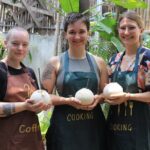
More Tour Reviews in Phnom Penh
More Phnom Penh Cooking Classes in Phnom Penh
Keep browsing: more Phnom Penh tours and day trips our team has reviewed








Phnom Penh Cooking Classes, compared.
 ★ 4.9Phnom Penh’s Hands-On Khmer Cooking Class in the CountrysideFrom $3533 reviews
 ★ 5.0Khmer Cooking Class Full DayFrom $5813 reviews
 ★ 5.0Cooking Class in Phnom PenhFrom $317 reviews
 ★ 5.0The Mekong Village Cooking EscapeFrom $594 reviews
Browse the lists this tour appears in