
Reviewed · PHNOM PENH COOKING CLASSES
Cooking Class in Phnom Penh
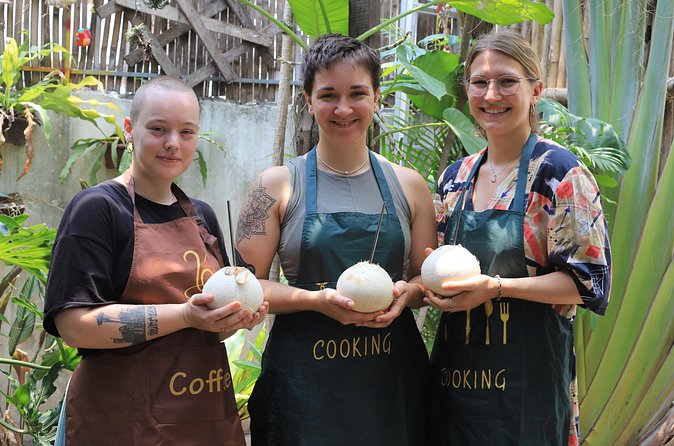
Spices fly in Phnom Penh at 5 p.m., and you’ll learn why. This hands-on cooking class at Phnom Penh Spice Cooking Class walks you through making Khmer dishes from fresh, local ingredients, then you sit down and eat the results.
I also love how the night isn’t only about food technique. You get a step-by-step build for spice paste, steaming, Cambodian-style BBQ, and dessert, and then a slide talk that connects rice and fish to Cambodian flavor and the outside influences on Khmer cooking. One possible drawback: it’s an active, tight 3-hour format, so if you want a slow dinner with lots of downtime, this may feel a bit busy.
In This Review
- Key things that make this class work
- Finding Phnom Penh Spice Cooking Class at 111 St 1MC
- 5:15 to 6:45: Cutting, pounding, seasoning, then steaming
- 7:00 to 7:15: Cambodian-style BBQ and dessert
- 7:30 PM slide presentation: rice, fish, herbs, spices, and outside influences
- Dinner about 8:00 PM: water, soft drinks, and one or two beers
- Price and logistics: why $31 is fair for what you get
- What to wear and how to get the most out of the night
- Who this cooking class is best for in Phnom Penh
- Should you book Phnom Penh Spice Cooking Class?
- FAQ
- Where is the cooking class meeting point?
- What time does the class start, and how long does it take?
- How many people are in each group?
- How much does it cost?
- What’s included with the experience?
- What will I cook during the class?
- Is there a talk or presentation during the class?
- Can I cancel for a refund?
Key things that make this class work
- Small group cap (8 people): you get real attention while you’re chopping, pounding, and seasoning.
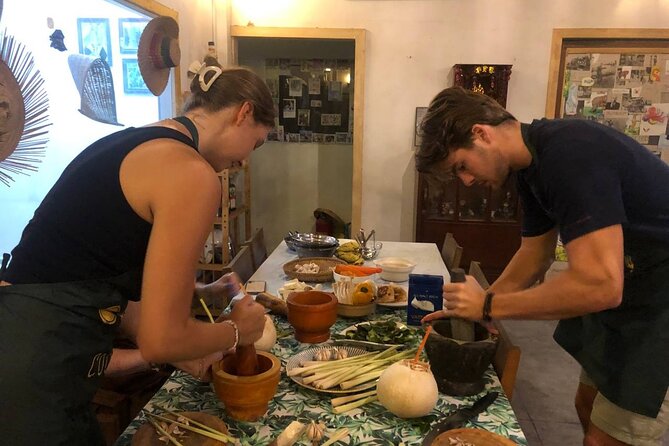
- Spice paste hands-on time: cutting spices and pounding them to the right texture is where Khmer flavor begins.
- Real meal, made by you: steaming, Cambodian-style BBQ, and dessert turn the lesson into dinner.
- Food-to-culture slide presentation: rice, fish, herbs, spices, and regional influences are explained after cooking.
- Drinks included with dinner: water, soft drinks, and one or two beers come with the meal.
Finding Phnom Penh Spice Cooking Class at 111 St 1MC
You’ll start at 111, St 1MC in Phnom Penh, meeting at Phnom Penh Spices. The whole experience is designed around a late-afternoon start, with the meet-up at 5:00 PM and an ending back at the same meeting point.
I like this setup because it fits neatly into a typical Phnom Penh day. You don’t have to worry about rushing in the morning, and you still get a full dinner experience by around 8:00 PM. Also, the group is capped at a maximum of 8 travelers, which matters because cooking classes can turn into a stand-and-watch show when they’re too large.
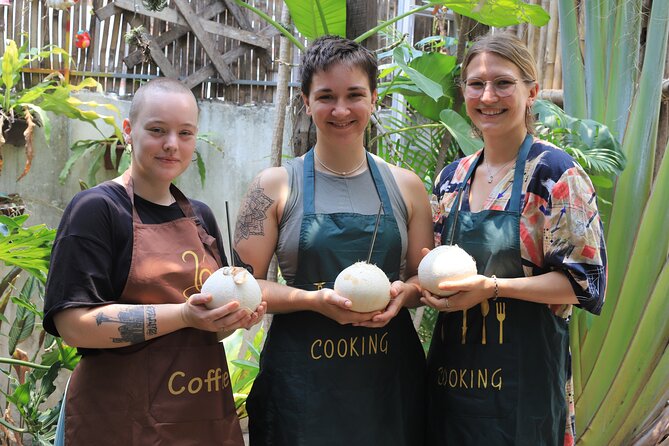
At arrival, you’re not thrown directly onto a cutting board. You refresh with coconut water and seasonal fruit, then the night shifts into spice education. That early calm moment is practical: you can get oriented, smell what you’ll cook with, and ask questions before the pace ramps up.
If you’re the type who likes to understand ingredients before you touch them, this order of events is a win. You start with senses—smell, taste, and learning—and then you move into hands-on cooking.
A few more Phnom Penh tours and day trips our team keeps coming back to
5:15 to 6:45: Cutting, pounding, seasoning, then steaming
Around 5:15 PM, you begin the work that actually builds Khmer flavor: cutting spices and pounding them into a paste. This isn’t just busywork. In Khmer cooking, grinding spices helps bring out aroma and creates a thicker base that clings to whatever ingredients you’re using next.
Then, about 5:30 PM, you season that spice paste and mix it with vegetables and meat. This is the part I think most people underestimate. If you mix too lightly or too late, your seasoning won’t distribute evenly. If you overdo it, the paste can turn harsh. The class format keeps you moving, but it’s also structured so you’re doing the steps with guidance rather than guessing.
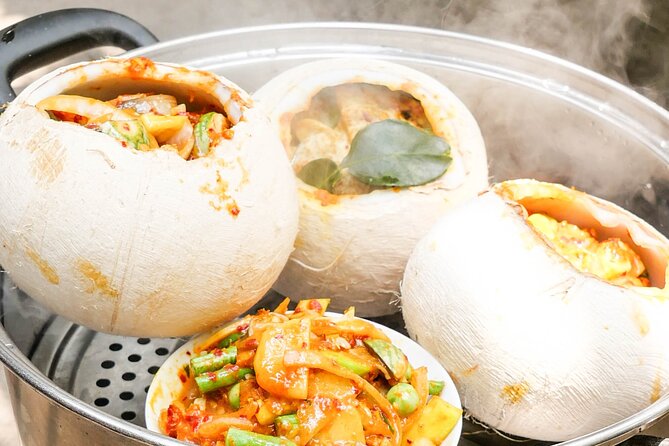
By 6:45 PM, it’s time to put the food into steaming. Steaming matters because it’s a gentler cooking method than high heat, which helps keep food tender and supports the delicate balance that Khmer dishes often aim for. You’ll feel the shift from active chopping to waiting—just long enough for your appetite to catch up.
This cooking sequence is also a great value for $31 per person. Many food tours pay you back with a few bites. Here, the whole evening is built around you making components that become dinner.
One consideration: you’ll be working with strong-smelling spices during the paste stage. Wear something you’re comfortable getting aromatic, and don’t plan on immediately heading to an all-fancy dinner afterward without a quick change.
7:00 to 7:15: Cambodian-style BBQ and dessert
At 7:00 PM, the class moves into BBQ in Cambodian style. BBQ can sound casual, but in cooking classes it’s where you learn how to transition from paste-based flavor to heat-driven char and smoke. That’s also why this portion feels different from the earlier steps—you’re watching and adjusting in real time rather than following a slow, exact simmer.
Then at 7:15 PM, you make dessert. This timing is smart. Dessert preparation keeps the energy up and gives the night a satisfying finish, rather than leaving it as an afterthought. Even if you’re not a dessert person, you’ll probably appreciate the sweet note after spicy and savory work.
I like that the class includes both savory grilling and a finishing dessert. It keeps your brain engaged during a 3-hour session and gives you a more complete sense of what a Cambodian meal can feel like end-to-end.
7:30 PM slide presentation: rice, fish, herbs, spices, and outside influences
Around 7:30 PM, you’ll shift from the cutting board to the storytelling. The slide presentation covers the importance of rice, fish, and herbs and spices in Cambodian food. It also explains how Cambodian dishes were shaped by influences from neighboring cultures.
This is the part that turns the cooking into context. When you know why rice and fish show up again and again, you start tasting with more intention. You’re not just eating something that tastes good—you understand what role it plays in the overall flavor system: salty, aromatic, herbal, and balanced.
It also helps you compare what you cook in the class to what you might see later while walking around Phnom Penh. Instead of memorizing recipes, you pick up the logic behind the flavor.
If you like learning from the person teaching, you’ll probably appreciate the hosting style. The class is run with strong energy and a willingness to share information about Cambodian food and culture. One name that came up in feedback is Sreng, who helped create a friendly, informative atmosphere.
Dinner about 8:00 PM: water, soft drinks, and one or two beers
Dinner time comes at about 8:00 PM, and this is when you eat what you’ve made. The meal is served with water, soft drink, and one or two beers included.
This is a meaningful inclusion for your budget. At $31 per person, the price makes more sense when you remember you’re not only getting instruction—you’re also leaving with a full evening meal and drinks. It’s the kind of experience that can feel more like a dinner plan with a cooking workshop attached, rather than a pricey add-on activity.
Practical note: expect to eat after a full sequence of hands-on cooking. You won’t need to hunt for food afterward, which is a nice stress reducer when you’re doing other Phnom Penh plans that day.

Price and logistics: why $31 is fair for what you get
At $31 per person, this class sits in the value range for Phnom Penh activities, especially because it includes:
- a full hands-on cooking lesson
- the components that turn into your dinner
- water, soft drinks, and beer at the meal
- a culture talk with slides after cooking
The class lasts about 3 hours. That’s a sweet spot for most evenings: long enough to learn real technique and cook multiple items, short enough that you’re not stuck into a late-night schedule.
Averages matter too. The class is typically booked about 7 days in advance. Since the maximum group size is 8, booking ahead is smart if your travel dates are fixed.
Also, you’ll receive a mobile ticket, which keeps the whole process simple once you’re in Phnom Penh.
My take: this is the kind of cooking class that feels worth it because the meal is part of the product. You’re paying for instruction plus dinner, not just for a demonstration.
What to wear and how to get the most out of the night
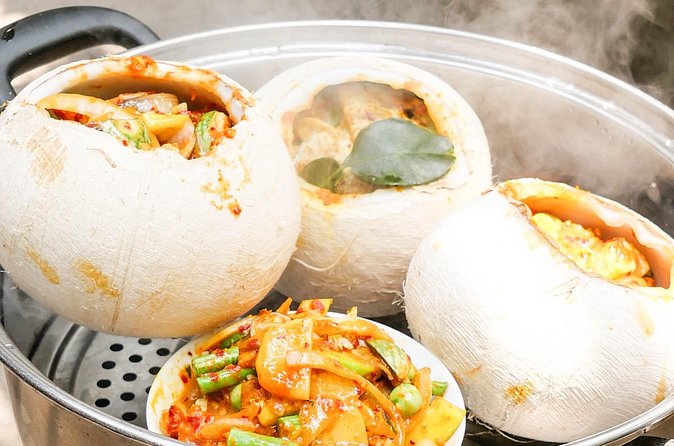
This is practical, hands-on cooking. You’ll be chopping spices, pounding them, mixing seasoning, and cooking hot food. So plan for comfort:
- Wear closed-toe shoes if you have them, especially since you’ll be moving around in a kitchen area.
- Use clothes you don’t mind smelling faintly like spices afterward.
- Bring a good appetite. The evening builds step-by-step, and dinner is the reward.
To get more from the culture talk, keep a small mental checklist as you cook: What ingredients keep showing up? How do rice and fish link to other flavors? The slide presentation later will make more sense if you’ve already noticed those elements during seasoning.
If you’re traveling solo, this is a good fit because the group is small and capped at eight. You’re not stuck waiting for the next person to finish while the rest of the class happens in silence. And if you’re with a friend, it’s a fun shared project—you’ll likely end up tasting differences and discussing what you did at each step.
The biggest payoff for me is the combination: technique first, then context. You learn how to cook, and you also understand what you’re cooking and why it matters in Cambodian food.
Who this cooking class is best for in Phnom Penh
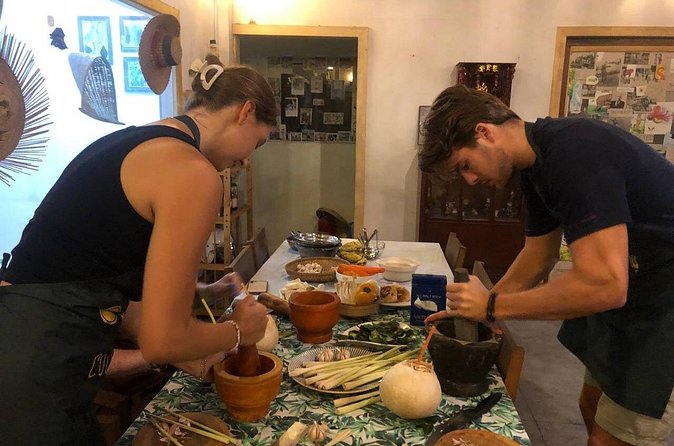
I think this class is ideal for:
- food lovers who want to make Cambodian dishes rather than just taste them
- travelers who like a short evening activity that still feels substantial
- couples or small groups who prefer a class with a small group size and direct teaching
- people who enjoy learning the cultural reasons behind everyday ingredients like rice, fish, herbs, and spices
If you’re in Phnom Penh mainly for history sites and shopping, this class gives you a different kind of insight. It’s not about monuments. It’s about how people season, cook, and eat at home.
One more note: this isn’t designed to be a silent, self-guided workshop. The format is step-by-step with instruction, and that’s part of the value. If you want to ask questions while you cook, this structure supports that.
Should you book Phnom Penh Spice Cooking Class?
Book it if you want a real Khmer cooking lesson, not just a meal with a brief explanation. The pricing makes sense because you’re paying for instruction and then eating what you create, plus included drinks at dinner. The slide presentation adds context that helps you move beyond taste and into understanding.
Skip it if you need a slow evening with minimal hands-on work. This class asks you to be active—pounding spices, mixing paste, and cooking through multiple stages—and it moves efficiently from 5:00 PM to dinner at about 8:00 PM.
If your schedule allows, I’d book soon since it’s capped at 8 and averages about a week of advance planning. In Phnom Penh, a small-group class that teaches technique, culture, and dinner in one sitting is a strong use of time.
FAQ
Where is the cooking class meeting point?
The class meets at Phnom Penh Spices, 111, St 1MC, Phnom Penh, Cambodia.
What time does the class start, and how long does it take?
It starts at 5:00 PM and runs for about 3 hours. It ends back at the meeting point.
How many people are in each group?
The class has a maximum group size of 8 travelers.
How much does it cost?
It costs $31.00 per person.
What’s included with the experience?
You’ll take part in the cooking steps, then eat dinner you made. The dinner includes water, soft drinks, and one or two beers. You also start with coconut water and seasonal fruit.
What will I cook during the class?
You’ll prepare spice paste, then season a mixture with vegetables and meat, steam the food, make Cambodian-style BBQ, and make dessert.
Is there a talk or presentation during the class?
Yes. Around 7:30 PM there’s a slide presentation about Cambodian food, including rice, fish, herbs, spices, and influences from nearby regions.
Can I cancel for a refund?
Yes, cancellation is free. You can cancel up to 24 hours in advance for a full refund; within 24 hours, the amount paid is not refunded.
More Phnom Penh Workshops & Classes to Bookmark
More Tour Reviews in Phnom Penh
More Phnom Penh Cooking Classes in Phnom Penh
Keep browsing: more Phnom Penh tours and day trips our team has reviewed







Phnom Penh Cooking Classes, compared.
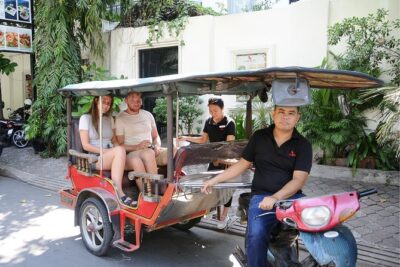 ★ 5.0Khmer Cooking Class Half Day (AM or PM)From $31316 reviews
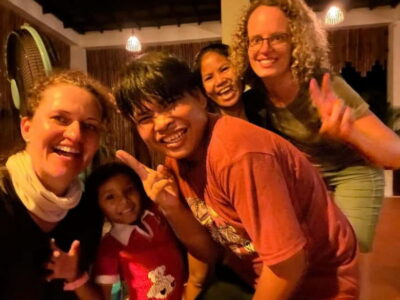 ★ 4.9Phnom Penh’s Hands-On Khmer Cooking Class in the CountrysideFrom $3533 reviews
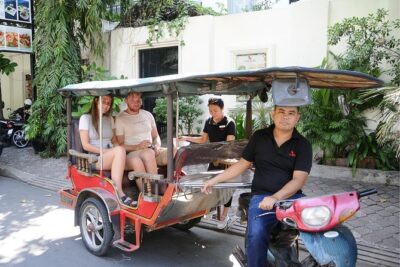 ★ 5.0Khmer Cooking Class Full DayFrom $5813 reviews
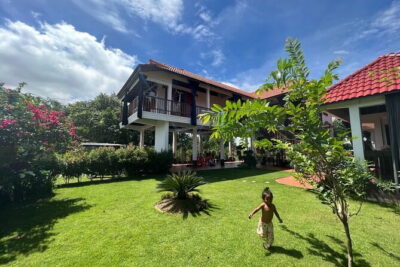 ★ 5.0The Mekong Village Cooking EscapeFrom $594 reviews
Browse the lists this tour appears in