
Reviewed · PHNOM PENH COOKING CLASSES
Khmer Cooking Class Full Day
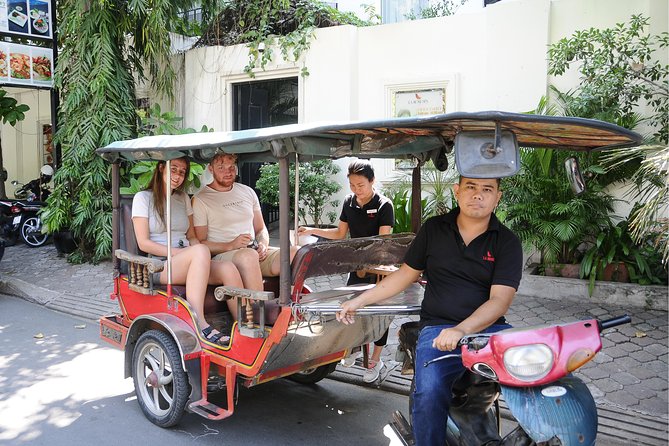
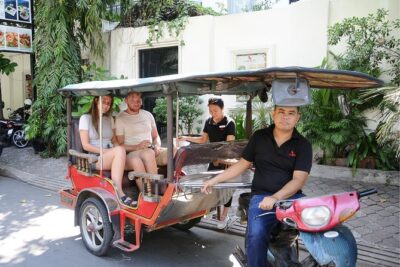
You start at the market, not the kitchen. This full-day Khmer cooking class in Phnom Penh is a practical way to learn Cambodian flavors, from ingredients shopping to cooking side-by-side in a real kitchen. You’ll go by tuk-tuk to a local market, then return to cook classic dishes with chef guidance.
I especially like the hands-on format: each person has a cooking station and wok, and the chef actively helps you get the technique right. I also like that the class is built for real life after Phnom Penh, with recipes you can take home (and a certificate to make it official).
One consideration: this is an 8-hour day. If you only want a quick taste of Khmer food, you may be happier with the half-day option instead of committing to the full schedule.
In This Review
- Key highlights worth your attention
- Market Shopping at 9:00: Why the Ingredient Walk Matters
- Tuk-Tuk Back, Cold Towel, and Your Recipe Handout at 10:15
- Chef Demos to Your Own Wok by 11:00: The Real Khmer Cooking Lesson
- Flexibility if you need changes
- Lunch at 12:00: You Eat What You Made (So You Can Learn)
- The 3:30 Afternoon Session: Slower Dishes, More Skill
- Recipes Home + Certificate Finish at 5:00
- Price and Value: Is $58 Worth an 8-Hour Food Day?
- Who Should Book the Full-Day Course in Phnom Penh
- Practical Tips to Make Your Cooking Day Smoother
- Should You Book Khmer Cooking Class Full Day?
- FAQ
- Where is the meeting point for the full-day class?
- What time does the full-day course begin and when does it end?
- How long is the Khmer Cooking Class Full Day?
- Do you visit a local market before cooking?
- What dishes will I be cooking?
- Do you get lunch during the full-day course?
- Is this a private activity?
- Do I receive anything at the end of the class?
- What is the cancellation policy for a full refund?
Key highlights worth your attention
- Market shopping first: learn the fruits, vegetables, and spices you’ll actually use
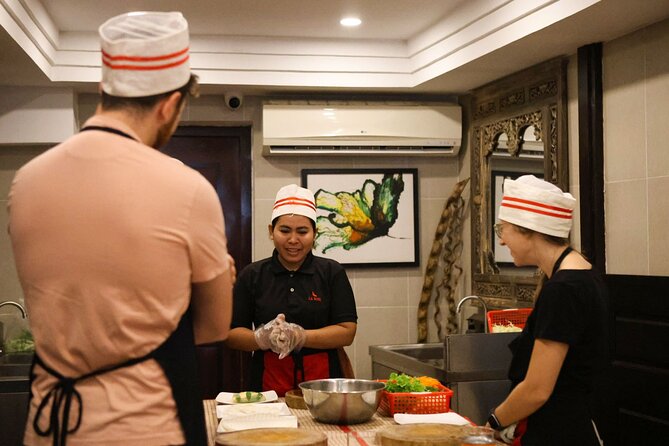
- Your own station and wok: less watching, more doing, with chef support
- A clear rhythm of theory + cooking: demo time, then you cook, then you eat
- Classic Khmer menu planning: spring rolls, mango salad, fish amok, and more
- Take-home recipes: you leave with your own Khmer cook book for later
- Certificate and photo: a fun finish that turns the day into a real memory
Market Shopping at 9:00: Why the Ingredient Walk Matters
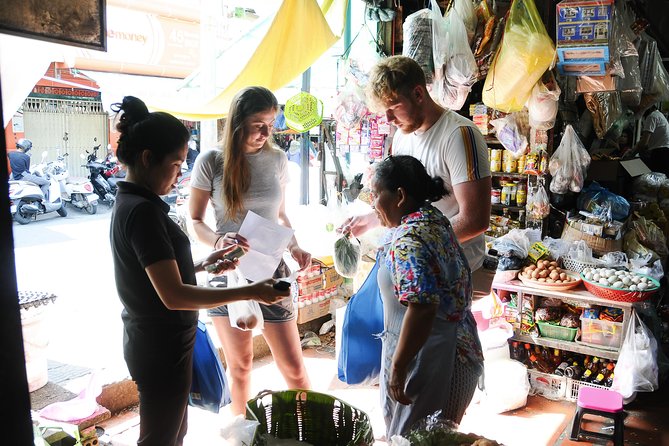
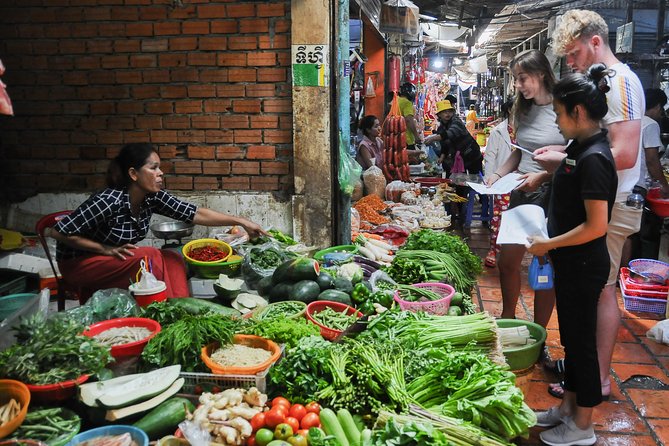
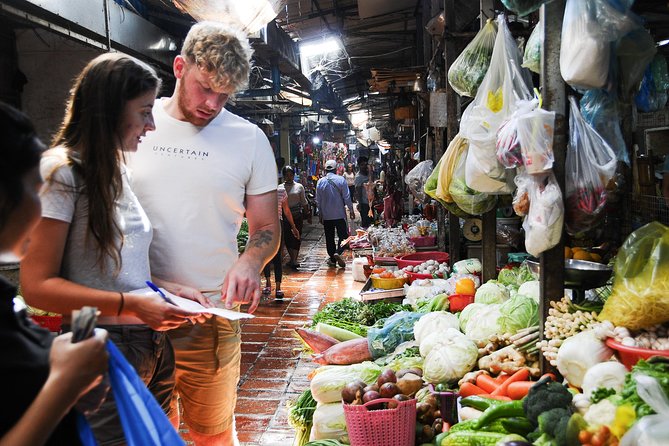
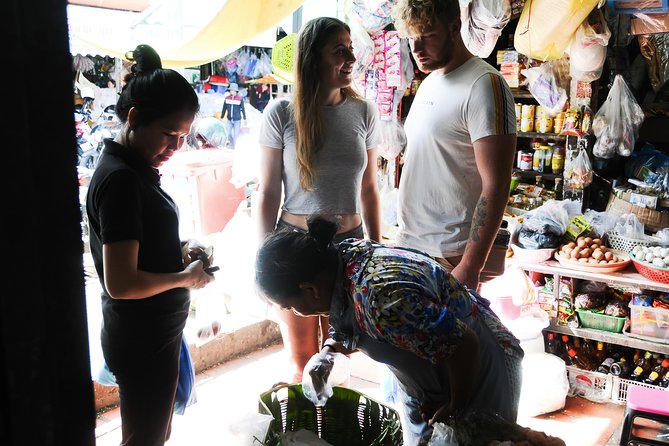
The day starts at Banana Cooking Class (4b Abdul Carime St. (21), Phnom Penh). At 9:00am, you meet up, then head out by tuk-tuk to the local market. This isn’t a quick photo stop. The guide shows you Khmer produce and helps you understand what to buy and why it matters in the final dish.
I like this approach because it trains your eye. Instead of just learning a recipe, you learn what counts as the right ingredient. You’ll get oriented to local fruits, vegetables, and herbs/spices that show up in Khmer cooking again and again.
If you’re the kind of traveler who usually asks, What’s in that?, this market portion answers that question at the source. You also get a sense of how Cambodian cooking leans on fresh flavors and aromatics, not just heavy sauces. That makes the later cooking feel logical, not random.
A few more Phnom Penh tours and day trips our team keeps coming back to

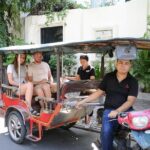
Tuk-Tuk Back, Cold Towel, and Your Recipe Handout at 10:15
You head back by tuk-tuk around 10:00am, arriving at Banana Cooking Class for a refreshing drink and a cold towel. It’s a small detail, but it helps. Phnom Penh mornings can still feel warm, and cooking is a full-contact activity (standing, chopping, stirring).
Then you get the recipe and start with the theory class. The chef presents a cookery demonstration of the dishes you’ll be preparing. This part is worth paying attention to, even if you usually skip the “watch first” steps. Khmer cooking often depends on the balance of flavors and timing. Seeing the flow once helps your hands do it correctly the second time.
You’ll also get a clearer idea of what “success” looks like. That matters when you’re learning techniques on a station you’ll use again and again.
Chef Demos to Your Own Wok by 11:00: The Real Khmer Cooking Lesson
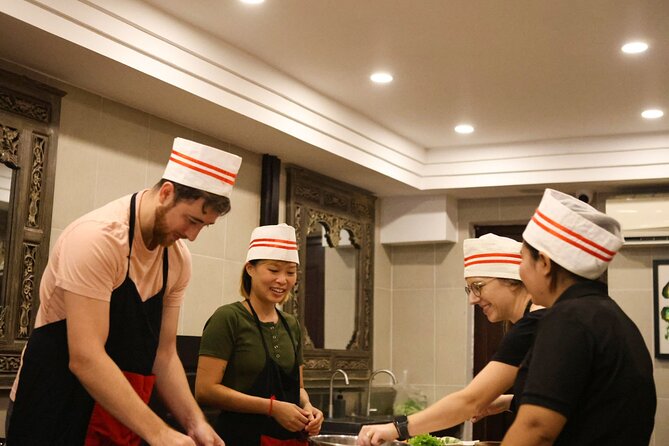
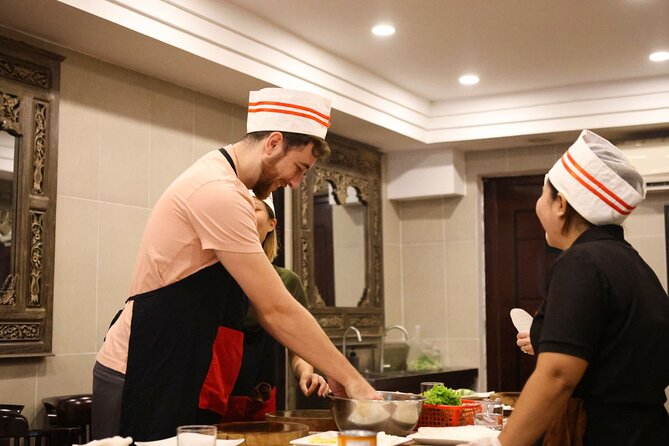
At 11:00am, it’s time to cook. The class is designed around the idea that everyone should work. Each student has a cooking station and wok, and the chef assists you as you learn Cambodian culinary technique.
This hands-on structure is one of the strongest reasons to book the full day. You aren’t just sampling. You’re practicing. And because the chef can see what you’re doing, you can correct things before they become mistakes you repeat all week.
The menu covers classic Khmer dishes such as spring rolls, mango salad, and fish amok, among other options. In practice, that usually means you’ll handle a mix of tasks: chopping fresh herbs, mixing and seasoning, learning how to build flavor, and cooking with the pace of a wok. It’s busy work in a good way.
English support is part of the experience too. Chefs including LomAng Peark and Lom Ang have been mentioned as clear and helpful, and you’ll want that kind of communication during the moments when you’re trying to nail technique fast.
Flexibility if you need changes
One smart thing about this setup: if you want menu changes or have dietary needs, the class has shown flexibility. The best move is to tell your chef early, during the day’s conversation, so adjustments happen before you start cooking.
Lunch at 12:00: You Eat What You Made (So You Can Learn)
At 12:00pm, you sit down for lunch and taste your own creations. This is more than a reward. It’s also your feedback loop.
Here’s why that matters: if something tastes off, you’ll know while it’s still fresh in your mind. Later, when you cook again in the afternoon, you can adjust seasoning, heat, or texture based on real taste instead of guessing.
Khmer meals are often about balance—sweet, sour, salty, and aromatic elements working together. When lunch is your own work, you start to understand how that balance comes together.
And yes, you’ll get to enjoy what you cooked, not just pack it away or watch someone else eat.

The 3:30 Afternoon Session: Slower Dishes, More Skill
After lunch, the schedule shifts. At 3:30pm, you’re back at the cooking utensils for the afternoon session. This is when you learn dishes that take more time to prepare.
That’s an important clue about how the full-day class is structured: morning cooking gives you momentum, while the afternoon expands your skills. In many Khmer menus, the longer dishes often involve deeper flavor building or steps that take patience, like curries or preparations with more careful timing.
At 4:30pm, you taste and enjoy the dishes from the afternoon session, then you get a chance to relax before the end of class.
This “cook more, then eat again” rhythm is one of the easiest ways to make the day feel complete. You’re not stuck doing repetitive steps without payoff.
Recipes Home + Certificate Finish at 5:00
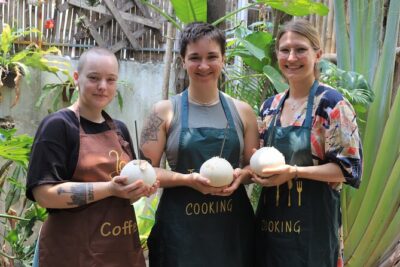
At 5:00pm, the class wraps up with a certificate of completion and a photo session. It turns the day into something tangible, especially if you’re traveling with kids, couples, or a group of friends who like to capture moments.
You also keep the recipes and take them home. That’s the part that keeps paying off after you’ve returned to your normal grocery store and your normal routine. When a recipe is good but doesn’t match the way you actually cooked it, it’s frustrating. Here, your handouts are meant to be used.
Equipment is part of the experience too. The cooking space is set up so stations and tools work, and you’re not fighting broken gear while trying to learn.
If you want Khmer cooking skills you can repeat, this “learn, taste, then take notes” format is exactly what you need.
Price and Value: Is $58 Worth an 8-Hour Food Day?
At $58.00 per person for about 8 hours, you’re paying for a full day of instruction plus a market-based start. In other words, this isn’t just “follow along and eat.” You’re doing the work, learning the ingredients, and cooking multiple dishes.
Here’s what you get for that price, based on how the day runs:
- market visit focused on real Khmer ingredients
- chef-led demonstration and hands-on coaching at your station
- time to cook and then taste your results (not just a sample bite)
- recipes to take home
- lunch included in the flow of the day
- certificate and photo at the end
Also, the class is private, meaning only your group participates. Private doesn’t automatically mean fancy, but it does tend to improve the teacher-student attention during cooking.
If you’re deciding between a half-day and full-day, choose the full day when you want more than one round of cooking and more time for technique. Choose the half-day when you mainly want a taste and a shorter time commitment.
Who Should Book the Full-Day Course in Phnom Penh
This full-day class is a great fit if:
- you want to cook multiple Khmer dishes, not just watch
- you like learning through doing (your hands will be busy)
- you want a market experience that teaches ingredients, not just tourism photos
- you’re planning to cook at home and want recipes you can follow later
It also works well for families. The chef and staff have been described as engaging with kids as young as 7, and the overall structure gives families a clear rhythm.
If you’re traveling solo and want a social learning day, the private setup still makes it easy to interact with your chef without feeling rushed. And if you have dietary needs, it’s worth asking early; the class has shown willingness to adjust the menu when possible.
Practical Tips to Make Your Cooking Day Smoother
Here are a few common-sense moves that fit this specific day plan:
- Arrive a bit early for the 9:00am start so you’re not rushing your market visit.
- Wear comfortable clothes and shoes. You’ll be standing and moving around a kitchen station.
- Think about what you want to learn. If you care about spice level or substitutions, ask before you start cooking.
- Bring a clear appetite. You cook, then you eat at lunch, then you taste again in the afternoon.
One more thing: you’ll receive a mobile ticket, so keep it accessible on your phone the day of the class.
Should You Book Khmer Cooking Class Full Day?
Book this class if you want real skill, not just a meal. The market start teaches ingredients that matter, and the full-day schedule gives you enough time to cook more than one dish and taste your results at least twice. If you like learning by doing, the hands-on stations and chef assistance are exactly what you’re looking for.
Skip the full day if your schedule is tight or you’re only craving a quick Khmer food hit. In that case, the half-day option may match your time better.
If you want to take home Khmer cooking that actually feels repeatable, this is one of the most practical food experiences in Phnom Penh.
FAQ
Where is the meeting point for the full-day class?
The tour starts at Banana Cooking Class, 4b Abdul Carime St. (21), Phnom Penh, Cambodia.
What time does the full-day course begin and when does it end?
The full-day class begins at 9:00am and ends back at the meeting point at 5:00pm.
How long is the Khmer Cooking Class Full Day?
It runs for about 8 hours.
Do you visit a local market before cooking?
Yes. You travel by tuk-tuk to a local market in the morning (around 9:00am), where you learn about Cambodian fruits, vegetables, and spices.
What dishes will I be cooking?
You can expect Khmer dishes such as spring rolls, mango salad, and fish amok, along with additional recipes taught during the class.
Do you get lunch during the full-day course?
Yes. Lunch is scheduled for 12:00pm, and it includes tasting what you’ve cooked.
Is this a private activity?
Yes. Only your group participates.
Do I receive anything at the end of the class?
You receive a certificate of completion and there is a photo session.
What is the cancellation policy for a full refund?
Free cancellation is available up to 24 hours in advance for a full refund. If you cancel less than 24 hours before the experience’s start time, the amount paid is not refunded.
More Phnom Penh Workshops & Classes to Bookmark
More Tour Reviews in Phnom Penh
More Phnom Penh Cooking Classes in Phnom Penh
Keep browsing: more Phnom Penh tours and day trips our team has reviewed









Phnom Penh Cooking Classes, compared.
 ★ 5.0Khmer Cooking Class Half Day (AM or PM)From $31316 reviews
 ★ 4.9Phnom Penh’s Hands-On Khmer Cooking Class in the CountrysideFrom $3533 reviews
 ★ 5.0Cooking Class in Phnom PenhFrom $317 reviews
 ★ 5.0The Mekong Village Cooking EscapeFrom $594 reviews
Browse the lists this tour appears in