
Reviewed · KILLING FIELDS & GENOCIDE HISTORY TOURS
Half Day To Killing Field & S21 Genocidal Museum
Tuol Sleng makes Cambodia’s Khmer Rouge past feel terrifyingly close, and you’ll also walk the route to Choeung Ek. I like two things right away: first, the tour runs as a true private group with hotel pickup and a licensed English guide who can explain Pol Pot’s regime with humanity; second, you get skip-the-line entry so your short 4-hour window goes toward seeing and understanding, not waiting. The only real drawback is that this is heavy. You’re visiting places of interrogation, torture, and death, so it can feel emotionally intense.
You’ll start in Phnom Penh, then head straight out by air-conditioned vehicle. The day is structured for focus: guided museum time at Tuol Sleng, then Choeung Ek, with photo stops and a safety briefing along the way. I also appreciate the small practical touches included in the price, like cold waters and wipes—useful when you’re walking and paying attention for hours.
In This Review
- Key points I’d plan around
- From your Phnom Penh hotel: the calm part before the hard part
- Tuol Sleng S21: what you’ll see inside Cambodia’s interrogation center
- What I’d watch for during the tour
- Possible drawback at Tuol Sleng
- Choeung Ek Killing Fields: the route from Tuol Sleng to the stupa
- What you’ll feel (and what helps)
- Possible drawback at Choeung Ek
- The guides matter: how context turns sites into understanding
- What the 4-hour schedule actually feels like
- Comfort and pacing tips that fit this tour
- Price and value: $120 per group up to 2 people
- Who gets the best deal
- Should you book this Tuol Sleng and Choeung Ek tour?
- FAQ
- How long is the tour?
- Where does pickup happen?
- Do you visit both Tuol Sleng and Choeung Ek?
- Is the ticket price included?
- What language is the tour guide?
- Do we have skip-the-line entry?
Key points I’d plan around
- Tuol Sleng S21 and Choeung Ek back-to-back so the story flows, not in separate day trips
- Licensed English guides who translate the Khmer Rouge system into something you can follow
- Skip-the-line separate entrance that respects your limited time
- Concrete, on-site numbers and places to reflect (17,000 entered Tuol Sleng; 8,985 exhumed at Choeung Ek)
- A survivor may speak, giving the history a human voice, not just facts on walls
From your Phnom Penh hotel: the calm part before the hard part
This starts with pickup from your hotel in Phnom Penh, then a short drive to the sites. The transfer matters more than it sounds. When you’re dealing with trauma-related locations, having things organized helps you stay present instead of worrying about logistics.
You’ll travel in a private air-conditioned vehicle with a licensed driver, and your guide joins you from the moment you’re collected. That means the context begins early, not after you arrive. In one case shared by a past guest, the guide took time on the journey to explain the chain of events that led to the Khmer Rouge—exactly the kind of setup that helps you understand what you’re looking at when you reach the prison.
And yes, the tour includes cold waters and wipes. It’s not a luxury add-on; it’s practical comfort when you’ll be walking through memorial spaces and reading signs for stretches of time.
To learn more about Phnom Penh's recent history, these guided visits cover the S-21 and Choeung Ek memorial sites
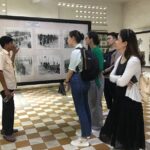
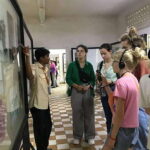
Tuol Sleng S21: what you’ll see inside Cambodia’s interrogation center
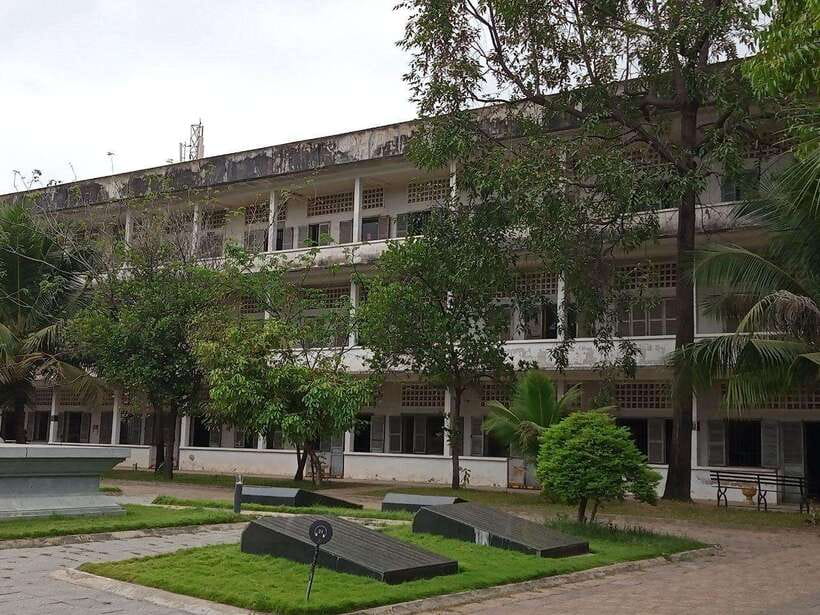
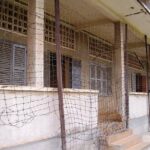
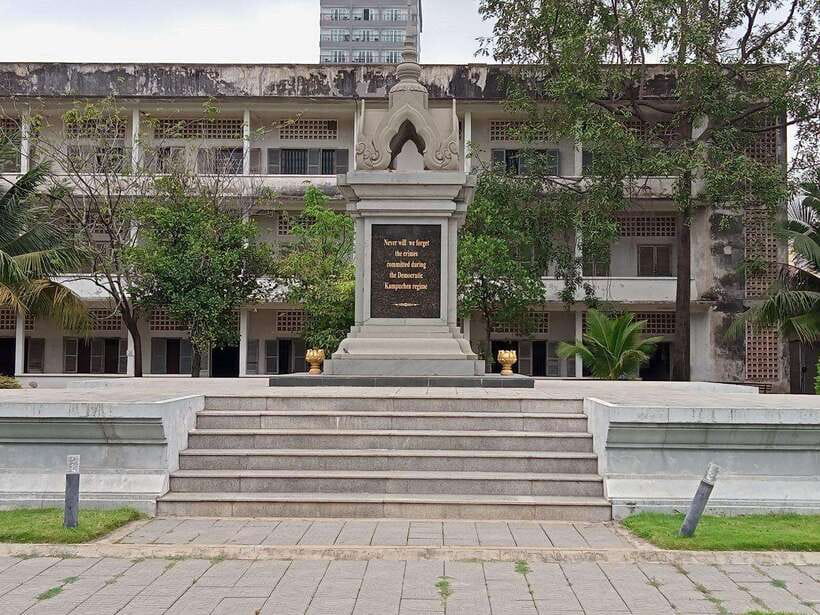
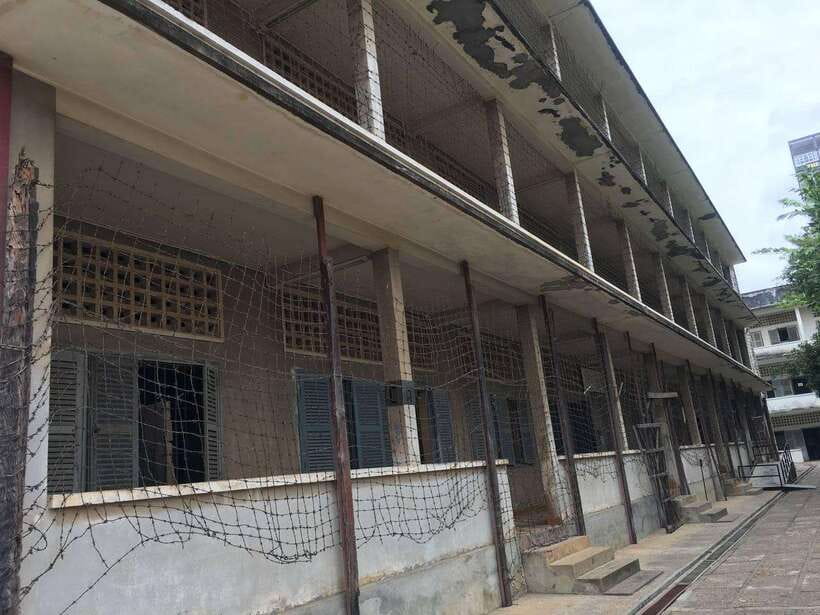
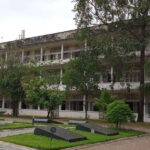
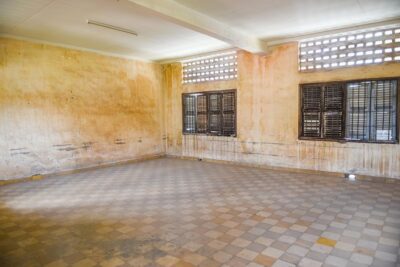
Tuol Sleng is a former high school that the Khmer Rouge turned into a center for interrogation, torture, and death. Today it operates as the genocide museum, built to remind visitors of what happened and why it mattered.
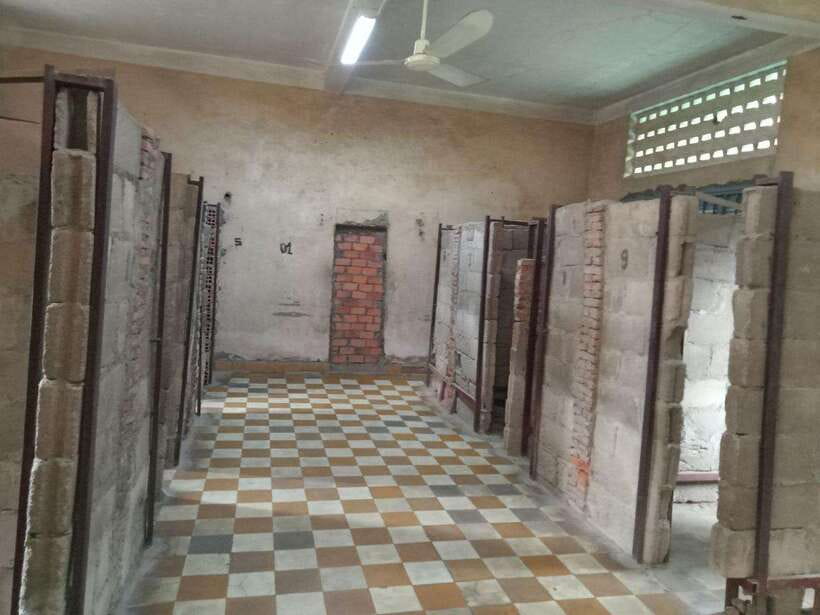
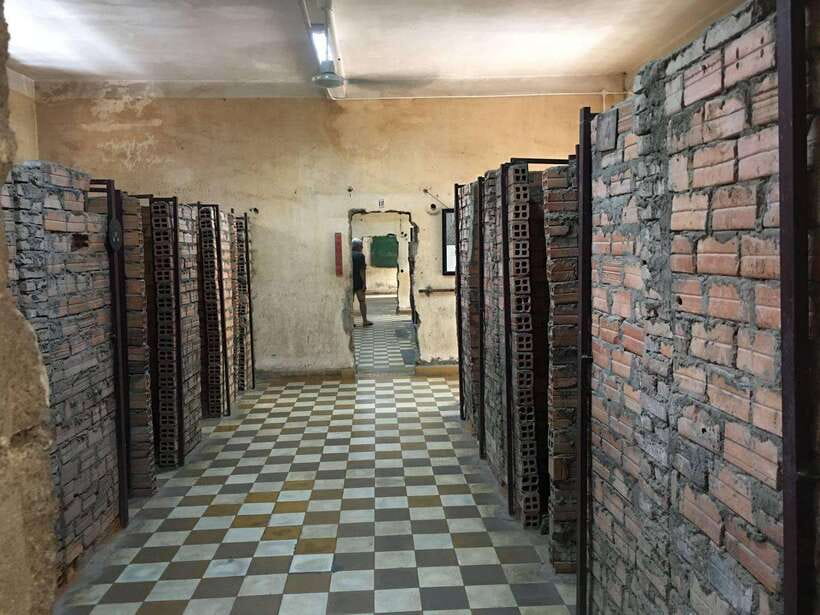
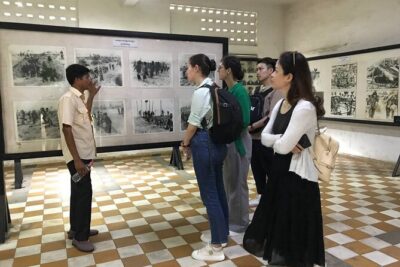
The visit is guided and structured. You’ll have a photo stop plus guided walk-through time (about 1.5 hours). The focus is on the buildings and what each part was used for. Expect to see the prison conditions and the logic of how the Khmer Rouge system processed people. This is not a casual museum stop. You’ll be guided through key areas—often described in detail room-by-room—so you understand that the horror wasn’t random. It followed a regime.
Two facts that will stay with you as you walk are the scale and the survival rate. Around 17,000 people passed through the gates of this prison, and only seven survived to tell the tale. Your guide’s job here is crucial: they connect those numbers to the political reality of the time, including how the regime viewed and controlled people.
What I’d watch for during the tour
When you’re inside, let the guide set the pace. You’ll likely spend time in the areas that show confinement and interrogation. If you feel overwhelmed (it happens), you can still stay mentally present by focusing on the guide’s explanations of the system—how it worked, what it demanded, and how doctrine shaped choices.
If your guide includes personal context—some guides share family-connected stories or observations—listen. Those details help turn an enormous historical event into something you can emotionally hold without losing your footing.
Possible drawback at Tuol Sleng
Because you’re getting a guided walkthrough, you can’t skim freely. If you prefer slower, solo contemplation, you may feel you’re moving as a group. In a half-day format, the schedule is tight, so you’ll need to accept that you’ll only see the highlights your guide chooses to cover.
Choeung Ek Killing Fields: the route from Tuol Sleng to the stupa
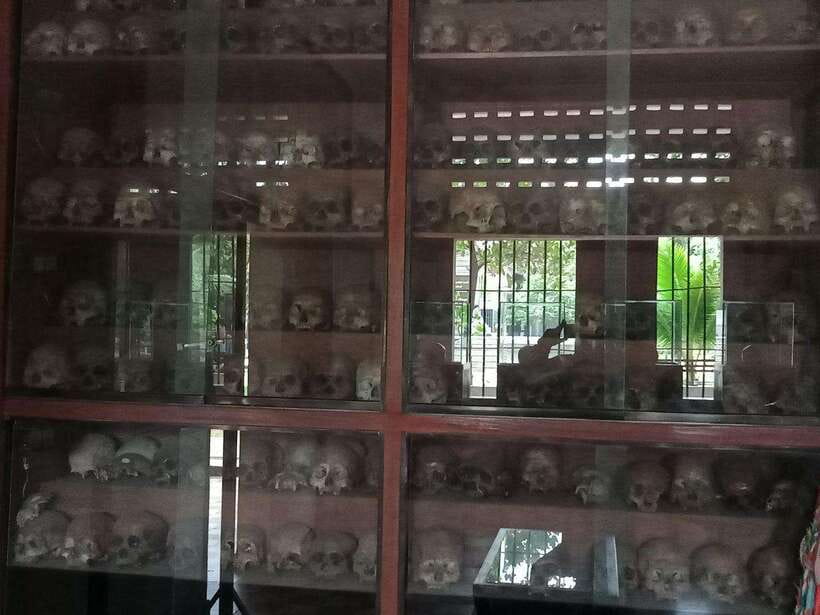
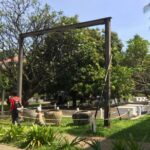
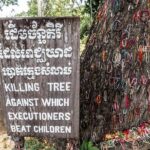
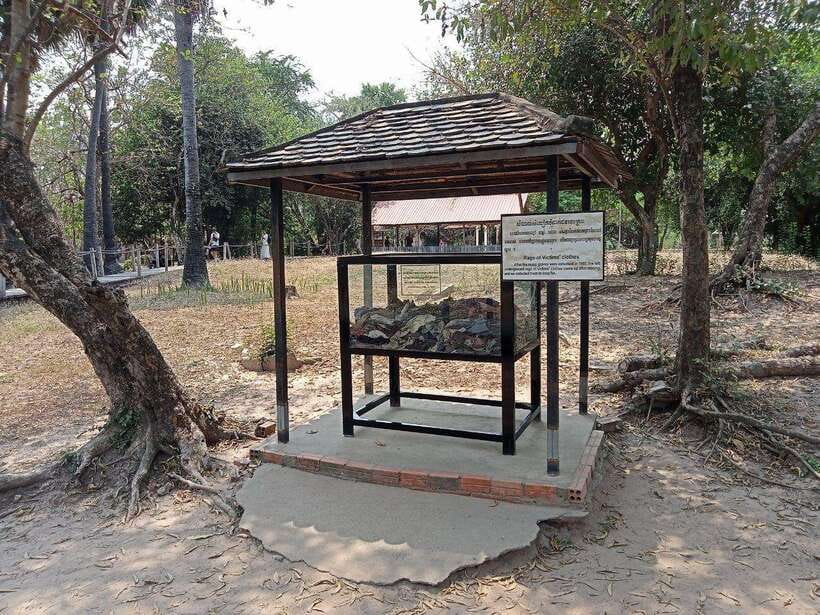
After Tuol Sleng, the tour continues to Choeung Ek, a site that began as an old Chinese cemetery and was later used as an extermination camp for political prisoners. This stop is designed to show you the continuation of the story—how people moved from interrogation to death.
At Choeung Ek, you’ll have another photo stop and a guided tour/walk-through time of about 1.5 hours. Your guide will explain that the prisoners taken from Tuol Sleng followed the same route to their fate. That continuity is important. It keeps the day from feeling like two disconnected stops that both happen to be sad.
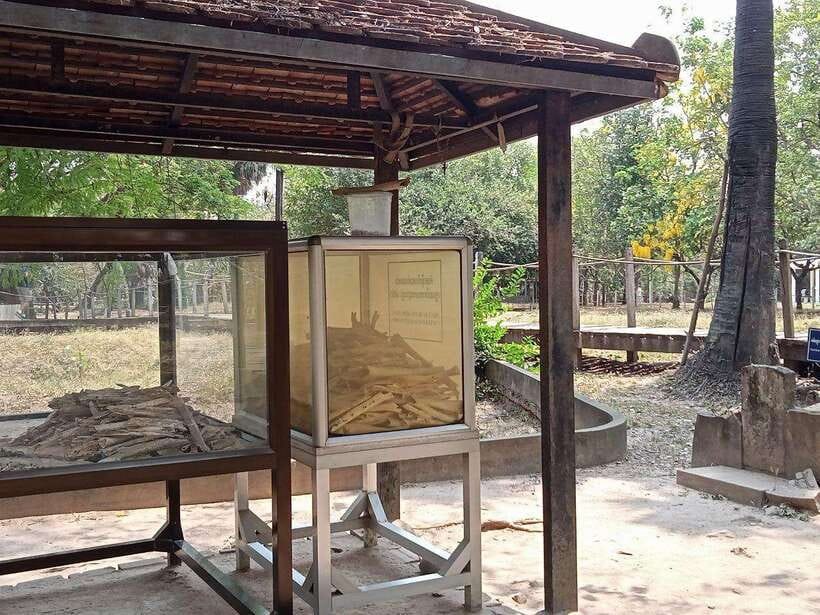
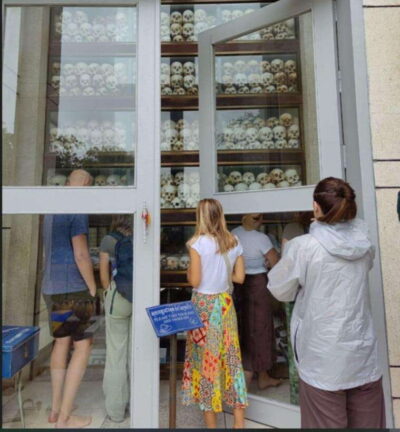
The memorial here includes the remains of 8,985 people exhumed from mass graves. Those remains are kept in a memorial stupa, which you’ll see as part of the guided experience. This isn’t designed for quick photos. It’s a place to reflect, and the guide will usually help you understand why the site is structured the way it is.
Step inside more of Phnom Penh's museums and galleries
What you’ll feel (and what helps)
Choeung Ek can hit harder than you expect, not because of anything you do, but because the physical layout makes the story concrete. You’re walking through a memorial that doesn’t need extra drama. It already has the meaning.
The best way to handle it is to slow down your attention and lean on your guide. If they’re compassionate in their delivery—as guides like Ms Sreyneang have been described doing—it makes a difference. The goal isn’t shock. It’s clarity and remembrance.
Possible drawback at Choeung Ek
The site is reflective and structured, but it is still a walking visit. If you have limited mobility or you’re sensitive to emotionally intense settings, it may feel tiring. The tour does include cold waters and wipes, but it can’t remove the emotional weight.
The guides matter: how context turns sites into understanding
A huge part of the value here is the licensed guide. This is exactly the kind of tour where the words behind the walls make or break the experience.
Some past guests praised guides like Ms Sreyneang for patient, human explanations of a complex history. Others highlighted that the guide’s English made it possible to understand a horrific story with compassion. In the same spirit, guides such as Chheamg Sreymeamg were noted for communicating clearly while staying respectful—especially when sharing personal family accounts.
That’s the sweet spot: you’re learning about the Khmer Rouge regime led by Pol Pot, the communist doctrine of the time, and why people were targeted. But you’re also hearing how a local guide frames these events so they make sense, not just sound awful.
And yes, one highlight of this experience is the chance to meet a survivor talking about his life under the Khmer Rouge. That kind of firsthand voice can turn the tour from historical awareness into something deeply personal. If you’re given that moment, take it seriously. Ask yourself what you want to carry forward after the visit.
What the 4-hour schedule actually feels like
The duration is about 4 hours, with hotel pickup and drop-off in Phnom Penh. Within that, you’ll spend roughly 1.5 hours at Tuol Sleng and 1.5 hours at Choeung Ek, with short photo stops, walking, and guided time threaded between.
That structure is good for visitors with limited time, especially if you’re trying to see the major genocide sites without turning your trip into a full-day commitment. It also has a downside: a half-day is not a “slow and journal” experience. It’s more of a focused, guided orientation with time for the essentials.
Comfort and pacing tips that fit this tour
Because the itinerary includes walking and guided visits, plan to wear comfortable clothes and shoes. Bring a calm mindset rather than expecting it to feel like a normal sightseeing day. The tour provides cold waters and wipes, so you don’t need to overpack.
You’ll also get a safety briefing. That’s the practical side of responsible touring. Even at solemn sites, it helps everyone understand how to move, where to stop, and how to keep the visit respectful and safe.
Price and value: $120 per group up to 2 people
The price is $120 per group for up to 2 people for a 4-hour private tour. On paper, it’s not cheap. But when you compare what’s included, it often lands as good value—especially if you care about guided context.
Here’s what you’re paying for:
- Private air-conditioned transport and a licensed driver
- A professional licensed guide in English
- Hotel pickup and drop-off in Phnom Penh
- Skip-the-line entry via a separate entrance
- Small comfort items like cold waters and wipes
- Travel insurance and the basics that prevent last-minute hassles (parking, tolls, gas)
The one cost item you should plan for separately is that tickets are not included. That means your real total will be a bit higher once ticket costs are added at the sites. Still, the skip-the-line entry is a time saver that protects your schedule, which is a real part of the value in a half-day format.
Who gets the best deal
This is a strong fit for:
- Couples and small private groups (you’re paying for the experience, not sharing crowds)
- Visitors who want guided context rather than piecing history together from signs
- People who have limited time in Phnom Penh but don’t want to miss these major memorial sites
If you’re the type who prefers self-guided museums and you can read everything comfortably without a guide, you might feel the cost is more than you need. But for most people, the guide turns the visit into understanding.
Should you book this Tuol Sleng and Choeung Ek tour?
If you want a private, guided half-day that connects the Khmer Rouge story from interrogation at Tuol Sleng to the memorial stupa and mass grave remembrance at Choeung Ek, I’d say it’s worth booking. The licensed English guidance, the skip-the-line advantage, and the structured pacing make it easier to handle a difficult topic with clarity.
Just be honest with yourself about the tone. This isn’t a casual sightseeing loop. It’s an emotionally heavy day. If you can handle that, you’ll come away with a sharper, more human understanding of what Cambodia went through—and you’ll see the sites in a way that respects their purpose.
FAQ
How long is the tour?
The tour lasts about 4 hours.
Where does pickup happen?
Pickup is included from your Phnom Penh hotel. You’ll need to share the hotel name and address.
Do you visit both Tuol Sleng and Choeung Ek?
Yes. The tour includes Tuol Sleng S21 Genocide Museum and Choeung Ek (the Killing Fields).
Is the ticket price included?
No. Tickets are not included.
What language is the tour guide?
The live tour guide provides the tour in English.
Do we have skip-the-line entry?
Yes. You’ll use a separate entrance to skip the line.
More Phnom Penh Museums & Galleries to Bookmark
More Tour Reviews in Phnom Penh

More Phnom Penh History & Remembrance Visits
Keep browsing: more Phnom Penh tours and day trips our team has reviewed







Killing Fields & Genocide History Tours, compared.
 ★ 4.8The Killing Fields & Tuol Sleng Genocide MuseumFrom $193,337 reviews
 ★ 5.0The Killing Field and Toul Sleng Genocide Museum (S21) TourFrom $191,977 reviews
 ★ 5.0Killing field and Toul Sleng genocide museum TourFrom $19610 reviews
 ★ 4.8killing field & Toul Sleng genocide museum TourFrom $19540 reviews
 ★ 4.9Highlights Tour Including S21 and Killing FieldsFrom $30453 reviews
 ★ 5.0Visit 11 Places in One Day including S21 & Killing FieldFrom $30361 reviews
 ★ 4.9Royal Palace, S21, Killing Fields & More TourFrom $35295 reviews
 ★ 4.0Killing Fields and Prison S21 Bus TourFrom $15206 reviews
Browse the lists this tour appears in