
Reviewed · INTERCITY TRANSFERS & PRIVATE TAXIS
Two Day Tour, Taxi Phnom Penh to Siem Reap, Angkor Visit & Return
A road trip that actually feels like two adventures. This private Phnom Penh to Siem Reap drive turns transit time into culture hits, with an English-speaking driver and a guided Angkor day so you’re not wandering lost in temple crowds. I especially like the built-in freedom on Day 1 (you can skip stops or linger) and the choice on Day 2 to go for Angkor Wat sunrise or a later start.
I also appreciate the practical extras: hotel pickup/drop-off, cool drinking water, and a temple guide in Siem Reap who helps the temples make sense fast. One drawback to plan for: the Angkor temple pass is not included (listed at 37 USD per person), so you’ll want to budget for it before you go.
In This Review
- Key Things You’ll Want To Know Up Front
- Why This Phnom Penh–Siem Reap Taxi Feels Different Than Normal Travel Days
- Day 1 Road Stops: From Skun Spiders To a Temple Pause
- Your early start and a comfortable transfer
- Skun Spider Sanctuary: the quirky stop you either love or you skip
- Prasat Kuha Nokor: a quieter temple complex stop
- Lunch and bathroom break at Somros Prey Pros
- Spean Praptos: the bridge stop for classic Angkor-era architecture
- What the Optional Floating Village Adds (And When To Skip It)
- Entering Angkor Wat: Sunrise Timing, What To Expect, and How To Prepare
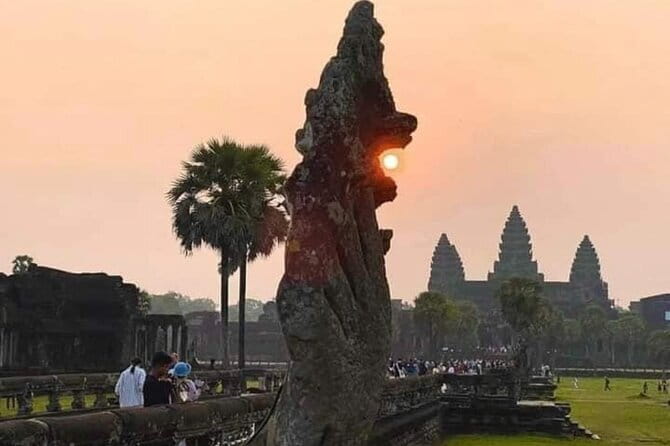
- Sunrise start (4:45 am): the trade-off is early wake-up, the payoff is atmosphere
- Later morning start: you skip the pre-dawn grind
- Angkor Thom South Gate and Bayon: Where the Story Gets Real
- Angkor Thom South Gate: quick photo stop, big first impression
- Bayon Temple: the faces and the meaning behind them
- Angkor Thom: give yourself time to walk the city feel
- Ta Keo and Ta Prohm: Two Temples With Very Different Moods
- Ta Keo: temple-mountain and sandstone work
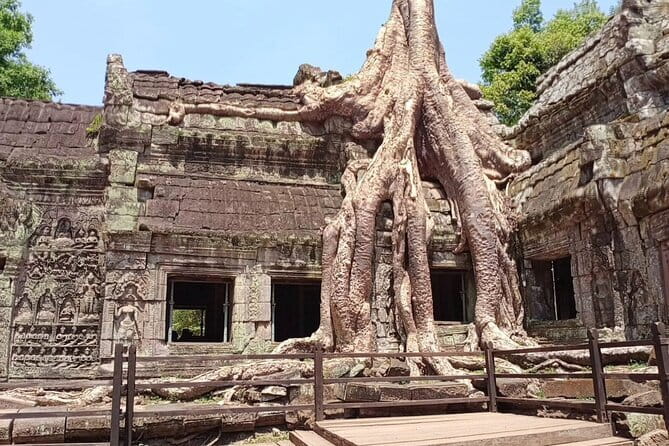
- Ta Prohm: the Tomb Raider temple look
- Ta Nei: the smaller stop that often feels like a breather
- The Return to Phnom Penh: Plan for a Long Travel Evening
- Price and Value: Is $193.50 a Smart Use of Money?
- Who This Tour Suits Best (And Who Should Think Twice)
- Should You Book This 2-Day Private Drive and Angkor Visit?
- FAQ
- Do I need to pay for the Angkor temple pass separately?
- What’s included in the tour price?
- How early is the sunrise option for Angkor Wat?
- Can I choose a later start instead of sunrise?
- Is Day 1 just a drive, or are there sightseeing stops?
- If I choose the floating village, do I need a boat ticket?
- What if I need to cancel?
Key Things You’ll Want To Know Up Front
- Choice on Day 2 start time: sunrise is planned for 4:45 am, but you can also start later in the morning.
- Private, group-only experience: you’re not sharing the car or the temple guide with strangers.
- Day 1 is a mix of quick stops and real sights: Spider Market/Skun, a temple stop, a bridge break, plus a lunch/bathroom pause.
- Floating village is optional on Day 1, and if you do it you’ll handle the boat ticket at the harbor yourself.
- Professional English-speaking guide at temples in Siem Reap (that’s the difference between seeing and understanding).
- Comfort matters on the drive: air-conditioned vehicle, and the route has timed breaks so you’re not stuck for hours without relief.
Why This Phnom Penh–Siem Reap Taxi Feels Different Than Normal Travel Days
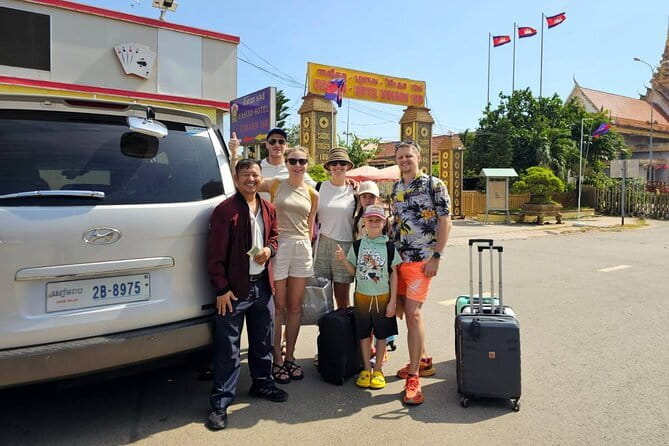
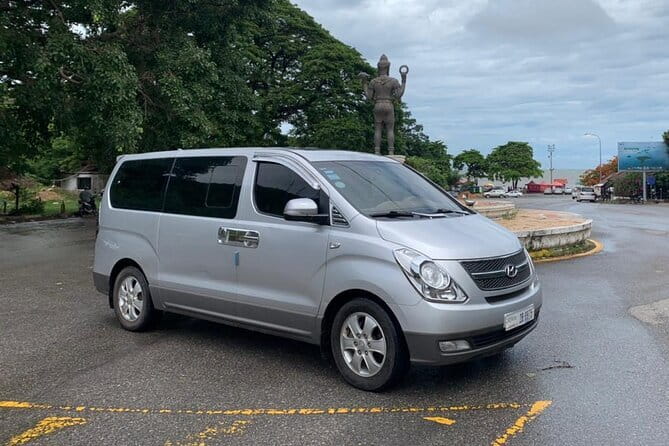
Most Phnom Penh to Siem Reap trips are just a long drive with no story. This one uses the journey itself, with roadside stops that give you a quick snapshot of Cambodia along the way. You start when you want (around 7–8 am), then you roll into a day that’s part sightseeing, part reset time, and part setting up your next day at Angkor.
The second big reason to pick this format: you don’t have to manage the temple day alone. Your Angkor Wat and Angkor Thom time is tied to a guide in Siem Reap, which helps you read what you’re seeing—why it was built, what areas mean, and what to pay attention to. In my book, that’s the best use of money here: spending a bit more to make Day 2 make sense.
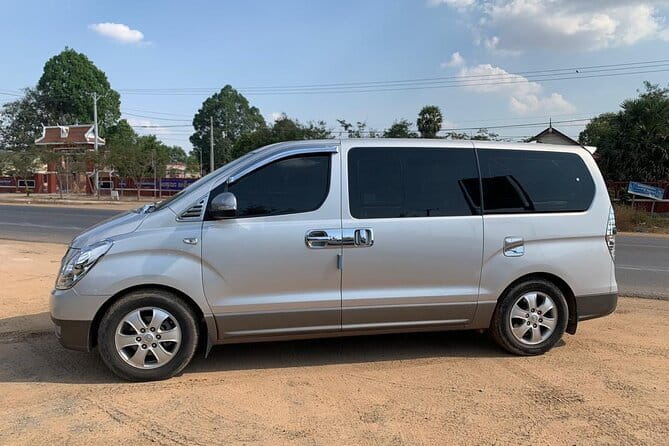
The comfort side is real too. This is an air-conditioned vehicle with hotel pickup and drop-off, plus cool drinking water. Reviews also picked up the same theme: a comfortable ride and a careful, friendly driver really improved the experience when you have kids or you’re tired from the early start.
A few more Phnom Penh tours and day trips our team keeps coming back to



Day 1 Road Stops: From Skun Spiders To a Temple Pause
Day 1 is designed as a flexible “drive with stops” day. It’s not one of those packed tours where you’re sprinting from one photo spot to another every five minutes. You get short, timed stops that feel like breaks, not punishments.
Your early start and a comfortable transfer
You can choose to start before or after breakfast, typically around 7–8 am. The plan is roughly a 5-hour transfer time on paper, but the stops make it feel like a slower, more human day. Expect a smooth, safe driving style, and plan your day around breaks rather than squeezing in extra activities on your own.
In reviews, the vehicle comfort and the driver’s patience came up a lot. One family traveling with children noted their driver was patient and safety-focused, which matters when the kids get antsy on long stretches.
Skun Spider Sanctuary: the quirky stop you either love or you skip
The first big “Cambodia road trip” stop is Skun Spider Sanctuary / the Spider Market. It’s short—about 15 minutes—so you’re not committing your whole day to one roadside attraction. It also gives you an easy choice: if you’re curious, it’s a fast way to see the oddball side of Cambodian food-and-tradition tourism. If you’d rather not, the overall itinerary is flexible and you can ask to skip.
Because this stop is quick, I treat it like a snack break for your curiosity. You get the story of it in a moment, not hours of it.
Prasat Kuha Nokor: a quieter temple complex stop
Next you’ll stop at Prasat Kuha Nokor, located in a village area within a Wat Kuhak Nokor complex. This part of the day is more “still and look around” than “buy a ticket and move on.” It’s a 35-minute stop, so you can walk a little, take photos, and understand the site’s simple placement in the countryside.
The advantage here is variety. After the Spider Sanctuary’s modern, touristy vibe, a temple stop gives you a calmer rhythm—less show, more place.
A few more Phnom Penh tours and day trips our team keeps coming back to
Lunch and bathroom break at Somros Prey Pros
Then comes the practical moment: lunch and a bathroom break (about 30 minutes). You’re not left guessing for basics, which is a big deal on a two-day schedule. If you like trying local food, this is also where you can ask for something specific—one review recommended sticky rice in bamboo, which is the kind of Cambodia snack you’ll remember.
Spean Praptos: the bridge stop for classic Angkor-era architecture
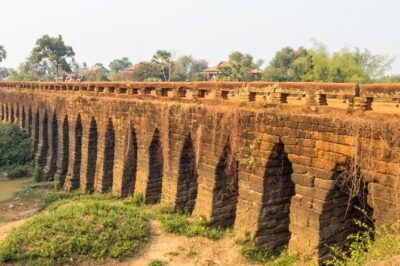
Finally on Day 1 you’ll reach Spean Praptos, described as a corbeled stone-arch bridge stop, formerly noted as having been the longest of its kind, with multiple narrow arches and a total span around 285 ft. This is a short stop (about 20 minutes), but it’s the kind of stop that rewards you for looking closely.
It’s also a good “mental reset” before Angkor. Bridges, carvings, and temple stonework all share a theme of engineering and symbolism. If you’ve just seen spiders and village temples, the bridge is a nice bridge (yes, pun) between the road and the monumental stuff you’ll tackle tomorrow.
What the Optional Floating Village Adds (And When To Skip It)
The itinerary includes an optional floating village on Day 1. If you choose it, you’ll handle the boat ticket yourself at the harbor. The time pressure is real: you’re still doing a full road day, so you’ll want to decide based on your energy level.
When it’s worth it:
- You want one more “Cambodia in everyday life” moment.
- You like markets and communities, not just monuments.
When you should skip:
- Your group is tired after the drive and you’d rather save energy for Angkor sunrise.
- You’d rather keep Day 1 calm so Day 2 doesn’t feel like a sprint.
If you’re traveling with kids, I like the idea of treating the floating village as optional because it protects you from one too-many stops. You can always keep your Day 1 as a manageable sequence of shorter stops and keep the big effort for Day 2.
Entering Angkor Wat: Sunrise Timing, What To Expect, and How To Prepare

Day 2 is the centerpiece. Your plan includes Angkor Wat, with an early morning start at 4:45 am for sunrise, or you can start later in the morning. That choice changes the whole day.
Sunrise start (4:45 am): the trade-off is early wake-up, the payoff is atmosphere
If you go for sunrise, you’re committing to a very early day. But you also get a slower, more dramatic first look at Angkor Wat. The scheduled time on this stop is about 3 hours, which is enough for the main viewpoints without rushing through everything.
This is where a guide earns their place. A temple at sunrise can look like just stone and shadows if you don’t know what you’re seeing. With a guide, you can point your eyes at the right things: key lines of sight, the layout, and why Angkor Wat matters within Khmer sacred geometry.
Later morning start: you skip the pre-dawn grind
Starting later means you’ll trade some atmosphere for comfort. You also reduce the risk of traveling-stiffness and cranky kids. If your group doesn’t handle early mornings well, this is a smart choice while still getting a “big temples” day.
Either way, your Angkor Wat entrance is not included in the tour price, so you’ll need to get your Angkor pass at the checkpoint when you arrive.
Angkor Thom South Gate and Bayon: Where the Story Gets Real
After Angkor Wat, the plan moves into Angkor Thom territory. The pacing is still reasonable: short, focused stops that connect one area to the next.
Angkor Thom South Gate: quick photo stop, big first impression
You’ll visit the Angkor Thom South Gate for about 20 minutes. This is a classic “arrive, look, orient yourself” stop. Gates in Angkor can feel like a stage setting, and it helps to see it before you move into Bayon’s faces.
Bayon Temple: the faces and the meaning behind them
Bayon is scheduled for about 1 hour. This is the temple most people mean when they say you’ll see the Angkor Thom faces carved into stone. But it’s also more than a selfie spot. With a guide, you’ll get the why: Bayon’s importance as an Angkor-era Buddhist temple and what the reliefs depict.
A guide named Ben was specifically called out in a review for being amazing and bringing history to life. That’s exactly the kind of skill that turns Bayon from “wow, faces” into “I understand what I’m looking at.”
Angkor Thom: give yourself time to walk the city feel
Then it’s Angkor Thom itself for about 1 hour. This part is where you feel the scale of the city. It’s not a single monument moment. It’s a walking-through-a-kingdom feeling, even if you’re only covering key areas.
Ta Keo and Ta Prohm: Two Temples With Very Different Moods
The itinerary includes a pair that works well if you like contrast: one more structured sandstone temple, then the iconic jungle-tangled Ta Prohm.
Ta Keo: temple-mountain and sandstone work
Ta Keo is about 45 minutes. It’s described as a temple-mountain and noted as possibly the first Angkor temple built entirely of sandstone by the Khmer Empire. Even without deep technical knowledge, you’ll feel the crispness of the stone and the strong sense of elevation.
The key here is to slow your eyes. This isn’t about frantic photos; it’s about noticing how the temple’s form leads your walk.
Ta Prohm: the Tomb Raider temple look
Ta Prohm is about 1 hour. It’s famous for the way trees and roots grow into the temple structures, and it’s known as the Tomb Raider temple. If you’re here for iconic visuals, this is your payoff.
One practical note: when temples mix stone and roots, they can feel crowded. The guide helps you move efficiently so you spend time seeing, not circling.
Ta Nei: the smaller stop that often feels like a breather
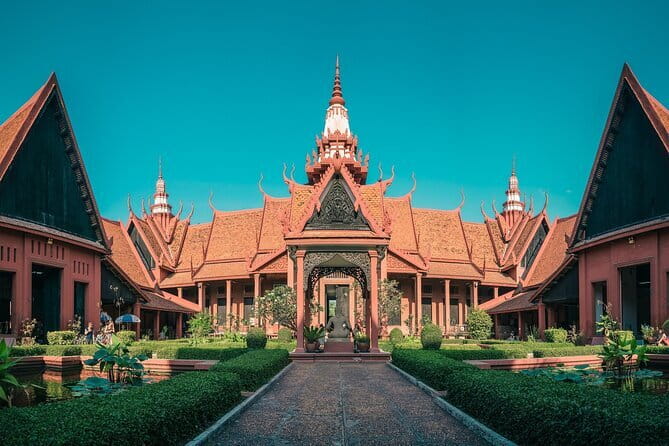
After Ta Prohm, the itinerary includes Ta Nei for about 45 minutes. Ta Nei is described as a small hidden temple surrounded by dense jungle, built in the late 12th century under King Jayavarman VII, with intricate carvings and a peaceful atmosphere.
This is a smart placement in the day. After two larger, more famous stops, Ta Nei gives you a calmer pace where you can step back and just look.
It’s exactly the kind of stop that makes a guided tour worth it: less-famous temples often need context to feel meaningful.
The Return to Phnom Penh: Plan for a Long Travel Evening
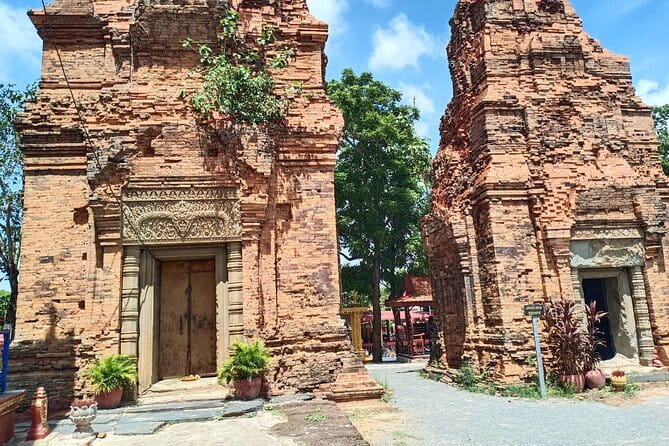
After the temple loop, you return to Phnom Penh. The itinerary lists around 6 hours for the drive back, with an included return after your temples tour.
This is not a quick hop. By the time you leave Angkor, you’ve had an early start and a big day of walking and heat exposure. For that reason, I suggest you treat this return as a shutdown period: eat something simple on arrival and save energy for the next day rather than stacking plans.
Also, because the Angkor pass and temple time aren’t included in the tour’s base cost, make sure you manage your budget so you don’t get surprised mid-trip.
Price and Value: Is $193.50 a Smart Use of Money?
At $193.50 per person, you’re paying for two things at once:
- Private comfort and English-speaking driving (with pickup/drop-off)
- An organized Angkor day with an English-speaking guide in Siem Reap
What’s not included matters. Your Angkor temple pass is listed at 37 USD per person, and entrance fees for temples aren’t included. Accommodation is also not included.
So the “real” cost for most people is:
- Base price plus the Angkor pass (plus any meals, drinks, gratuities, and personal expenses)
When this tour is a good value:
- You want a private experience, not a group bus.
- You care about the temple context (guide time is included).
- You want to reduce hassle: the pickup, the schedule, and the transport are handled.
When you might choose something else:
- If you’re comfortable DIY-ing Angkor and don’t care about a guide.
- If you’re traveling super cheap and the Angkor guide cost would be money you’d rather use on a longer stay in Siem Reap.
For families and first-timers, the value usually lands well because the driver and guide reduce stress at exactly the moments that can feel overwhelming.
Who This Tour Suits Best (And Who Should Think Twice)
This fits best if you:
- Want to maximize time and go from Phnom Penh to Angkor without planning a complicated transfer.
- Like road-trip stops with local flavor rather than straight highway driving.
- Prefer private transport for comfort and pacing.
- Enjoy sunrise options but also appreciate flexibility if you choose a later start.
It might not fit as well if you:
- Want a slow, days-long exploration of Siem Reap itself and the surrounding area (this is a tight two-day plan).
- Want every stop to be optional and personalized without structure. You do have flexibility, but it’s still built around a set Angkor circuit.
Should You Book This 2-Day Private Drive and Angkor Visit?
If you want a practical, comfort-first way to connect Phnom Penh to Angkor in two days, I think this is a strong option. You’re buying organization, English support, and a guided temple day, while the Day 1 stops keep the journey from feeling like dead time.
My advice: book it if you can wake up early or at least handle a big morning, and if you’re ready to budget for the Angkor pass you’ll pick up at the checkpoint. If you’re mainly chasing the cheapest transport possible, you’ll probably find cheaper rides. But if you want less hassle and a clearer Angkor day, this one is built for that.
FAQ
Do I need to pay for the Angkor temple pass separately?
Yes. The tour does not include the Angkor pass. The listed pass cost is 37 USD per person, and you’ll need to get it yourself when you arrive at the check point.
What’s included in the tour price?
You get an air-conditioned vehicle, hotel pickup and drop-off, cool drinking water, English-speaking drivers, and an English-speaking guide at the temples in Siem Reap.
How early is the sunrise option for Angkor Wat?
The sunrise plan starts at 4:45 am.
Can I choose a later start instead of sunrise?
Yes. The schedule is set up so you can start at sunrise or start later in the morning, based on your choice.
Is Day 1 just a drive, or are there sightseeing stops?
There are sightseeing stops on the road, including Skun Spider Sanctuary, Prasat Kuha Nokor, a lunch/bathroom stop, and Spean Praptos. The itinerary is also flexible, so you can skip a stop or spend more time if you want.
If I choose the floating village, do I need a boat ticket?
Yes. Boat ticket holders need to get the ticket themselves at the harbor.
What if I need to cancel?
Free cancellation is available. You can cancel up to 24 hours in advance for a full refund.
More Tours in Phnom Penh


More Tour Reviews in Phnom Penh


More Intercity Transfers & Private Taxis in Phnom Penh


Keep browsing: more Phnom Penh tours and day trips our team has reviewed










Intercity Transfers & Private Taxis, compared.
 ★ 4.5VET Bus services in CambodiaFrom $18474 reviews
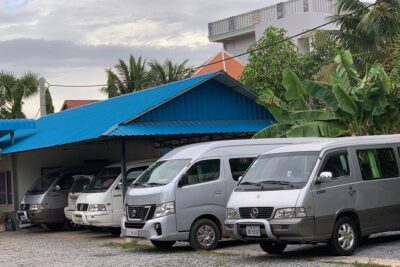 ★ 5.0Phnom Penh to Siem Reap by Private Car or MinivanFrom $59211 reviews
 ★ 4.9Phnom Penh – Siem Reap Road Transfer Plus SightseeingFrom $99153 reviews
 ★ 5.0Phnom Penh to Siem Reap Private Car-English Speaking DriverFrom $135119 reviews
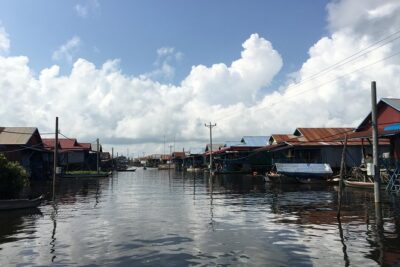 ★ 5.0A day Trip Sightseeing Phnom Penh – Siem Reap – Private English Speaking DriverFrom $10567 reviews
 ★ 5.0The Journey Phnom Penh to/from Siem Reap: A Memorable TourFrom $5757 reviews
 ★ 5.0Phnom Penh To Siem Reap Private Transfer Mini-Van-CarFrom $6556 reviews
 ★ 5.0Private Taxi Phnom Penh to Siem Reap-English Speaking DriversFrom $12550 reviews
Browse the lists this tour appears in