
Reviewed · KILLING FIELDS & GENOCIDE HISTORY TOURS
Private Half Day Trip to Genocidal Museum & Killing Field
History that you can’t unsee. This private half-day trip takes you from Tuol Sleng to Choeung Ek, connecting the prison system to the mass killing sites so the Khmer Rouge story makes clearer, harder sense. I love how the tour format makes it manageable—short, focused visits with a guide in your ear, not a rushed group herd.
I also like the practical side: hotel pickup/drop-off, an A/C vehicle, and bottled water so you can stay comfortable while the subject matter stays grim. The main drawback to plan for is the emotional weight—both stops show torture and mass murder through photos and preserved evidence, so come prepared and pace yourself.
In This Review
- Quick hits before you go
- Tuol Sleng S-21: walking into the machinery of fear
- Choeung Ek Killing Fields: the photos stop, but the story keeps going
- How the private timing works in 3 to 4 hours
- Price and value: what $130 really buys you
- What to wear and bring for comfort and respect
- Who this tour suits best
- Should you book this Phnom Penh genocide tour?
- FAQ
- How long is the private half-day trip?
- What sites are included in the tour?
- Are admission tickets included in the price?
- Does the tour include hotel pickup and drop-off?
- Is this tour private?
- What if I need to cancel?
Quick hits before you go
- Private, short schedule: about 3 to 4 hours total, with roughly 1 hour per site
- Two locations that connect: Tuol Sleng’s prisoners followed the same route to Choeng Ek
- A guide who helps you make sense of it: you’ll get context for what you’re seeing
- You’ll pay small extra admission fees: $5 for Tuol Sleng and $3 for Choeng Ek
- Bring bug spray and grippy shoes: the outdoor areas can be muddy
- Evening can feel easier: it can be cooler and less crowded than midday
Tuol Sleng S-21: walking into the machinery of fear
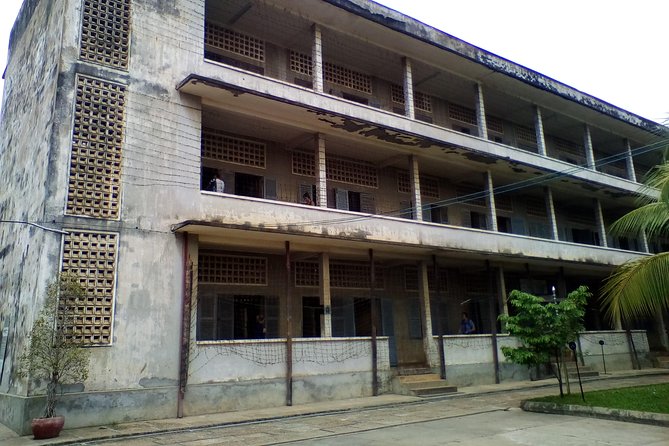
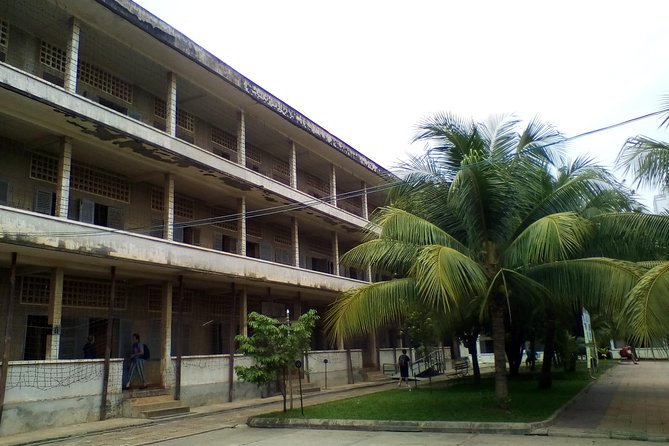
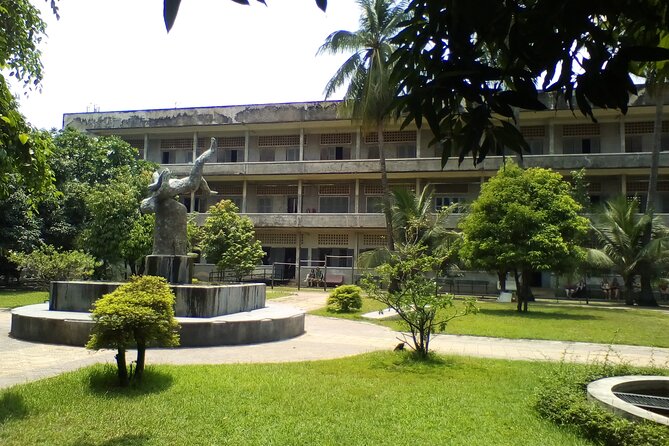
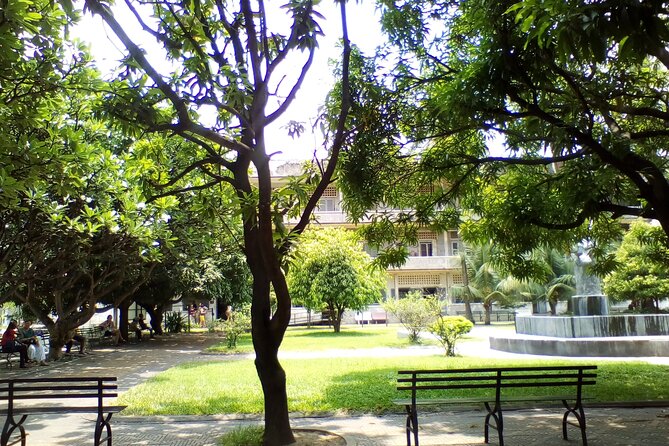
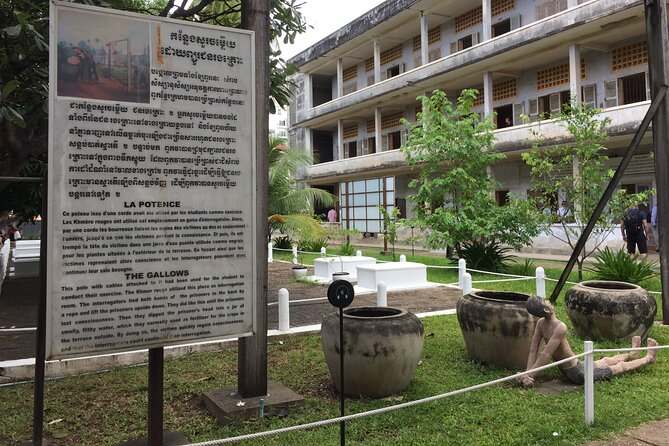
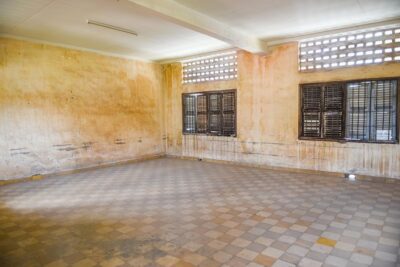
Tuol Sleng Genocide Museum (also known as S-21) is a former high school the Khmer Rouge turned into a political prison. The place doesn’t try to soften what happened. Instead, it shows you the system: detention, interrogation, torture, and death. It’s not just history on a wall. You move through rooms where the process was carried out, and that physical reality sticks.
This stop is the key starting point because it’s where the regime’s paranoia became paperwork, cells, and victims. Many summaries describe 17,000 people passing through the gates, with only seven known survivors. The museum material you’ll see also cites an estimate of 12,273 detained at S-21, again with only seven known survivors. If the numbers feel inconsistent, don’t panic. The important takeaway is the scale and the fact that survivors were almost nonexistent.
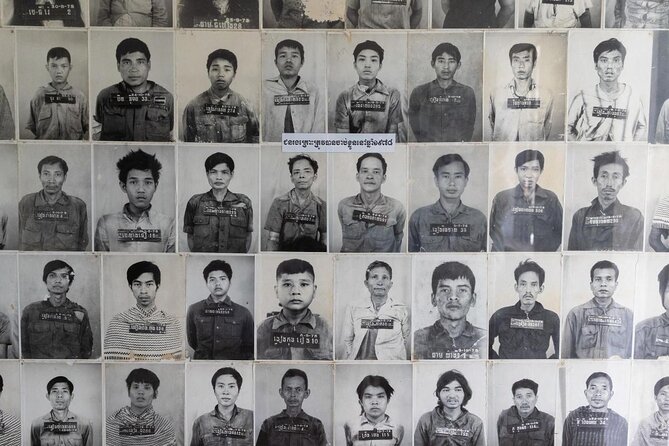
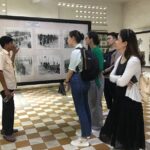
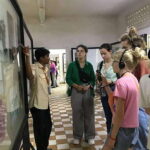
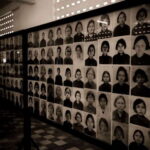
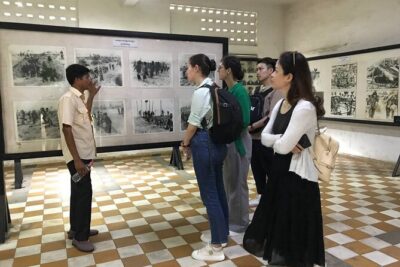
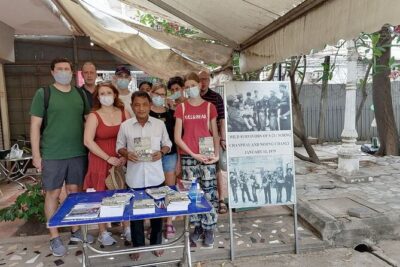
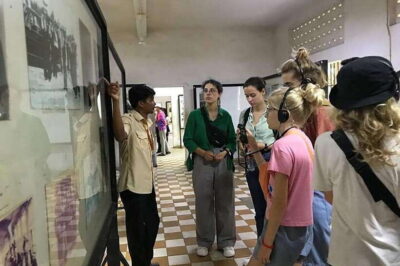
What I find most useful here is how the exhibits connect details. You’ll see the museum’s photographic record, including prisoners photographed before and after abuse. The displays include room after room of black-and-white photos, including men, women, and children, and the exhibit information explains that virtually all pictured people were later killed.
That photo system matters because it turns human lives into a bureaucratic trail. You can tell yourself you’ll remember names, and then the building does its own kind of accounting: thousands of faces, repeated processes, and the sense that the same end was waiting at the other side of the route.
Practical tip: plan for sensory impact. Even if you know the story ahead of time, the evidence can feel heavy fast. If you need a breather, do it. A short pause outside between rooms can help you keep your footing emotionally.
To learn more about Phnom Penh's recent history, these guided visits cover the S-21 and Choeung Ek memorial sites
Choeung Ek Killing Fields: the photos stop, but the story keeps going
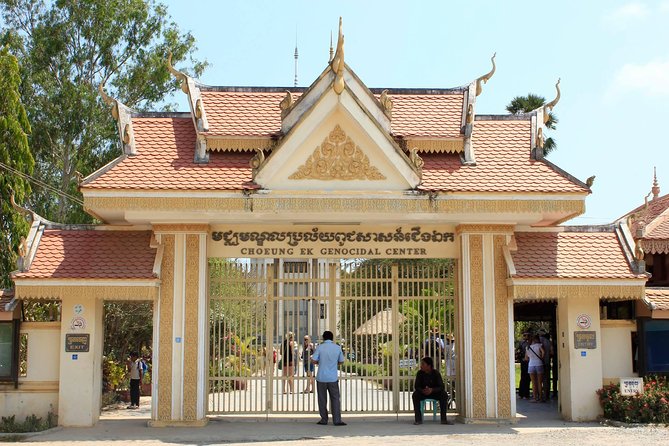
After Tuol Sleng, you’ll ride out of town to the Killing Fields of Choeng Ek. This is where the tour links the prison to the execution site. The prisoners were taken there for re-education, which means execution, and the museum explains that the route out of the city followed the same path.
Choeng Ek is different in tone, even while the facts stay brutal. The information you’ll see says that between 1975 and 1978, around 20,000 people held at S-21 were taken to the fields. The Khmer Rouge leadership kept records with meticulous care, and the museum materials emphasize that photographs from Tuol Sleng often show up again in the narrative of what happened afterward.
One of the most unsettling details is how time is built into the prisoner images. Exhibit explanations explain that you can often infer the year from the style of the number-board shown on a prisoner’s chest. It’s a small clue, but it makes the cruelty feel methodical. You’re not looking at an old snapshot. You’re seeing dated evidence in a system that kept working even as people were being destroyed.
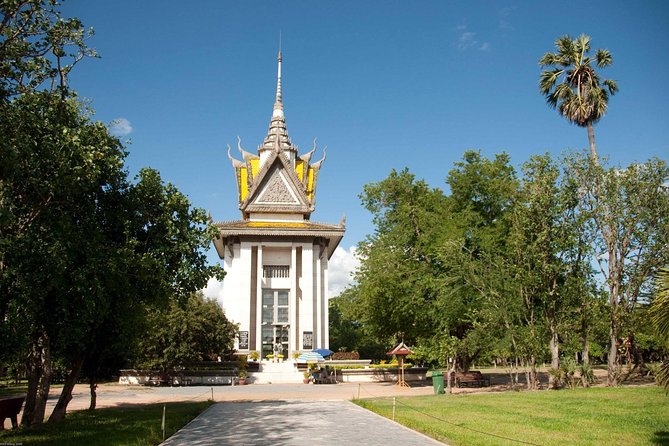
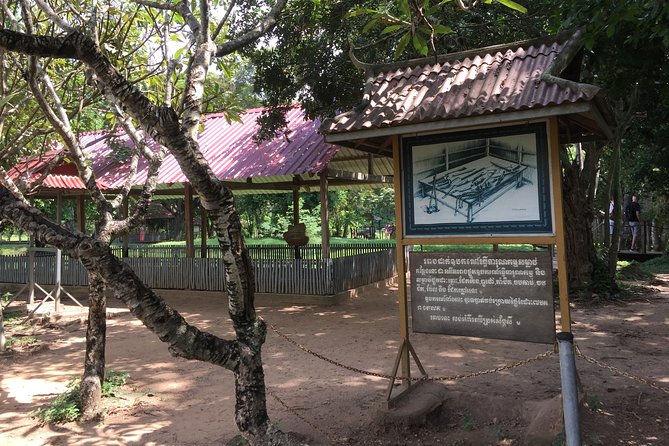
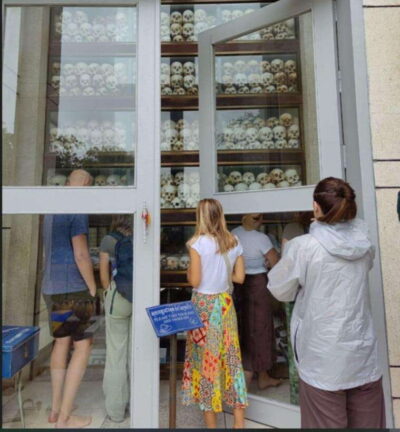
Then comes the memorial section, which shifts your attention from photos to remains. The remains of 8,985 people exhumed from mass graves are kept in a memorial stupa. That number is one of those things your brain doesn’t want to hold, but it helps you understand the site beyond an idea. You’re seeing a tally of human bodies recovered from the ground.
Despite the horror, the place is described (and it can feel) surprisingly quiet. It’s a peaceful spot to reflect, and the grounds give you space to absorb the tragedy without the prison’s tight indoor atmosphere. That contrast is part of what makes the tour so powerful: it doesn’t just show brutality. It gives you a place to sit with what it cost Cambodia.
Practical tip: wear shoes you don’t mind getting dirty. The fields can be muddy, and you’ll be thankful for grip when you’re moving slowly to take in the memorial areas. Bug spray also helps.
How the private timing works in 3 to 4 hours
This is a half-day format, and that’s a real advantage in Phnom Penh. You’re looking at about 3 to 4 hours, with each main stop around 1 hour. That pacing doesn’t leave you exhausted for the rest of the day, and it also keeps the experience focused. You’re not stuck wandering for hours with no structure while your emotions catch up.
Your tour includes private transportation with A/C and hotel pickup and drop-off at your hotel lobby. That matters more than people expect. After you’ve spent time in traffic, heat, and dust, the ride to and from the sites can feel like a relief. Bottled pure drinking water is included too, which is a small comfort that helps you stay present.
Because it’s private, you’re not forced to match someone else’s pace. If you want to slow down at photos, or you need to move on quickly to keep from getting overwhelmed, you can. A good guide makes that easier by steering your attention toward what’s most important to understand.
One useful tip I’d take seriously is scheduling. If you have flexibility, consider an evening slot. One practical note I picked up was that it can be cooler and less crowded later, which makes walking and absorbing the memorial spaces feel easier.
Price and value: what $130 really buys you
The tour price is $130 for a private half-day. That’s not the cheapest option in Phnom Penh, but it’s also not priced like a big luxury production. For me, the value comes from what’s already bundled in.
Here’s what you’re getting:
- a private guide
- private transportation with A/C
- hotel pickup and drop-off
- bottled pure drinking water
- travel insurance
The two admission fees are extra: Tuol Sleng is $5 per person, and Choeng Ek is $3 per person. Since the tour is private, your total cost will depend on how many people you book for, but you should budget for those site tickets on top of the base price.
So is it worth it? If you’re traveling with someone you trust to keep things respectful and you want a guide to translate what you’re seeing into clear context, I think it’s a strong deal. If you’re going solo and you’re comfortable navigating independently, you could spend less—but you’d likely lose the thread that connects the two sites into one coherent story.
What to wear and bring for comfort and respect
This tour is confronting. Your job is to show up ready, not dressed like you’re going to a museum gift shop event.
I’d bring:
- shoes that can get dirty or muddy, with grip
- bug spray
- a breathable layer for Phnom Penh’s heat
- water awareness (bottled water is provided, but you can still use discretion)
Also, think about how you’ll handle lingering moments. You may spend more than a minute or two in front of certain photographs or exhibits. If your day includes other activities afterward, keep that schedule lighter than usual. Your emotions can run slower than your feet.
Go at your own pace with more private Phnom Penh tours



Who this tour suits best
This trip is best for people who want a guided, structured experience rather than an on-your-own ticket-and-walk setup. It fits especially well if you:
- want to connect S-21 to the Killing Fields with one narrative
- prefer private transport for comfort and control
- value learning the context behind what you’re seeing, not just reading labels alone
It can be a tough choice if you’re traveling with very young kids or if you know graphic evidence will overwhelm you. There’s no shame in skipping, or in choosing a different style of cultural tour for your first day in Phnom Penh.
If you do go, I’d treat it like a serious appointment, not a casual stop.
Should you book this Phnom Penh genocide tour?
Book it if you want a half-day, private, guided visit to two of Cambodia’s most important sites: Tuol Sleng and Choeng Ek. The structure helps you make sense of the story, and the private A/C transport plus pickup/drop-off makes it easier to stay present.
Skip or rethink it if you know you’re not ready for evidence of torture and mass murder, even with a guide and a short time window. And if you do book, plan your clothing and shoes for outdoor walking and mud, and consider a later time for comfort.
In short: this isn’t a “fun” tour. But it’s a tour that can give you a clearer, more respectful understanding of what happened—and why Cambodia still carries it.
FAQ
How long is the private half-day trip?
It runs about 3 to 4 hours total, with roughly 1 hour at each main stop.
What sites are included in the tour?
You’ll visit Tuol Sleng Genocide Museum (S-21) and then travel to the Choeung Ek Genocidal Center (Killing Fields of Choeng Ek).
Are admission tickets included in the price?
No. Admission fees are not included. The listed fees are $5 per person for Tuol Sleng and $3 per person for Choeung Ek.
Does the tour include hotel pickup and drop-off?
Yes. The tour includes hotel pick up and drop off, with pickup at your hotel lobby.
Is this tour private?
Yes. This is a private tour/activity, meaning only your group participates.
What if I need to cancel?
You can cancel for a full refund up to 24 hours in advance of the experience start time.
More Private Phnom Penh Tours to Bookmark
More Tour Reviews in Phnom Penh

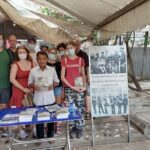
More Phnom Penh History & Remembrance Visits

Keep browsing: more Phnom Penh tours and day trips our team has reviewed





Killing Fields & Genocide History Tours, compared.
 ★ 4.8The Killing Fields & Tuol Sleng Genocide MuseumFrom $193,337 reviews
 ★ 5.0The Killing Field and Toul Sleng Genocide Museum (S21) TourFrom $191,977 reviews
 ★ 5.0Killing field and Toul Sleng genocide museum TourFrom $19610 reviews
 ★ 4.8killing field & Toul Sleng genocide museum TourFrom $19540 reviews
 ★ 4.9Highlights Tour Including S21 and Killing FieldsFrom $30453 reviews
 ★ 5.0Visit 11 Places in One Day including S21 & Killing FieldFrom $30361 reviews
 ★ 4.9Royal Palace, S21, Killing Fields & More TourFrom $35295 reviews
 ★ 4.0Killing Fields and Prison S21 Bus TourFrom $15206 reviews
Browse the lists this tour appears in