
Reviewed · KILLING FIELDS & GENOCIDE HISTORY TOURS
Half-Day Tour of the Killing Field and S21
History hits hard in Phnom Penh. This half-day tour connects Choeung Ek and Tuol Sleng S21, two Khmer Rouge sites that show both the system of detention and the places where people were killed. I especially liked how guides such as Visal or Sum explain the story in clear, practical English, so what you’re looking at doesn’t stay confusing.
What I like most is the pairing itself: seeing the killing fields and then the S21 prison museum in the same day helps you understand how the genocide was carried out step by step. You’ll also get pickup and safe, clean transport, plus a water and snack to keep you moving through a very emotional visit.
One consideration: this is not a light outing. The content is extremely dark, and you should also plan for entrance fees not included, so your total cost will be a bit higher than the advertised tour price.
In This Review
- Quick Highlights
- Price and Logistics: What $19.20 Really Buys
- Choeung Ek: From Orchard and Cemetery to a Mass Grave Memorial
- Tuol Sleng S21: The Former School Used as Security Prison 21
- Why This Two-Stop Pair Works So Well in 4 Hours
- Price and Value: When Extra Entrance Fees Still Make Sense
- Timing and Pickup: One Thing to Watch Closely
- Who Should Book This Tour (and Who Might Hesitate)
- The Big Decision: Should You Book This Half-Day Killing Fields and S21 Tour?
- FAQ
- How long is the Half-Day Tour of the Killing Field and S21?
- What is included in the tour price?
- Are entrance tickets included for Tuol Sleng and Choeung Ek?
- Is hotel pickup offered?
- How big is the group?
- What is the cancellation policy?
Quick Highlights
- English guidance that makes the sites readable: guides like Visal or Sum are known for clear explanations.
- Two linked locations in one half-day: Choeung Ek (killing fields memorial) plus Tuol Sleng S21 (Security Prison 21).
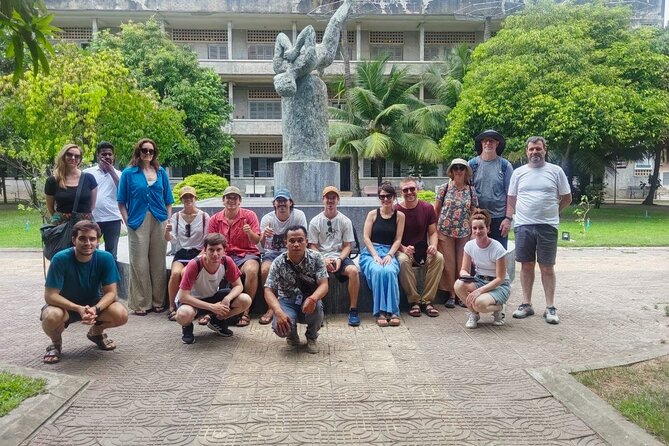
- Small group size (up to 15) helps the pace stay manageable.
- Included pickup, driver, and water/snack keeps logistics simple.
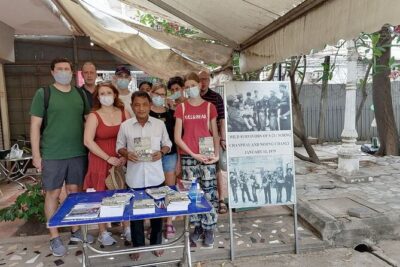
- Sometimes survivors may be present at S21, with opportunities to buy signed copies of their book.
Price and Logistics: What $19.20 Really Buys
At $19.20 per person, this tour is mostly paying for the practical stuff you’d otherwise have to figure out yourself: a professional English-speaking guide, a licensed driver, and clean, safe transportation. For Phnom Penh, that matters. You’re heading 17 km south to Choeung Ek and then back through the city again, and a guided half-day saves you from juggling tuk-tuks or rides on tight timing.
You’ll also get a water and snack, which sounds small until you’re sitting with the heaviness of what you’re learning. The tour runs about 4 hours, so it’s built to fit into a normal sightseeing day without stealing your entire schedule.
Two “budget reality” points to know up front:
- The tour price does not include entrance fees for Tuol Sleng S21 and Choeung Ek. You’ll pay those on site.
- It’s a half-day format, so you’re not going slowly or wandering. Expect a focused visit at each stop.
If you’re short on time but still want the most important places related to the Khmer Rouge period, this is strong value—especially because you’re not doing the hardest part (understanding what you see) alone.
To learn more about Phnom Penh's recent history, these guided visits cover the S-21 and Choeung Ek memorial sites
Choeung Ek: From Orchard and Cemetery to a Mass Grave Memorial
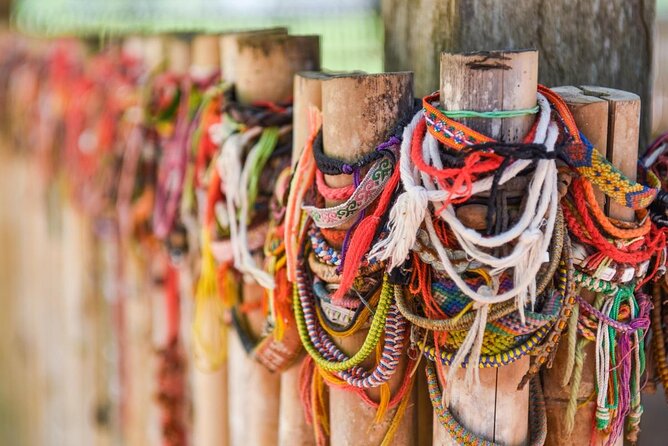
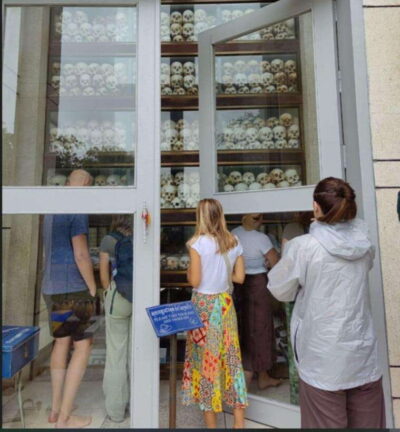
Choeung Ek Genocidal Center is about 17 km south of Phnom Penh city center, and it carries the weight of a brutal transformation. It was once an orchard and also associated with a Chinese cemetery. Under the Khmer Rouge led by Pol Pot, the place became the killing fields, where people were executed during 1975 to 1979.
This site is widely known among the killing fields, and the tour gives you context about how this area fits into the wider Khmer Rouge campaign. The information you get here matters because it’s not just a location—it’s a system of terror.
A key fact you’ll hear: after the fall of the Khmer Rouge regime, mass graves containing 8,895 bodies were discovered at Choeung Ek. The tour also frames who many victims were, including people who had been held in the Khmer Rouge detention system, such as those processed through Tuol Sleng (S21) and other detention centers.
What to expect on the ground:
- You’ll spend about 2 hours at Choeung Ek.
- The visit is structured enough to help you follow the story, but it still feels like a memorial place, not a typical attraction.
- Because the material is factual and painful, you may find it emotionally tiring even if you’re mentally prepared.
A practical tip for how to handle it: plan to keep your phone away for a bit at the start. Take a few minutes just to let the place set the tone, then turn back to your guide’s explanations. It makes the whole visit feel more grounded.
Also, plan your comfort. This kind of visit can mean standing and walking more than you’d expect for a “short tour.” Wear comfortable shoes and keep water handy—yep, you’ll have some.
Tuol Sleng S21: The Former School Used as Security Prison 21
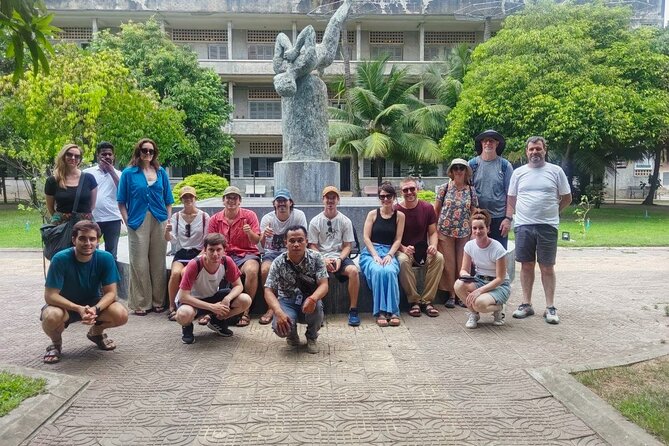
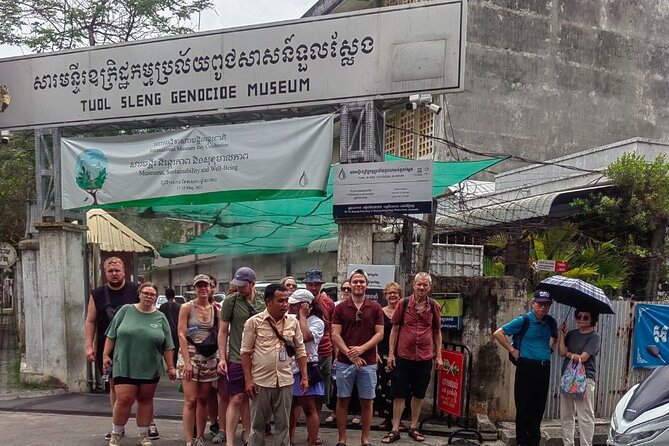
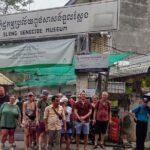
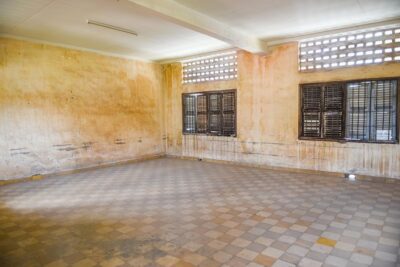
Tuol Sleng Genocide Museum (often called Tuol Sleng) is the other half of the story, and it’s where the detention side becomes real. The site is a former school building, a secondary school that the Khmer Rouge converted into Security Prison 21, active from 1975 until 1979.
Here’s the important context the tour provides: it was not a random prison. For detainees who were considered important enough for the regime’s attention, the Khmer Rouge planned a new facility and converted buildings in March or April 1976 into a prison and an interrogation center. The complex included five buildings, built from the former Tuol Svay Pray High School.
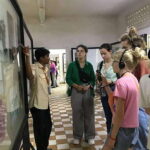
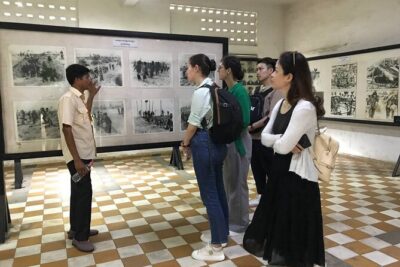
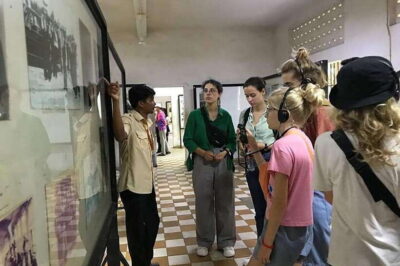
This is one of those experiences where the physical setting hits you. You’re looking at classrooms and prison spaces that were turned into a machinery of control. The tour uses its guide-led explanation to help you connect what you’re seeing to the larger genocide timeline.
On the ground, expect:
- About 2 hours at Tuol Sleng.
- A guided walkthrough that ties the prison experience to the later outcomes you saw at Choeung Ek.
- A museum atmosphere that is educational but emotionally heavy.
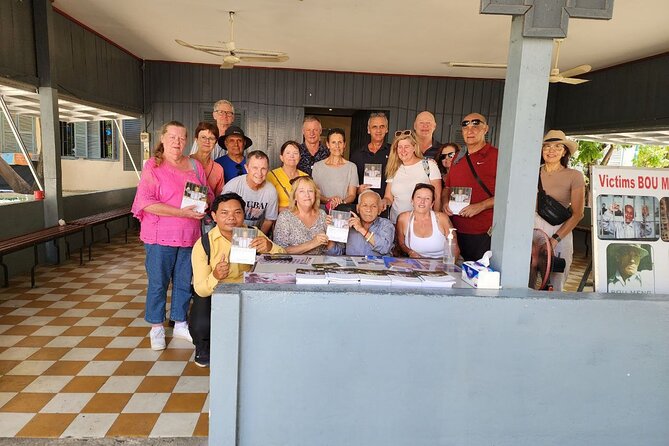
A unique detail worth knowing: in the material you shared from past experiences, there’s mention that three of the four remaining survivors were present around S21 at one time, and they sold signed copies of their book. You can’t count on that every day, but it’s a reminder that this history is still connected to living people. If that chance happens during your visit, it can be a meaningful way to support survivor voices.
Why This Two-Stop Pair Works So Well in 4 Hours
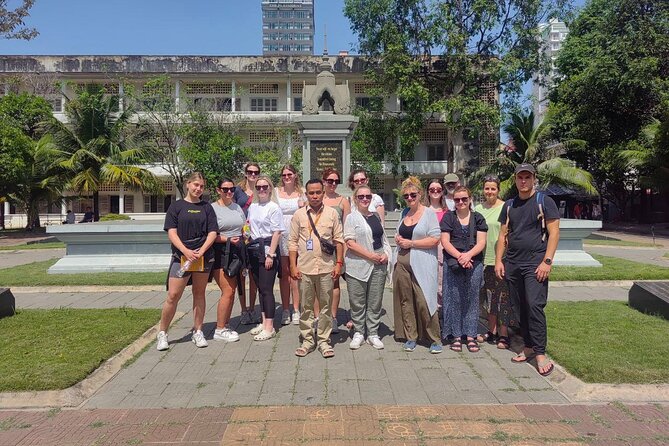
The biggest strength of this tour is simple: it links the detention system with the killing field. When you do Choeung Ek first, you understand the final stage. When you do S21 afterward, you see how people were processed before they ended up there.
That pairing is exactly what helps the day stay coherent, especially if this is your first time learning this history in depth. A good guide makes the connections clear instead of leaving you with two separate “sad places.”
This is also where the English-speaking guide matters most. Guides such as Visal and Sum are praised for bringing the story into understandable language, and that’s not a small detail. In places like these, the difference between a confusing explanation and a clear one is the difference between seeing artifacts and understanding what they represent.
Group size helps too. With a maximum of 15 travelers, you’re less likely to be stuck behind a crowd while you’re trying to read signage or follow a key point. That’s a comfort you’ll feel when the subject matter is already emotionally demanding.
One more note: this isn’t designed as a casual sightseeing stroll. Expect a steady pace, with enough time (about two hours each stop) to make sure you’re not rushed through the important parts.
Price and Value: When Extra Entrance Fees Still Make Sense
Let’s talk money honestly. You pay $19.20 per person for the tour itself, and then you should budget for entrance fees at:
- Tuol Sleng Genocide Museum
- Choeung Ek Genocidal Center
Since we don’t have the entrance fee amounts here, I can’t tell you a total number. What I can say is this: the tour price is already covering the hardest logistics to self-manage—driver, transport timing, and a guide who can explain the context as you go.
If you’re trying to do both sites in one day, a half-day guided format often ends up being a better value than doing it piecemeal. The guide’s role is the “multiplier” here. Without that explanation, you might still feel the gravity, but you’d likely miss the cause-and-effect details that turn the day from “I saw places” into “I understand what happened.”
Also, because the tour offers pickup and you return back to the start point, your day stays simple. That simplicity costs money everywhere in travel; here, it’s built into the price.
A few more Phnom Penh tours and day trips our team keeps coming back to

Timing and Pickup: One Thing to Watch Closely
With pickup-based tours, timing is everything. One issue that can happen with any city transfer is a missed meeting point or a delay. The tour structure here includes a meeting point at Grand River Sports Bar near Riverside Path, so you don’t want to wander off or assume they’ll find you easily.
My practical advice:
- Be at the pickup spot early.
- Have your phone ready in case you need quick contact.
- If you’re waiting, wait in one clear spot so the driver can identify you fast.
This is still a solid service overall (the ratings are high), but for tours with emotionally heavy stops, the last thing you want is stress at the start line.
Who Should Book This Tour (and Who Might Hesitate)
You’ll likely love this tour if:
- You want the key Khmer Rouge sites in one half-day.
- You appreciate a guide who can translate complicated history into clear, direct explanations.
- You’re prepared for the day to feel very serious, not “touristy.”
It may not be your best fit if:
- You’re not emotionally up for genocide history right now.
- You want a lighter schedule with minimal walking and minimal mental effort.
- You prefer fully unguided museum wandering.
One reassuring detail is that the tour notes most travelers can participate. Still, you should judge your own energy level, because the subject matter is intense and the day has two substantial visits.
The Big Decision: Should You Book This Half-Day Killing Fields and S21 Tour?
If you have limited time in Phnom Penh and you want a structured way to understand what happened during the Khmer Rouge era, I’d book this. The combination of Choeung Ek + Tuol Sleng S21, supported by an English-speaking guide, is exactly the kind of half-day itinerary that uses your time well.
Just go in knowing two things:
- This isn’t a casual history stop. It’s heavy.
- You’ll pay entrance fees on top of the tour price.
If you’re the type of traveler who values context more than collecting photos, this tour is a strong match.
FAQ
How long is the Half-Day Tour of the Killing Field and S21?
It runs for about 4 hours (approx.).
What is included in the tour price?
The tour includes a professional English-speaking guide, a professional driver, clean and safe transportation, and water and snack.
Are entrance tickets included for Tuol Sleng and Choeung Ek?
No. Entrance fees for Tuol Sleng Genocide Museum and Choeung Ek Genocidal Center are not included.
Is hotel pickup offered?
Pickup is offered, and the tour starts from the meeting point at Grand River Sports Bar.
How big is the group?
The tour has a maximum of 15 travelers.
What is the cancellation policy?
You can cancel for free up to 24 hours in advance for a full refund.
If you want, tell me your travel dates and how many people are going—I can help you think through whether this timing fits best with your Phnom Penh plan.
More Tours in Phnom Penh

More Tour Reviews in Phnom Penh

More Phnom Penh History & Remembrance Visits

Keep browsing: more Phnom Penh tours and day trips our team has reviewed






Killing Fields & Genocide History Tours, compared.
 ★ 4.8The Killing Fields & Tuol Sleng Genocide MuseumFrom $193,337 reviews
 ★ 5.0The Killing Field and Toul Sleng Genocide Museum (S21) TourFrom $191,977 reviews
 ★ 5.0Killing field and Toul Sleng genocide museum TourFrom $19610 reviews
 ★ 4.8killing field & Toul Sleng genocide museum TourFrom $19540 reviews
 ★ 4.9Highlights Tour Including S21 and Killing FieldsFrom $30453 reviews
 ★ 5.0Visit 11 Places in One Day including S21 & Killing FieldFrom $30361 reviews
 ★ 4.9Royal Palace, S21, Killing Fields & More TourFrom $35295 reviews
 ★ 4.0Killing Fields and Prison S21 Bus TourFrom $15206 reviews
Browse the lists this tour appears in