
Reviewed · KILLING FIELDS & GENOCIDE HISTORY TOURS
Phnom Penh Highlights Tour with Killing Fields & S-21 Prison
A day in Phnom Penh hits hard. This tour pairs the Royal Palace sights with the S-21 Genocide Museum and the Killing Fields, so you understand Cambodia’s past and present in one tight route. I love how it explains Khmer culture and religion first, then shifts into the modern history that explains why Phnom Penh looks the way it does today. The one real drawback is the subject matter is heavy, so be ready for an emotional day.
What makes it work is the guide. I’ve seen guides like Lee and Chhim Chhuley (and other excellent English-speaking driver-guides) bring clarity without turning it into a lecture, and they keep the day moving with cold water and an SUV with air-conditioning. If you’re the type who rushes through places, you’ll still need a bit of patience here, especially around the memorial sites.
Key takeaways before you go
- Royal Palace + Silver Pagoda: royal power and Buddhist practice in the same morning flow
- Wat Phnom and the city’s name: a hilltop temple story that explains Phnom Penh’s origin
- France Quarter stops: colonial-era architecture mixed into today’s capital
- S-21 (Toul Sleng): a sobering look at how prisoners were held and processed
- Choeung Ek Killing Fields: the next chapter after S-21, where victims were taken for execution
- Cold water + early start: smart comfort for walking in the heat
In This Review
- Why Phnom Penh in One Day Works
- Royal Palace and Silver Pagoda: Royal Power and Buddhist Practice
- Mekong and Tonle Sap River Drive: How the City Breathes
- France Quarter, Wat Phnom, and the Hilltop Name Story
- Monuments: Victory, the King-Father, and Independence
- Toul Sleng (S-21): The System Behind the Horror
- Choeung Ek Killing Fields: The Next Chapter After S-21
- Khmer Food Lunch Break: A Pause That Still Matters
- Price and Value: $30 for the Route, Not the Ticket Fees
- Comfort and Timing: Be Smart About Heat
- Who This Tour Fits (and Who Should Rethink)
- Should You Book This Phnom Penh Highlights Tour?
- FAQ
- What is the duration of the Phnom Penh highlights tour?
- Does the price include entrance fees?
- Is hotel pickup and drop-off included?
- What’s included in the tour besides the guide?
- Is food included?
- What language is the tour guide?
- What should I bring with me?
- Is there a cancellation policy?
Why Phnom Penh in One Day Works
Phnom Penh can feel overwhelming at first because the city is stacked with eras. You’ve got Khmer royal traditions, Buddhism on temple hills, French colonial-era streets nearby, and then the unmistakable scars of the Pol Pot period. Doing it in one day with a guide helps you connect the dots instead of just collecting photos.
The route is built for a “high value” day: you see major highlights, you get context as you go, and you end back in central Phnom Penh. This is also the kind of tour where you’ll appreciate a driver-guide who can pace stops so you don’t lose the day to transit.
The day starts with culture and religion. That matters because it gives you a baseline before the darker history arrives.
Royal Palace and Silver Pagoda: Royal Power and Buddhist Practice
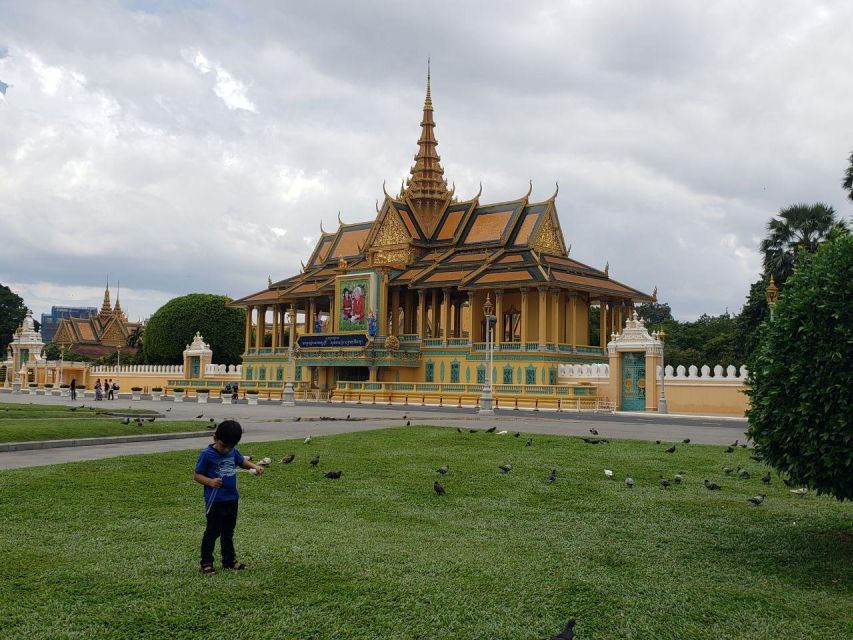
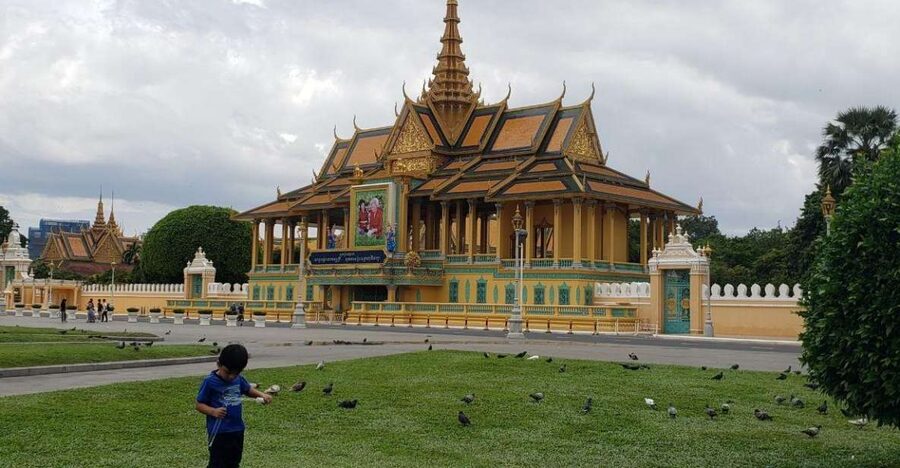
The morning begins at the Royal Palace, the principal residence of the King, Queen, and royal family. Even if you don’t know the details, you’ll feel the place is still about authority and ceremony, not just architecture.
After that comes Silver Pagoda (also known as the Emerald Temple). This is the spot tied to the previous king’s meditation practice. That simple detail changes how you look at the space: you’re not only seeing something ornate, you’re seeing a place associated with personal spiritual discipline.
Practical tip: Dress respectfully. Even when a tour is quick, you’re walking temple areas, and it’s better to arrive ready than to scramble for clothing rules on the spot.
A few more Phnom Penh tours and day trips our team keeps coming back to
Mekong and Tonle Sap River Drive: How the City Breathes
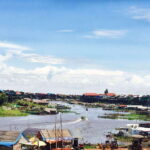
Between the palace and the rest of the sightseeing, you’ll drive along the Mekong River and Tonle Sap River. You won’t get a lecture about every waterway fact in the day’s schedule, but the visual context helps. Phnom Penh’s rhythm is tied to rivers, and it shows up in how neighborhoods feel and how the city has developed.
For many people, this river stretch is a mental reset. After temple intensity, the drive offers a breather before you hit the colonial quarter and the hilltop temple.
If you like photos, this is one of your easier wins of the day. Vehicles and wide roads can give you quick, clean angles—just keep an eye on timing because the day is meant to stay efficient.
France Quarter, Wat Phnom, and the Hilltop Name Story
Next up is the France Quarter, where you’ll see colonial-era buildings and take a walk around Wat Phnom area. The mix can be surprising if you’ve only learned Phnom Penh as a history site. Here, it feels like a city that kept changing even when the world shifted around it.
Then you reach Wat Phnom, the highest Buddhist temple in town—and the name Phnom Penh comes from this place. That’s a great example of why guides matter: it’s not random sightseeing. You’re learning the origin story behind the city you’re standing in.
Wat Phnom is also a good moment to slow down and notice everyday Phnom Penh around you—people, routines, and religious life in motion. Even a short stop can feel meaningful when it’s placed right after the palace.
Watch your step: Temple areas often mean uneven ground and stairs. Wear shoes you’re comfortable with, especially since this is a one-day plan with multiple walking segments.
Monuments: Victory, the King-Father, and Independence
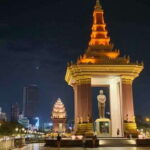
From Wat Phnom, the route passes by major monuments, including the Victory monument, the King Father status, and the Independence Monument. These stops help you understand how Cambodia marks identity and remembrance in public space.
The value here is interpretive. Without context, monuments can look like photo backdrops. With context, they start to feel like a language—how a country teaches itself history through stone, scale, and placement.
This is also where you’ll feel the tour’s structure: it moves from spiritual anchors to national symbols, then eventually turns toward the places you should approach with extra care.
Toul Sleng (S-21): The System Behind the Horror
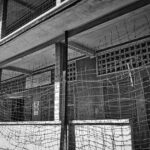
After the city sights, the tour shifts into the modern dark history: Toul Sleng Genocide Museum, known as S-21. This is where Khmer Rough (as described in the tour framing) detained people, followed by interrogation and torture before prisoners were taken to execution at Choeung Ek.
S-21 is not designed for comfort. You should expect a difficult, reflective visit. What makes it especially important in a guided day is the way the museum connects steps in the process, not just the final outcome.
How I’d prepare yourself: Give yourself a moment before you enter. If you arrive already tense, you’ll feel it more. If you arrive grounded, the experience may be even more impactful because you’re better able to process what you’re seeing.
Also, take breaks when you can. This is a museum visit where short pauses matter, even if you want to see everything.
To learn more about Phnom Penh's recent history, these guided visits cover the S-21 and Choeung Ek memorial sites
Choeung Ek Killing Fields: The Next Chapter After S-21
After S-21, the tour continues to the Killing Fields at Choeung Ek. Here, Khmer Rough were described as executing thousands of victims during the Pol Pot regime.
If S-21 is about the mechanism, Choeung Ek is about the ending—and the scale of loss. You’ll likely need to move slower than you normally would on a sightseeing day.
This is also why doing both places back-to-back can feel so heavy. The guided sequencing helps you follow the chain of events without guessing. That said, it can also be emotionally exhausting, so don’t plan anything intense right after. Use the rest of the day to be gentle with yourself.
Photo note: If you photograph, do it with respect. Memorial spaces often feel different from temples or markets. If you’re unsure, simply pause and look longer instead.
Khmer Food Lunch Break: A Pause That Still Matters
Between the two heavy-history sites and the final return, there’s a break for lunch at a local restaurant. The tour includes time for food, but food itself isn’t included in the price.
I like this structure. You’re not stuffed into a meal between stops with no chance to breathe. You actually get a reset before the Killing Fields segment, and that can make the emotional weight more manageable.
When ordering, keep it simple: point to what looks good on the menu or ask your guide for a recommendation. If you’re unsure about spice levels, mention you prefer mild. Heat and walking can already be draining, so you’ll enjoy your meal more if you’re not fighting your stomach.
Price and Value: $30 for the Route, Not the Ticket Fees
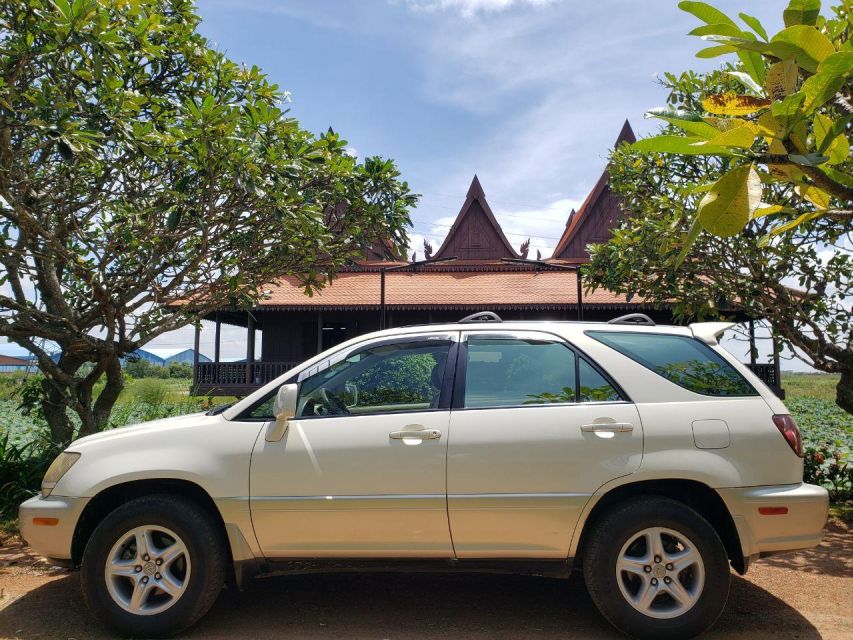
At $30 per person for a full day, this tour is strong value for Phnom Penh, mainly because it includes hotel pickup/drop-off, an English-speaking driver-guide, cold water, and an air-conditioned SUV. That’s the practical part: transportation and a guide who can connect sites without you needing to map everything yourself.
The one thing to plan for is that entrance fees are not included. If you’re comparing prices, make sure you factor those entry costs into your total budget so you’re not surprised at checkout.
Also, this is a one-day tour. That means you’re paying for efficiency. If you’d rather slow down at one site and skip another, you might prefer a custom half-day approach. But if you want the biggest Phnom Penh highlights in a single organized day, this price-to-coverage ratio makes sense.
Comfort and Timing: Be Smart About Heat
Phnom Penh heat is real. A lot of people do better by going early in the morning, and there’s a reason: you’ll walk in temples and museum areas, and the day adds up fast. Going earlier often helps you feel less rushed and less drained.
The included air-conditioned SUV helps during transit, and cold water is provided. Still, you should bring sunscreen and basic toiletries. A charged smartphone helps for photos and navigation after you’re done.
Bring these small items: camera, sunscreen, toiletries, and a charged smartphone. You’ll thank yourself when you’re doing multiple stops in a single day.
Who This Tour Fits (and Who Should Rethink)
This tour is ideal if you want a guided day that covers both classic sightseeing and Cambodia’s modern history. I especially think it works for first-timers who want structure: temples first, then the harder history, with a guide translating the meaning as you go.
It’s also a good option if you’re comfortable with walking and you want the simplicity of pickup and central drop-off.
It may not be the best fit if you need a fully lighthearted day. The S-21 and Killing Fields components are tough. Also, the tour is not suitable for people over 300 lbs (136 kg), based on the activity’s stated limits.
Should You Book This Phnom Penh Highlights Tour?
If you want one day that truly shows Phnom Penh’s layers—royal and religious life, French-era hints, national monuments, and the reality of Cambodia’s recent past—this is a smart booking. The guide support (with names like Lee and Chhim Chhuley showing up in the field experience) is a major part of the value, because these sites make more sense when someone explains them clearly.
Book it if you’re ready for a heavy historical day and you like the idea of getting a lot done without stress. Skip it if you prefer to take your time at fewer places, or if you know you’ll struggle with memorial museums and genocide history.
In other words: if you can handle the emotional weight, you’ll leave with a much clearer understanding of Phnom Penh than you would from a casual sightseeing loop.
FAQ
What is the duration of the Phnom Penh highlights tour?
It’s a one-day tour focused on Phnom Penh’s main sights, including the Royal Palace area and the S-21 and Killing Fields history.
Does the price include entrance fees?
No. Entrance fees are not included. The tour also does not include an audio guide.
Is hotel pickup and drop-off included?
Yes. Your driver-guide picks you up from your hotel or any central place in Phnom Penh, and you return afterward.
What’s included in the tour besides the guide?
The tour includes an English-speaking driver-guide, cold water, and an SUV with air-conditioning.
Is food included?
No. Lunch time is part of the day, but food and snacks are not included in the tour price.
What language is the tour guide?
The tour is offered with an English-speaking driver-guide.
What should I bring with me?
Bring a camera, sunscreen, toiletries, and a charged smartphone.
Is there a cancellation policy?
You can cancel up to 24 hours in advance for a full refund, and the tour offers a reserve now & pay later option.
More Tour Reviews in Phnom Penh

More Phnom Penh History & Remembrance Visits
More Phnom Penh City Tours in Phnom Penh
Keep browsing: more Phnom Penh tours and day trips our team has reviewed




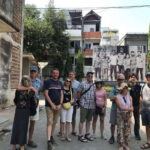

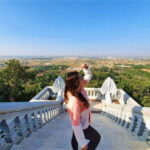


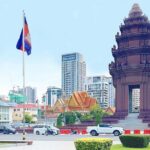
Killing Fields & Genocide History Tours, compared.
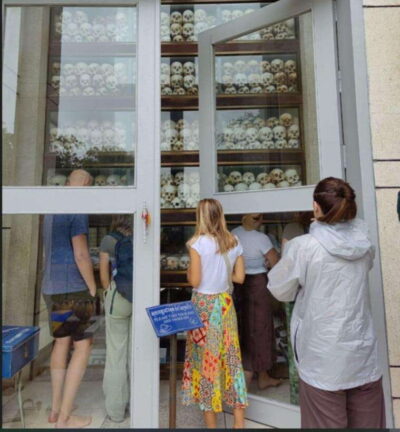 ★ 4.8The Killing Fields & Tuol Sleng Genocide MuseumFrom $193,337 reviews
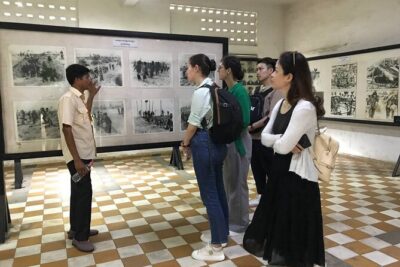 ★ 5.0The Killing Field and Toul Sleng Genocide Museum (S21) TourFrom $191,977 reviews
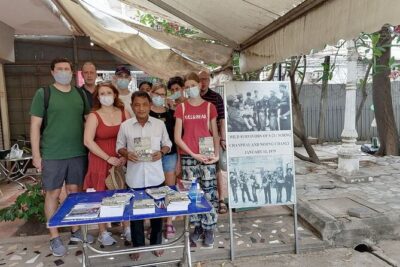 ★ 5.0Killing field and Toul Sleng genocide museum TourFrom $19610 reviews
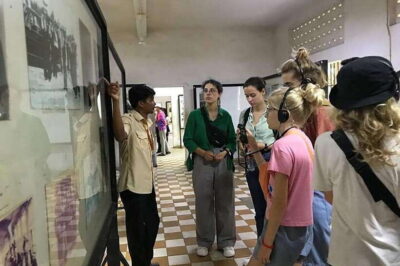 ★ 4.8killing field & Toul Sleng genocide museum TourFrom $19540 reviews
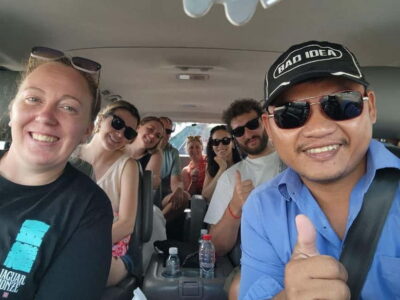 ★ 4.9Highlights Tour Including S21 and Killing FieldsFrom $30453 reviews
 ★ 5.0Visit 11 Places in One Day including S21 & Killing FieldFrom $30361 reviews
 ★ 4.9Royal Palace, S21, Killing Fields & More TourFrom $35295 reviews
 ★ 4.0Killing Fields and Prison S21 Bus TourFrom $15206 reviews
Browse the lists this tour appears in