
Reviewed · KAMPOT, KEP & COASTAL DAY TRIPS
A Day Trip to Kep Beach and Kampot from Phnom Penh
Salt, pepper, and beach in one long day. This route mixes Kampot’s old colonial look with hands-on stops for salt production and Kampot pepper, then caps it with downtime on Kep Beach. I especially love the walkable atmosphere of Kampot’s preserved architecture and the way the pepper stop turns a label on a spice jar into a real, farm-level experience. One heads-up: it’s an all-day outing, so you’ll want comfortable shoes and a serious sunscreen routine.
The drive time is real (about 3 to 4 hours each way, depending on traffic), and the schedule packs in several active stops. If you’re sensitive to heat or don’t enjoy walking, plan to take it slow at each site and bring water.
In This Review
- Key highlights worth planning for
- The route: Phnom Penh to Kampot to Kep, with real drive time
- Kampot’s colonial buildings and the early market feel
- Salt production and why December and May matter
- Phnom Chhngok Cave Temple: calm views, plus temple respect
- La Plantation and Kampot pepper: from farm tour to tasting
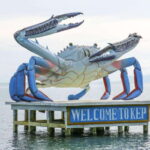
- Kep Market, seafood lunch, and the crab-focused order
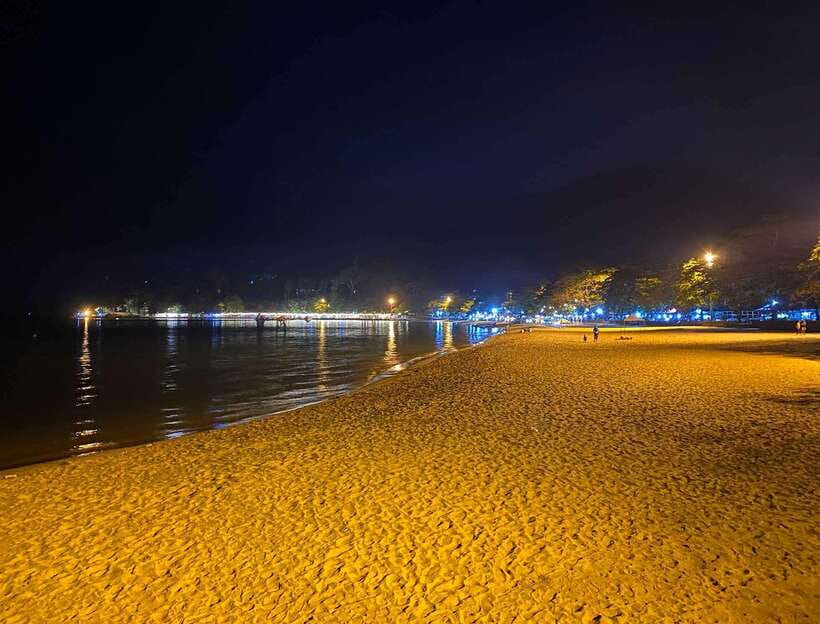
- Kep Beach: swim time, walking time, and doing nothing time
- Price and value: what $135 covers on a private day
- Who should book this day trip (and who should skip it)
- Should you book it? My practical take
- FAQ
- FAQ
- Where can I get picked up for this day trip?
- How long does the trip take?
- What’s included in the price?
- Is the seafood lunch in Kep included?
- Are entrance fees covered, or do I need to pay separately?
- How much time do you spend around Kampot?
- When are the salt fields easiest to see?
- Can I swim at Kep Beach?
- What’s the cancellation policy?
Key highlights worth planning for
- Colonial Kampot streets you can actually wander through at an easy pace
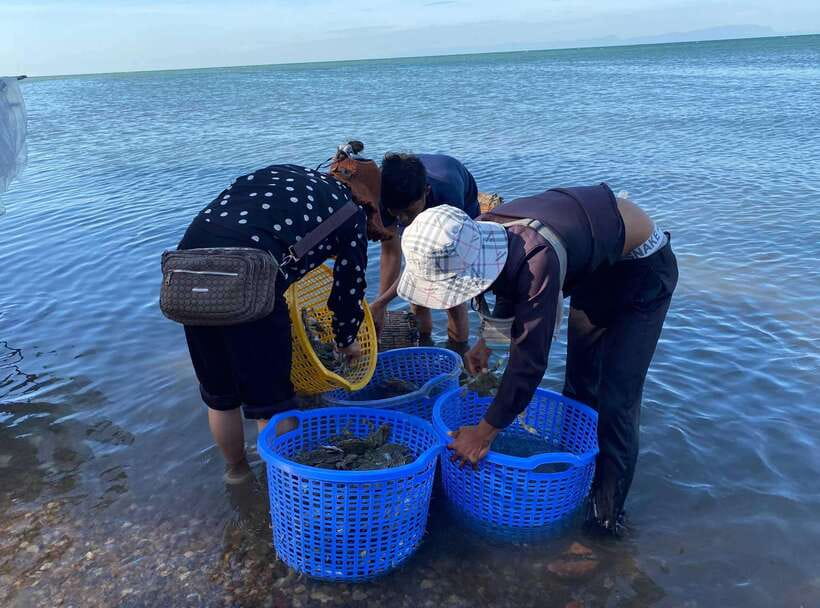
- Fresh fish market + photo stops that break up the drive and help you picture daily life
- Salt fields in specific months (best viewing from December and May) for great photo moments
- Phnom Chhngok Cave Temple with calm scenery and a chance to pause from the road
- Kampot pepper at La Plantation with a farmer-guided tour and tasting
- Kep Beach downtime where swimming is part of the plan
The route: Phnom Penh to Kampot to Kep, with real drive time
This is a full-day day trip built around one simple idea: you don’t just want to see Kampot and Kep from a bus window. You want enough time on the ground to notice details—the old town vibe, the salt-making process, the pepper-growing work, and then the coastal rhythm.
From Phnom Penh (or Techo International Airport), you’re looking at roughly a 3.25-hour transfer to get moving toward Kampot. Once you start, the day is paced by short, meaningful stops rather than nonstop sightseeing. That matters because you’ll spend a lot of the day outdoors—sun, stairs at temples, and time walking around markets and fields—so the built-in pauses help.
You’ll also get a clear geographic flow: Kampot first (town + salt + caves + pepper), then Kep (market/lunch, beach, and seafood). The final return to Phnom Penh is about 3 hours, but traffic can stretch that. In practical terms, you’re aiming for an early evening arrival and a proper dinner afterward.
If your ideal Cambodia day includes a mix of food, scenery, and low-stress logistics with an English-speaking driver, this one fits.
A few more Phnom Penh tours and day trips our team keeps coming back to



Kampot’s colonial buildings and the early market feel
Kampot has that rare quality of being both historic and still livable. The colonial-era look is what you’re here for, and you’ll have time to walk around, slow down, and actually take it in instead of just snapping one quick photo.
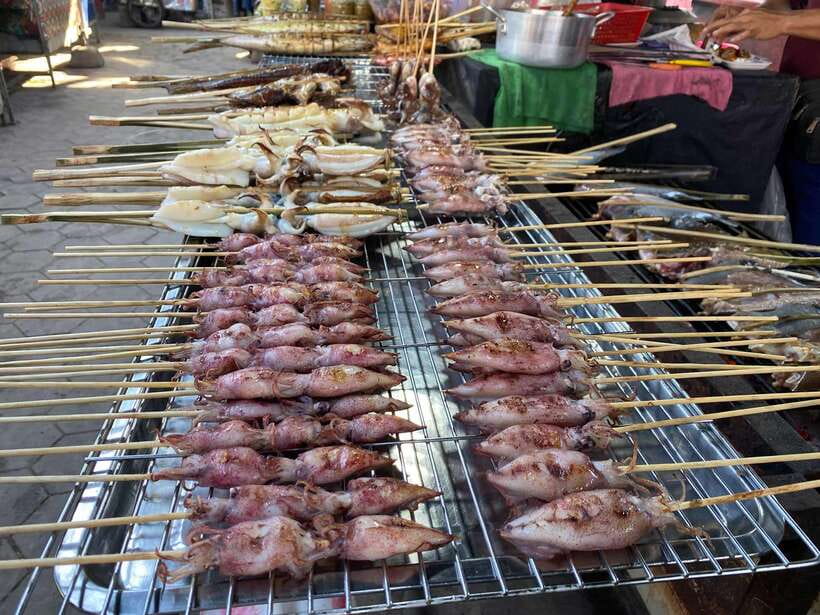
Before you settle into Kampot proper, you’ll pass through the Fresh Fish Market in Krong Kampot for a short stop. Even if you don’t buy anything, this is one of those places that helps the day click into place. You get a sense of how the region works—fish and seafood are part of daily life here, and it sets you up for the later Kep seafood lunch.
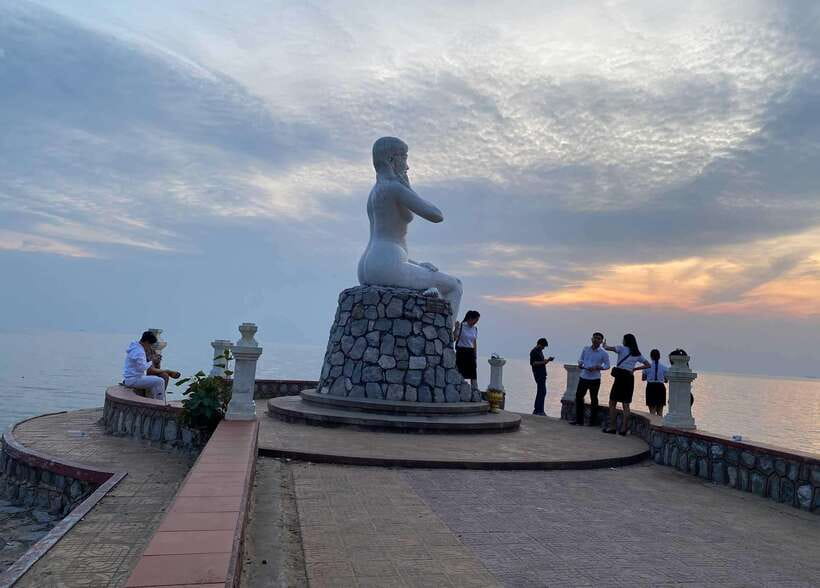
You’ll also have a photo stop at the Seahorse Statue—quick, but it’s the kind of easy moment that makes the day feel less rushed. Think of it as a visual bookmark: you’re moving from inland town life toward the water and salt work that make this area famous.
The colonial buildings stop is where I’d spend extra time if you like architecture. Look for the preserved facades, the street rhythm, and the way the town feels calm enough for an unhurried walk. It’s not about museums. It’s about getting the “this place is still itself” feeling.
Salt production and why December and May matter
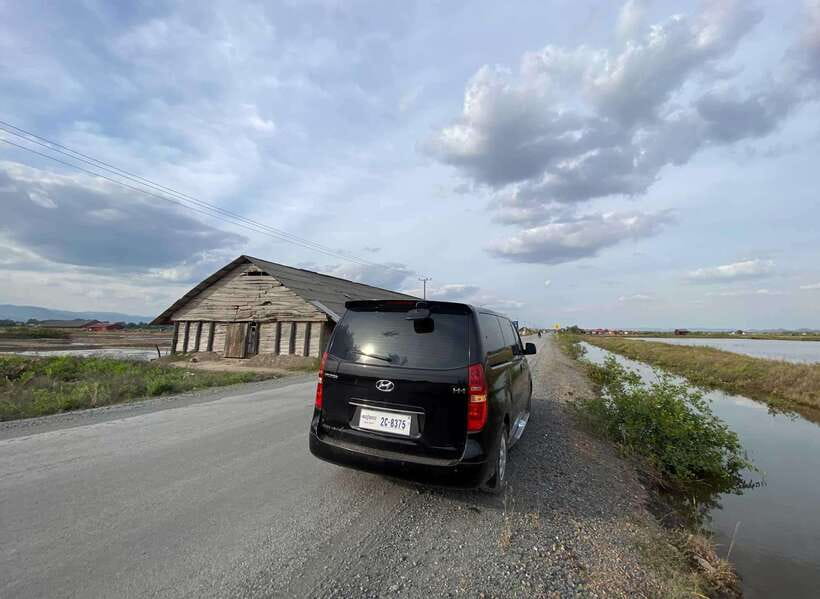
Salt fields are one of the most distinctive parts of this trip. It’s not just a scenic detour. It’s a look at how the coastline’s resources shape the local economy—and the salt works create that iconic, patterned view you’ll want for photos.
You’ll head to the salt fields and have time to witness salt production process sites. The timing note is important: these areas are most seen-able from December and May. If you’re traveling outside those windows, you might still see salt-related activity, but the clearest visual impact may be different. For photography lovers, that seasonal detail is a big deal.
Also, don’t expect a “factory tour” vibe. This is more about observing the fields and understanding how the landscape is used. The guide helps connect what you’re seeing to how salt production fits into the region.
Practical tip: if you’re going during hotter months, plan for strong sun and fewer shaded breaks. Wear a sun hat and bring sunscreen (and a biodegradable option if you have one). You’ll feel it fast out there, especially after the morning drive.
If you want one reason this day trip stands apart from a standard city-and-temple loop, it’s this salt stop. It gives you something you don’t usually get in Cambodia day tours.
Phnom Chhngok Cave Temple: calm views, plus temple respect
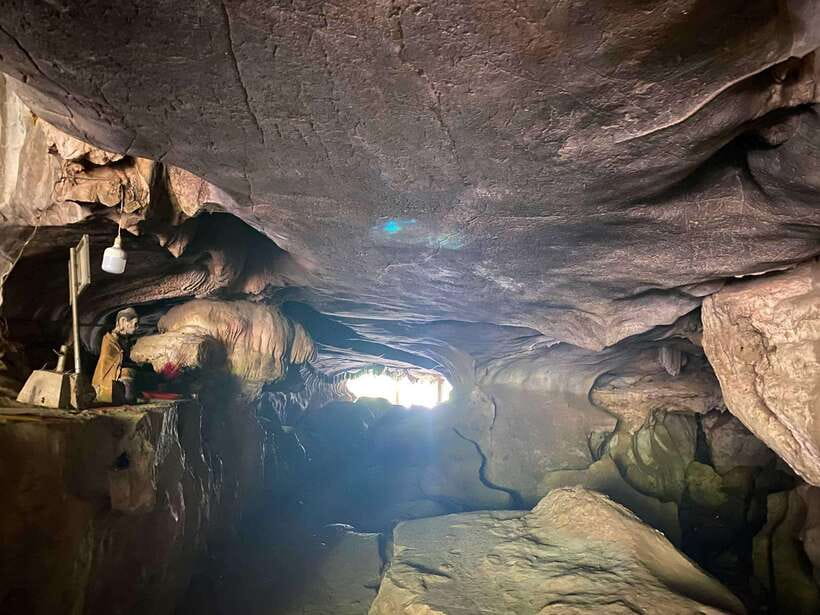
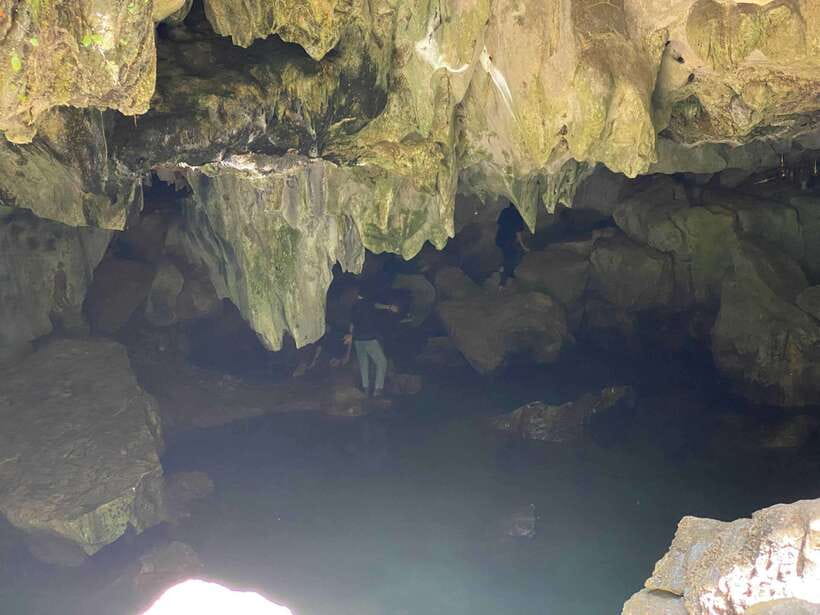
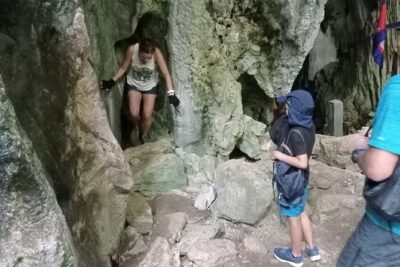
After the salt fields, you’ll shift gears to Phnom Chhngok Cave Temple. This is the “slow down” moment of the day. The setting is described as tranquil and scenic, which makes sense: caves and sacred sites naturally force you to move a bit more quietly and pay attention.
The trip includes visiting the cave temple, with time for you to take in the environment. It’s a good contrast to markets and fields. Instead of crowds and working areas, you’re in a more contemplative space.
Keep your temple manners simple:
- Wear clothing suitable for visiting sacred sites.
- Move respectfully through the area.
- If you’re unsure about what’s appropriate, follow what locals do around you.
I also recommend comfortable shoes here. Even without exact step counts, cave temple visits usually involve uneven ground and some uphill or staircase movement. You’ll be glad you didn’t wear anything that needs “careful walking” only.
This stop works especially well if you’re the type who likes views as much as temples. The day already has plenty of food and outdoor elements, so the temple visit gives you a different kind of payoff: quiet scenery and a chance to reset.
La Plantation and Kampot pepper: from farm tour to tasting
Pepper is one of those things people buy as a souvenir back home. The value of this part is turning that jar into a story you can repeat.
You’ll visit La Plantation, including a meeting with a local farmer site for a tour of Kampot pepper cultivation, followed by a tasting session. The cultivation tour is the key: you’re not just tasting spice. You’re learning how the plant is grown in the region and why Kampot pepper has its reputation.
What I like about this stop is the hands-on, conversational feel. Pepper farming is work, and you can usually tell when a guide is explaining from direct experience rather than reading a brochure. That farmer interaction makes the tasting feel earned.
Also, a tasting gives you a chance to pay attention to details you’d normally skip. You can compare what you’re expecting with what you actually taste. It’s one of the only ways to truly understand what makes Kampot pepper different.
One more thing: bring sunscreen and water. Pepper plantations are outdoors, and you’ll probably spend time walking and standing to hear explanations. If you’re carrying a water bottle, you’ll be thanking yourself later.
If you get a driver-guide who shares local context as you go, even better. One English-speaking driver-guide named Vannak has been noted for explaining things in detail, and having that kind of commentary can make the farm stop feel smoother and more meaningful.
A few more Phnom Penh tours and day trips our team keeps coming back to


Kep Market, seafood lunch, and the crab-focused order
After the pepper and temple time, you’ll head toward Kep Market for lunch. This is where the day turns into an appetite exercise.
The seafood lunch in Kep is not included in the tour price, but the structure still helps you. You’re guided to a local restaurant where you can order what you want, instead of guessing where to eat after a long day.
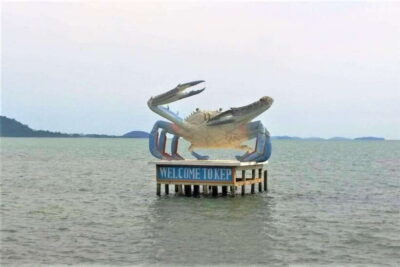
The meal angle here is clear: Kep is known for fresh crab dishes, and the lunch stop is set up around that. If you like seafood, you’ll likely be in your element. If you don’t, you still should be able to find something on the menu, but the expectation is seafood-forward.
Practical advice: this is a long day. Don’t assume you’ll want a big heavy lunch every minute. Choose something you can enjoy without slowing down the rest of the schedule too much. Ordering seafood can be rewarding, but it also tends to take a bit of time to prepare.
If you’re thinking like a local, you’ll also consider staying hydrated after lunch. Then you’ll have beach time shortly after, and that’s not the moment to be sunburned or dehydrated.
Kep Beach: swim time, walking time, and doing nothing time
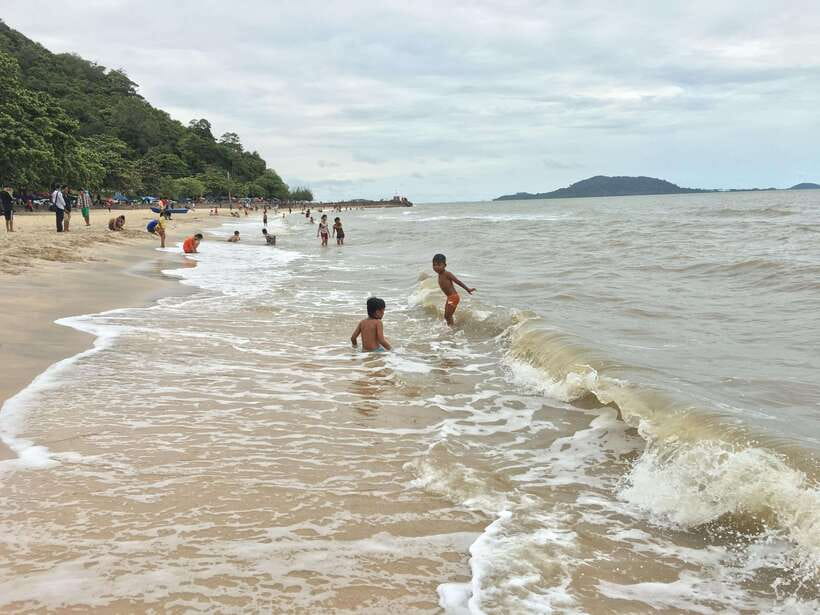
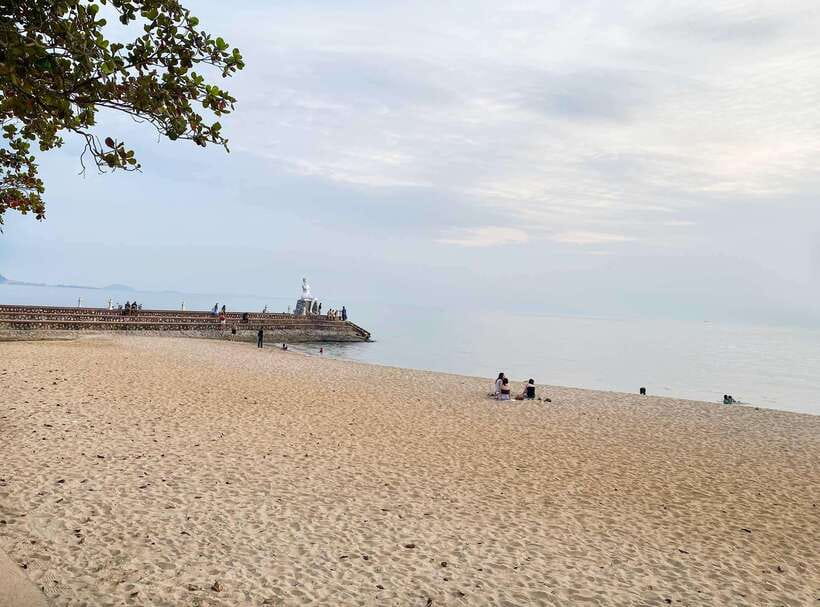
Then comes the payoff: Kep Beach, about 25 minutes from La Plantation. This is your chance to switch from “tour mode” to “vacation mode.”
You’ll get relaxation time where you can stroll along the shore, enjoy the scenery, and (if you want) swim. The tour also specifically asks you to bring a swimming dress. So yes, plan on using the beach, not just looking at it.
My best advice for this part is simple:
- Take a short walk first to get your bearings.
- Find shade if you need it.
- Then commit to “doing nothing” for a while.
Even if you’re not a beach person, this stop is what makes the day trip feel balanced. Without it, the day would be a grind of markets, temples, and sun. With it, you end with something restorative.
Also, remember that you’ll likely still be in full sun. Sunglasses and hat matter here as much as earlier stops. If you go swimming, reapply sunscreen afterward if you can.
Price and value: what $135 covers on a private day
At $135 per person for an 11.5-hour private group, you’re not paying for a quick hit. You’re paying for transportation, an English-speaking driver-guided format, and time-structured access to several stops.
Here’s the practical value breakdown from what’s included:
- Pick-up and drop-off options (Phnom Penh or Techo International Airport)
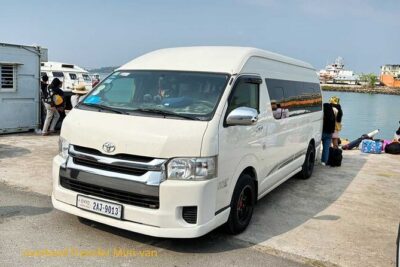
- Transportation by car or minivan
- English-speaking driver-guided trip
- Ticket and entrance items are listed as included
- Stops tied to Kampot colonial buildings, salt fields, Phnom Chhngok Cave Temple, and pepper plantation visit
- Relaxation time at Kep Beach
Two caution notes to keep you confident:
- Seafood lunch in Kep is not included, and personal expenses are not included.
- The details also say entrance fees are included, but the “not included” section mentions entrance fees to any attractions. Since those lines conflict, it’s smart to ask the operator what’s definitely covered before you go.
Still, compared to trying to piece together transport, local drivers, and timed stops yourself, this price is reasonable—especially when you want pepper + cave temple + salt fields + beach in one day without the hassle.
You’ll probably get the most value if you:
- Prefer not to manage logistics
- Want a guide’s English explanations
- Care about pepper farming and salt production enough to spend actual time there
Who should book this day trip (and who should skip it)
This tour makes the most sense for people who want variety without changing hotels. It’s a good fit if you’re excited by:
- Kampot pepper and tasting sessions
- Seeing salt production sites and learning the process
- Temple scenery paired with a calm, scenic stop
- Ending with real beach downtime
It’s less ideal if you want a slow day with long museum-style breaks. This is a packed but balanced route. You’ll be out and moving for most of the day.
Also, it’s stated as not suitable for people with altitude sickness and not suitable for people over 95 years. If you have specific health or mobility needs, you should check details with the provider before booking.
If you’re traveling with kids, the trip could work only if everyone handles long car time and sun well. The data here doesn’t specify family-focused support, so it’s more of a “depends on your crew” call.
Should you book it? My practical take
I’d book this day trip if you want a well-paced circuit that turns Kampot and Kep into more than postcard stops. The combination of colonial Kampot, salt fields (especially if you’re in December or May), a cave temple visit, pepper cultivation with farmer context, and actual Kep Beach time is exactly the kind of day trip that feels worth the long hours.
I wouldn’t book it if you hate heat, walking, or long drives. Also, if you’re only interested in one thing—like only beaches or only temples—this route might feel like too many different textures in one day.
If you do book, come ready:
- Comfortable shoes
- Hat + sunscreen
- Water bottle
- A swimming dress for Kep Beach
And if your driver happens to be Vannak, you’ll likely appreciate the extra detail in the explanations. When a trip is this schedule-driven, good guiding makes the whole day feel more relaxed and informative.
FAQ
FAQ
Where can I get picked up for this day trip?
You can choose pickup in Phnom Penh or at Techo International Airport (KTI).
How long does the trip take?
The total duration is listed as 11.5 hours.
What’s included in the price?
The price includes an English-speaking driver-guided trip, transportation by car or minivan, pickup and drop-off, all ticket and entrance include items, visits to Kampot colonial buildings, salt fields, Phnom Chhngok Cave Temple, a pepper plantation farmer tour (with tasting), and relaxation time at Kep Beach.
Is the seafood lunch in Kep included?
No. Seafood lunch in Kep is not included.
Are entrance fees covered, or do I need to pay separately?
The details list ticket and entrance items as included, but the “not included” section also mentions entrance fees to any attractions. To be safe, confirm what’s covered with the provider before you go.
How much time do you spend around Kampot?
You’ll spend about 6 to 7 hours visiting Kampot, including the fish market and salt fields time.
When are the salt fields easiest to see?
The salt production areas are noted as most seen-able from December and May.
Can I swim at Kep Beach?
Yes, swimming is part of the plan. Bring a swimming dress.
What’s the cancellation policy?
Free cancellation is available up to 24 hours in advance for a full refund.
More 1-Day Tours in Phnom Penh
More Tour Reviews in Phnom Penh

More Kampot, Kep & Coastal Day Trips in Phnom Penh


Keep browsing: more Phnom Penh tours and day trips our team has reviewed








Kampot, Kep & Coastal Day Trips, compared.
 ★ 5.0Private Taxi Transfer Phnom Penh to SihanoukvilleFrom $13021 reviews
 ★ 5.0Private Taxi Transfer Phnom Penh – Sihanoukville Car – MinivanFrom $6117 reviews
 ★ 5.0Taxi From Phnom Penh to Kampot or KepFrom $4514 reviews
 ★ 5.0Phnom Penh to Sihanoukville by Private Car or MinivanFrom $5910 reviews
 ★ 4.5Phnom Penh Kampot Kep Tour “Pepper Farm, Salt Field, Crab Market”From $899 reviews
 ★ 5.0Taxi Phnom Penh or Techo Airport to Sihanoukville or vice versaFrom $487 reviews
 ★ 5.0Small Group: One Day Phnom Penh to Kampot, Kep include lunchFrom $1584 reviews
 ★ 5.0Overland Taxi Transfer From Phnom Penh – SihanoukvilleFrom $1304 reviews
Browse the lists this tour appears in