
Reviewed · PHNOM PENH MARKETS & MORNING TOURS
Phnom Penh Kampot Kep Tour “Pepper Farm, Salt Field, Crab Market”
A long drive can still feel like a great day trip, and this one is packed with real stops in Kampot and Kep. I especially like the La Plantation pepper farm visit, where you learn how Kampot pepper (black, red, and white) moves from growing to processing. I also like the Kep crab market stop, because it’s where Cambodian seafood culture is on full display, including bargaining with vendors if you want to control the price.
That said, there’s one timing snag to watch: the salt fields are only available during the dry season. If you’re traveling outside that window, you may not get the full salt-farming experience this tour is known for.
In This Review
- Key highlights at a glance
- The day plan: Phnom Penh to Kampot to Kep and back
- Morning drive and the Kampot River Iron Bridge
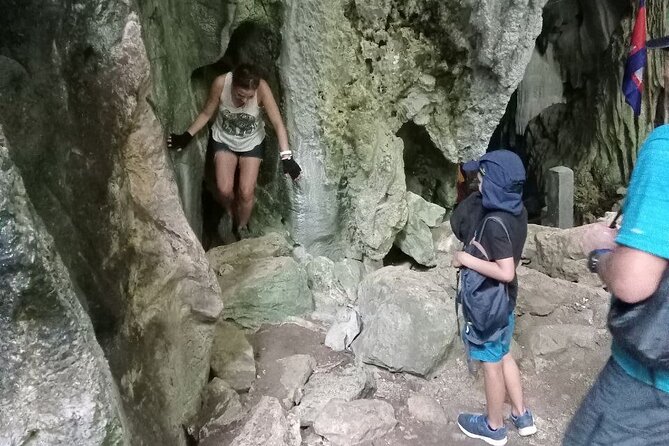
- Phnom Chhngok Cave Temple: scenic countryside, then a climb into context
- Brateak Krola Lake (Secret Lake): a dam with a heavy past
- La Plantation pepper farm: how Kampot pepper becomes a real product
- Salt fields (dry season only): a seasonal highlight you should plan around
- Kep crab market and beach photo moment: seafood culture with bargaining
- Transportation comfort and group size: small details that matter on an 8–10 hour day
- Price and value: does $89 make sense for what you get?
- Who should book this Phnom Penh–Kampot–Kep trip?
- Should you book this tour?
- FAQ
- FAQ
- What time does the tour start?
- Where will I be picked up?
- Where do I get dropped off?
- How long is the tour?
- Is there an English-speaking guide?
- Is the pepper farm visit included in the price?
- Are meals included?
- Are the salt fields always part of the tour?
- Is bottled water included?
- Can I get a refund if I cancel?
Key highlights at a glance
- La Plantation pepper farm with an on-site guide focused on Kampot pepper production
- Brateak Krola Lake (Secret Lake), a large man-made dam with Khmer Rouge-era history
- Phnom Chhngok Cave Temple stop built into the route toward Kep
- Salt fields included only in the dry season
- Kep crab market where you can watch fishermen bring in the catch and negotiate
- Max group size of 12 with a comfortable, air-conditioned vehicle
The day plan: Phnom Penh to Kampot to Kep and back
This trip starts early, around 7:30am, with pickup from your Phnom Penh hotel. Then you settle into an air-conditioned car for the drive to Kampot, roughly 160km and about 3 hours. The schedule is built for a full day: you’ll be out 8 to 10 hours total, with short stops that keep things moving without feeling rushed.
The route matters here. You’re not just hopping between two big sightseeing points—you’re traveling through the countryside and small-town rhythm of southern Cambodia, then finishing at the coast. With a small group (up to 12 people), it feels more like a shared day with your driver than a cattle-call bus tour.
One more practical detail I appreciate: you get bottled water, plus entrance fees are included for the listed sights. That reduces the usual surprise costs that add up on a long day out of the city.
A few more Phnom Penh tours and day trips our team keeps coming back to
Morning drive and the Kampot River Iron Bridge
Once you’re out of Phnom Penh, the day gets easier to enjoy as the landscape shifts. The drive toward Kampot is long enough that you’ll want to settle in, but it’s also long enough to make the later stops feel like you truly left the city behind.
Your first key arrival stop is in Kampot town at the Iron Bridge. It crosses the Kampot River and was built during the French colonial period, so it’s a nice, quick anchor point for understanding how old infrastructure shapes places today. Right after that, you’ll see older buildings and then head toward the Phnom Chhngok Cave Temple area.
This early pacing works well if you like structure. You begin with a simple landmark, then move into more “hands-on” places where you’ll be doing a bit of walking and taking in views.
Phnom Chhngok Cave Temple: scenic countryside, then a climb into context
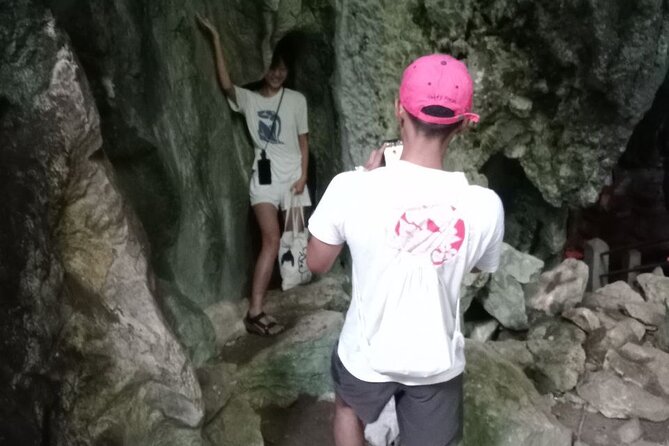
Getting to Phnom Chhngok Cave Temple involves leaving the main road and taking a winding route. The information you’ll get in advance is honest: the dirt-road travel can be tiring, especially if you’re not used to bumpy roads or motion.
Once you arrive, the payoff is that the temple stop feels tied to the land around it, not just a photo on a street corner. It’s described as Pre-Angkorian, which gives you a sense that this isn’t only about the Angkor-famous era—Cambodia’s temple story stretches back further than many first-time visitors realize.
A practical note: plan to bring a little patience. The road to get there takes time, and cave sites often involve steps and uneven ground. Wear something with decent grip, and don’t plan on perfect shoe comfort for the entire day.
Brateak Krola Lake (Secret Lake): a dam with a heavy past
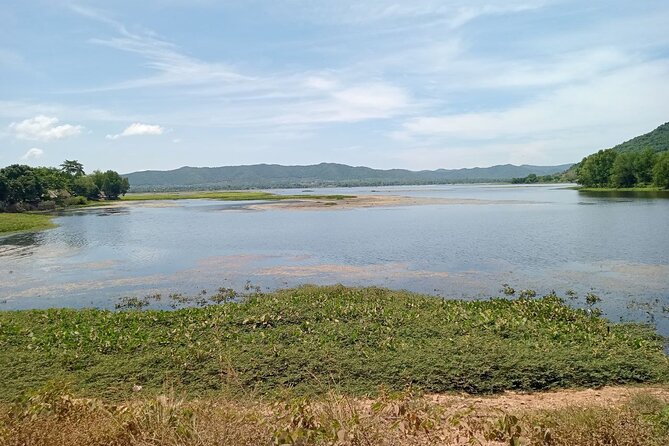
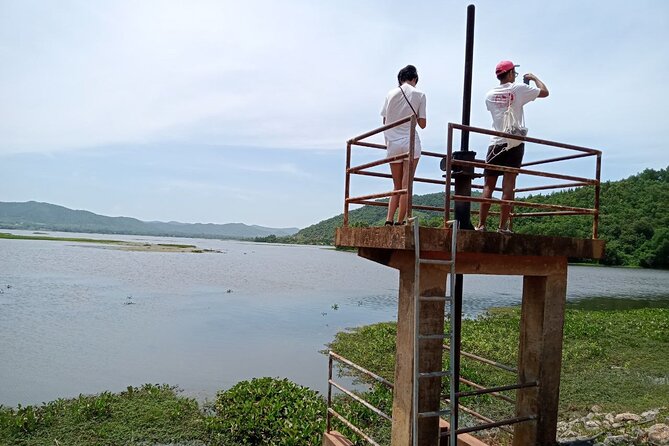
After you leave Phnom Chhngok behind, you’ll reach Brateak Krola Lake, also called Secret Lake. It’s not a natural lake in the way you might imagine from photos. Instead, it’s a large man-made dam.
The key context is that during the Khmer Rouge era, a dam was built with slave labor. That detail changes how you should look at the scenery. You’re not just visiting a pretty viewpoint; you’re standing near a place where modern geography and human suffering are linked.
The stop is brief—about 15 minutes—so you won’t have time for a long contemplative walk. Still, it’s long enough to pause, take in scale, and then move on with the day. If you prefer tours that avoid heavy historical context, this one may feel a bit intense for a holiday day—but it’s also one of the most meaningful moments in the itinerary.
La Plantation pepper farm: how Kampot pepper becomes a real product
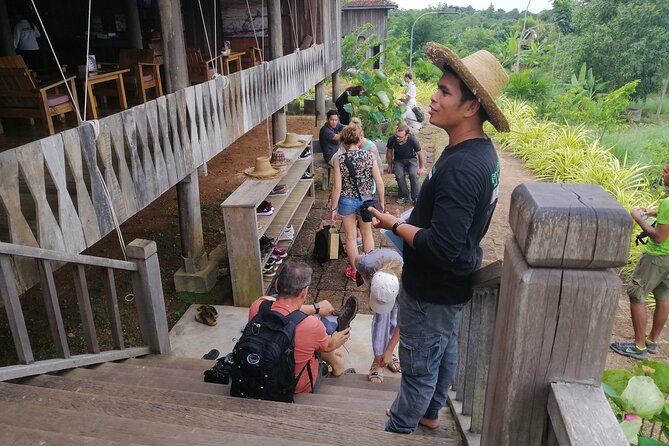
This is where the day gets personal. You’ll meet an English- or French-speaking guide at the pepper farm, and the stop runs about 2 hours. The project is called La Plantation, and it’s presented as a social and sustainable family initiative that blends traditional farming with modern processing.
What I like about this stop is that it’s not just a scenic “look at the trees” walk. You’re learning about how Kampot pepper is handled as a product—specifically black, red, and white varieties. Those terms can sound simple until you see the processing side and understand that different pepper types come from different stages and handling.
Even better: pepper farms are one of those experiences where questions are easy. If you want to know how something grown in the fields becomes something you can use in cooking, this is one of the more straightforward places to ask.
Since entrance is included here, you’re not paying extra on the ground for the farm visit itself. Just keep in mind that meals aren’t included anywhere on the tour, so you may want to pace snacks so you’re not starving during the final coast stops.
A few more Phnom Penh tours and day trips our team keeps coming back to





Salt fields (dry season only): a seasonal highlight you should plan around
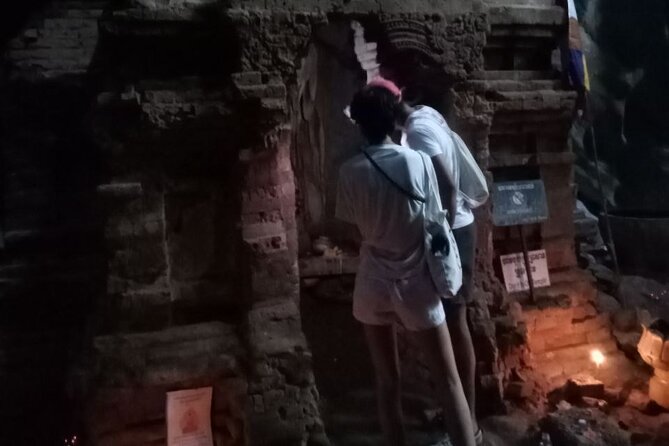
Salt fields are included, but only during the dry season. That’s the big takeaway. This matters because a day trip like this isn’t flexible once you’re on the road—your time in each stop is set.
If you’re traveling during dry-season months, you’ll be able to see the salt farming element as part of the experience. In wetter periods, that portion may not match the idea you’ve formed from the tour name.
If your main goal is the salt fields, treat timing like a priority. Check your travel dates against the dry-season window before you book. Otherwise, you might end up seeing less of what you came for.
Kep crab market and beach photo moment: seafood culture with bargaining
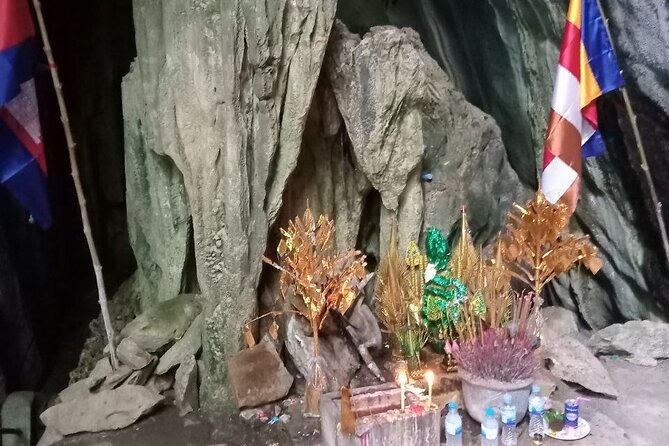
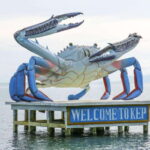
The final stretch takes you to Kep Beach for a quick photo stop, then on to the Kep Crab Market. The market visit is about 1 hour, and it’s designed to show you how seafood culture works here—especially the connection between fishermen and buyers.
What makes this stop feel real is the direct viewing: you can watch fishermen bring in the catch. Then you’ll have time to browse and bargain with vendors if you want to negotiate for the best price. That part is worth mentioning because it changes how you experience the market: it’s not only about looking, it’s about interacting.
One practical point: the tour includes the market entrance, but it doesn’t include meals. So your seafood choice—if you buy any—will be an extra cost. I’d go in with a rough budget and carry cash, since markets often run more smoothly that way.
Transportation comfort and group size: small details that matter on an 8–10 hour day
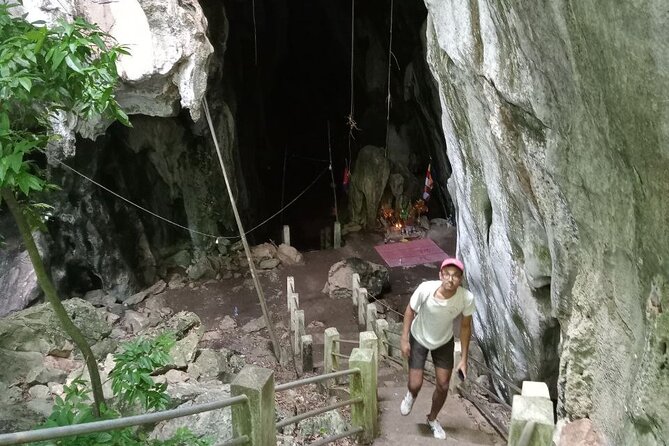
A long day lives or dies by the car ride. This tour uses an air-conditioned vehicle, and it’s described as spacious and comfortable. The group size is capped at 12, which helps keep the day from turning chaotic.
The driver is English-speaking, which is useful on a route with multiple short stops. In particular, the driver’s role isn’t just transport—he helps make timing work and keeps the day feeling safe and controlled. One added kindness: bottled water is provided, and that simple detail becomes a big deal when you’re out for hours in warmer weather.
Also note that the day can run a bit longer than the shortest estimate. The tour time is listed as 8 to 10 hours, so I’d plan a light evening afterward and avoid booking anything tight back in Phnom Penh.
Price and value: does $89 make sense for what you get?
At $89 per person, you’re paying for a full-day route that includes more than just “drive and photos.” The value comes from four things working together:
First, it covers a long-distance day trip—Phnom Penh to Kampot is about 160km one way—with pickup and drop-off options. Second, it includes entrance fees for the listed stops and bottled water. Third, the pepper farm includes a guide on-site, which is a real added layer compared with tours that only provide a driver.
Meals are not included, and seafood from the crab market will be extra if you buy. So if you arrive hungry, you’ll spend more than you expect. But if you snack lightly and then choose one meal at the market (or simply browse), $89 can feel like fair value for the number of stops and the guide time at La Plantation.
Who should book this Phnom Penh–Kampot–Kep trip?
This tour is a strong fit if you want an organized, one-day introduction to southern Cambodia without juggling multiple tickets or drivers. It’s also a good choice if you care about food culture and want the pepper farm and crab market to be central parts of the day, not side quests.
You’ll likely enjoy it most if:
- you like hands-on learning at a farm or production site
- you want a small group day with a comfortable vehicle
- you’re okay with a full schedule and some travel time off paved roads
It may be less ideal if:
- salt fields are your top priority and you’re traveling outside the dry season
- you dislike any stop with heavy historical context (the Secret Lake area includes Khmer Rouge-era history)
Should you book this tour?
I’d book it if you want a structured day that mixes countryside, food, and coast—without the hassle of planning each stop. The pepper farm portion is the kind of stop that turns a scenic day into something you can talk about later, and the crab market gives you a genuinely Cambodian way to end the trip.
But before you pay, check your travel dates against the dry season if you want the salt fields to be part of your experience. If you’re outside that window, the rest of the day still has plenty to enjoy, yet the itinerary’s signature salt moment may not fully land.
FAQ
FAQ
What time does the tour start?
The start time is 7:30am.
Where will I be picked up?
Pickup is offered from Phnom Penh City hotels.
Where do I get dropped off?
You can be dropped back at your hotel in Phnom Penh City, or the driver can drop you off at your hotel in Kampot or Kep if you stay there.
How long is the tour?
It runs about 8 to 10 hours.
Is there an English-speaking guide?
You’ll have an English-speaking driver, and there is a guide at Pepper Farm only (English or French speaking).
Is the pepper farm visit included in the price?
Yes. Entrance fees and the Pepper Farm admission are included.
Are meals included?
No. Meals are not included.
Are the salt fields always part of the tour?
No. Salt fields are available only during the dry season.
Is bottled water included?
Yes. Bottled water is included.
Can I get a refund if I cancel?
No. This experience is non-refundable and cannot be changed once booked.
More Tour Reviews in Phnom Penh

More Kampot, Kep & Coastal Day Trips in Phnom Penh
More Phnom Penh Markets & Morning Tours in Phnom Penh

Keep browsing: more Phnom Penh tours and day trips our team has reviewed








Phnom Penh Markets & Morning Tours, compared.
 ★ 5.0Phnom Penh’s Morning Market and Street Art Tour by Tuk tukFrom $45128 reviews
 ★ 5.0Phnom Penh Morning Market & Food Tour by Tuktuk – Includes All Food & Drinks!From $4599 reviews
 ★ 5.03 Hour Morning Market and Art TourFrom $4545 reviews
 ★ 5.0Phnom Penh Local Market & Morning Food Tour Include DrinksFrom $499 reviews
 ★ 4.5Private Half-Day Tour of Phnom Penh’s Traditional MarketsFrom $648 reviews
 ★ 5.0Morning Market & Guided Breakfast Tour by TuktukFrom $497 reviews
 ★ 5.0Phnom Penh Morning Breakfast, Market and Art Tour by TuktukFrom $354 reviews
 ★ 5.0Phnom Phnom: Local Market & Culture Walking of City TourFrom $193 reviews
Browse the lists this tour appears in