
Reviewed · SILK ISLAND & KOH DACH TOURS
Phnom Penh to Silk Island By Tuk-Tuk with local Expert
Silk and tofu skin beat the usual city day. I love the tuk-tuk-and-ferry change of scenery to Silk Island, and I especially enjoy how guides like Lee (and Kim) turn each stop into clear, practical stories.
You’ll also get a hands-on look at tofu skin production and traditional silk weaving with family-run makers. One consideration: the tour moves in about 4–4.5 hours, so if you’re hoping for a slow, sit-down lecture, you may feel a bit rushed in quieter moments.
In This Review
- Key Points You Should Care About
- Why This Phnom Penh to Silk Island Tour Feels Worth It
- The Morning Flow: Tuk-Tuk Pickup, Quick Stops, Then Ferry Time
- Phnom Penh Temple Stop: Buddhism Explained in Plain, On-the-Ground Terms
- Koh Oknha Tei Market: The Fastest Way to Understand Local Daily Life
- Secondary School Stop: A Look at Education Away from the City Center
- Silk Island: Generations of Weaving, Plus Time to Ask Real Questions
- The Dried Tofu Skin Business: Craft That’s Almost Hungry for Patience
- Akreiy Ksatr Village Pass-By: Seeing the Countryside Without Overpromising
- Price and Logistics: Is $29 Good Value?
- What to Expect in Real Life: Pace, Weather, and Group Comfort
- Who Should Book This Tour (and Who Might Skip It)
- Should You Book This Phnom Penh to Silk Island Tuk-Tuk Tour?
- FAQ
- How long is the Phnom Penh to Silk Island tour?
- What time will I be back in Phnom Penh?
- What’s included in the price?
- Is the ferry included?
- What sites do we visit?
- Do you provide an English-speaking guide?
- Does the tour run in bad weather?
- Is hotel pickup included?
- Is the tour suitable for pregnant women?
- What should I budget for beyond the tour price?
Key Points You Should Care About

- Tuk-tuk + ferry right from Phnom Penh, so the countryside starts early
- Silk weaving workshop with generational know-how, plus time to ask questions
- Dried tofu skin craft at a family-run business that focuses on real production, not demos
- Buddhist temple visit that explains customs you’ll actually notice in Cambodia
- Koh Oknha Tei market and school stop for everyday Phnom Penh–to–countryside context
- Fresh snacks and water included, and plenty of chances to pause and refuel
Why This Phnom Penh to Silk Island Tour Feels Worth It
This is the kind of half-day trip that makes Phnom Penh feel bigger than its riverfront photos. You start in town, then trade traffic noise for ferry crossings, village paths, and small-scale work that keeps local families going.
For me, the best part is the mix: craft (silk and dried tofu skin) paired with human-scale daily life (market, school, and village stops). You end up with more than souvenirs—you get a clearer picture of how people live just outside the city.
A few more Phnom Penh tours and day trips our team keeps coming back to


The Morning Flow: Tuk-Tuk Pickup, Quick Stops, Then Ferry Time
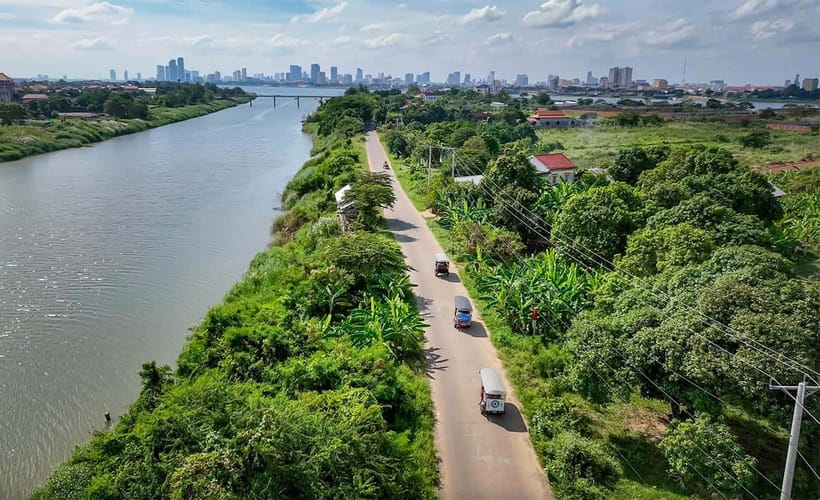
Your day starts with hotel pickup and drop-off in Phnom Penh (Siem Reap shop area is referenced for pickup logistics). You’ll ride out of the city by tuk-tuk, then transition to the ferry for the island route. The whole tour typically lands you back in Phnom Penh around 12:30 pm.
The route includes short photo-and-walk moments along the way, which sounds minor until you realize it’s how you get your bearings fast. Guides such as Lee, Kim, Sok, Sum, and Tintin are repeatedly praised for keeping the pace comfortable while still packing in meaningful stops.
Practical note: this runs rain or shine, so plan for wet roads and bring something that can handle splashes.
Phnom Penh Temple Stop: Buddhism Explained in Plain, On-the-Ground Terms
One of the early highlights is a Buddhist temple visit in Phnom Penh, where your guide helps you understand what you’re seeing. You’ll spend time inside the temple area, with a guided explanation of customs and religious meaning tied to Khmer daily life.
What I like about this stop is how it connects symbols to behavior. Instead of treating Buddhism like a museum label, you learn what practices look like in real settings—things you can later recognize in other parts of Cambodia.
If you like asking questions, this is the moment to do it. The guides often answer with examples tied to local culture, not vague definitions.
Koh Oknha Tei Market: The Fastest Way to Understand Local Daily Life
Next you’ll head to Koh Oknha Tei Market for a guided look and sightseeing time. Markets are where you see the “why” behind a lot of other stops—what people buy, how they move, and what’s valued week to week.
This is also a smart way to break up the morning. You get a grounded, sensory stop before the more focused craft visits, and it helps the rest of the day click into place.
One small tip: bring small bills for personal expenses. The tour includes water and snack, but market items and optional purchases are on you.
Secondary School Stop: A Look at Education Away from the City Center
The tour includes a stop at Koh Oknha Tei Secondary School, with photo time and a guided walk. Even with a limited time window, a school visit can change how you see “countryside life” because education is a direct window into future opportunities.
I also think school stops work well because your guide can connect the scene to broader cultural context—what schooling looks like locally and how communities organize themselves beyond the obvious tourist route.
If the school is closed (this can happen on certain days), your guide may swap in a related activity. The goal stays the same: show everyday life around Phnom Penh, not just perfect timing.
A few more Phnom Penh tours and day trips our team keeps coming back to



Silk Island: Generations of Weaving, Plus Time to Ask Real Questions
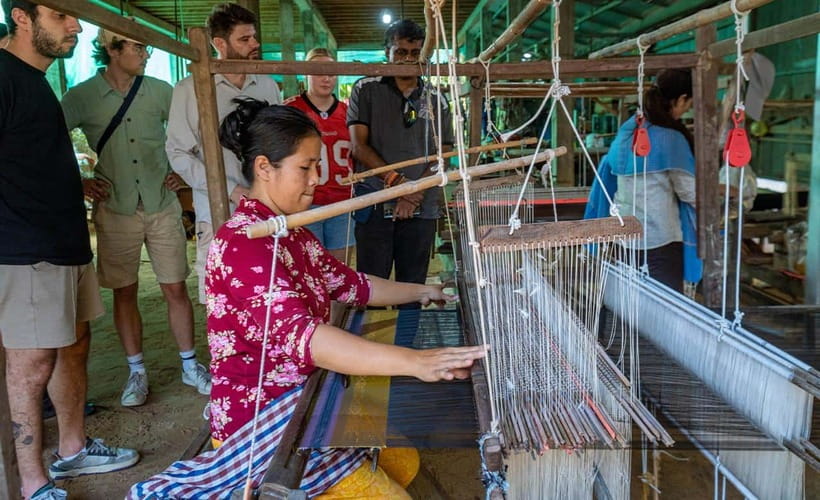
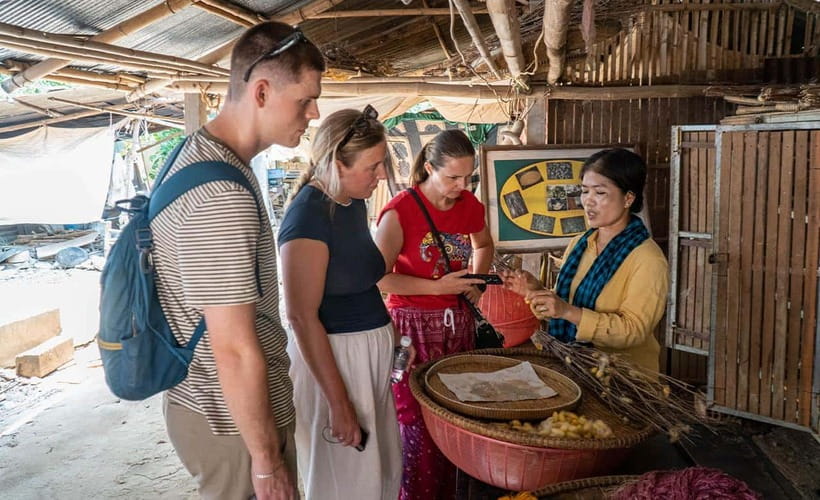
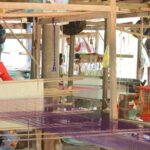
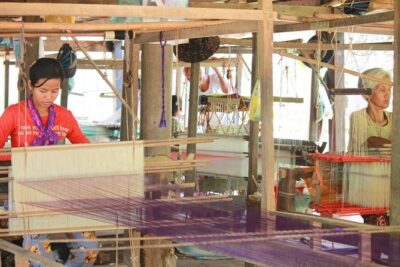
Now for the star of the show: Silk Island. You’ll get break time and a guided visit, with sightseeing included for about an hour. This is where you learn about the processing and weaving tradition, passed down through generations.
What stands out here is the tone of the visit. The best guides (and they seem to vary by group) don’t just point at tools; they explain how the craft fits into family work—how skills are learned, how silk is graded, and how the weaving process connects to daily routines.
In several accounts, visitors specifically called out a family-run silk operation and the chance to see the production steps up close. Depending on the moment and who’s working that day, the setup can feel very hands-on: spinning and weaving processes get attention, and you may see silkworm-related steps as part of the production story.
If you’re a visual learner, this is one of the best stops on the day.
The Dried Tofu Skin Business: Craft That’s Almost Hungry for Patience
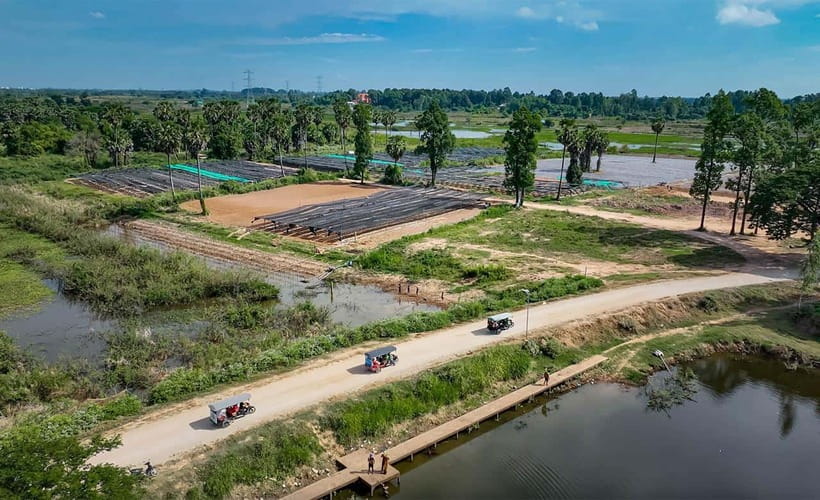
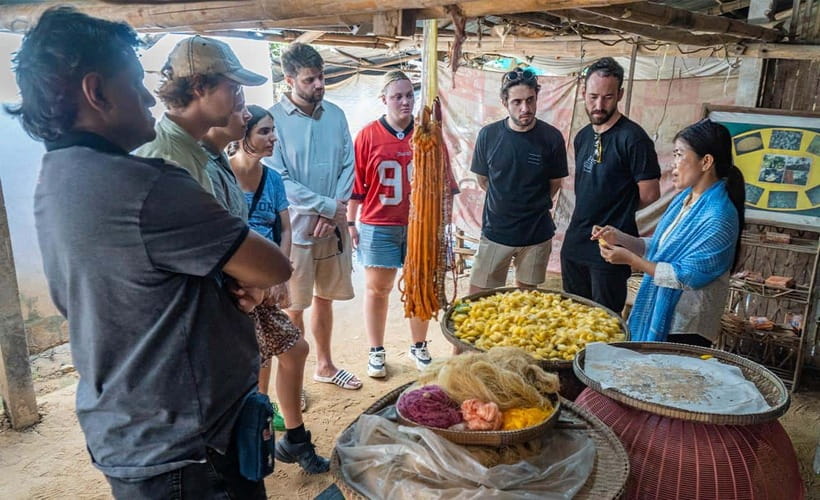
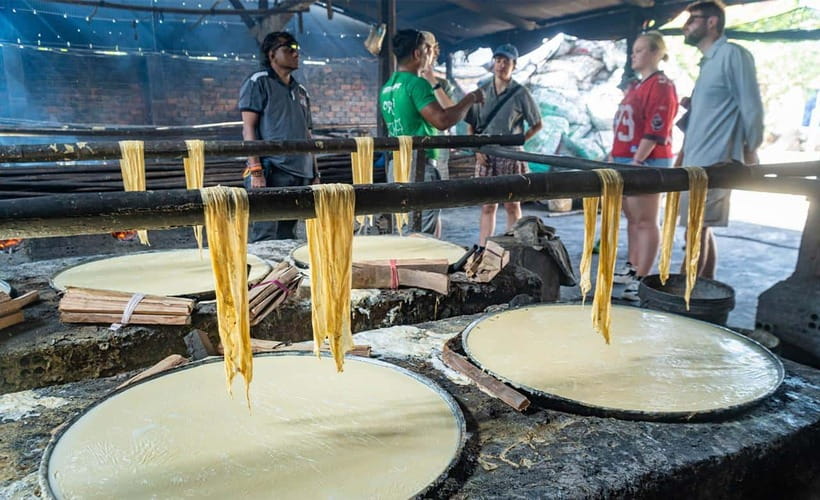
Silk gets the spotlight, but dried tofu skin craft is the practical surprise that many people remember. The tour includes a family-run business specializing in producing dried tofu skin, and it’s set up for guided learning rather than fast photo stops.
Here’s why this is such good value for your time: tofu skin production is work-intensive and time-based. When your guide explains the steps—turning raw input into preserved sheets—you start to understand why food and craft are so tied to daily planning in rural Cambodia.
You’ll often be able to watch production closely and ask questions about how the business works. Some families keep things calm and quiet, which can be a blessing for the atmosphere but a challenge if you’re trying to catch every detail. If the artisan’s voice is soft, don’t guess—just ask your guide to translate or summarize.
Akreiy Ksatr Village Pass-By: Seeing the Countryside Without Overpromising
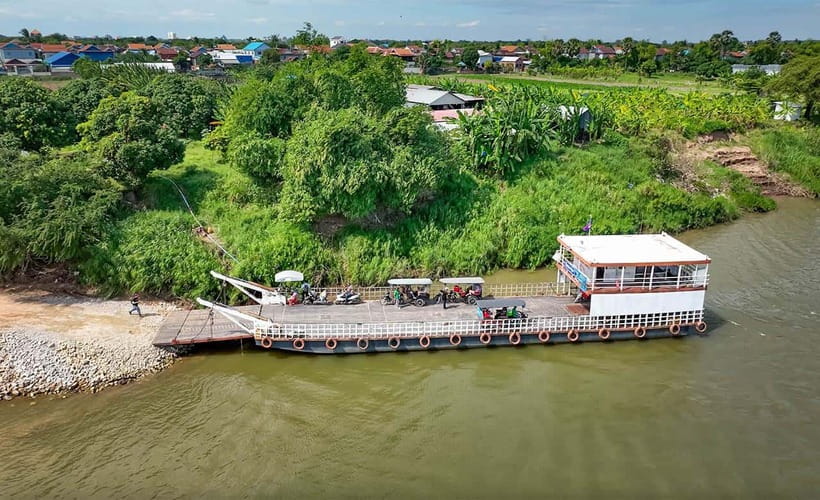
The tour includes Akreiy Ksatr Village as a guided stop with a pass-by component. You may not spend hours inside a specific site here, but that’s the point. The day is designed to show you more than just one attraction—so you get a sense of how villages sit in the broader rural area around Phnom Penh.
Think of this as the connective tissue between the market, the craft work, and the views from the route. It helps you leave with a more complete picture of the region instead of one isolated “factory visit.”
Price and Logistics: Is $29 Good Value?
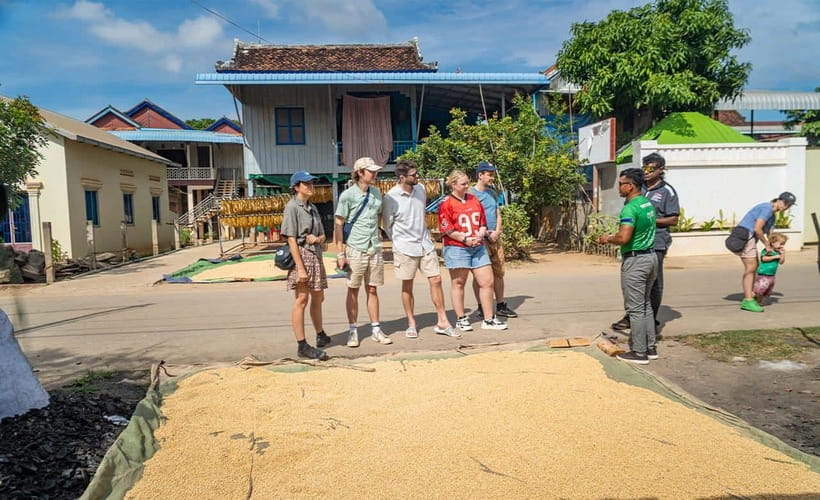
At $29 per person for a 4 to 4.5 hour tour, this is strong value when you factor in what’s included. You’re not just paying for a guide. You’re also getting:
- Hotel pickup and drop-off
- Tuk-tuk transportation
- Ferry trip
- Entrance fees
- Water and snack
- An English-speaking guide (when selected)
For a short morning, the ferry and transport alone can eat up time and hassle if you tried to piece it together yourself. The guide also matters here, because silk and tofu skin are the kind of crafts that make sense only when someone explains what you’re looking at.
The only “cost” you should plan for is personal spending. Markets and craft-related shopping can pull you in, and you’ll also want to buy extra water or fruit if you’re the type who snacks a lot during tours.
What to Expect in Real Life: Pace, Weather, and Group Comfort
This is a rain-or-shine tour, so your comfort depends on clothing choices more than luck. Wear something you don’t mind getting dusty, and bring a light rain layer. Closed-toe shoes help for walking around villages and temple grounds.
The pace is active but not marathon. In many accounts, guides keep things relaxed enough for questions and conversation, and the schedule gives you time at each stop rather than sprinting from one landmark to the next.
If you’re traveling with older family members or anyone who needs a bit of extra patience, you can still find this workable because the stops include seating breaks like snacks and water, plus short photo and walk segments rather than long hikes.
This tour is not suitable for pregnant women, based on the activity guidance provided.
Who Should Book This Tour (and Who Might Skip It)
You should book this if you want:
- A real countryside taste outside Phnom Penh, without committing to a full day
- Cultural context, not just pictures
- Craft-focused visits to silk weaving and dried tofu skin production
- A guide-led day with English explanations and time to ask questions
You might skip it if you want:
- A slow, deep museum-style experience with long stays at one site
- A fully customizable itinerary with lots of downtime
- A guarantee that every workshop moment will feel quiet and lecture-like (some artisans speak softly, depending on the day)
Should You Book This Phnom Penh to Silk Island Tuk-Tuk Tour?
If you’re in Phnom Penh for a short stay and want one morning that teaches you something real, I’d book it. The combination of temple context, market life, and family-run silk + tofu skin craft is exactly the kind of value-focused trip that makes Cambodia feel specific and human.
Just go in with the right mindset: this is an active half-day. Bring curiosity, ask questions early, and don’t wait until the end to get clarification—your guide is at their best when you’re engaged throughout the route.
FAQ
How long is the Phnom Penh to Silk Island tour?
The tour runs about 4 to 4.5 hours.
What time will I be back in Phnom Penh?
You should expect to return around 12:30 pm.
What’s included in the price?
Hotel pickup and drop-off, an English-speaking guide if that option is selected, tuk-tuk transportation, entrance fees, the ferry trip, and water and a snack.
Is the ferry included?
Yes. You’ll board a ferry after leaving Phnom Penh by tuk-tuk.
What sites do we visit?
You’ll visit a Buddhist temple area, Koh Oknha Tei Market, Koh Oknha Tei Secondary School, Silk Island, and a pass-by stop at Akreiy Ksatr Village.
Do you provide an English-speaking guide?
Yes, an English guide is included if you select the option with a guide.
Does the tour run in bad weather?
Yes. The tour takes place rain or shine.
Is hotel pickup included?
Hotel pickup and drop-off are included. If pickup is selected, you wait in the hotel lobby about 10 minutes before the scheduled time.
Is the tour suitable for pregnant women?
No, it is not suitable for pregnant women.
What should I budget for beyond the tour price?
The tour does not include personal expenses, so you should plan for extra purchases or snacks you want beyond what’s provided.
More Tour Reviews in Phnom Penh


More Phnom Penh Tuk-Tuk Tours in Phnom Penh

More Silk Island & Koh Dach Tours in Phnom Penh


Keep browsing: more Phnom Penh tours and day trips our team has reviewed









Silk Island & Koh Dach Tours, compared.
 ★ 5.0Phnom Penh Silk Island Bike Tour/ E-Bike or Tuk TukFrom $35495 reviews
 ★ 4.8City & Silk Island Full or Half Day TourFrom $30345 reviews
 ★ 4.9Silk Islands Half-Day Bike TourFrom $39315 reviews
 ★ 5.0Silk Island Cycling Adventure & lunch with localsFrom $45246 reviews
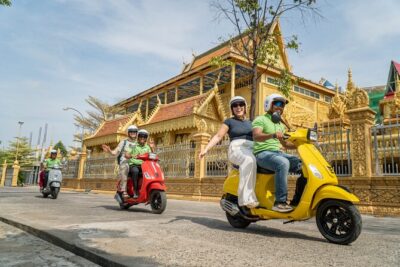 ★ 5.0Phnom Penh Silk Island Vespa Tour / Tuk Tuk AvailableFrom $29102 reviews
 ★ 4.5Mekong Silk Island Cruise – Unlimited Beer, Soft Drinks & Fresh Fruit PlatterFrom $3595 reviews
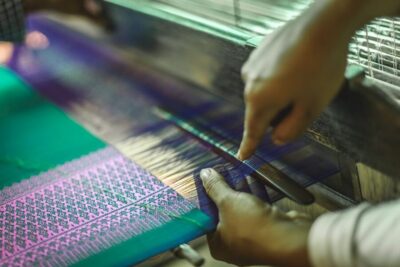 ★ 4.9Mekong Islands & Silk Islands Guided Bike TourFrom $6548 reviews
 ★ 4.7From Phnom Penh: Half-Day Silk Island Tour with GuideFrom $4844 reviews
Browse the lists this tour appears in