Reviewed · PHNOM PENH
Discover the Tastes Temples and Tales of Authentic Cambodia
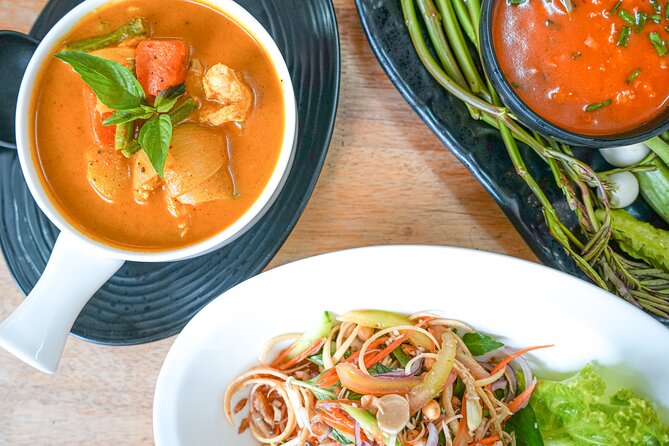
Seven days of tasting Cambodia, then temple sunrise. This all-in-one trip links Phnom Penh street food culture with big temple days in Siem Reap, using expert local guides so you’re not just eating, you’re understanding what’s on the plate.
I love the built-in food structure: in Phnom Penh you roll out by tuktuk for a guided crawl through four safe-to-eat stops, complete with cold beer and tastings that explain what you’re actually tasting. I also love the local-meets-history pacing, where the trip pairs meals with the harder parts of Cambodia’s past, including Tuol Sleng (S21), then later brings you to an everyday lunch with a family living inside the ruin area of Siem Reap.
One consideration: the schedule is full, with some active pieces (bike or tuktuk exploring in Battambang, plus a hike for the Battambang Bat Caves) and an early-morning Angkor Wat sunrise. If you want lots of free time and slow mornings, you may find the pace intense.
In This Review
- Key highlights
- How this food tour connects Phnom Penh, Battambang, and Angkor Wat
- Day 1 in Phnom Penh: tuktuks, safe-to-eat stops, and a big first dinner
- Day 2: Russian Market, Tuol Sleng S21, and a Tonlé-based happy hour cruise
- The morning crawl at Toul Tompong Market
- Tuol Sleng (S21): history you can’t skip
- Riverside park and a private boat happy hour
- Day 3 into Battambang: countryside time and the feeling of getting away
- Day 4 in Battambang: bikes or tuktuks, Bat Caves, and a river dinner
- Rural exploring by bike (or tuktuk)
- Battambang Bat Caves: a short hike with big timing
- Dinner along the Sangkae River
- Day 5: Battambang art streets, Chef Nary’s cooking class, and Phare Circus
- Artist-led street art
- Market shopping and a four-dish cooking class
- Fish amok and coconut desserts make good souvenirs
- Phare, The Cambodian Circus: the creative reset
- Day 6: Bayon and Ta Prohm, plus lunch with a family in the ruins
- Bayon Temple: faces and scale
- Ta Prohm: tree-entwined ruins
- Lunch inside the ruin area
- Day 7: Angkor Wat sunrise, then happy hour and a multi-course goodbye
- Price and value: what $1,700 really buys you here
- Practical expectations: pace, group size, and what to pack
- Should you book this Cambodia food-and-temple trip?
- FAQ
- What is the duration of the trip?
- Where do you start and where do you end?
- Are meals included?
- What’s included in the price besides meals?
- Is this a no-shop tour?
- Do you visit Angkor Wat at sunrise?
- What happens if I need to cancel?
Key highlights
- Food-forward route from Phnom Penh to Battambang, then on to Siem Reap and Angkor Wat
- Small group size (max 10) with English-speaking Lost Plate leadership and local specialists
- Real-life eating moments, including a market-driven cooking class with Chef Nary
- History with context through Tuol Sleng (S21) and multiple major Angkor sites
- Included comfort, like a private VIP van with mineral water and in-town boat time on day two
How this food tour connects Phnom Penh, Battambang, and Angkor Wat
Cambodia can be a lot of things at once: capital-city energy, quiet countryside roads, and world-famous temple ruins that still feel strange in the best way. What I like about this trip is that it doesn’t treat food as a side quest. It’s the thread that ties the whole journey together.
You start in Phnom Penh, then you work your way west through rice-growing areas around Battambang, and finally you close in Siem Reap with the temples everyone dreams about—especially Angkor Wat at sunrise. The result is a route that helps you see how ingredients, farming, fishing, and family recipes connect to daily life.
Also, the “all-inclusive” part matters. Entrance tickets, most meals, and inter-city transport are handled. That means you’re spending your energy on the places and people, not on planning. And it’s run as a no-shop tour, so you’re less likely to end up in a factory showroom dressed up as cultural time.
Chasing a different plan? Here are a few more Phnom Penh tours and experiences to consider.
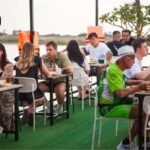
Day 1 in Phnom Penh: tuktuks, safe-to-eat stops, and a big first dinner
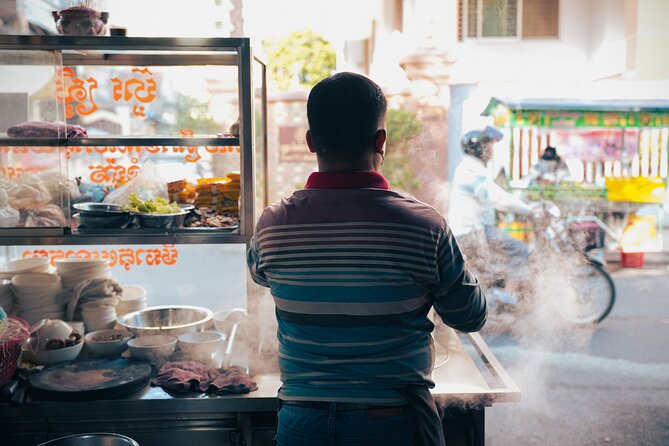
Your Phnom Penh day begins with introductions, then it’s straight into motion—tuktuks, guide explanations, and a focused food crawl. The format is simple: you visit four safe-to-eat restaurants, and you get tastings designed to show you how Khmer cooking balances herbs, aromatics, and rich sauces.
What’s smart here is that this isn’t random eating. You’re guided to places where the food is dependable, which matters in a country where you might want to take local advice seriously. The cold beer detail also tells you the vibe: you’re not just “touring,” you’re socializing and eating.
You finish with a huge local dinner spread, giving you a full first taste of the country’s flavors before the trip turns toward the heavier history the next day. If you’re the kind of traveler who gets hungry fast after a long travel day, this day structure is helpful.
Day 2: Russian Market, Tuol Sleng S21, and a Tonlé-based happy hour cruise
Day two is where the trip earns its “tastes temples and tales” name—because it’s not only about what’s good to eat. It’s about what the food world sits on top of.
The morning crawl at Toul Tompong Market
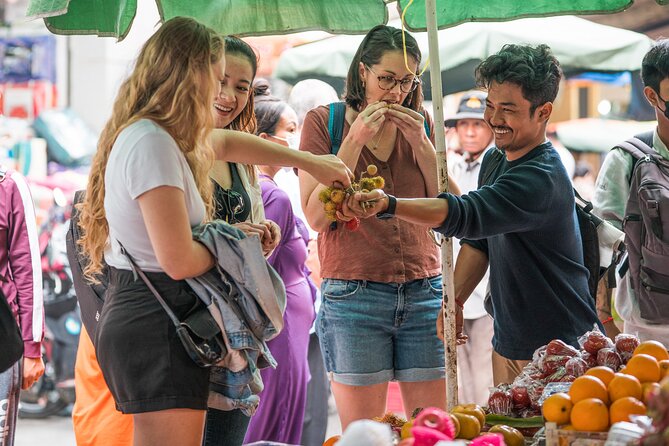
You start at Toul Tompong Market, often called the Russian Market. This isn’t just a walk for photos. You’ll try a local breakfast-style set that includes noodle soup and Khmer coffee, plus savory turmeric crepes. The goal is to show you how everyday breakfasts get built—from staples like noodles to regional flavor habits like turmeric.
Tuol Sleng (S21): history you can’t skip
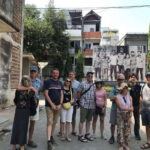
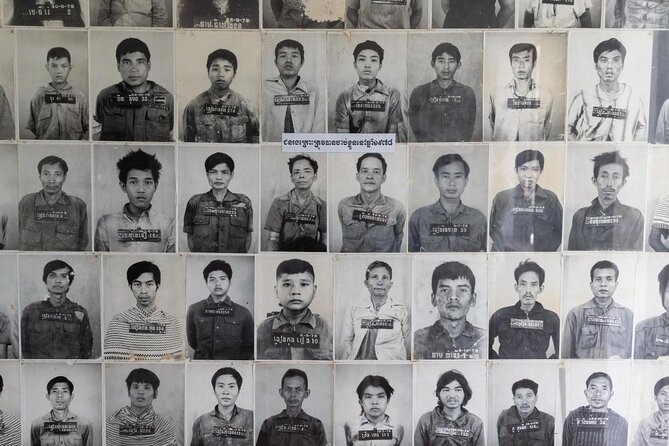
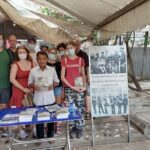
Then you head to Tuol Sleng Genocide Museum, the S21 Museum. This is essential for understanding Cambodia’s modern life, and it changes how you process everything you’ll see after. Even if you’re mostly here for food and temples, this stop gives the trip context.
The museum time is about two hours, which is long enough to absorb the major story points without turning it into a blur. If you go in tired, plan to slow down and give yourself a moment after, because this site can be emotionally heavy.
Riverside park and a private boat happy hour
In the afternoon you shift gears with a private boat ride and happy hour time at Sisowath Riverside Park. Phnom Penh sits where rivers meet and feed the food culture, and the trip emphasizes that freshwater fish is a cornerstone ingredient.
It’s a good reminder that Cambodia’s cuisine isn’t only spices and sauces—it’s also water, seasons, and how communities feed themselves.
Day 3 into Battambang: countryside time and the feeling of getting away
On day three, you travel from Phnom Penh into the Battambang region. The ride itself is part of the “taste” experience, because it takes you out of big-city rhythms and into rice paddies, countryside roads, and a slower sense of space.
This day is set up less as a sightseeing marathon and more as a transition. You get time to settle into the second half of the trip, where the theme tilts more toward local life, rural food practices, and art and community.
Day 4 in Battambang: bikes or tuktuks, Bat Caves, and a river dinner
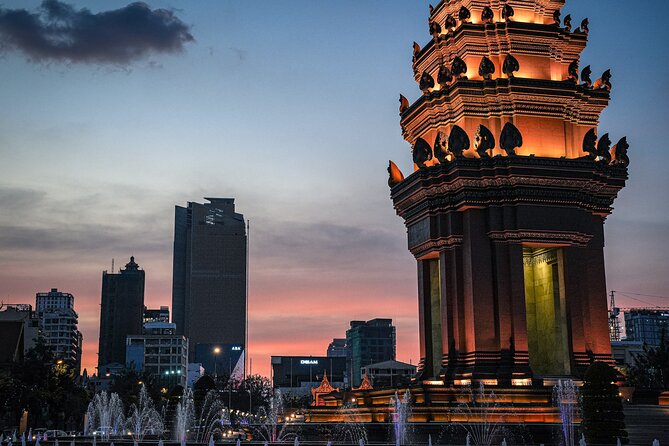
Battambang is where the trip adds texture. You’re still in the food story, but now it’s paired with small roads, villages, and a landscape you can actually move through.
Rural exploring by bike (or tuktuk)
The morning includes exploring nearby countryside. If you’re comfortable cycling, you’ll do it on bikes. If not, you can go by tuktuk. Either way, you get a hands-on look at rural roads and villages, not just a quick stop at a landmark.
This choice is valuable because it respects different fitness levels. Just remember: you’re still outside most of the day, so wear something comfortable and light.
Battambang Bat Caves: a short hike with big timing
After a rest at the hotel, you head out to the Bat Caves. The highlight is a short hike to a hillside cave entrance, where you’ll watch millions of bats emerge.
This is one of those moments where timing matters. You don’t need to be a “nature person” to enjoy it, but you should be ready for a bit of walking and being patient while you wait for the bats to come out.
Dinner along the Sangkae River
For dinner, you chill along the banks of the Sangkae River. The meal is paired with classic Khmer flavors—papaya salad made fresh-to-order, plus a spread of local dishes. It’s a calm end to an active day, and the river setting helps the dinner feel like part of the place rather than a restaurant stop.
Day 5: Battambang art streets, Chef Nary’s cooking class, and Phare Circus
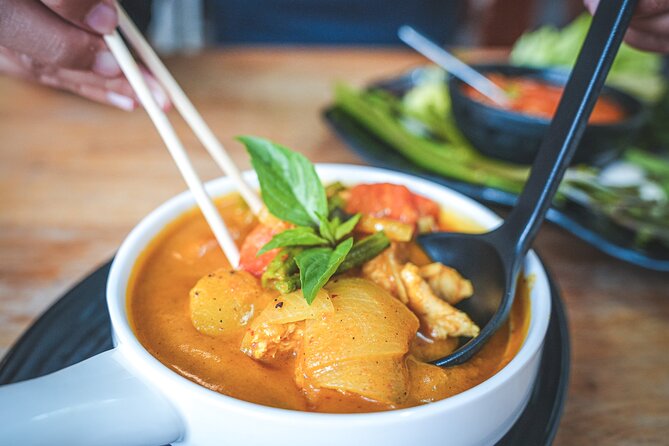
Day five keeps the balance. You get both creative local culture and hands-on food skills, plus one of the trip’s most fun diversions.
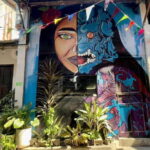
Artist-led street art
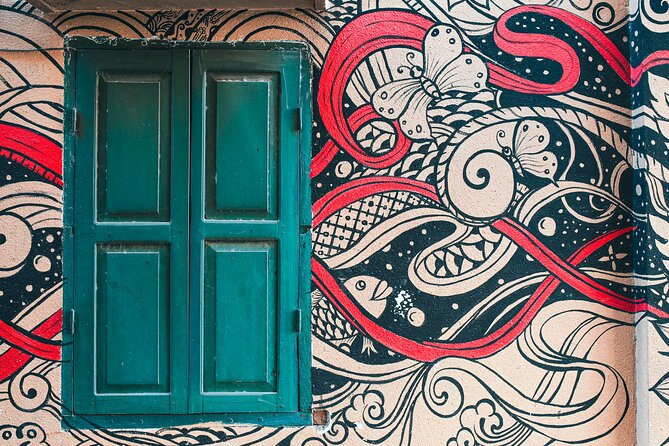
In the morning you meet a local artist and explore the street-art scene. Battambang is known for artists, and the trip connects that creative identity with the area’s darker past and how the arts are part of the present-day story.
Even if you’re not obsessed with street art, this stop makes the city feel alive in a way that ruins-only travel can’t.
Market shopping and a four-dish cooking class
Then you visit Battambang’s largest local market to shop for lunch—before the cooking class. This is where the “tastes” side gets practical. You’ll prepare four Cambodian dishes, including fish amok and a coconut milk dessert.
Chef Nary is the name tied to this experience, and that matters because it means the class isn’t a generic demonstration. You get the chance to cook, not just watch.
Fish amok and coconut desserts make good souvenirs
If you’ve ever left a cooking class thinking you’ll remember everything later—let me be blunt: you probably won’t. But cooking four dishes does two useful things. First, you notice techniques (like texture and seasoning balance). Second, it turns your food memories into something you can recreate with ingredients you’ll recognize at home.
Phare, The Cambodian Circus: the creative reset
Later, the trip heads toward Siem Reap and includes Phare, The Cambodian Circus. This is a good breather between temple-heavy days because it shifts your brain from history and food into performance and storytelling.
It’s also an easy “group bonding” moment. After days of eating and walking, it’s nice to do something where you can just sit back and let the evening unfold.
Day 6: Bayon and Ta Prohm, plus lunch with a family in the ruins
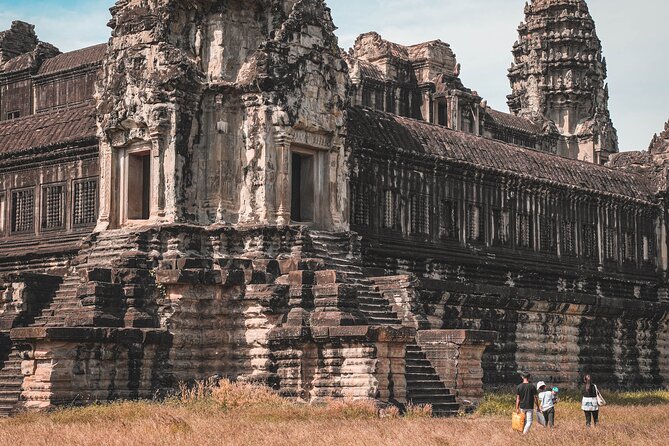
Day six is about Angkor’s complexity without rushing your understanding.
Bayon Temple: faces and scale
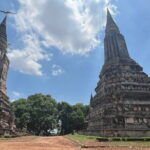
You start at Bayon Temple. Angkor isn’t one temple—it’s a huge UNESCO area of major sites and smaller ruins spread across a large region. Bayon is a strong introduction because it gives you an immediate sense of style and scale.
You’re there for about an hour. That’s enough time to take in the look and understand what makes it distinct, without turning it into an all-day hike.
Ta Prohm: tree-entwined ruins
Next is Ta Prohm, the famous tree-root temple associated with pop-culture adventure stories. The trip time here is about two hours, including walks along dirt roads and paths that lead you deeper into the ruins’ forest-like feel.
This is also where the “temples and tales” part becomes very real. Ruins aren’t just stone. They’re habitats, boundaries, and living reminders of how people and nature share space.
Lunch inside the ruin area
The standout on this day is lunch with a local family who lives in a traditional home within the ruin-laden area. You eat a homemade lunch and enjoy a fresh coconut, and you learn about life before the area became a tourism magnet.
This is the kind of meal that changes how you see temples. Instead of treating Angkor like an outdoor museum, you understand it as a backdrop for real households and everyday routines.
Day 7: Angkor Wat sunrise, then happy hour and a multi-course goodbye
Day seven is the big one: Angkor Wat at sunrise. Even if you’ve seen photos before, sunrise is different because the light changes the mood quickly. The trip gives you several hours, including the moment the three iconic pagodas start to feel like they belong to the horizon.
This day is about patience and attention. You’re not rushing through. You’re letting the site unfold—slowly, and in a way that’s hard to replicate later in the day.
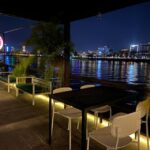
After the temple time, you end with happy hour at an outdoor barscape you like, then a multi-course dinner to close the trip.
That finale matters because your brain needs a release after a heavy, awe-filled morning. It’s also where you get to talk about everything you ate and saw, while the trip’s “story thread” clicks into place.
Price and value: what $1,700 really buys you here
At $1,700 per person, this trip isn’t a budget deal. But it is structured in a way that makes the cost easier to swallow.
Here’s why the value can feel real:
- Food and admissions are included. Entrance tickets for the itinerary sights are part of the package, plus breakfasts, lunches, and dinners are covered for most days.
- Private VIP inter-city transport means less hassle. You travel in a private van with a driver and mineral water stocked—small comforts that add up when you’re moving between cities.
- Guides are built into the experience. You get an English-speaking Lost Plate trip leader and local specialists for attractions. That matters for both history and cuisine because you’re less likely to miss the meaning behind what you’re seeing.
- No-shop style keeps your time for actual experiences. If you hate forced shopping stops, this is a big deal in terms of value. Your schedule stays on the theme.
One cost to note: government fees are listed separately at $35 per person. So the trip price is not the full out-the-door amount, but it’s still fairly clear.
If you’re comparing this to doing Cambodia independently, the biggest tradeoff is control. The biggest gain is that you don’t have to organize everything and you get a guided filter for both food safety and historical context.
Practical expectations: pace, group size, and what to pack
This tour runs with a maximum of 10 travelers, which keeps it manageable for guides to actually interact with you. That size also makes it easier to keep the day flowing without turning every stop into a waiting game.
Fitness-wise, you should have moderate ability. Cycling in Battambang is optional (tuktuk is available), but you should still plan for walking at temple sites and the short hike for the Bat Caves.
A few practical items you’ll be glad you packed:
- Comfortable walking shoes (temple stones can be uneven)
- Light layers for morning temple time
- Sun protection for outdoor parts of the route
- A flexible attitude on schedule; the trip includes multiple time-sensitive experiences like sunrise and animal viewing
Also, the trip uses mobile ticketing and includes an online pre-trip briefing and Q&A hosted by Lost Plate about one week before departure. That can help you get ready without needing to chase answers last minute.
Should you book this Cambodia food-and-temple trip?
I’d recommend booking if you want a guided, food-first way to see Cambodia’s highlights—especially if you like understanding ingredients and local cooking practices, not just sampling dishes. You’ll also appreciate the mix of serious history (Tuol Sleng) and major temples (Angkor Wat, Bayon, Ta Prohm) because the trip doesn’t treat culture as only pretty surfaces.
I might think twice if you prefer lots of free time, a slow pace, or minimal walking. This itinerary is active and structured, and the best parts come when you show up ready to go.
If your idea of a great trip is: good meals, smart guiding, and a real sense of place from Phnom Penh to Battambang to Siem Reap, this is a strong match.
FAQ
What is the duration of the trip?
It’s listed as 8 days (approx.). The itinerary covers multiple full days of activities and ends with a departure day.
Where do you start and where do you end?
The trip starts at Phnom Penh’s airport (Pochentong Airport). It ends with drop-off at Siem Reap airport (REP) included any time today on the final day.
Are meals included?
Yes. Breakfast is included for 7 days, lunch for 6 days, and dinner for 7 days.
What’s included in the price besides meals?
Tickets and entrance fees for the itinerary activities are included, along with a private inter-city VIP van and driver (with mineral water), an English-speaking Lost Plate trip leader, English-speaking local guides for each attraction, and airport pick-up/drop-off.
Is this a no-shop tour?
Yes. It’s specifically described as a no-shop tour, meaning you won’t be taken to places you feel obligated to purchase anything.
Do you visit Angkor Wat at sunrise?
Yes. Angkor Wat sunrise is included on the day dedicated to Angkor Wat.
What happens if I need to cancel?
This experience is non-refundable and cannot be changed for any reason. If it’s canceled because the minimum number of travelers isn’t met, you’ll be offered a different date/experience or a full refund.