
Reviewed · OUDONG & FORMER CAPITAL TOURS
Beyond The Oudong Temple and Birdwatching in Phnom Penh
Birding day trips in Phnom Penh can feel random—this one is timed for results. You’ll spend the morning on wetlands and river edges chasing species like Black-crowned Night-heron and Cambodian tailorbirds, then add a cultural stop at Oudong Temple on the way back. What I like most is the mix of birds plus everyday Tonle Sap life, and how the guide actively spots and identifies what you’re seeing. The main trade-off is the very early start, so you’ll want to be ready to go before the sun.
Two things that really make it work are the small group size (max 8) and the fact that your day includes real birdwatching stops plus breaks with coffee and meals. Guides such as Simon and Mr Thong have a strong bird-identification approach, including spotting by sound and using clean visual cues. The only real consideration: your birding success depends on what the morning brings, since wetland birds can be quiet on some days.
In This Review
- Key Highlights You’ll Actually Care About
- Early Start, Big Payoff: How Dawn Birding Works Around Phnom Penh
- First Wetland Stop: Countryside Water Birds Without the Crowds
- Tonle Sap Riverside Drive: Rice Fields, Communities, and Bird Corridors
- Coffee and a Real Morning Break: Turning Spotting Into Learning
- Floating Village on Tonle Sap: Culture Break That Supports the Birding
- Oudong Temple Afternoon Birding: Birds in a Historic Setting
- Price and Value: What $110 Gets You in a 7-Hour Birding Day
- Who This Tour Fits Best (And Who Might Prefer Something Else)
- Should You Book This Phnom Penh Birdwatching Day Trip?
- FAQ
- What time does the tour start?
- How long is the experience?
- Is hotel pickup and drop-off included?
- How many people are in the group?
- Is there an English-speaking birding guide?
- Do I need to bring binoculars?
- What meals and drinks are provided?
- Is free cancellation available?
Key Highlights You’ll Actually Care About
- Max 8 travelers for calmer bird spotting and less crowding at viewing spots
- Early-morning timing for herons, egrets, kingfishers, and migratory birds
- Tonle Sap floating village visit for context beyond your bird list
- English-speaking guide support with strong species ID (including call-based spotting)
- Meals and drinks included: breakfast, lunch, coffee, fruit, and purified water
- Binoculars covered, plus your own if you have them for closer looks
Early Start, Big Payoff: How Dawn Birding Works Around Phnom Penh
This tour is built around one simple idea: birds are easiest to find when the day is still new. You’ll start around 5:30 to 6:00 am, either with hotel pickup or at the meeting point near Independence Monument. From there, the plan is to reach bird-rich areas early enough to catch activity before the heat and noise build up.
The value here isn’t just that you’re going somewhere that has birds. It’s that the day is paced like a birding day should be: first light, a moving route through wetland habitats, then more chances at different sites. That’s how you go from “we saw a few birds” to a real variety list—things like kingfishers, herons, and other water birds that show up in different numbers depending on the time of day and habitat.
And because this is group-led with an English-speaking guide, you’re not stuck scanning randomly. People like Simon and Mr Thong are praised for spotting and identification. In practice, that means you’re more likely to understand what you’re looking at (and why it’s there) instead of just ticking names off on a phone.
A few more Phnom Penh tours and day trips our team keeps coming back to
First Wetland Stop: Countryside Water Birds Without the Crowds
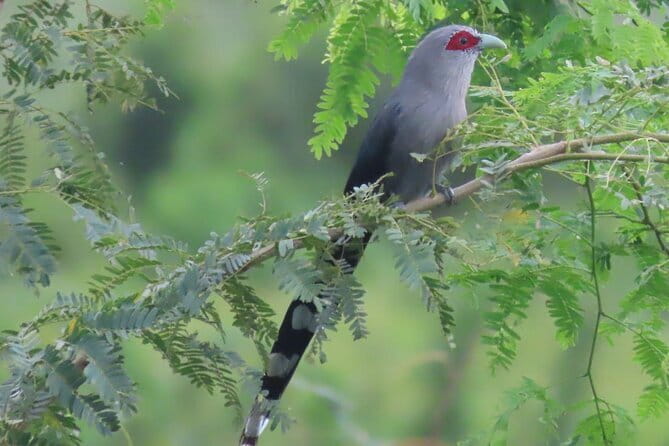
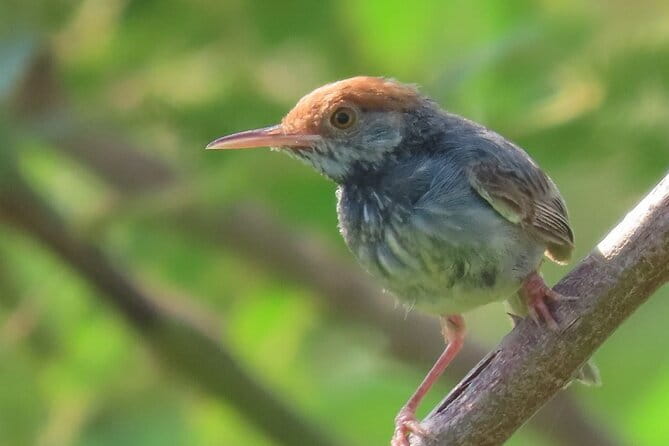
After pickup and a short drive to the first site, your morning starts in a countryside setting where water birds often feed close to open edges. You’ll look out for species that show up in wetlands and low cover—birds such as little grebe, kingfisher, and several smaller passerines and reed birds. On one route through the early habitat, the bird lineup can include little bee-eater, little egret, blue-tailed bee-eater, great cuckoo, and plaited prinia.
What makes this first stop useful is the way it sets your “bird recognition” for the day. Early on, you’re training your eyes for sizes and shapes: the way egrets move, how kingfishers pause before darting, and how different heron types stand and hunt. Once you’ve got those visual anchors, it’s easier to spot rarer-looking birds later.
A small but smart detail: you’re not asked to do the logistics yourself. Round-trip vehicle support means you can focus on watching, not navigating. The trade-off is that this is a long day—about 7 hours—so plan to stay mentally present from start to finish.
Tonle Sap Riverside Drive: Rice Fields, Communities, and Bird Corridors
The next phase shifts you to the Tonle Sap Riverside route. This is more than a scenic drive. You’re traveling through rice fields and passing communities, including the Muslim community along the river corridor, and you’re positioning yourself where birds use the open water and edges.
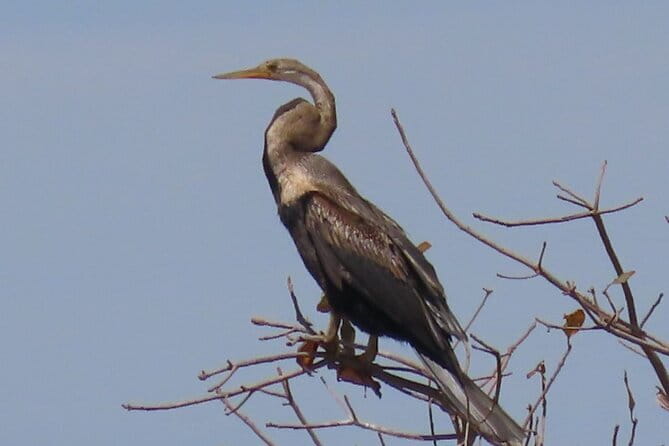
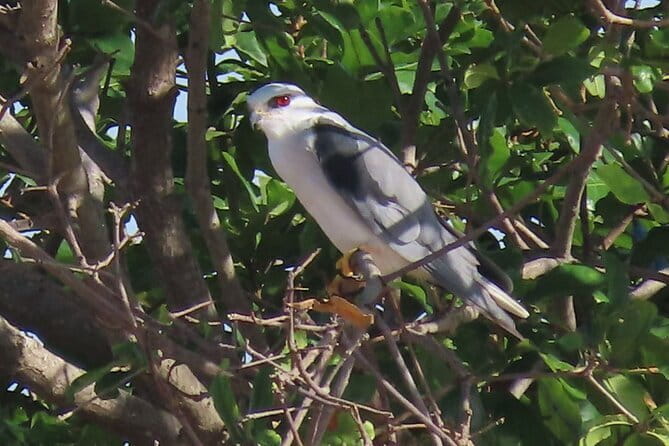
When the habitat is right, you can get a mix of raptors and colorfully patterned birds. At one observation site along this stretch, the guide targets species such as yellow bittern, black-winged kites, sunbirds, Indian roller, and oriental darter. You may also see Asian yellow weaver, plus other birds that feed in areas between open ground and water.
This part of the day is valuable because it teaches you how birds move through human-shaped landscapes. Rice fields aren’t just scenery. They can act like feeding or resting zones. If you’ve ever wondered why some bird locations work better than others, this drive route helps you connect the dots without turning it into a lecture.
Also, the river region can throw up different bird behaviors across the morning. So even if you had a great first stop, this segment gives you fresh chances as the day changes.
Coffee and a Real Morning Break: Turning Spotting Into Learning

Some birding trips shove you along with no time to breathe. This one builds in a pause. You’ll have a morning coffee and fruit break while overlooking grass fields, which is exactly what you want when you’re watching for alert, fast-moving birds.
This is also a time when guides can do the most helpful kind of explaining: how to tell similar birds apart. In the better sightings you might hear about or see during that session, the highlights can include black-crowned night heron, Mayan pond heron, little egret, and great egret. You may also catch pied kingfisher and common kingfisher, plus Cambodian tailorbirds, common greenshank, black-winged stilt, and grey heron.
If you’re new to birding, this is where the tour feels like it pays off. You’re not just seeing birds. You’re seeing repeated categories in a short window: egrets as white-and-gray standers, herons as slower hunters, and kingfishers as quick dart-and-pause machines.
If you’re more experienced, you’ll still benefit from the guide’s focus. Mr Thong and Simon are both highlighted for spotting skills, and Mr Thong in particular is noted for identification by both singing and visual clues. That’s the practical difference between a guide who points and a guide who helps you correctly ID what’s in front of you.
Floating Village on Tonle Sap: Culture Break That Supports the Birding
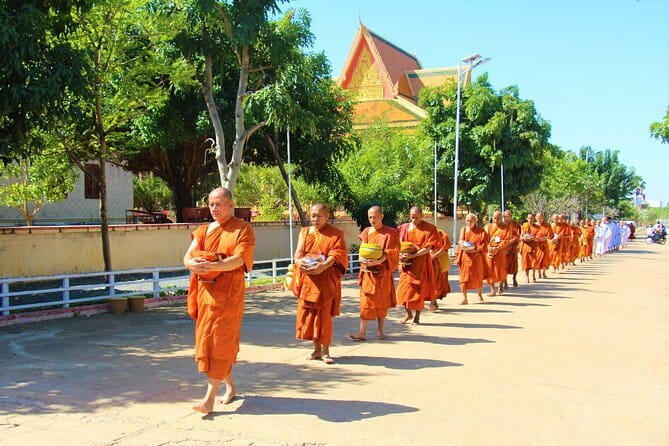
Once the morning birding is done, the day adds a human layer: you’ll explore a floating village on the Tonle Sap River, then continue toward lunch. This segment is important because it keeps your day from becoming only a “bird list chase.”
Tonle Sap life is tied to the water—how people live, move, and build around changing river conditions. While you’re there, you’re not only switching gears from binoculars to curiosity. You’re also seeing the kind of water-and-edge environment birds depend on. That context helps you understand the whole system you’ve been observing all morning.
Then lunch comes after you’ve taken in the village experience. The tour includes lunch, so you’re not forced to scramble for food while birds are calling or shifting in the distance. That matters on long early starts; it keeps your energy steady enough for the afternoon portion.
If you prefer experiences where nature and daily life connect logically, this is the sweet spot. If you only want birding and nothing else, you’ll still find this stop useful, because it’s short enough to keep the day moving.



Oudong Temple Afternoon Birding: Birds in a Historic Setting
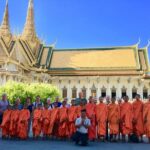
Toward the afternoon, you shift to Oudong Temple for more birdwatching, plus a chance to learn about the history of the old capital city. This is where the tour feels different from a straight wetland circuit. You’re in a landmark setting, and birds can often use temple-adjacent areas and surrounding terrain as perching and hunting zones.
In practical terms, it’s a good wind-down. The morning is the longest stretch of active scanning, while the afternoon gives you a chance to slow down and focus on calmer observations. It’s also a nice payoff if your morning bird count includes more small and fast birds. At Oudong, your attention can shift to how birds perch, call, and move between open spaces and sheltered edges around the temple area.
The history piece matters, too. Knowing that Oudong was the old capital city adds meaning to the visit. It doesn’t turn the day into a museum stop. It’s more like a context layer that makes the scenery feel anchored instead of random.
Price and Value: What $110 Gets You in a 7-Hour Birding Day

At $110 per person, the best way to judge this tour is by what’s bundled into the day. You’re paying for more than transport. Included are round-trip vehicle support, an English-speaking birding guide, purified drinking water, refreshment fruit, morning coffee and breakfast, and lunch. The tour also includes binoculars, with a note that you should bring your own if you have them.
You’re also not doing this in a huge crowd. With a maximum of 8 travelers, you typically get better sightlines and fewer bottlenecks at viewing points. That small-group factor is a real part of the value, especially for birding, where people’s heads and movement can matter.
There are also practical pricing signals: it’s commonly booked about 13 days in advance on average, and mobile tickets are used. If you’re traveling on a flexible schedule, I’d still treat this as something to reserve ahead, because small groups fill.
Overall, this is good value if you want a guided day with meals and a route that hits multiple bird habitats. If you already know Phnom Penh’s birding spots and prefer total self-guiding, you might pay extra for the structure. But for most people, the guide-led spotting and the included food make it feel like a fair deal.
Who This Tour Fits Best (And Who Might Prefer Something Else)
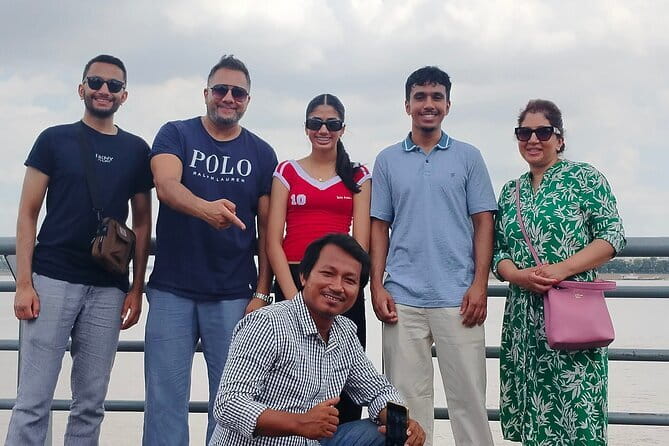
This tour is ideal if you want three things in one package: early birdwatching, a meaningful nature-and-culture stop, and guided identification support. It fits well for beginners who don’t want to guess which birds are worth looking for. It also works for intermediate birders who want a local guide to help with correct ID, including using calls.
It’s also a strong option if you’re staying in Phnom Penh and want a day that doesn’t require planning complicated routes. Hotel pickup and vehicle support remove friction. And because the day ends with return to Phnom Penh around 3 or 4 pm, you still keep your evening free.
You might consider a different style of tour if you hate early mornings or if you want long time at one site only. This day moves, with multiple stops and observation periods. The trade-off for variety is that you won’t be stationed in one place for hours.
Should You Book This Phnom Penh Birdwatching Day Trip?
I’d book it if your goal is a guided, habitat-hopping bird day that also gives you Tonle Sap context and an Oudong Temple afternoon. The strongest reasons are practical: small group size, included meals, and guides like Simon and Mr Thong who are praised for spotting and identification skills, including sound-based cues.
Skip it only if early starts aren’t your thing or if you prefer fully independent travel with no structured stops. For everyone else—especially if this is your first serious birding day in Cambodia—this tour offers a solid mix of what you came for and what makes it memorable.
FAQ
What time does the tour start?
The tour starts at about 6:00 am. Pickup can begin around 5:30 am, depending on your meeting arrangement.
How long is the experience?
It runs for about 7 hours.
Is hotel pickup and drop-off included?
Yes. Hotel pickup and drop-off are included.
How many people are in the group?
The group size is capped at a maximum of 8 travelers.
Is there an English-speaking birding guide?
Yes. The tour includes an English-speaking birding guide.
Do I need to bring binoculars?
Binoculars are included, but the tour also asks you to bring your own binoculars if you have them.
What meals and drinks are provided?
You’ll have morning coffee and breakfast, purified drinking water, refreshment fruits, and lunch.
Is free cancellation available?
Yes. You can cancel up to 24 hours before the experience starts for a full refund.
More Tour Reviews in Phnom Penh
More Oudong & Former Capital Tours in Phnom Penh
Keep browsing: more Phnom Penh tours and day trips our team has reviewed








Oudong & Former Capital Tours, compared.
 ★ 4.8Oudong Mountain – Phnom Penh Former Capital Private Day TourFrom $40146 reviews
 ★ 4.5Oudong Mountain & Phnom Baset Private Tours from Phnom PenhFrom $13544 reviews
 ★ 5.0Oudong Mountain History and Pagoda TourFrom $11039 reviews
 ★ 5.0Oudong Mountain And Floating Village Cycle TourFrom $8525 reviews
 ★ 5.0Oudong and Koh Chen Island – Full Day Cruise & Tour with English speaking guideFrom $11020 reviews
 ★ 5.0Tuk-Tuk Tour to Silk Island & Udong MountainFrom $6015 reviews
 ★ 5.0Oudong Mountain and Phnom Penh Full Day Private TourFrom $16514 reviews
 ★ 4.6Oudong Mountain Full Day Tour – Phnom PenhFrom $608 reviews
Browse the lists this tour appears in