
Reviewed · PHNOM PENH TUK-TUK TOURS
Phnom Penh: Street Art & Food Tour by Tuk-Tuk
Street art plus serious Khmer food is a great combo. In this Phnom Penh street art & food tour, I like how you mix local market breakfast with stories behind the street walls, and I especially love the way the guide makes Khmer flavors make sense, not just taste good. The one drawback: Phnom Penh’s street art scenes can feel patchy, so you may not see wall-to-wall masterpieces like some bigger art hubs.
The best part is the flow. You start with old-school breakfast at a local spot that serves the neighborhood, then ride in a tuk-tuk to markets and photo-walk areas, before ending with a proper meal plus the tour’s coffee finish. Guides such as Kim (and also Mon or Sok on other runs) bring strong English and real context, and it’s easy to ask questions while you snack.
If you go, go hungry, and be ready for some walking. The pace is friendly, but you are eating more than you think you will, and the tour runs rain or shine.
In This Review
- Key highlights worth clocking before you book
- The tuk-tuk rhythm that makes Phnom Penh feel smaller
- Boeng Keng Kang Market: breakfast, coffee, and how to read a wet market
- How long you’ll be here
- The one caution at breakfast
- Street art in Boeung Kak: symbols, stories, and a few surprising finds
- Why the walk is worth it
- A practical note
- Wat Botum Park lunch: rest your legs without losing the day
- Banh Chaeve (rice-milk turmeric crepes): the cooking moment you’ll remember
- What to expect in taste
- Food pace tip
- Phnom Penh signature coffee finish: the last taste test
- A small extra some guides may include
- Price and value: why $35 can feel fair (if you like food)
- Who this tour fits best (and who should skip it)
- Should you book the Phnom Penh Street Art & Food Tour by Tuk-Tuk?
- FAQ
- How long is the Phnom Penh Street Art & Food Tour by Tuk-Tuk?
- Where is the pickup and drop-off?
- What does the tour cost?
- What food and drinks are included?
- Do we visit markets during the tour?
- Where do the street art stops happen?
- Is lunch included?
- Does the tour run in bad weather?
- Is this tour suitable for everyone?
Key highlights worth clocking before you book
- Tuk-tuk pickup and local-neighborhood routing so you’re not stuck in the tourist bubble
- Market breakfast with coffee plus tasting items you likely wouldn’t pick on your own
- Street art storytelling tied to Cambodian symbolism and history, not just photos
- Specific Khmer food moment: Banh Chaeve (crepes) made with a rice-milk and turmeric blend
- Coffee finish at the end of the day, including the tour’s signature blend in local alley style
The tuk-tuk rhythm that makes Phnom Penh feel smaller
Phnom Penh can be spread out, and taking taxis everywhere gets expensive fast. This tour’s tuk-tuk plan solves that. You hop between areas without spending your morning or afternoon fighting traffic or figuring out which streets connect.
The route also makes the experience feel more “real,” because you spend time where people actually shop and eat. The market stops aren’t there just for photos. They’re there so you can smell herbs, see seasonal produce, and watch day-to-day bargaining up close.
And because you’re moving in short legs, the street art part stays fun rather than tiring. You get photo stops in areas like Sangkat Boeung Kak 1, then it’s back on the road before you lose energy.
A few more Phnom Penh tours and day trips our team keeps coming back to
Boeng Keng Kang Market: breakfast, coffee, and how to read a wet market
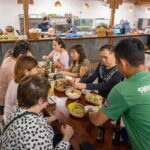
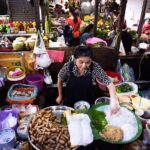
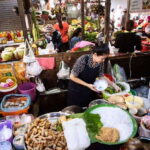
Your tour day kicks off at Boeng Keng Kang Market, where breakfast isn’t a performance. It’s the kind of place locals have been using for years, which matters because the food tastes like it belongs to the neighborhood.
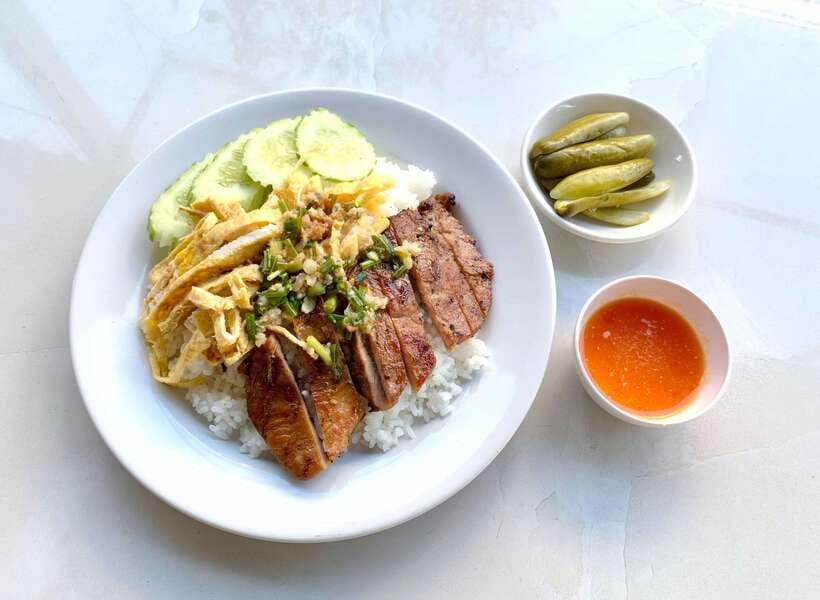
Expect a steaming bowl of noodle soup or pork rice style breakfast options, plus a cup of local coffee. This is a good moment for you to ask your guide what to look for, because market coffee can taste different depending on how it’s brewed and sweetened.
Here’s what I think is the smartest part of this stop: the guide doesn’t just name foods. You learn about herbs, fruits, vegetables, and how seasonality affects what ends up on plates. You also get to observe people doing normal errands—shopping, comparing items, and negotiating prices. That changes how you see the market. It stops being a “spot” and becomes a place.
You’ll also likely pick up a small handmade souvenir from the market area. Don’t overthink it. Buy something small you can carry, because you’ll have more food stops after this.
How long you’ll be here
You spend about 1.5 hours in the market area. That’s enough time to eat, try a few tastings, and still have room to wander rather than rush.
The one caution at breakfast
Some guides keep food options flexible depending on what you want to try. If you’re very sensitive to spice or specific ingredients, say so early. Khmer food can use turmeric, strong aromatics, and punchy sauces, and the tour is built around tasting.
Street art in Boeung Kak: symbols, stories, and a few surprising finds
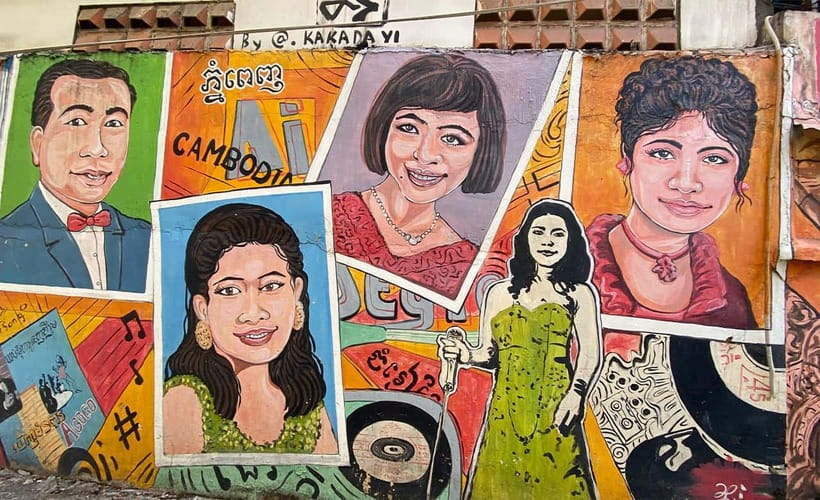
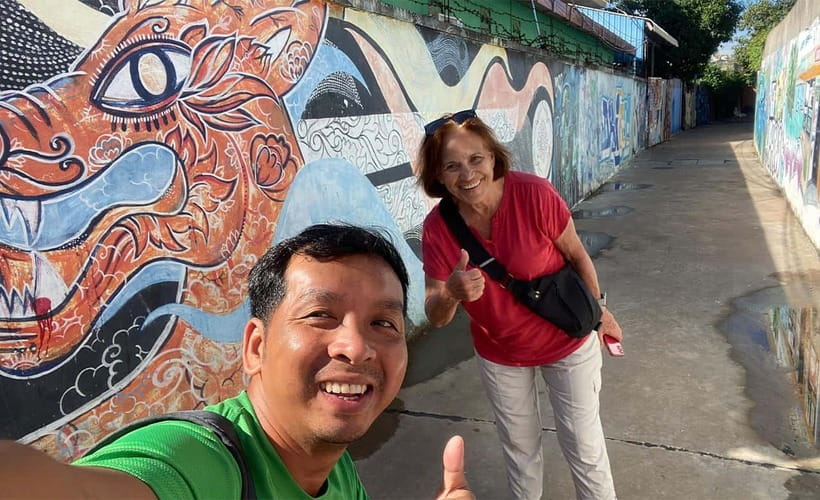
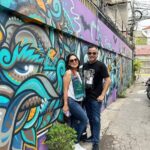
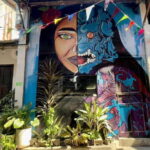
After breakfast, the tour shifts gears into street art in Sangkat Boeung Kak 1. Now, I want to manage expectations: Phnom Penh doesn’t have endless street art in every direction. But what exists tends to be meaningful, and this tour focuses on the pieces that fit the neighborhood story.
The guides explain how the street art community is growing and how artists fold in Khmer symbolism and history. That context matters, because street art here often feels like it’s talking about place, memory, and identity—not just style.
From the reviews, one highlight to watch for is the chance to spot works by international artists with local connections, like a cat by London artist Himbad. Another name that comes up in this world is Kakada Yi. Even if you’re not deep into street art, it’s fun to look at each wall like it has a reason for being there.
A few more Phnom Penh tours and day trips our team keeps coming back to
Why the walk is worth it
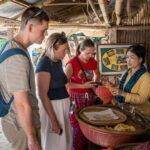
This isn’t just a drive-by route where you jump out for ten minutes and leave. You get a guided walk and photo stops, which makes a big difference. You’ll notice details better, and you’re not guessing what you’re seeing.
Also, the guide’s English is a real asset here. You can ask questions as you go, and the answers land because you’re standing in front of the art while you hear them.
A practical note
Bring your phone camera plan with you, but don’t make photography the whole job. The experience works best when you also listen—street art stories make the pictures more than souvenirs.
Wat Botum Park lunch: rest your legs without losing the day
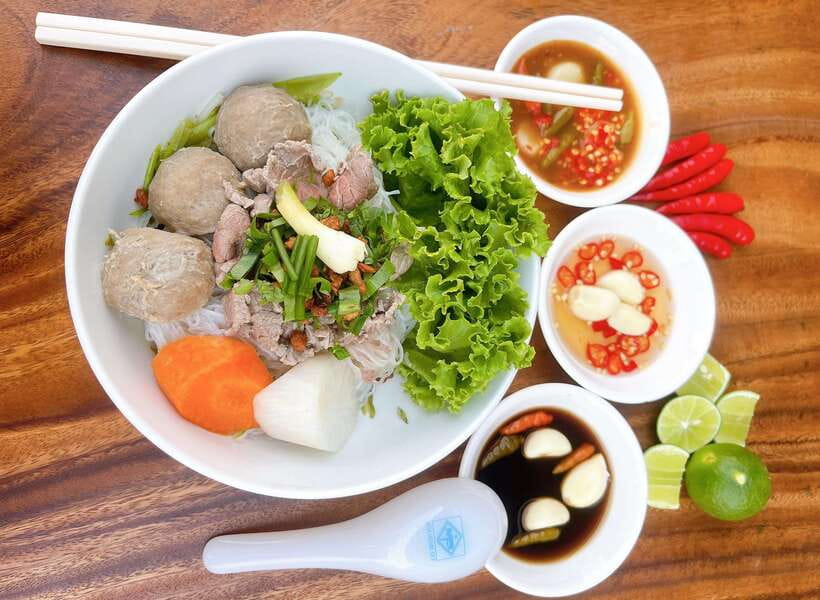
Next comes Wat Botum Park for lunch (about 1 hour). This is a smart scheduling choice. After markets and street art walking, you get a seated meal break before the final food hits.
Even though the tour’s main “food identity” is Khmer flavors and tastings, lunch is still part of the story: it keeps your energy steady for the crepe stop later. It’s also a good time to slow down and process what you learned earlier about local ingredients and cooking styles.
If you’re sensitive to certain foods, say it when you’re ordering. The tour is built around eating, but guides usually work with preferences as the day goes.
Banh Chaeve (rice-milk turmeric crepes): the cooking moment you’ll remember
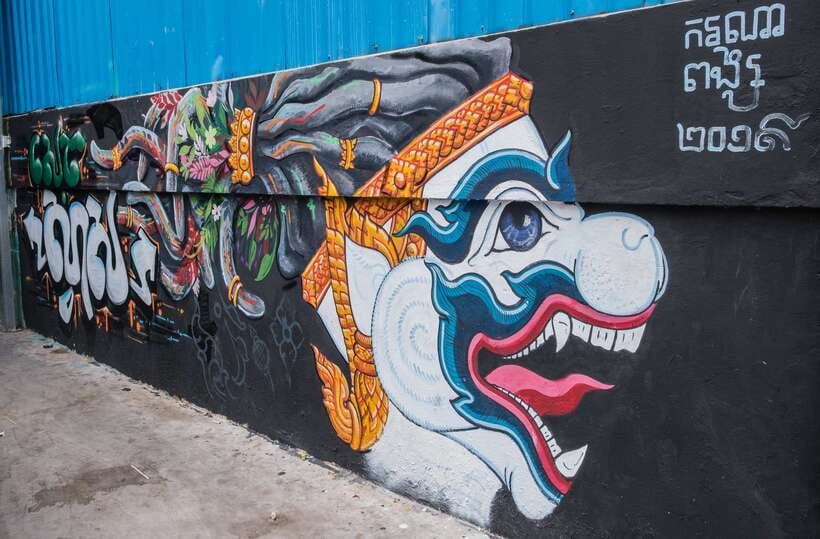
One of the signature stops is the place where they make Banh Chaeve, Khmer crepes. The tour says these crepes are made carefully using a unique blend of rice milk and turmeric.
This matters because you’re not just tasting a dish. You’re seeing the method behind it, and you’re learning why it tastes the way it does. Turmeric isn’t just there for color. It’s part of the flavor backbone that shows up in lots of Khmer cooking.
What makes this stop feel special is the “hands-on” quality of the experience, even if you’re not cooking yourself. You get to connect ingredient to result. And after a morning of market wandering, that connection clicks.
What to expect in taste
You should expect a crepe that feels fragrant rather than heavy, with that turmeric warmth. If you’ve never had Khmer-style crepes before, this is the kind of food that reframes your idea of what a street snack can taste like.
Food pace tip
If you get snack-happy at the market, you’ll still have room for this. But if you stuff yourself at breakfast, crepes can feel like a second wave of the same thing. Try to balance it: taste thoughtfully in the market, then enjoy this stop fully.
Phnom Penh signature coffee finish: the last taste test
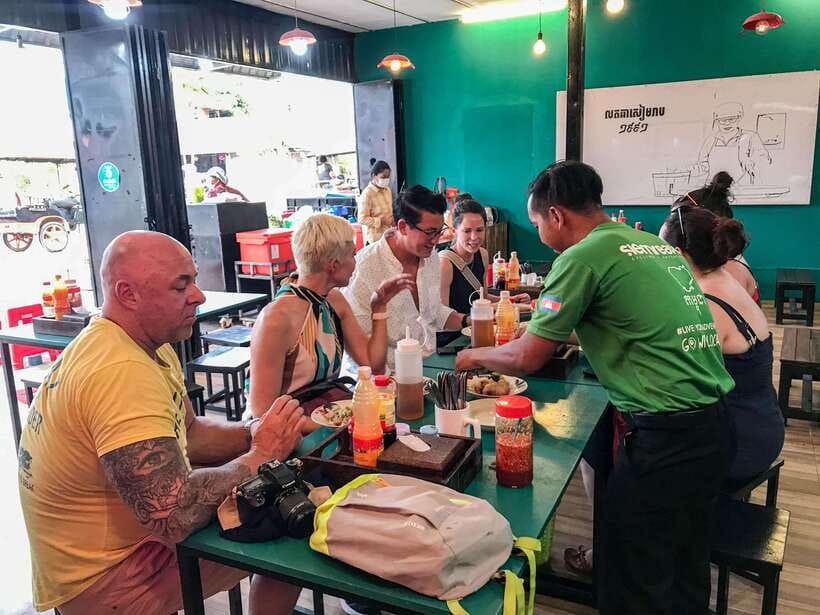
The tour ends with Phnom Penh’s signature coffee blend. This isn’t just a random caffeine stop. Because you started with local coffee at the market, the final coffee works like a bookend.
And the “back alleys” angle is part of the point. Coffee is one of those Cambodian experiences that can feel humble but memorable, especially when you’re in small local spaces rather than a big branded cafe.
If you’re the type who likes to learn what makes a drink different, this is a great payoff. You’ll likely notice changes in strength, sweetness, and aroma compared to the first coffee you tried.
A small extra some guides may include
In at least some versions of the tour, there’s an extra like a pepper tasting, where you learn the difference between various peppers. That kind of add-on makes the food education feel practical, not just talk.
Price and value: why $35 can feel fair (if you like food)
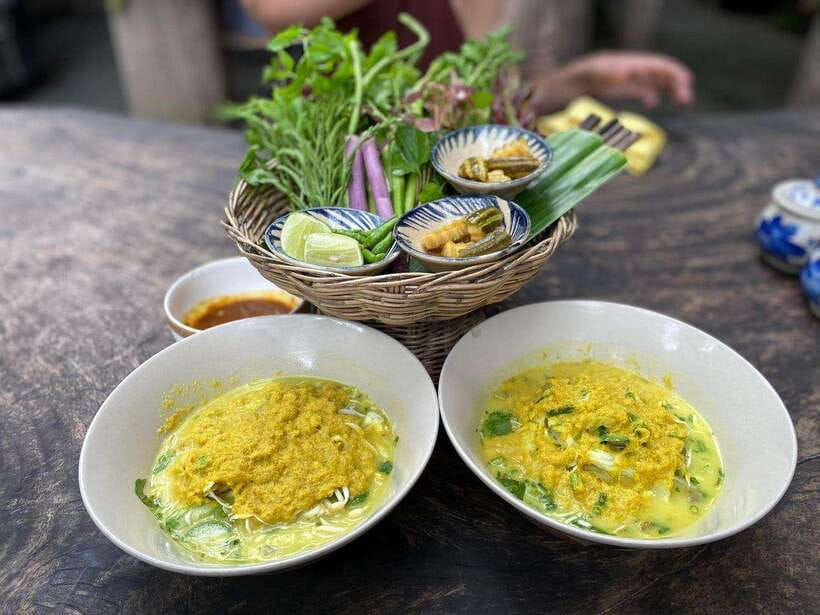
At $35 per person for about 4 hours, you’re paying for three things at once: guided navigation, multiple food moments, and local-context storytelling.
Here’s what’s included based on the tour details:
- Hotel pickup and drop-off
- Tuk-tuk transportation
- English-speaking guide
- Two breakfasts included
- Coffee & soft drink
- Local desserts testing in the market
- Bottle of water
That’s a lot of “meals and sips” folded into one price. In Phnom Penh, you can absolutely eat your way through the city without a tour, but you’d still be spending time figuring out where to go and what to order. This tour removes the guesswork, especially in markets.
Also, the price is tied to effort you can feel: market access, street art guidance, and a real stop to eat Banh Chaeve rather than grabbing something bland and moving on.
The main trade-off? You’re on a schedule. If you’re the type who likes to wander freely for hours and control every turn, this might feel structured. But if you want a guided hit of food and art in one day, it’s strong value.
Who this tour fits best (and who should skip it)
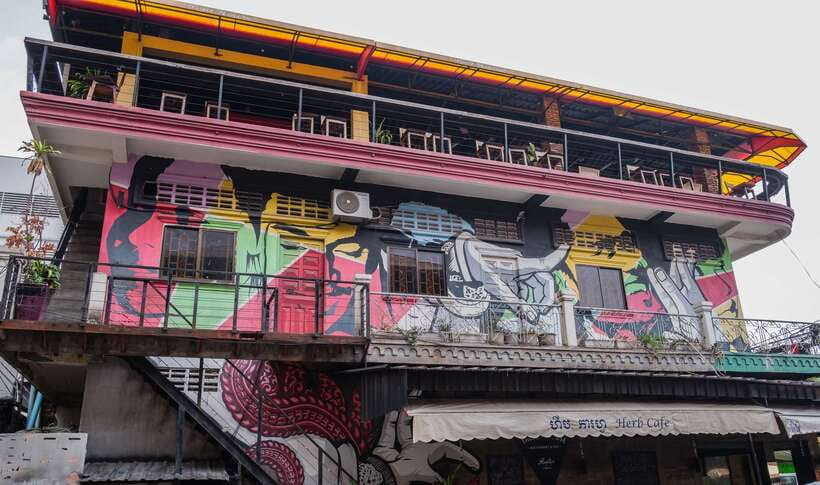
This is a great match if you:
- Like street snacks and market food more than museum-style sightseeing
- Want a guided way to see Sangkat Boeung Kak 1 street art without feeling lost
- Enjoy learning ingredient-level details, like herbs and the turmeric/rice-milk crepe method
You might want to skip it if you:
- Need a fully low-walking experience
- Are pregnant, since the tour is not suitable for pregnant women (per the activity info)
- Prefer slow, long cafe time over eating multiple stops
Also, come with a realistic appetite. Many people end the tour with a serious food afterglow.
Should you book the Phnom Penh Street Art & Food Tour by Tuk-Tuk?
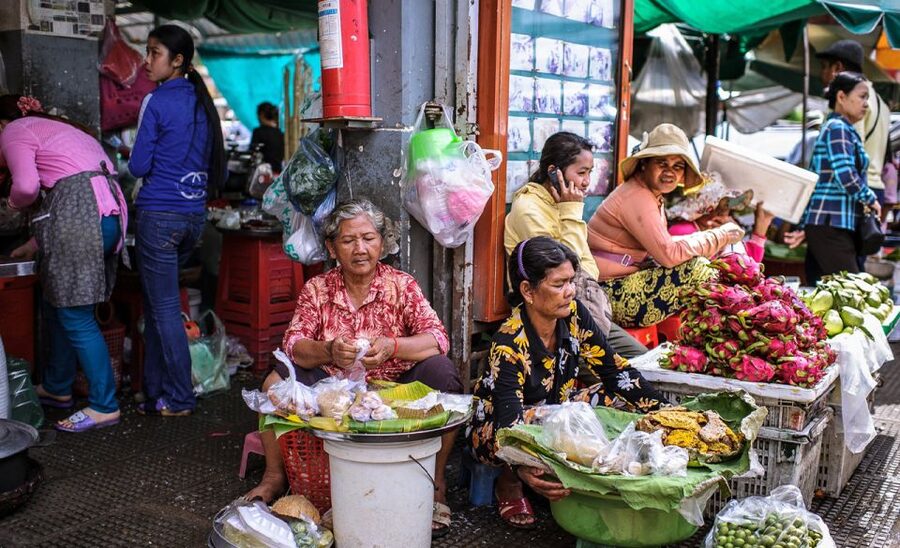
I’d book it if you want a day that mixes two things Phnom Penh does well: local eating and street-level creative culture. The tuk-tuk transport keeps it efficient, the guide adds context as you walk, and the food isn’t random. You get a market breakfast start, street art sights, lunch at Wat Botum Park, and a memorable Banh Chaeve stop plus coffee at the end.
I’d think twice if you’re only interested in huge quantities of street art. The scene here can be scattered, and you’re paying for the blend of food + storytelling, not an all-wall gallery tour.
If you’re flexible, hungry, and curious, this is one of the easiest ways to get a real slice of Phnom Penh in about 4 hours.
FAQ
How long is the Phnom Penh Street Art & Food Tour by Tuk-Tuk?
The tour lasts 4 hours.
Where is the pickup and drop-off?
The tour includes hotel pickup and drop-off within Phnom Penh. You should wait in the hotel lobby 15 minutes before pickup.
What does the tour cost?
The price is $35 per person.
What food and drinks are included?
You get 2 breakfasts, coffee, a soft drink, market dessert tastings, and a bottle of water.
Do we visit markets during the tour?
Yes. You visit Boeng Keng Kang Market and you’ll also spend time around market areas with tastings and produce/ingredient viewing.
Where do the street art stops happen?
The tour includes a street art/photo stop area at Sangkat Boeung Kak 1.
Is lunch included?
Yes. Lunch is included at Wat Botum Park.
Does the tour run in bad weather?
Yes, it happens rain or shine.
Is this tour suitable for everyone?
No. The activity info says it is not suitable for pregnant women.
More Phnom Penh Street Art Tours in Phnom Penh

More Phnom Penh Tuk-Tuk Tours in Phnom Penh
More Phnom Penh Food Tours in Phnom Penh
Keep browsing: more Phnom Penh tours and day trips our team has reviewed







Phnom Penh Tuk-Tuk Tours, compared.
 ★ 5.0Phnom Penh Silk Island Bike Tour/ E-Bike or Tuk TukFrom $35495 reviews
 ★ 5.0Ultimate Phnom Penh Food Tour by Tuk Tuk: 20 Tastings and DrinksFrom $69409 reviews
 ★ 4.9Visiting 9 Places in 3 hours Share Tour by Tuk-TukFrom $20293 reviews
 ★ 4.7Phnom Penh to Silk Island By Tuk-Tuk with local ExpertFrom $29249 reviews
 ★ 5.0Phnom Penh’s Culinary Underground: Local Food Tour by Tuk-tukFrom $69234 reviews
 ★ 4.9Evening Food Tour with Drinks & Tuk Tuk IncludedFrom $39226 reviews
 ★ 4.9Phnom Penh’s Ultimate Street Food Tour by Tuk TukFrom $79225 reviews
 ★ 5.0Phnom Penh’s Morning Market and Street Art Tour by Tuk tukFrom $45128 reviews
Browse the lists this tour appears in